
Animal/Animals

Animals are a vast and diverse kingdom of multicellular, eukaryotic organisms that share key biological traits such as mobility, the ability to consume organic material for energy, and reliance on sensory systems to interact with their environment. One of their most distinctive features is the absence of cell walls, allowing for flexible body structures and active movement. Animals exhibit an extraordinary range of adaptations—wings for flight in birds and bats, fins for swimming in dolphins and sharks, and specialized limbs for climbing, digging, or running. Many possess complex nervous systems and brains that enable learning, communication, and social behavior. From microscopic tardigrades to the blue whale—the largest animal to ever exist—this group includes over 1.5 million identified species, inhabiting nearly every ecosystem on Earth. Their diversity is reflected in body plans, reproductive strategies, and survival mechanisms, making animals central to the planet’s ecological and evolutionary story.
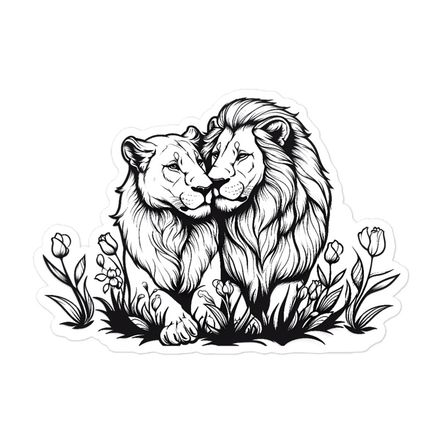
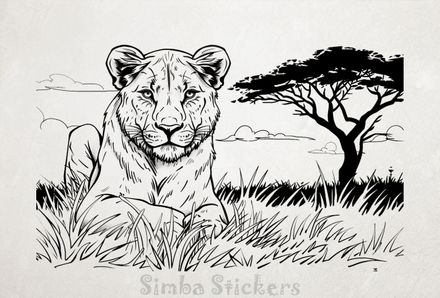
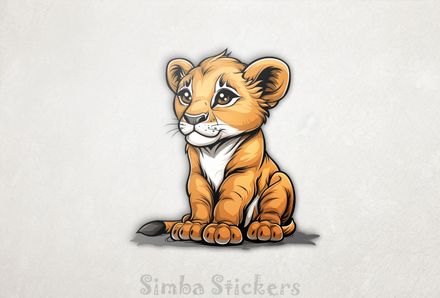
Animals thrive in a wide variety of habitats, each shaped by climate, geography, and available resources. In the African savanna, lions, elephants, zebras, and giraffes roam vast grasslands dotted with acacia trees, relying on seasonal rains and open spaces for grazing and hunting. Tropical rainforests in the Amazon and Congo Basin shelter jaguars, sloths, poison dart frogs, toucans, and countless insect species, all adapted to dense vegetation and high humidity. Polar regions are home to resilient animals like polar bears, Arctic foxes, and penguins, whose thick fur or feathers and fat layers protect them from extreme cold. Deserts host specialists such as camels, fennec foxes, and sidewinder snakes, which conserve water and tolerate scorching temperatures. Marine environments—from coral reefs to deep-sea trenches—support whales, sea turtles, octopuses, and schools of fish, while freshwater ecosystems are inhabited by beavers, otters, crocodiles, and amphibians. Even urban areas now support adaptable species like raccoons, pigeons, and foxes, demonstrating the resilience and flexibility of animal life.
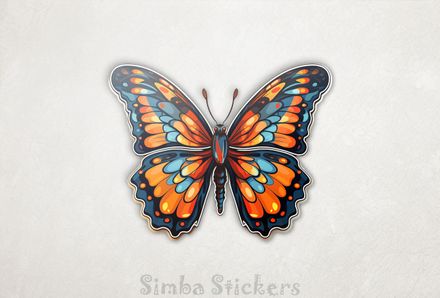
Ecologically, animals play indispensable roles in maintaining the balance and health of ecosystems. Herbivores such as deer, bison, and elephants shape vegetation patterns through grazing and browsing, preventing overgrowth and promoting plant diversity. Predators like wolves, tigers, and eagles regulate prey populations, ensuring that no single species dominates and disrupts the food web. Scavengers such as vultures, hyenas, and dung beetles clean up carcasses and waste, recycling nutrients and reducing disease spread. Pollinators—including bees, butterflies, and hummingbirds—are vital for the reproduction of flowering plants, including many crops humans depend on. Seed dispersers like birds, primates, and rodents help forests regenerate by carrying seeds far from parent plants. Even small or less visible animals, such as earthworms and plankton, contribute significantly by enriching soil and forming the base of aquatic food chains. These interconnected roles highlight how animals sustain ecosystem functions essential for planetary health.
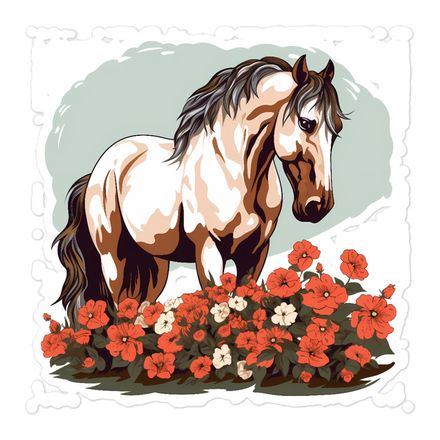
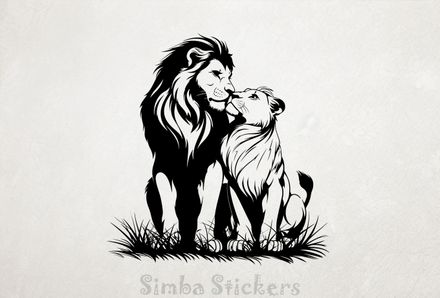
Culturally, animals have held deep significance across human civilizations, symbolizing everything from strength and wisdom to freedom and spirituality. In many Indigenous traditions, animals are seen as ancestors, spirit guides, or teachers—wolves represent loyalty and intuition, eagles embody vision and power, and turtles symbolize longevity and protection. In ancient Egypt, cats were revered and protected by law, while the ibis and falcon were associated with deities. In Hinduism, the cow is sacred, and elephants are linked to Ganesha, the god of wisdom. Animals feature prominently in folklore, art, national emblems, and religious texts worldwide. The lion appears on royal coats of arms, the bald eagle is a national symbol of the United States, and the dragon—though mythical—remains a powerful cultural icon in East Asia. Domesticated animals like horses, dogs, and oxen have shaped human history through labor, companionship, and transportation, while wild animals continue to inspire awe and conservation efforts.
Despite their importance, many animal species face growing threats from habitat destruction, climate change, pollution, poaching, and human-wildlife conflict. Iconic species like the tiger, rhinoceros, and orangutan are endangered, while lesser-known creatures like amphibians and pollinators are declining at alarming rates. Conservation initiatives—ranging from protected areas and anti-poaching patrols to community education and wildlife corridors—are critical to reversing these trends. Protecting animals means preserving biodiversity, maintaining ecosystem services, and honoring cultural heritage. From the soaring albatross to the burrowing prairie dog, every animal plays a part in the intricate web of life. By valuing and safeguarding the animal kingdom, humanity ensures a more resilient, balanced, and vibrant planet for generations to come.
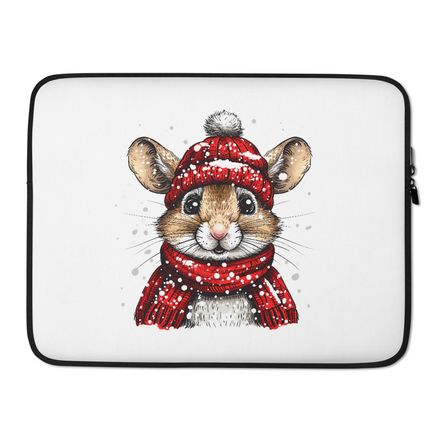
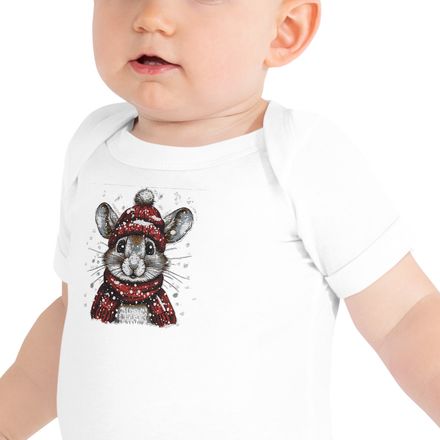
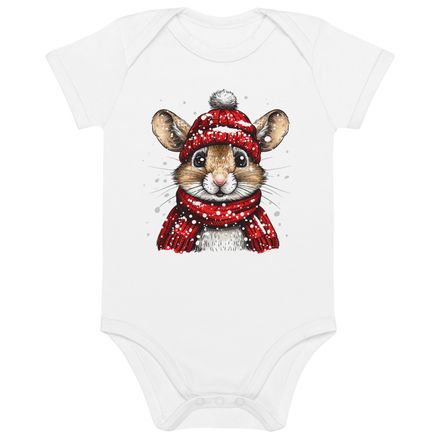
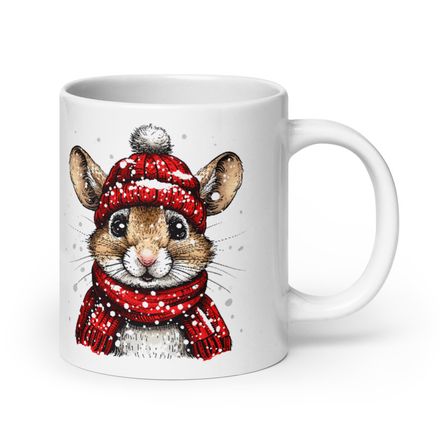
We keep adding images as will as print-on-demand products of wild animals as time goes on. The easiest way to keep up-to-date is to subscribe to our newsletter.
If you would like them applied to a particular kind of clothing item which is missing, then please contact us!
Simba Stickers Animal Facts Videos in English
For facts about wild animals presented in a fun and informative way, kindly have a look at our videos below!
Video Shorts
Regular Videos
We also have animal videos available in French (regular/shorts), German (regular/shorts), Italian (regular/shorts) and Latin (regular/shorts).
Go to the Simba Stickers English channel for all our videos!



















































































































Subscribe to our newsletter
Get the latest news and updates straight to your inbox