
Big Cats

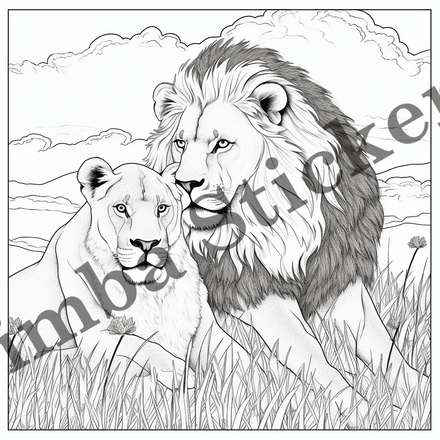
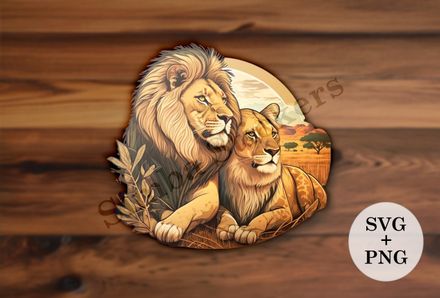
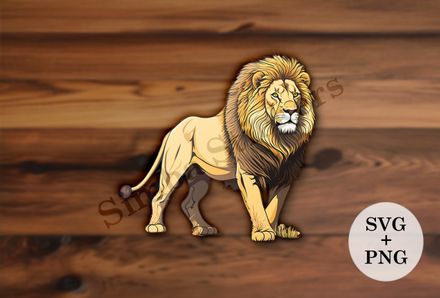
Big cats are a group of large, powerful feline predators belonging to the subfamily *Felinae* and primarily the genus *Panthera*, which includes the lion (*Panthera leo*), tiger (*Panthera tigris*), leopard (*Panthera pardus*), jaguar (*Panthera onca*), and snow leopard (*Panthera uncia*). The cheetah (*Acinonyx jubatus*) and cougar (*Puma concolor*) are also considered big cats due to their size and ecological roles, though they cannot roar like the *Panthera* species. These animals are distinguished by their muscular builds, sharp retractable claws, powerful jaws, and keen senses of sight and hearing. Many possess specialized adaptations: lions are the only truly social cats, living in prides; tigers are solitary and excellent swimmers; leopards are agile climbers that often stash prey in trees; jaguars have the strongest bite among cats, capable of piercing skulls; and snow leopards have thick fur and wide paws for navigating snowy, rocky terrain. The cheetah, built for speed, has a lightweight frame and non-retractable claws for traction during high-speed chases.
Big cats inhabit a wide range of ecosystems across Africa, Asia, the Americas, and parts of Europe. Lions dominate the savannas and grasslands of sub-Saharan Africa, with a small population in India’s Gir Forest. Tigers roam the dense forests, mangroves, and grasslands of South and Southeast Asia, from India to the Russian Far East. Leopards are the most adaptable, thriving in African savannas, Asian rainforests, and even urban fringes. Jaguars are found in the rainforests and wetlands of Central and South America, while snow leopards inhabit the high mountains of Central Asia, including the Himalayas. Cheetahs prefer open plains and semi-arid regions of Africa and a small pocket in Iran, and cougars range from the Canadian Rockies to the Andes. Despite their geographic diversity, all big cats require sufficient cover for stalking prey, access to water, and healthy populations of herbivores to sustain their carnivorous diets.
Ecologically, big cats serve as apex predators, playing a critical role in maintaining the health and balance of their ecosystems. By preying on herbivores such as deer, antelope, wild boar, and zebra, they help regulate prey populations, preventing overgrazing and promoting plant diversity. Their presence influences the behavior and distribution of other species—a phenomenon known as the "ecology of fear"—which can lead to cascading benefits throughout the food web. For example, the reintroduction of lions and leopards in certain African reserves has led to improved vegetation and increased biodiversity. Scavengers such as hyenas, vultures, and jackals also benefit from the remains of big cat kills. As keystone species, the decline or loss of big cats can destabilize entire ecosystems, leading to imbalances like mesopredator release (where mid-level predators overpopulate) and habitat degradation.
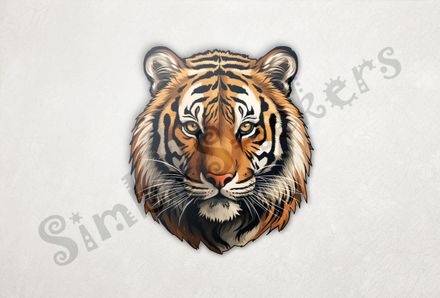
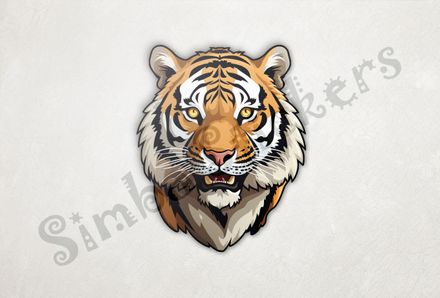
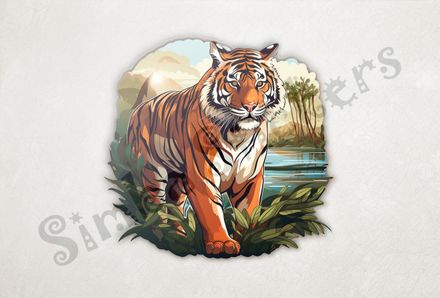
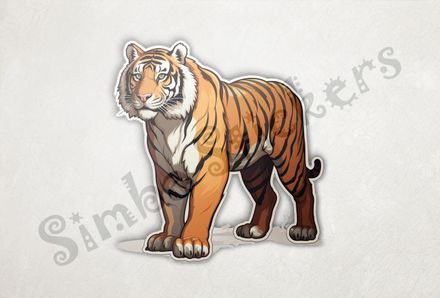
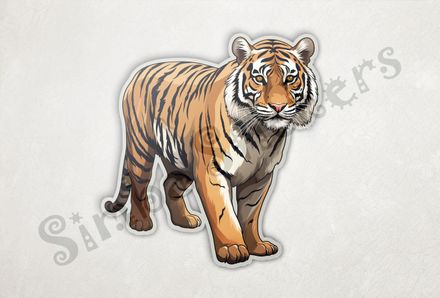
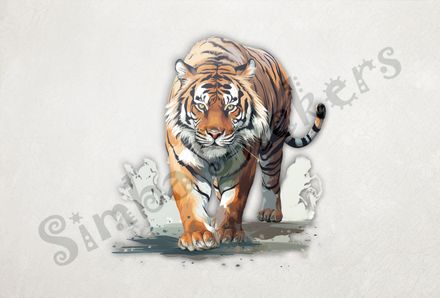
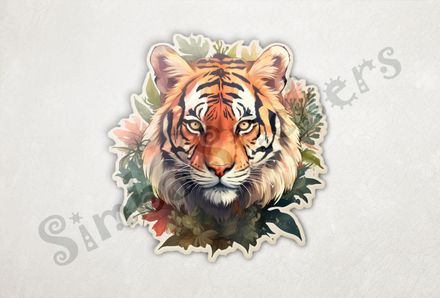
Culturally, big cats have long captivated the human imagination, symbolizing power, courage, mystery, and nobility across civilizations. Lions are revered as "kings of the beasts" in African, Middle Eastern, and European traditions, appearing in heraldry, mythology, and religious iconography. Tigers are sacred in many Asian cultures, associated with protection and spiritual strength—featured in Hindu and Buddhist art as mounts of deities. In Mesoamerican civilizations like the Aztecs and Maya, the jaguar was a symbol of royalty and the underworld, often linked to warriors and shamans. Leopards and snow leopards appear in African folklore and Himalayan spiritual beliefs as elusive, wise guardians of the wild. Today, big cats are global icons of conservation, representing the urgency of protecting biodiversity. However, all big cat species face threats from habitat loss, poaching, human-wildlife conflict, and illegal wildlife trade. Most are classified as vulnerable, endangered, or critically endangered. Protecting these magnificent animals requires international cooperation, habitat preservation, and community engagement—ensuring that big cats continue to roam the wild, not just in our stories, but in reality.
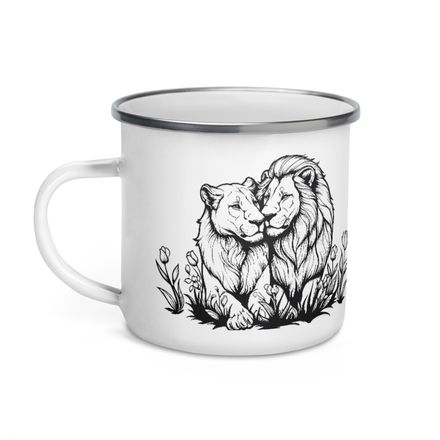
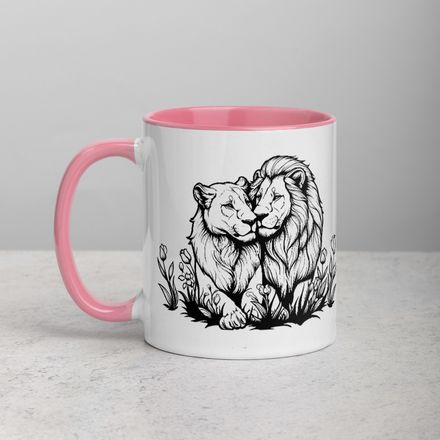
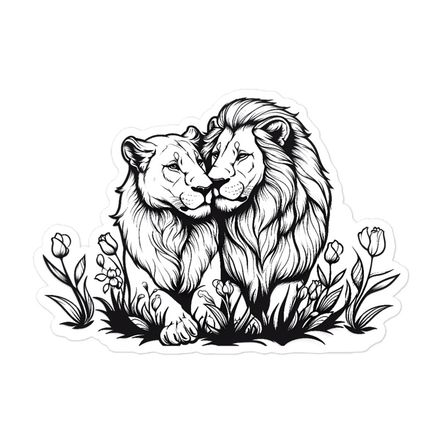
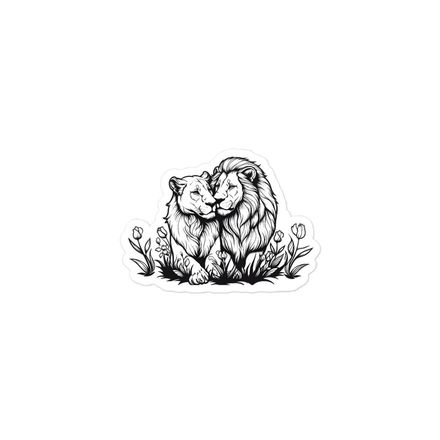
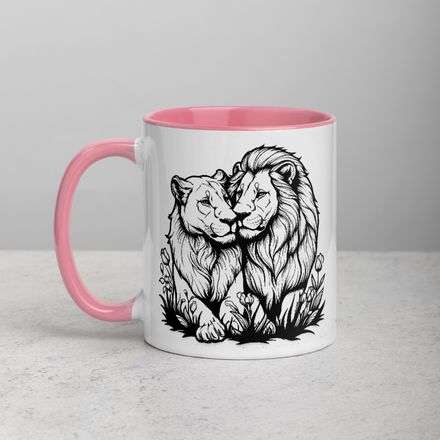
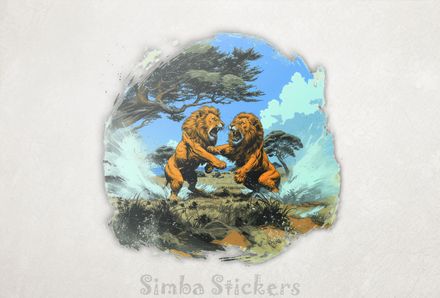
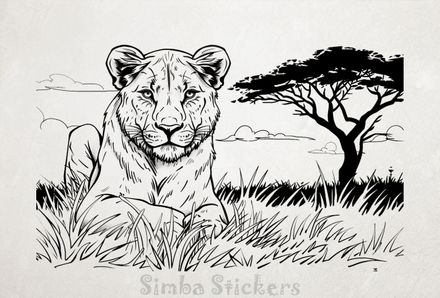
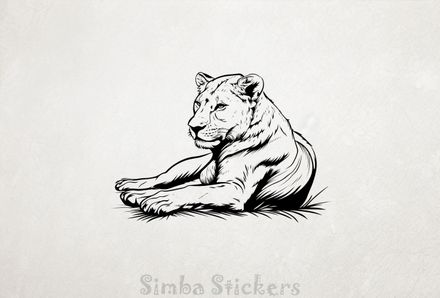
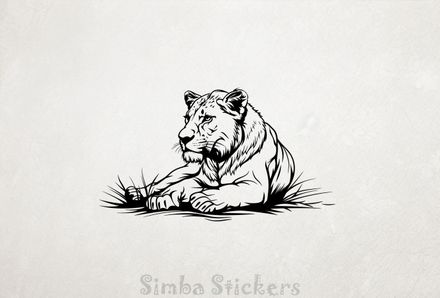
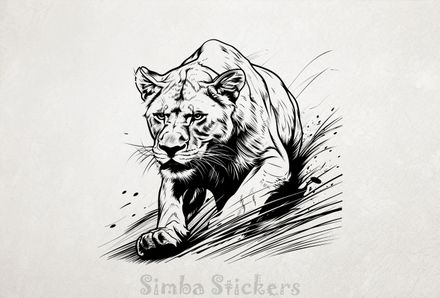
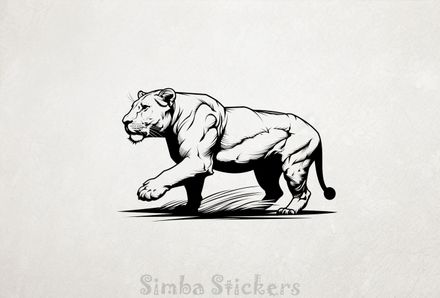
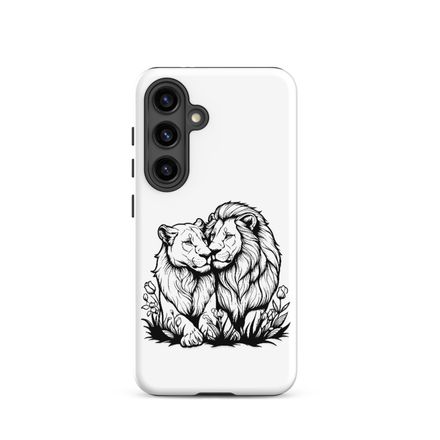
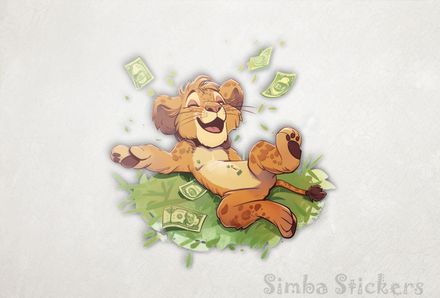
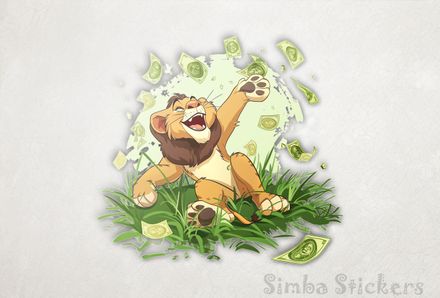
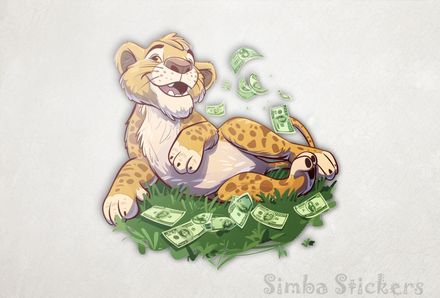
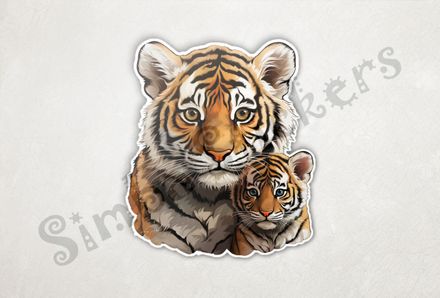
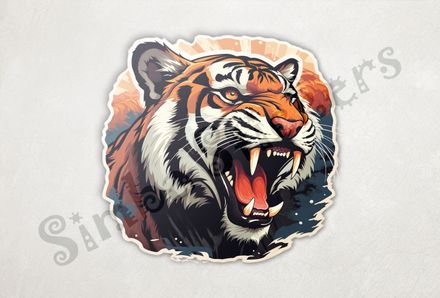
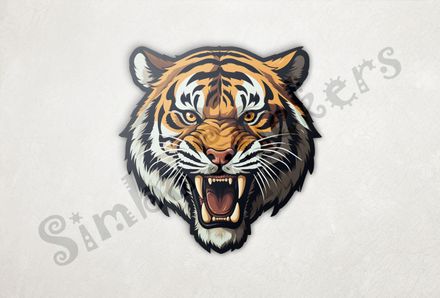
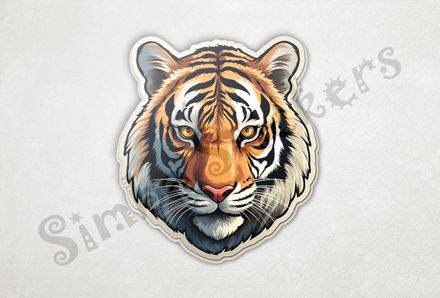
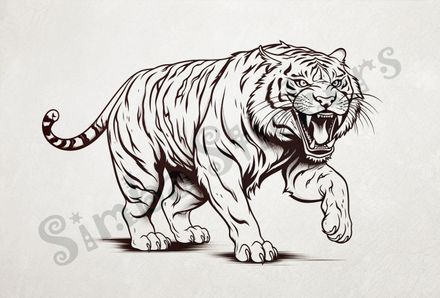
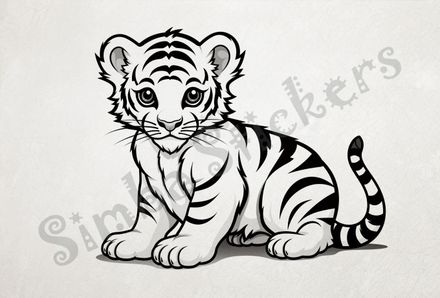
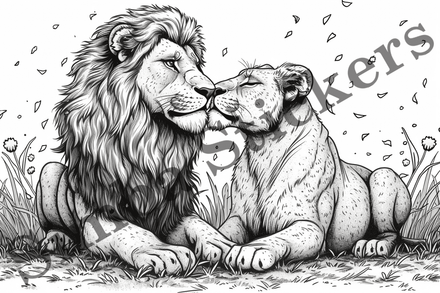
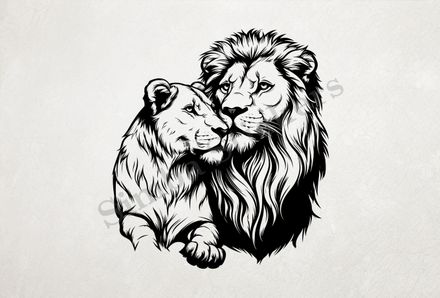
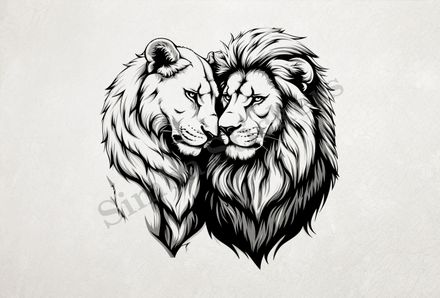
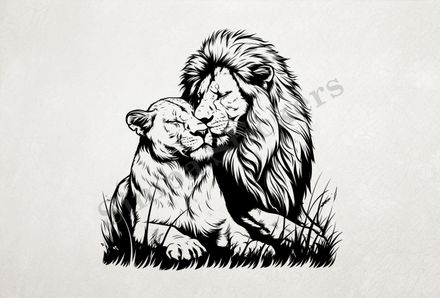
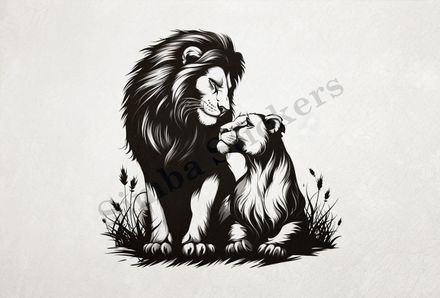
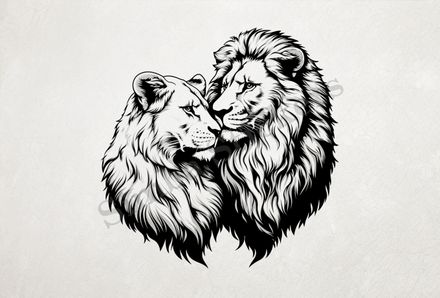
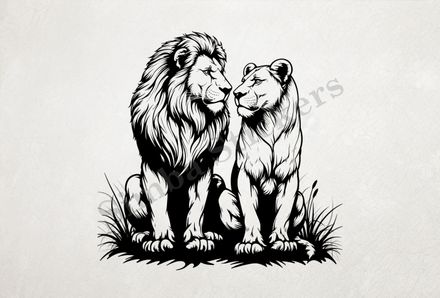
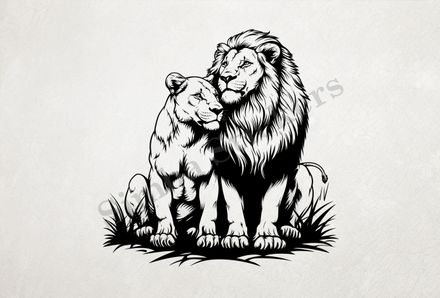
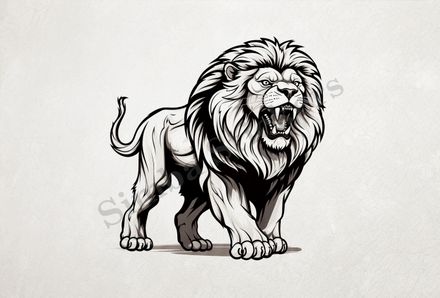
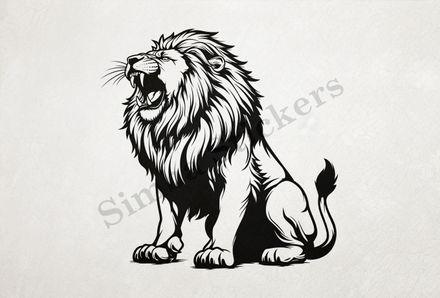
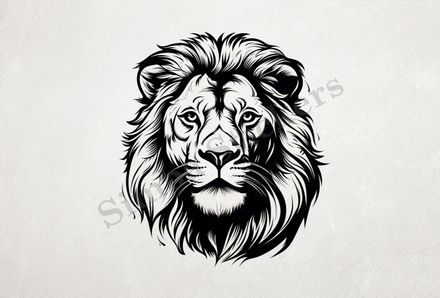
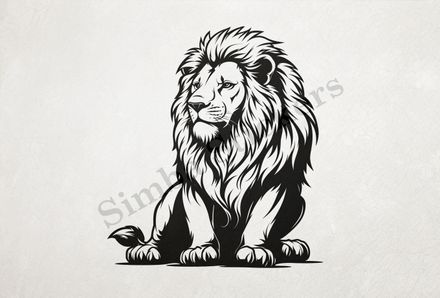
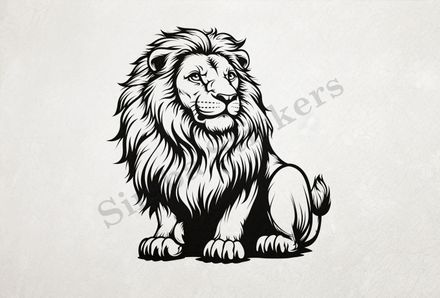
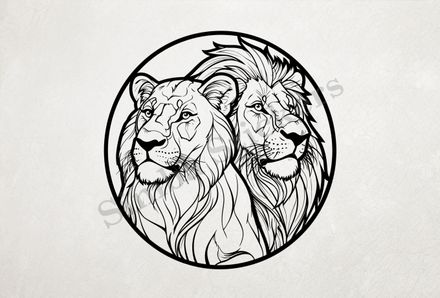
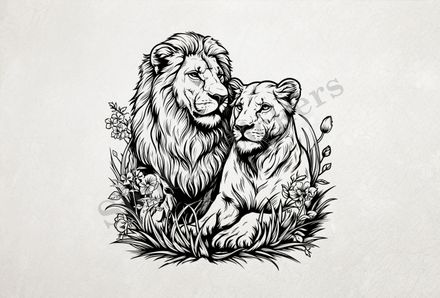
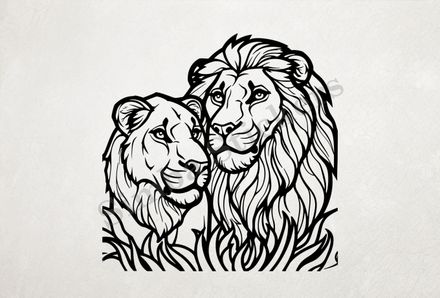
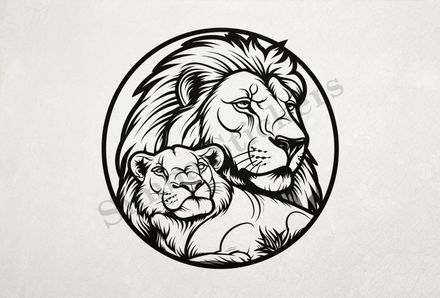
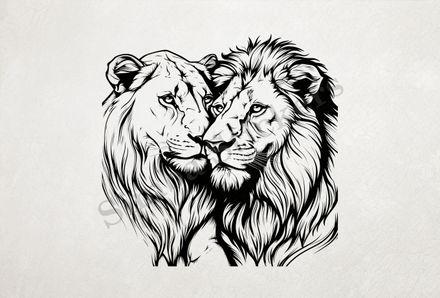
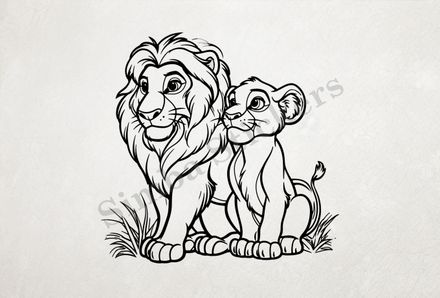
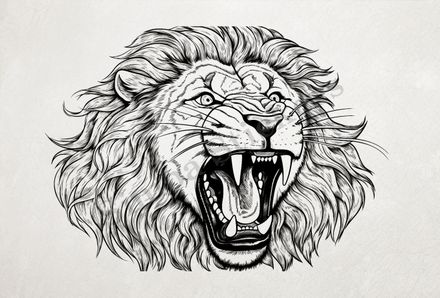
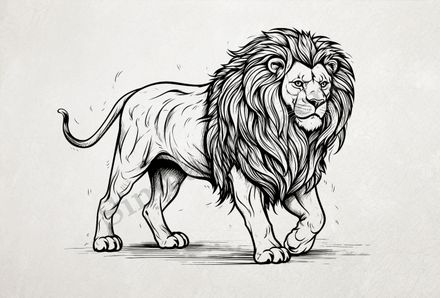
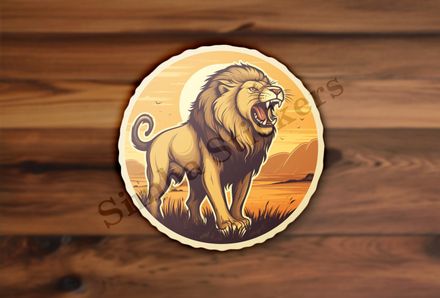
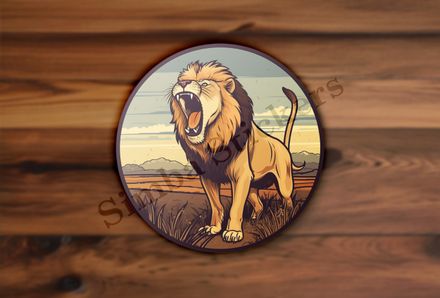
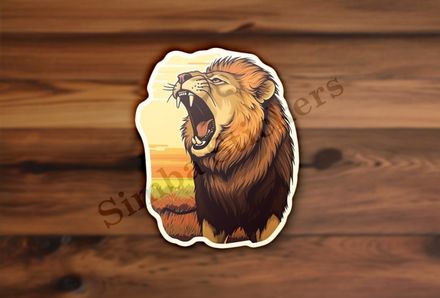
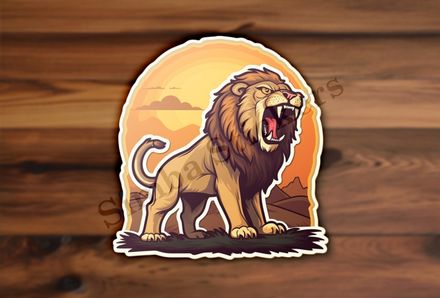
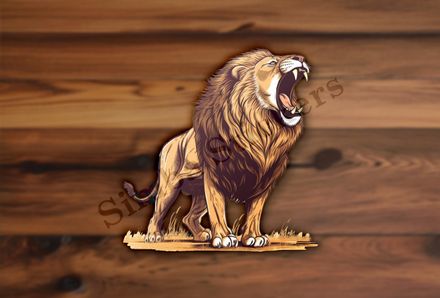
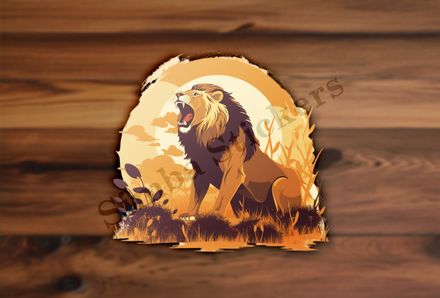
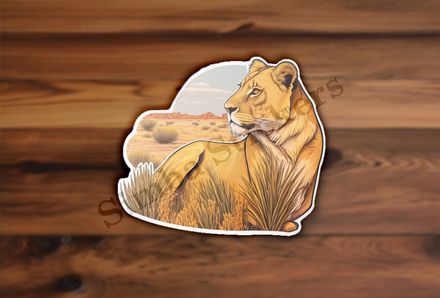
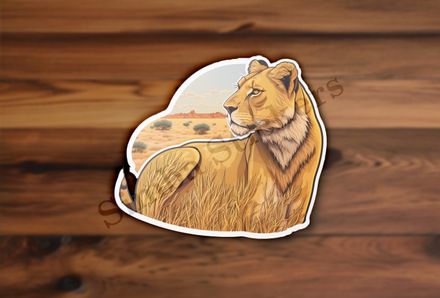
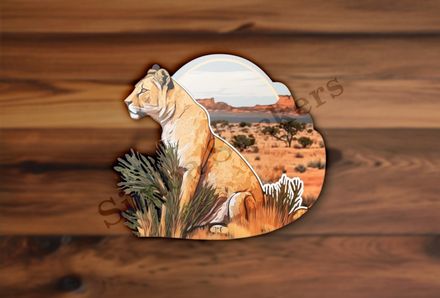
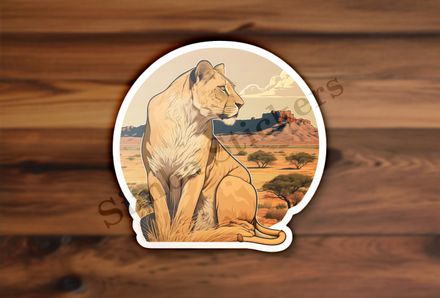
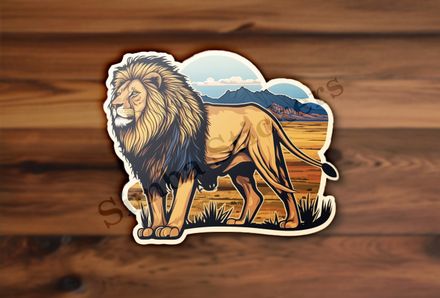
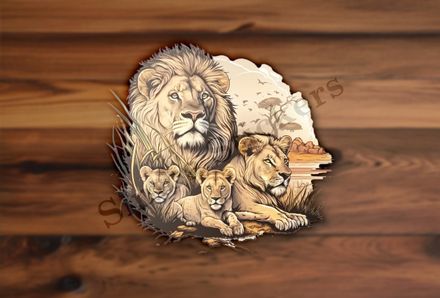
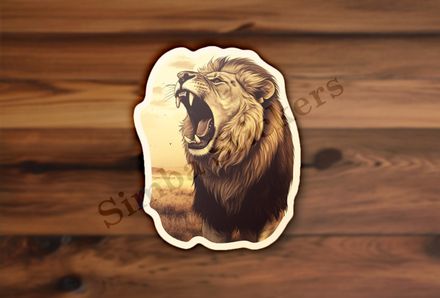
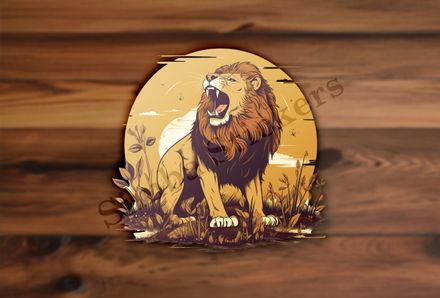
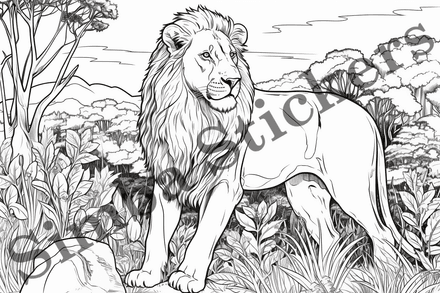
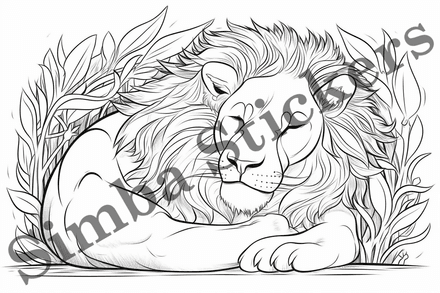
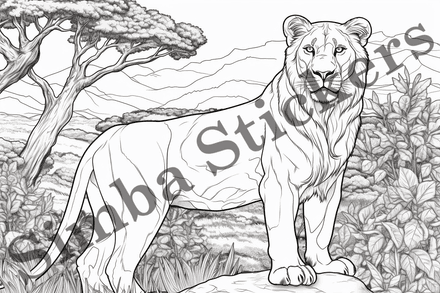
We keep adding images as will as print-on-demand products of big cats as time goes on. The easiest way to keep up-to-date is to subscribe to our newsletter.
If you would like them applied to a particular kind of clothing item which is missing, then please contact us!
Simba Stickers Big Cat Facts Videos in English
For facts about cheetahs presented in a fun and informative way, kindly have a look at our videos below!
Video Shorts
Regular Videos
We also have big cat videos available in French (regular/shorts), German (regular/shorts), Italian (regular/shorts) and Latin (regular/shorts).
Go to the Simba Stickers English channel for all our videos!
Big Cat Products - digital/print-on-demand









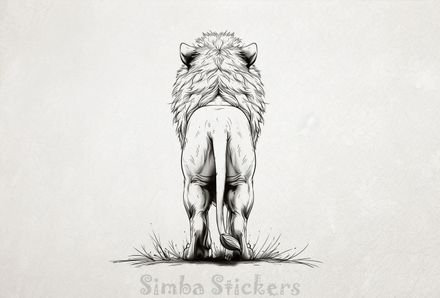
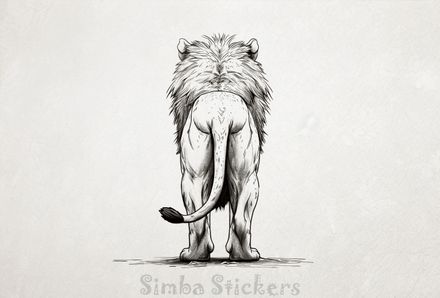
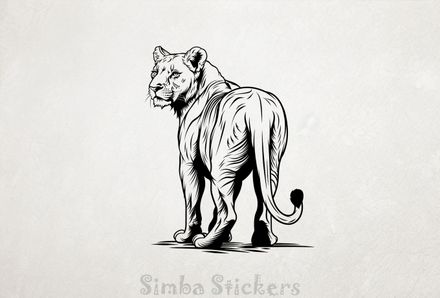
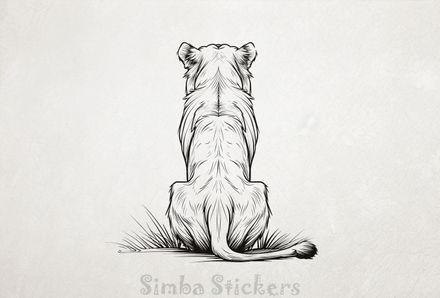






























Subscribe to our newsletter
Get the latest news and updates straight to your inbox