
Domestic Bird/Birds
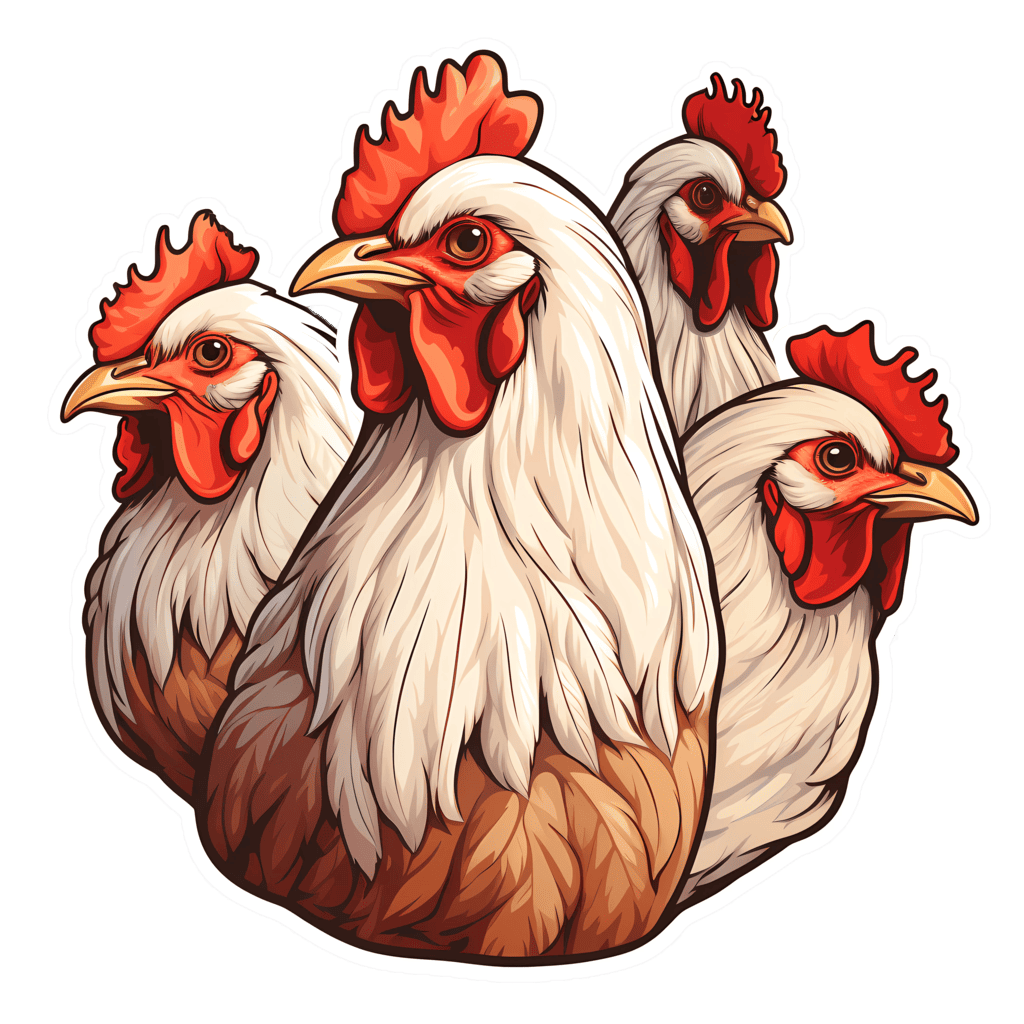
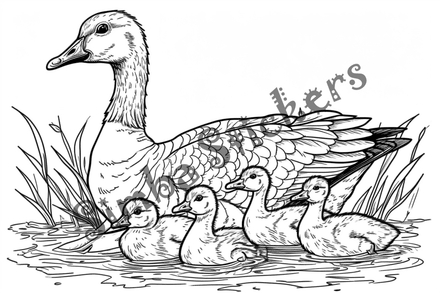
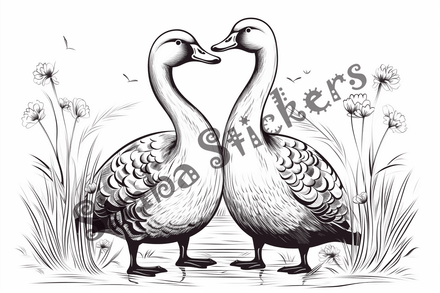
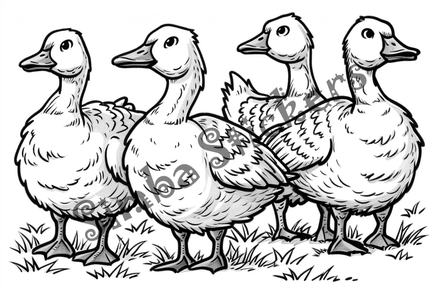
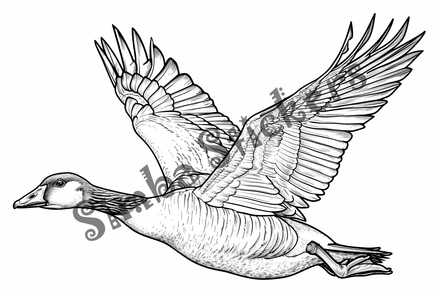
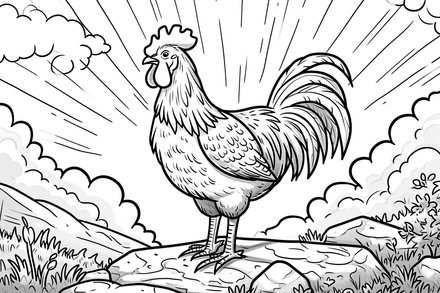
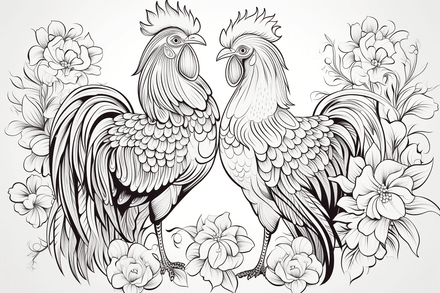
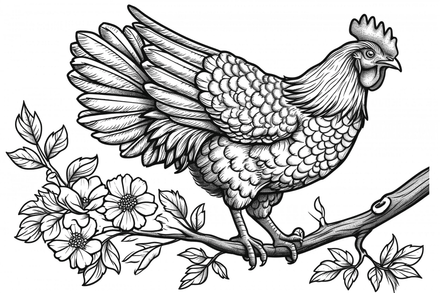
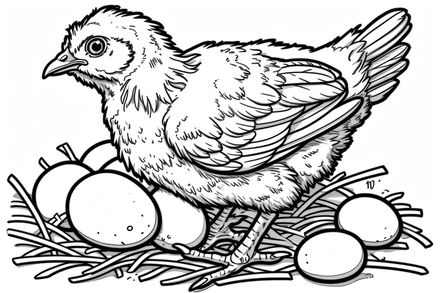
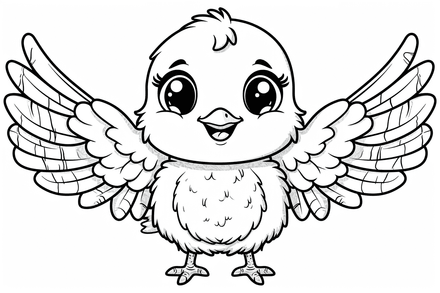
Domestic birds are avian species that have been tamed and selectively bred by humans over thousands of years for food, companionship, labor, or ornamentation. The most common include the chicken (*Gallus gallus domesticus*), duck (*Anas platyrhynchos domesticus*), turkey (*Meleagris gallopavo domesticus*), pigeon (*Columba livia domestica*), and various pet birds like budgerigars (*Melopsittacus undulatus*) and canaries (*Serinus canaria domestica*). A single animal is typically called a **bird**, while a group may be referred to as a **flock**, **brood**, **poultry** (for farm birds), or more specifically, a **clutch** (of chicks) or **loft** (of pigeons). Males and females often have distinct names: in chickens, the male is a **rooster** (or **cock**) and the female a **hen**; in ducks, a **drake** and **duck** respectively; in turkeys, a **tom** and **hen**. Young birds are commonly called **chicks**, though some have unique terms—ducklings, goslings (geese), poults (turkeys), and squabs (young pigeons). Domestic birds share traits such as adaptability to human care, reduced flight ability (in many cases), and high reproductive rates, making them ideal for farming and companionship.
These birds live in a wide range of managed environments created by humans, from backyard coops and urban rooftops to large-scale poultry farms and aviaries. Chickens thrive in free-range pastures, barns, or battery cages, depending on farming practices, while ducks and geese prefer access to water for feeding and nesting. Pigeons have adapted to city life, nesting on buildings and bridges, while pet birds like parrots and finches live in cages or indoor enclosures. Unlike wild birds, domestic birds rely entirely on humans for food, shelter, and protection from predators. Their habitats are shaped by purpose: egg-laying hens are kept in optimized conditions for production, meat birds grow rapidly in controlled settings, and ornamental breeds are raised for beauty or show. While not “subspecies” in the biological sense, domestic birds exist in numerous **breeds** developed through selective breeding. For example, chickens include the Rhode Island Red (excellent layers), the Cornish Cross (fast-growing meat bird), and the Silkie (with fluffy plumage and black skin). Ducks range from the prolific Khaki Campbell to the large Pekin, while fancy pigeons come in hundreds of varieties—from homing breeds to fantails. These breeds reflect centuries of human influence aimed at enhancing productivity, appearance, or temperament.
Ecologically, domestic birds play complex roles. On small-scale, sustainable farms, they contribute positively by converting kitchen scraps and forage into eggs and meat, controlling insect pests, and fertilizing soil with their droppings. Chickens help aerate soil as they scratch, and ducks are used in rice paddies to eat pests and weeds. However, industrial poultry operations pose environmental challenges, including greenhouse gas emissions, water pollution from manure runoff, and high grain consumption that drives deforestation. Overcrowding can lead to disease outbreaks that sometimes spread to wild populations. Free-ranging domestic birds may also compete with or transmit diseases to native species. Despite these concerns, responsible management—such as rotational grazing, organic feed, and humane housing—can minimize impact. In urban areas, domestic pigeons and backyard chickens raise questions about sanitation and zoning, yet they also reconnect people with food sources and nature.
Culturally, domestic birds hold deep significance across societies. The chicken is one of the most widespread animals on Earth, symbolizing fertility, vigilance, and sustenance. In ancient Rome, chickens were used in augury, and in parts of Africa and Asia, roosters are associated with courage and spiritual protection. Ducks and geese appear in folklore and cuisine worldwide, from Chinese New Year celebrations to traditional European feasts. Pigeons have served as messengers in wars and symbolize peace in religious art. Pet birds like canaries and parakeets bring joy and companionship, while roosters crowing at dawn represent renewal in many traditions. Beyond symbolism, domestic birds support livelihoods for millions, especially in rural communities where they provide protein, income, and social status. Whether clucking in a village yard or singing in a city apartment, domestic birds remain deeply woven into the fabric of human life—practical, familiar, and quietly essential. Their continued presence reflects not just utility, but a lasting bond between people and the feathered creatures we’ve shaped and shared our world with.
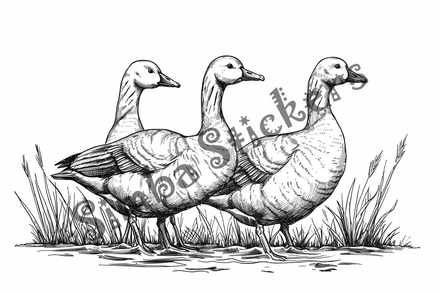
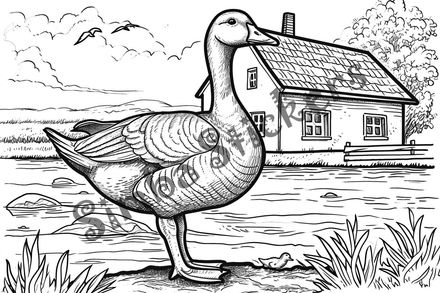
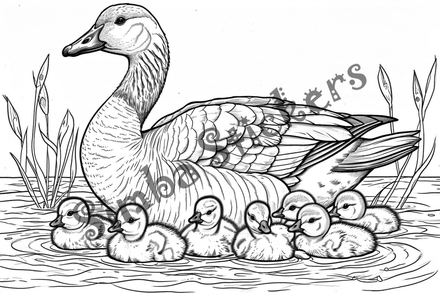
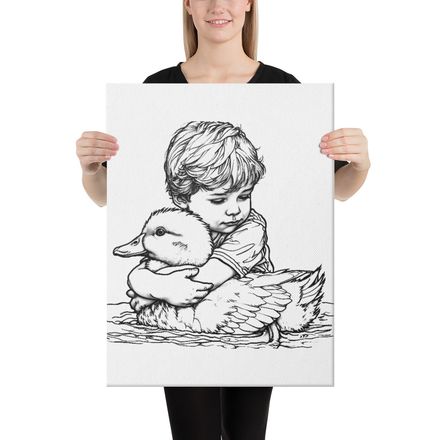
We keep adding images as will as print-on-demand products of domestic birds as time goes on. The easiest way to keep up-to-date is to subscribe to our newsletter.
If you would like them applied to a particular kind of clothing item which is missing, then please contact us!
Simba Stickers Domestic Bird Facts Videos in English
For facts about domestic birds presented in a fun and informative way, kindly have a look at our videos below!
Video Shorts
Regular Videos
We also have domestic bird videos available in French (regular/shorts), German (regular/shorts), Italian (regular/shorts) and Latin (regular/shorts).
Go to the Simba Stickers English channel for all our videos!







Subscribe to our newsletter
Get the latest news and updates straight to your inbox