
Domestic Farm Animal/Animals

Domestic animals are species that have been selectively bred and raised by humans over thousands of years for companionship, labor, food, fiber, or protection. Unlike their wild ancestors, domestic animals exhibit traits such as tameness, reduced fear of humans, and increased dependence on human care. These animals often display physical and behavioral changes due to domestication, including smaller brains, floppy ears, varied coat colors, and altered reproductive cycles. Common examples include mammals like dogs (*Canis lupus familiaris*), cats (*Felis catus*), cattle (*Bos taurus*), sheep (*Ovis aries*), goats (*Capra hircus*), pigs (*Sus scrofa domesticus*), and horses (*Equus ferus caballus*), as well as birds such as chickens (*Gallus gallus domesticus*), ducks, and pigeons. Each species has been adapted for specific roles: dogs for guarding and companionship, cows and goats for milk, sheep for wool, pigs and chickens for meat and eggs, and horses and donkeys for transportation and plowing.
Domestic animals live in a wide range of human-managed environments, from backyard coops and urban apartments to vast pastures, barns, and free-range farms. Their habitats are largely shaped by human needs and agricultural practices, spanning rural homesteads, industrial farms, and even city dwellings. While some, like house cats and pet dogs, live entirely within homes, others such as cattle and sheep graze in open fields or rangelands. Poultry are often kept in coops or free-range systems, while working animals like oxen and camels are essential in regions where mechanized farming is limited. The conditions under which domestic animals live vary greatly—from humane, sustainable farms to overcrowded factory settings—raising important ethical and environmental considerations. Despite their dependence on humans, many domestic animals retain natural behaviors; chickens scratch and peck, pigs root in soil, and horses form social herds, reflecting their evolutionary roots.
Culturally, domestic animals have played a foundational role in the development of human civilization. They appear in religious texts, folklore, and national symbols across the world. The cow is sacred in Hinduism, symbolizing non-violence and abundance, while the dove represents peace in Christianity and Judaism. In ancient Egypt, cats were revered and protected by law, and in Mongolian culture, the horse is a symbol of freedom and national identity. Dogs have long been seen as loyal companions, and sheep hold symbolic significance in Christianity as representations of purity and sacrifice. Beyond symbolism, domestic animals have enabled agriculture, transportation, and food security, allowing human societies to grow and thrive. In many rural communities, livestock are a form of wealth and social status, and traditional ceremonies often involve animals such as goats, chickens, or cattle. Even in modern urban life, pets provide emotional support, reduce stress, and strengthen family bonds.
Ecologically, domestic animals play complex roles in the environment. On small-scale, sustainable farms, they contribute to nutrient cycling—manure enriches soil, and grazing can maintain pasture health. Chickens help control insect pests, and draft animals reduce the need for fossil-fuel-powered machinery. However, large-scale industrial livestock farming poses significant environmental challenges, including greenhouse gas emissions (especially methane from cattle), deforestation for pasture land, water pollution from runoff, and high resource consumption. Overgrazing by sheep and goats can lead to soil erosion and desertification in fragile ecosystems. At the same time, free-roaming domestic animals like cats and dogs can threaten native wildlife through predation and disease transmission. Balancing the benefits of animal domestication with environmental stewardship is essential. Responsible management, humane treatment, and sustainable practices—such as rotational grazing, organic farming, and reduced meat consumption—can help ensure that domestic animals continue to support human life without compromising the health of the planet. Their enduring presence reflects not just utility, but a deep and evolving relationship between humans and the animal world.
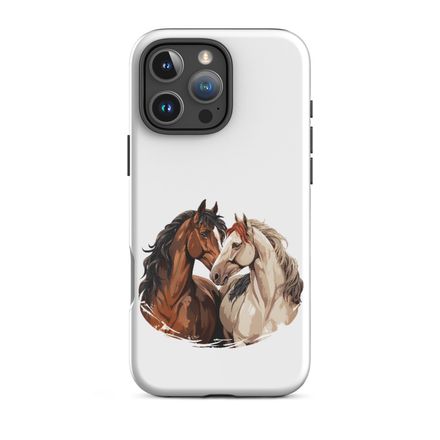
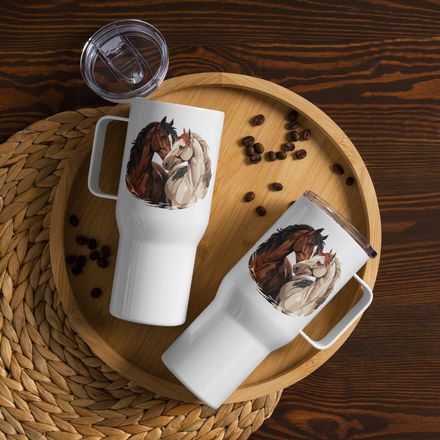
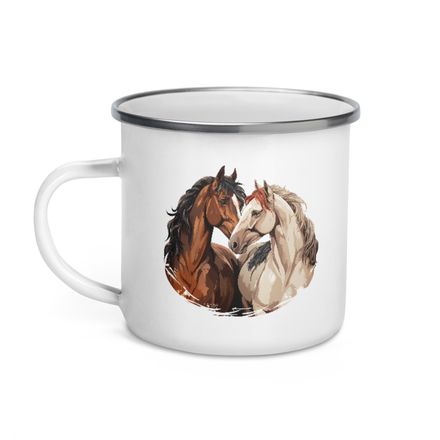
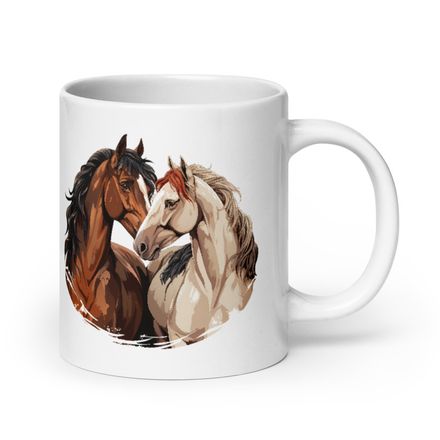
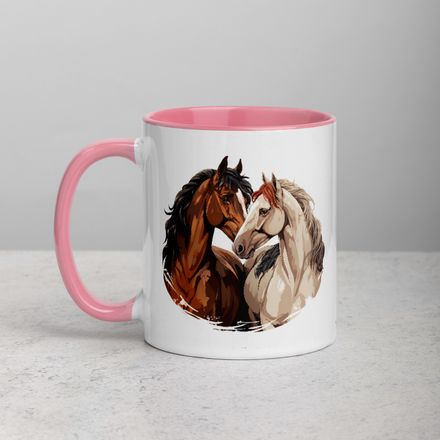
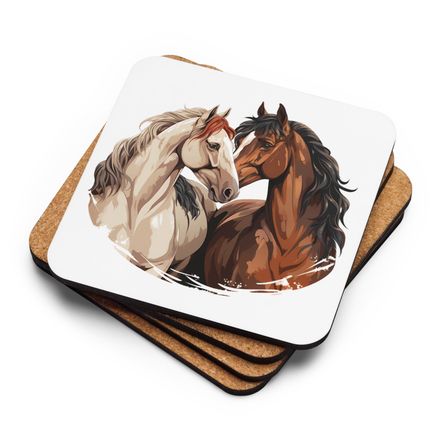
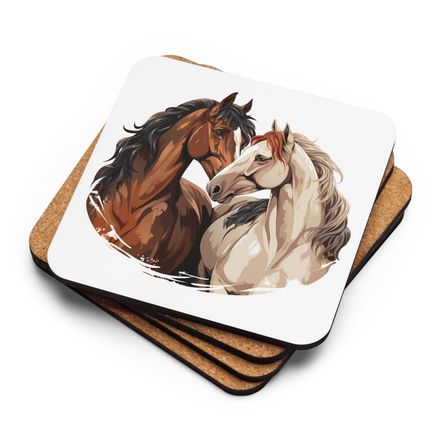
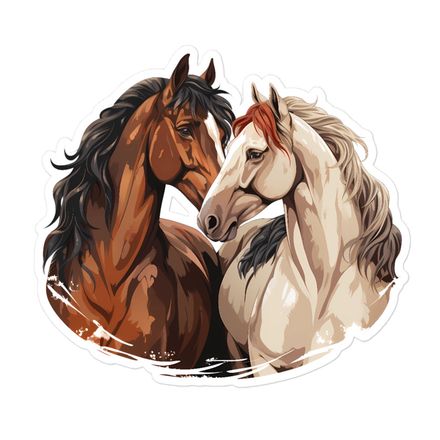
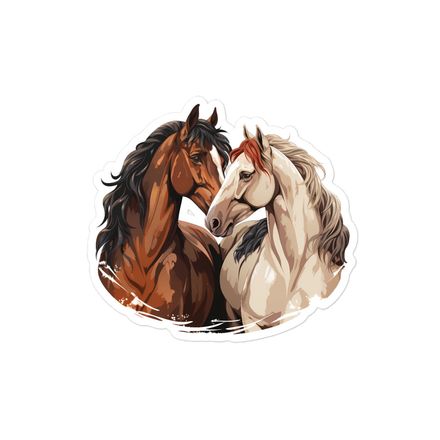
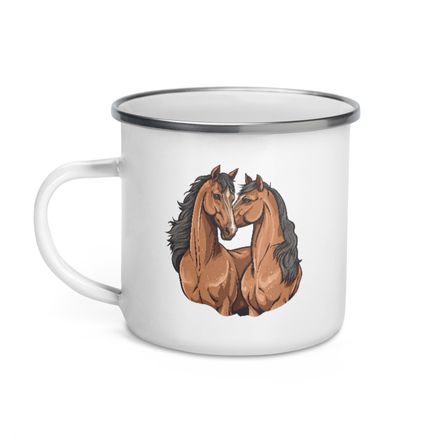
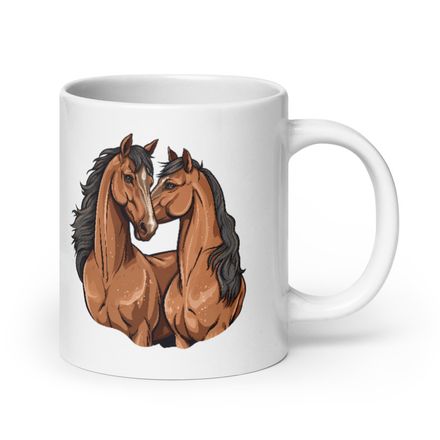
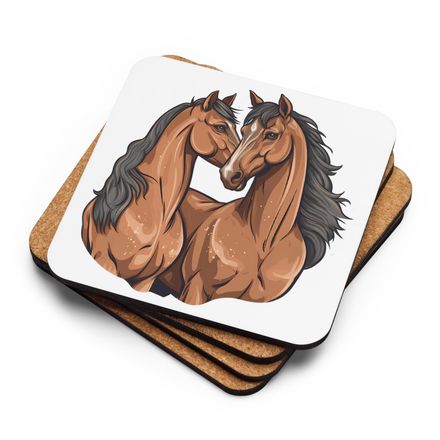
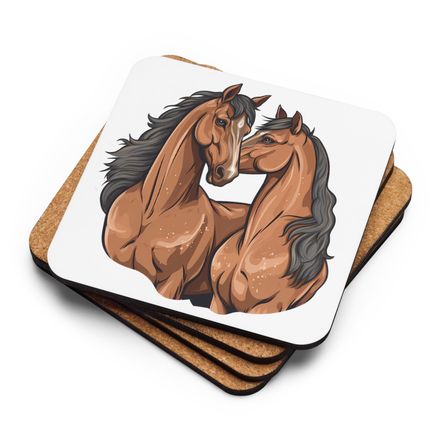
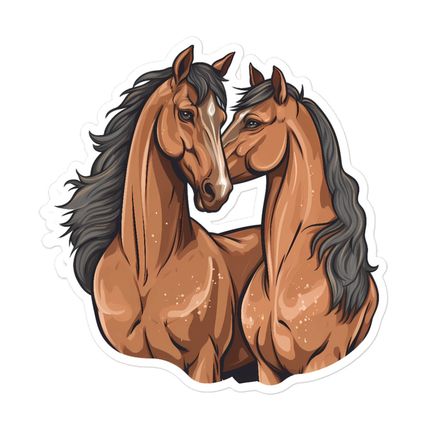
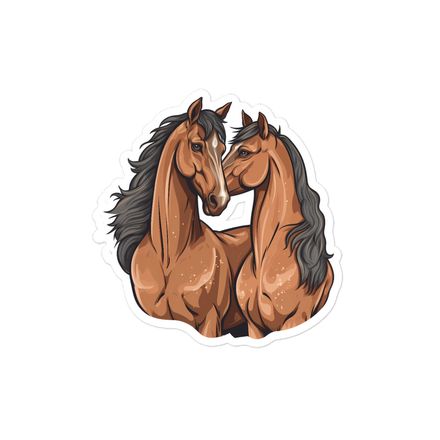
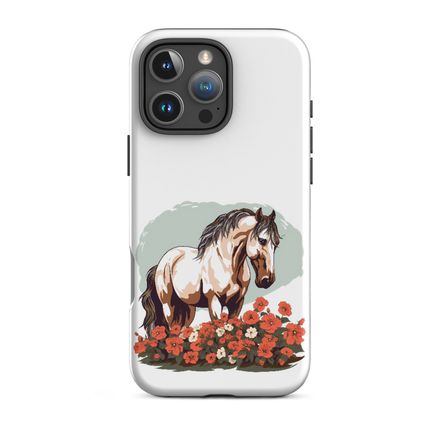
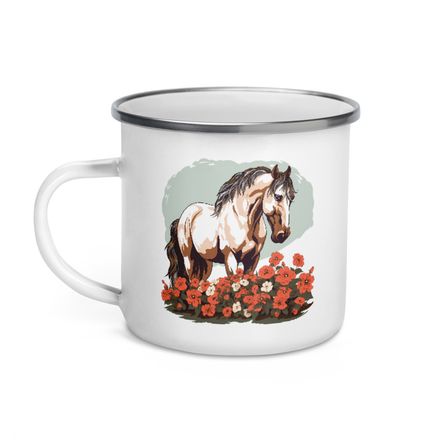
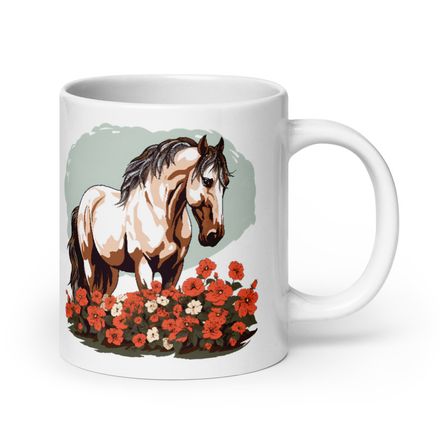
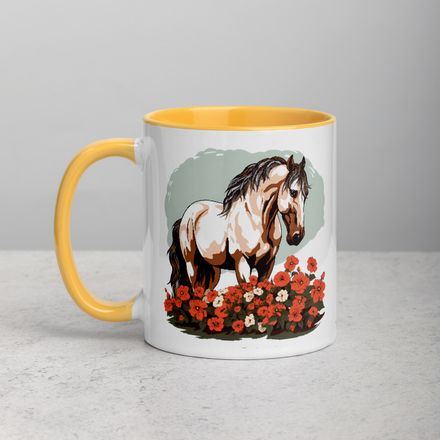
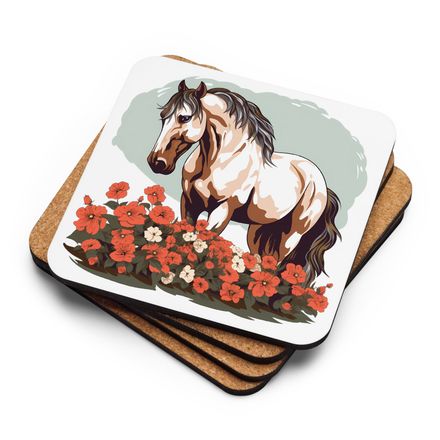
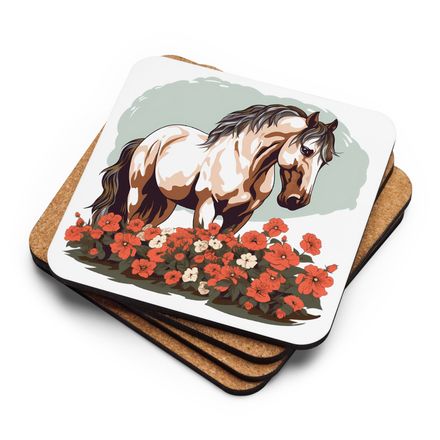
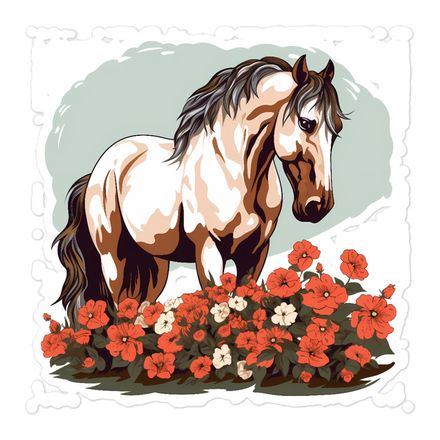
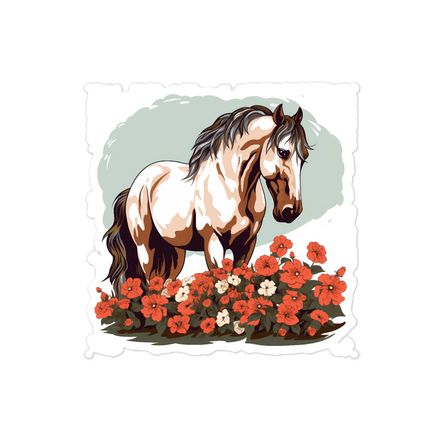
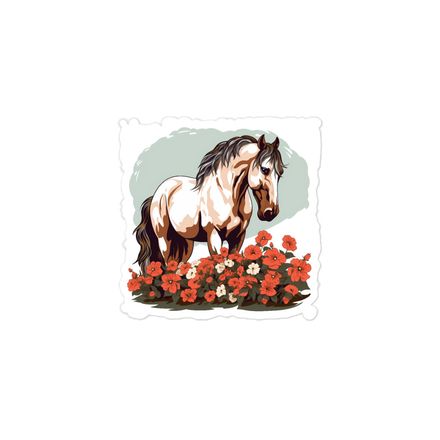
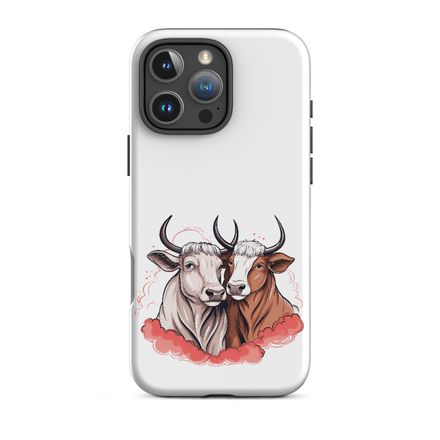
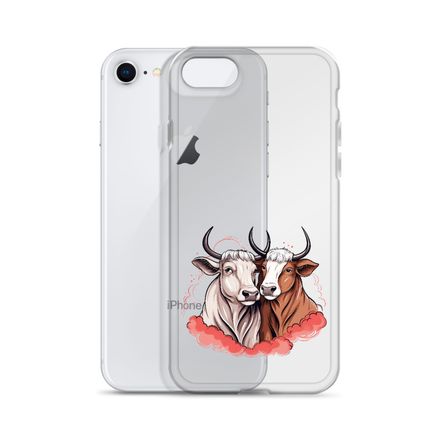
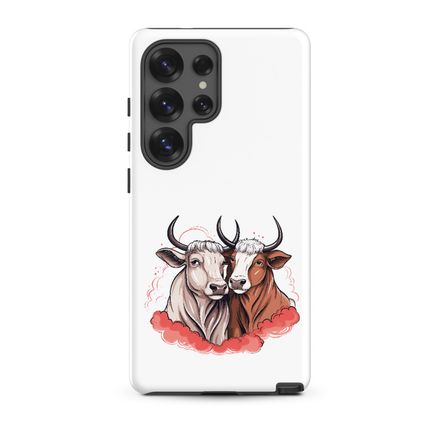
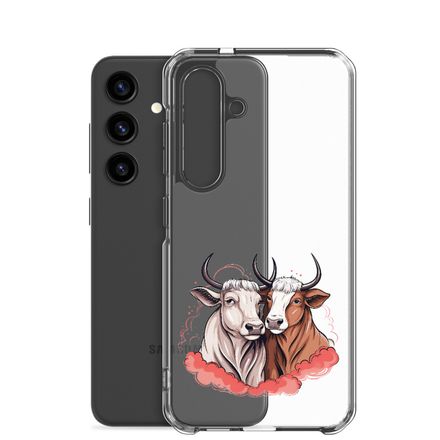
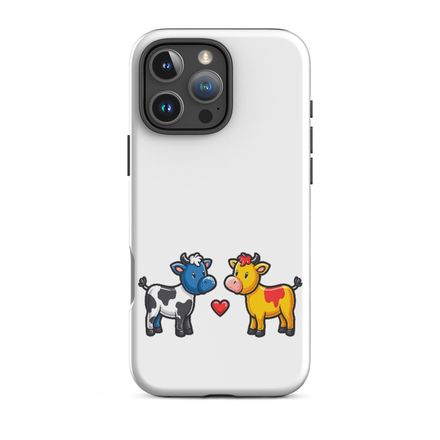
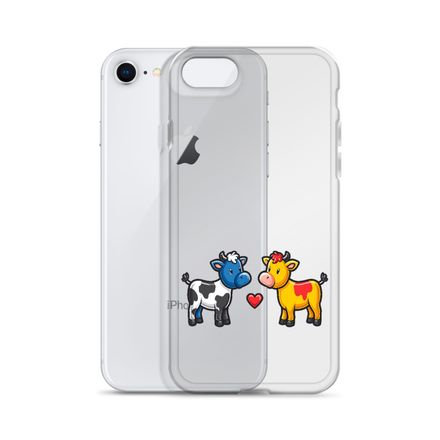
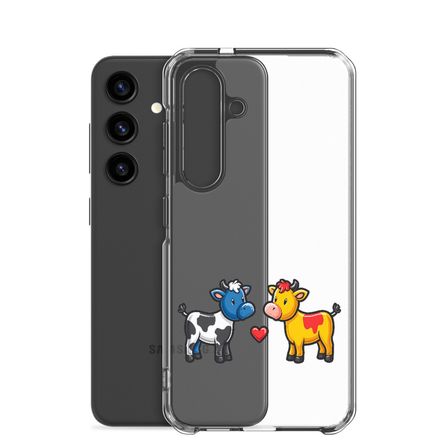
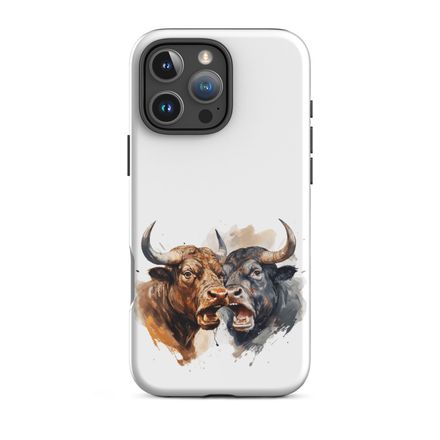
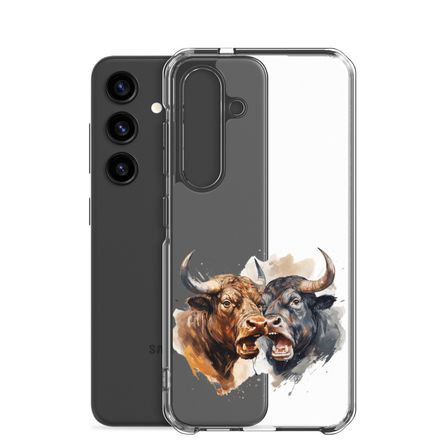
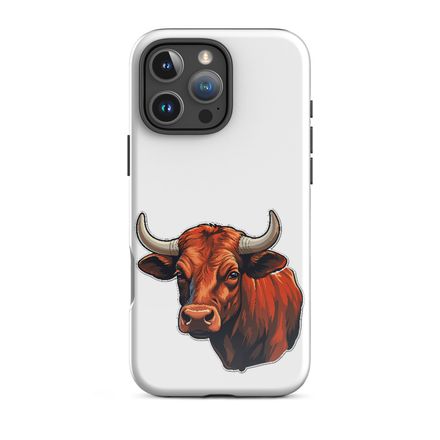
We keep adding images as will as print-on-demand products of domestid farm animals as time goes on. The easiest way to keep up-to-date is to subscribe to our newsletter.
If you would like them applied to a particular kind of clothing item which is missing, then please contact us!
Simba Stickers Domestic Animal Facts Videos in English
For facts about domestic animals presented in a fun and informative way, kindly have a look at our videos below!
Video Shorts
Regular Videos
We also have domestic animal videos available in French (regular/shorts), German (regular/shorts), Italian (regular/shorts) and Latin (regular/shorts).
Go to the Simba Stickers English channel for all our videos!











































Subscribe to our newsletter
Get the latest news and updates straight to your inbox