
Donkey/Donkeys
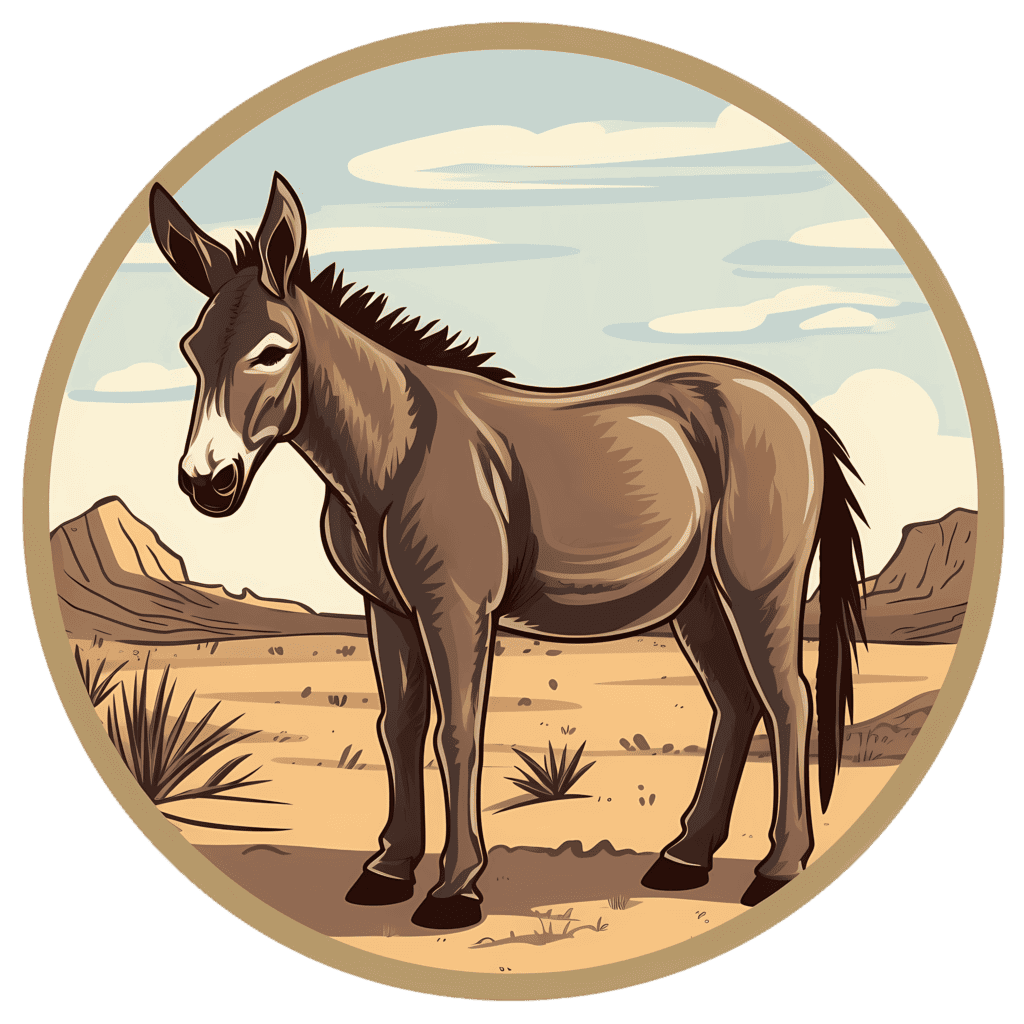
Donkeys, scientifically known as *Equus africanus asinus*, are domesticated descendants of the African wild ass (*Equus africanus*). A single animal is called a **donkey**, while a group can be referred to as a **herd**, **pace**, or **drove** of donkeys. The male is known as a **jack**, the female as a **jenny** (or **jennet**), and the young are called **foals**—with male offspring termed **jack foals** and females **jennet foals**. Donkeys are hardy, sure-footed animals with long ears, a short upright mane, sturdy legs, and a distinctive coat that ranges from gray to brown or black, often marked with a dark dorsal stripe and shoulder cross. Compared to horses, they are smaller, more compact, and remarkably resilient, capable of thriving on sparse vegetation and in harsh climates. They have excellent memories, strong survival instincts, and a reputation for caution and intelligence—often described as "stubborn," though this trait reflects their strong sense of self-preservation and careful decision-making. As herbivores, they graze on grasses, weeds, and shrubs, and are highly efficient at extracting nutrients from low-quality forage.
Donkeys originated in the arid regions of North Africa and the Horn of Africa, where their ancestors evolved to survive in hot, dry environments with limited water and food. Today, they inhabit a wide range of climates across Africa, Asia, the Middle East, Europe, and the Americas—especially in rural and agricultural areas where they serve as working animals. They are commonly found in mountainous terrain, deserts, and smallholder farms, valued for their ability to carry heavy loads, pull carts, and travel long distances over rough ground. While not classified into subspecies, several **breeds** have been developed based on size, strength, and regional adaptation. The **Large Standard**, **Medium Standard**, and **Miniature** donkeys (the latter originating from Sicily) are recognized in many countries. The **Poitou donkey**, from France, is notable for its shaggy coat and historical use in mule production. Donkeys are also bred specifically to cross with horses: a male donkey (jack) and a female horse produce a **mule**, while a female donkey (jenny) and a male horse produce a **hinny**—both hybrids prized for strength, endurance, and temperament. Feral populations exist in places like the American Southwest, Australia, and Mediterranean islands, where they sometimes impact native vegetation if unmanaged.
Culturally, donkeys hold deep significance across civilizations. In ancient Egypt, they were symbols of status and used in trade and agriculture. In the Bible, the donkey is associated with humility and peace—Jesus entered Jerusalem riding a donkey, and the animal appears in stories of prophets and laborers. In many traditional societies, donkeys are indispensable partners in daily life, transporting goods, water, and people in areas without roads or vehicles. Despite their vital role, they are often underappreciated and subjected to overwork or poor care. Ecologically, donkeys help maintain open landscapes through grazing, which can prevent brush encroachment and reduce fire risk. However, in fragile ecosystems, feral herds may contribute to soil erosion and competition with native species if populations grow unchecked. Conservation and welfare efforts now emphasize humane treatment, sustainable use, and recognition of the donkey’s quiet but essential contributions. Revered for their patience, resilience, and loyalty, donkeys remain enduring symbols of quiet strength and service—unsung heroes in both human history and rural economies around the world.
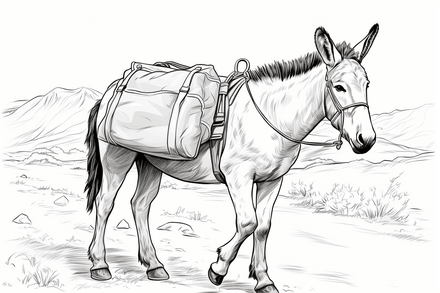
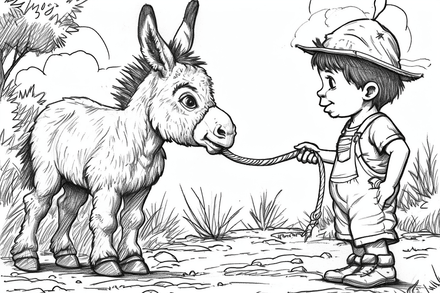
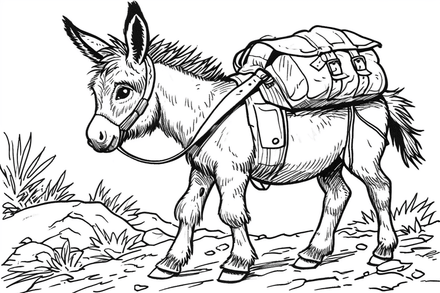
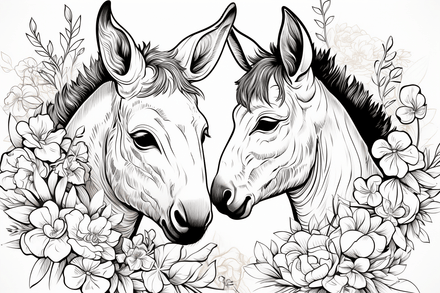
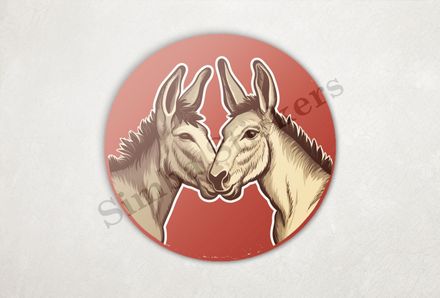
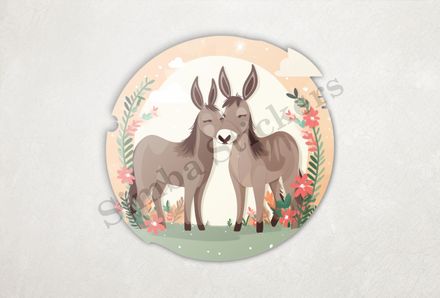
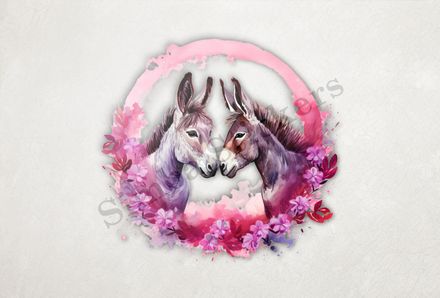
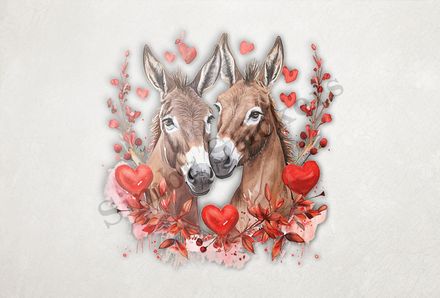
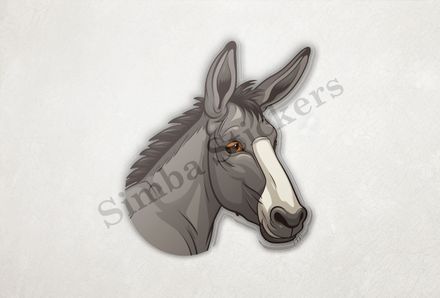
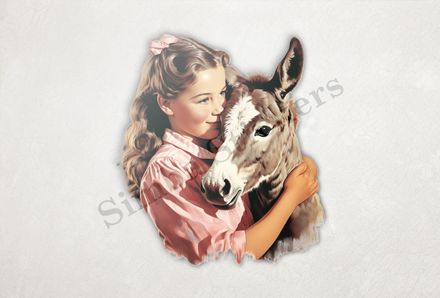
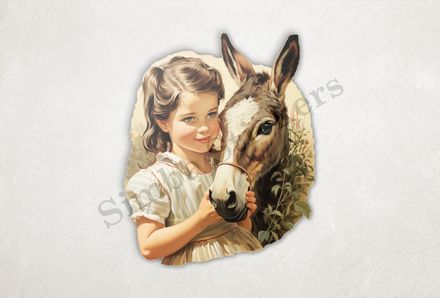
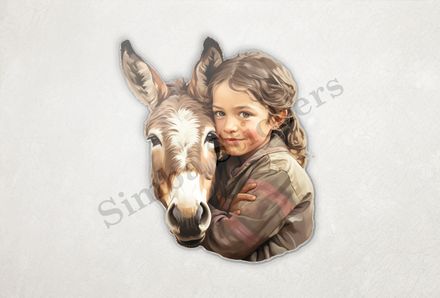
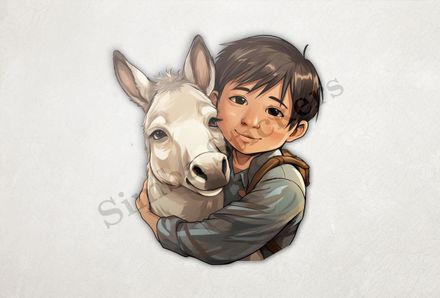
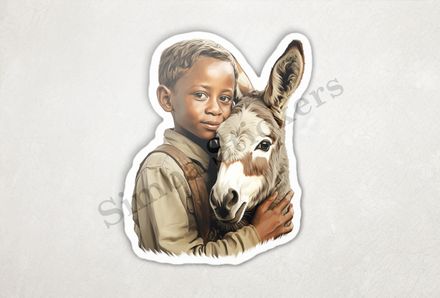
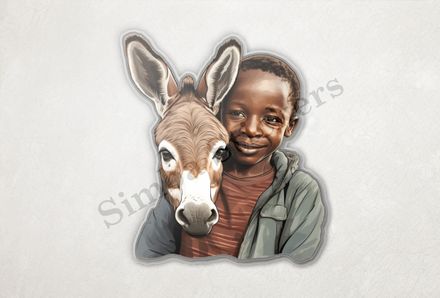
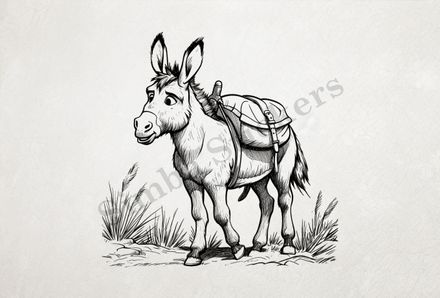
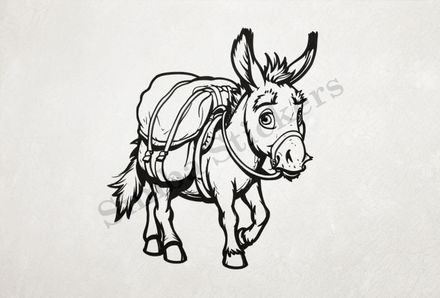
We keep adding images as will as print-on-demand products of donkeys as time goes on. The easiest way to keep up-to-date is to subscribe to our newsletter.
If you would like them applied to a particular kind of clothing item which is missing, then please contact us!
Simba Stickers Domestic Animal Facts Videos in English
For facts about wild animals presented in a fun and informative way, kindly have a look at our videos below!
Video Shorts
Regular Videos
We also have domestic animal videos available in French (regular/shorts), German (regular/shorts), Italian (regular/shorts) and Latin (regular/shorts).
Go to the Simba Stickers English channel for all our videos!
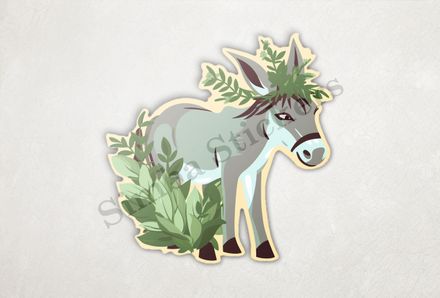
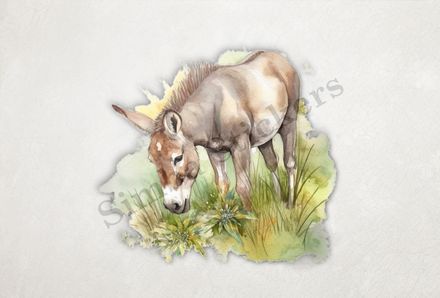
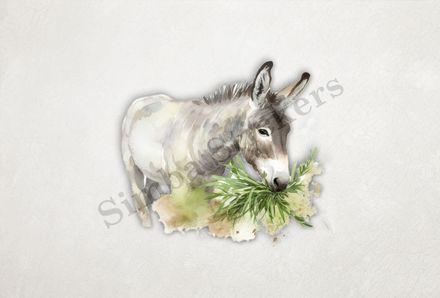
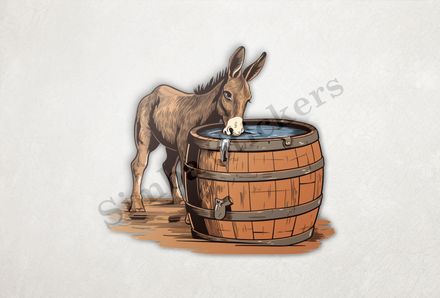
Donkey Products - digital/print-on-demand


Subscribe to our newsletter
Get the latest news and updates straight to your inbox