
Dragon/Dragons

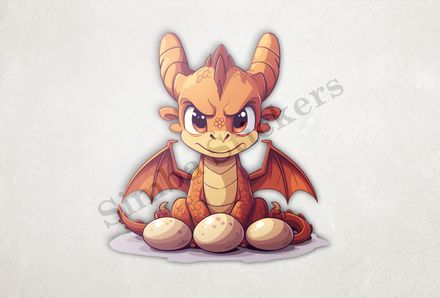
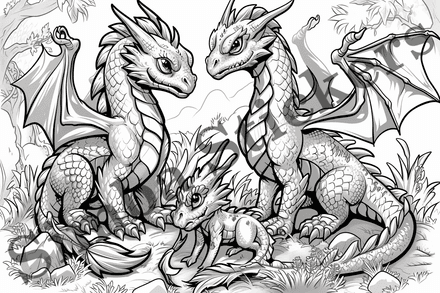
Dragons are legendary creatures that appear in the myths, folklore, and artistic traditions of cultures across the world—from Europe and the Middle East to Asia and the Americas. As mythical beings, they do not have a scientific name in the biological sense, but are often symbolically classified under imagined taxonomies such as *Draco mythicus* or *Wyvernus magnificus* in fantasy literature. A single creature is called a **dragon**, while multiple dragons may be referred to as a **flight**, **wey** (from Old English), **school**, or **thunder** of dragons—names that evoke their aerial majesty and power. Male and female dragons are sometimes distinguished in myth: males may be called **drakes**, while females are simply **dragons** or **wyrms**; in some modern fantasy worlds, terms like **sire** and **dam** are used for breeding pairs. The young are commonly known as **wyrmlings** or **hatchlings**, emerging from large, enchanted eggs after long incubation periods.
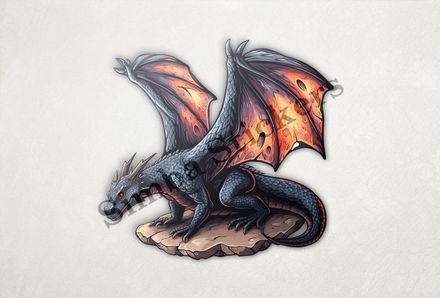
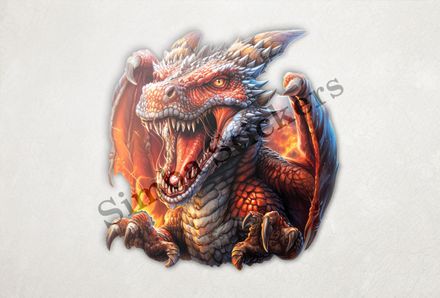
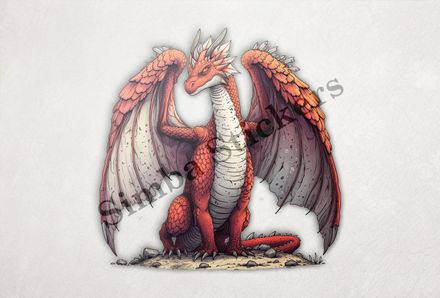
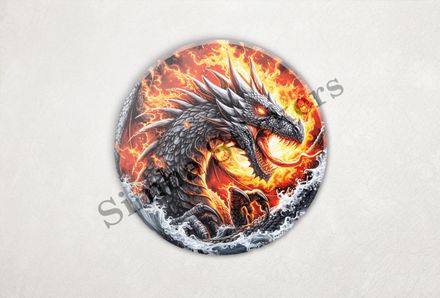
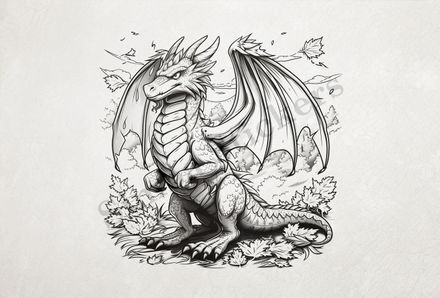
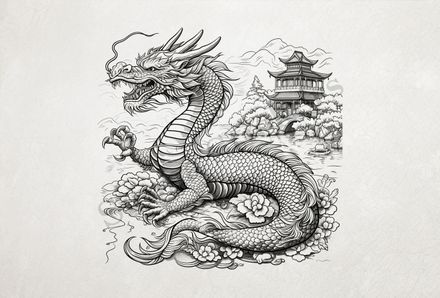
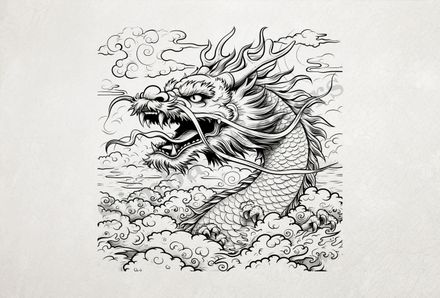
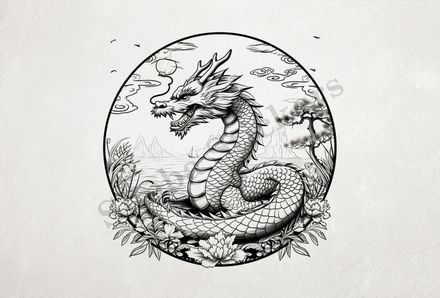
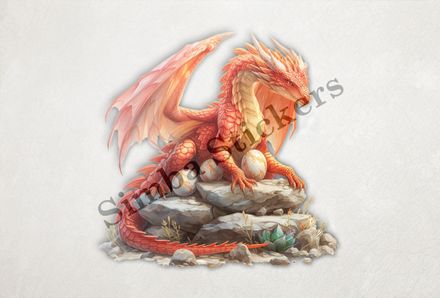
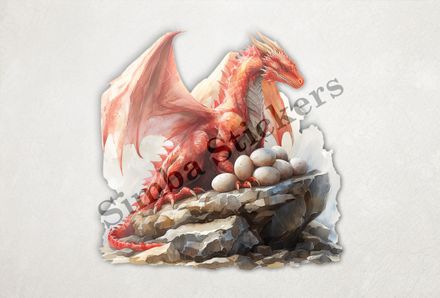
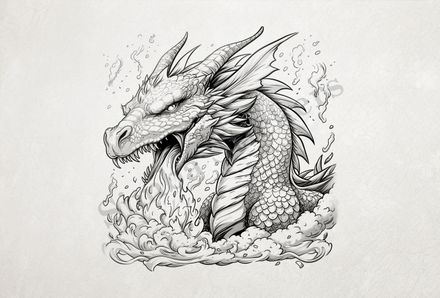
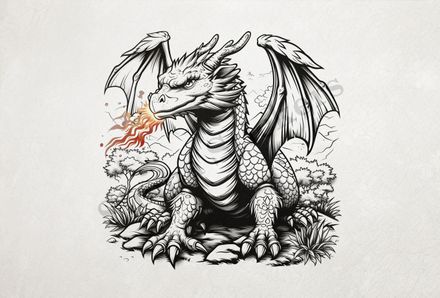
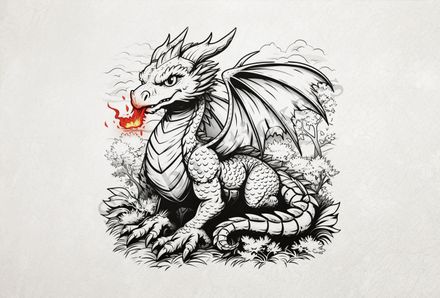
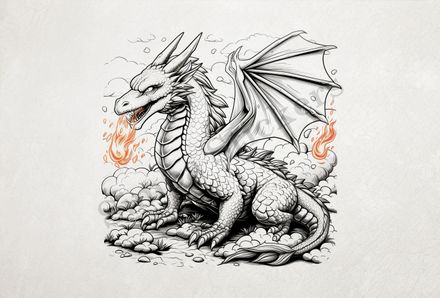
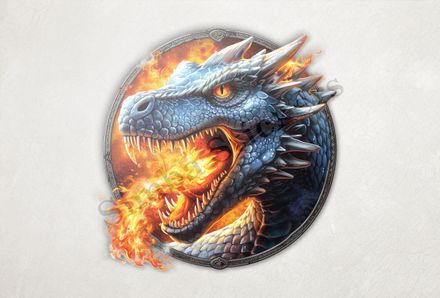
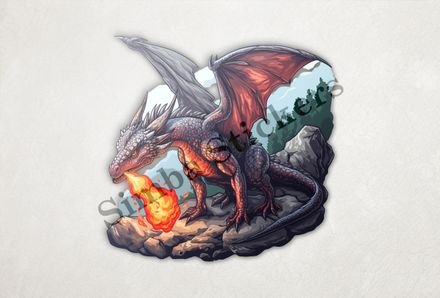
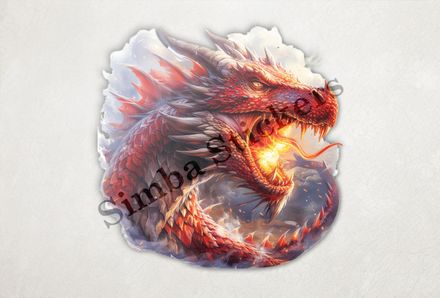
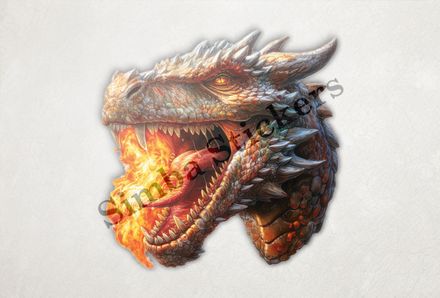
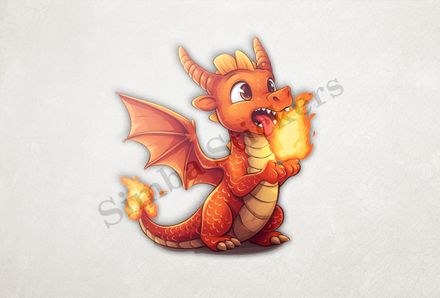
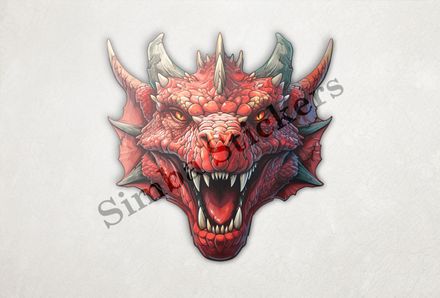
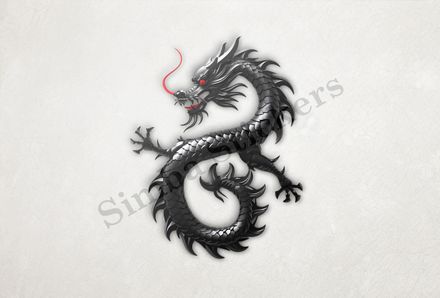
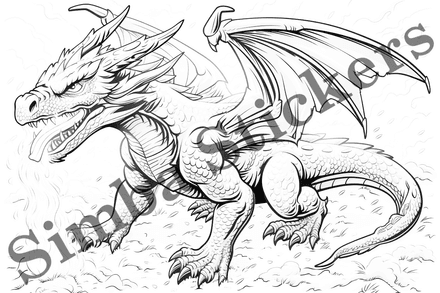
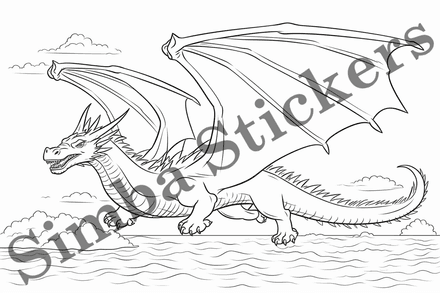
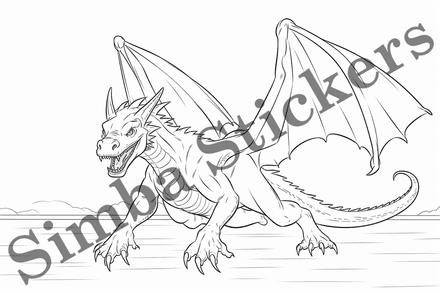
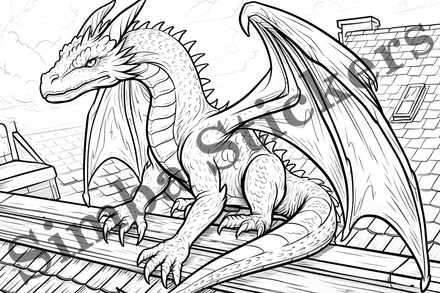
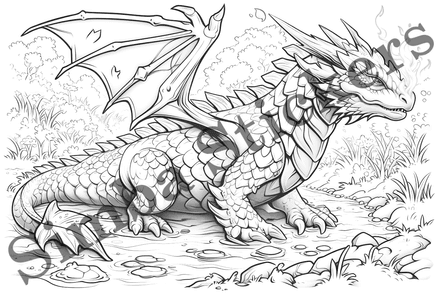
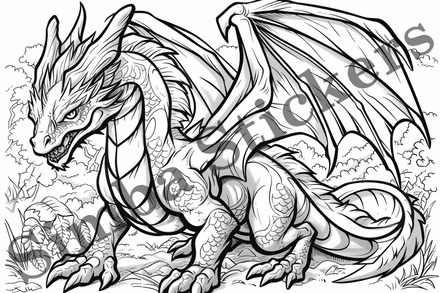
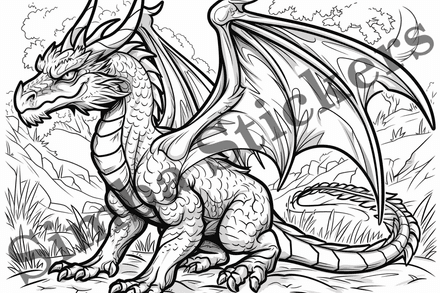
Dragons are depicted with a wide range of distinctive features depending on cultural origin. In **European tradition**, dragons are typically winged, fire-breathing reptilian beasts with four legs, armored scales, sharp claws, and glowing eyes—often guarding treasure in caves or castles. They symbolize chaos, strength, and danger, and heroes like Saint George are famed for slaying them. In contrast, **East Asian dragons**—such as the Chinese *lóng* or Japanese *ryū*—are serpentine, wingless beings with long, coiling bodies, flowing manes, and whiskers. They are associated with water, wisdom, and imperial power, often bringing rain and protecting sacred places. Some dragons are said to breathe ice, lightning, or poison instead of fire, and many possess magical intelligence, longevity, and even the ability to shapeshift. Habitats vary widely in legend: European dragons dwell in dark mountains, deep forests, or abandoned fortresses, while Asian dragons inhabit clouds, rivers, oceans, or celestial realms. Though no true subspecies exist, mythologies describe distinct types—such as forest dragons, sea serpents, desert wyrms, or celestial drakes—each adapted to their elemental domain.
Culturally, dragons hold immense significance as symbols of both destruction and divine power. In China, the dragon is a national emblem representing prosperity, authority, and cosmic balance, celebrated during festivals like Chinese New Year. In Norse mythology, the dragon Níðhöggr gnaws at the roots of Yggdrasil, the World Tree, embodying decay and renewal. In Western medieval tales, dragons often represent sin or temptation, defeated by saints and knights as metaphors for moral triumph. Today, dragons dominate fantasy literature, film, and games—from Smaug in *The Hobbit* to Drogon in *Game of Thrones*—embodying mystery, freedom, and primal force. While dragons play no literal role in ecosystems, they serve a profound symbolic one: inspiring awe, teaching lessons about hubris and courage, and bridging the human imagination with the unknown. Whether feared or revered, dragons endure as timeless icons—creatures of fire and flight that live not in forests or skies, but in the heart of human storytelling, where they continue to soar across generations.
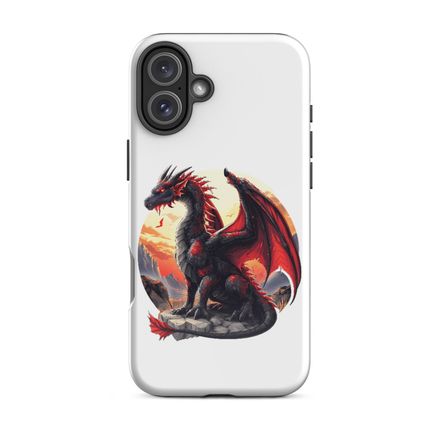
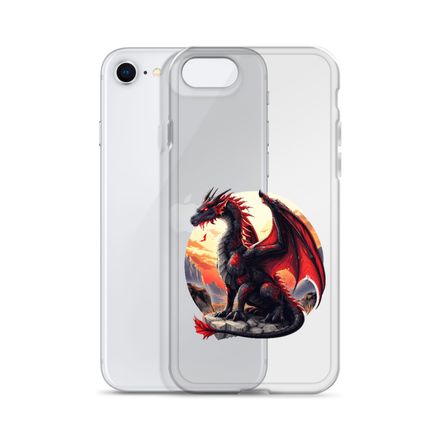
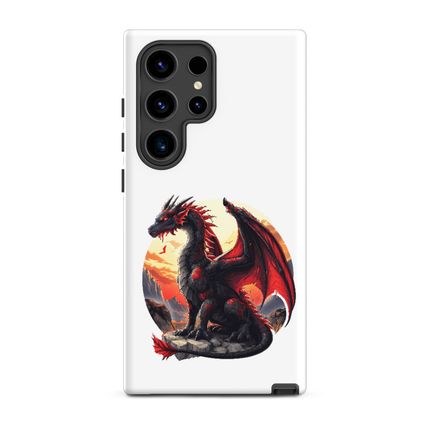
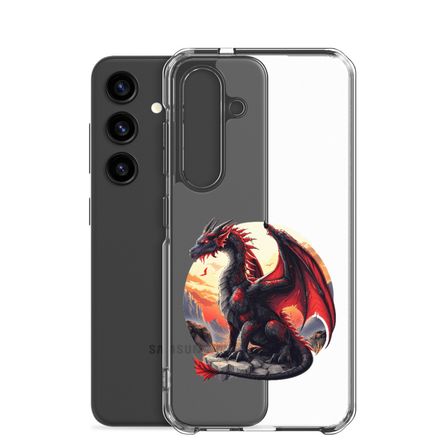
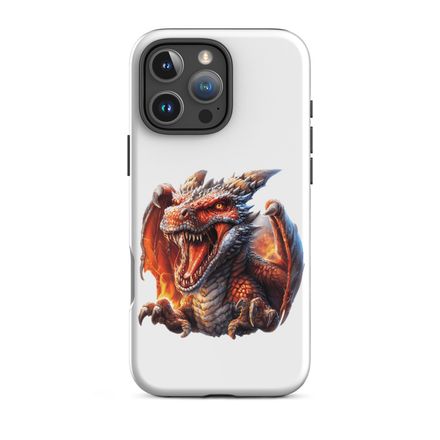
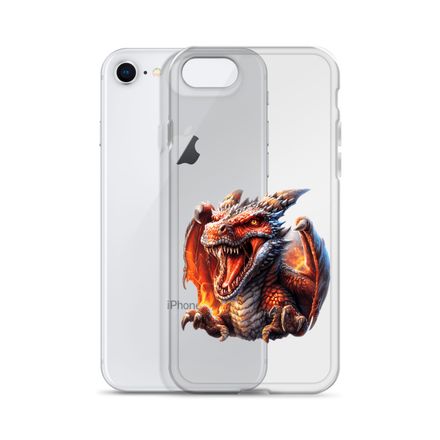
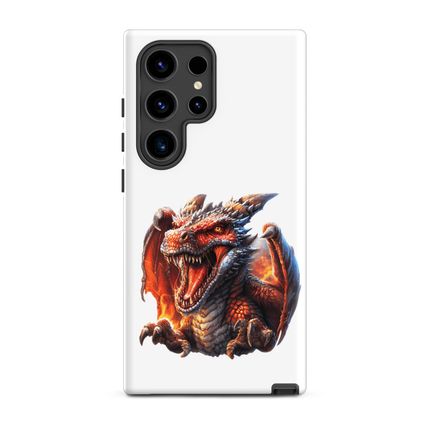
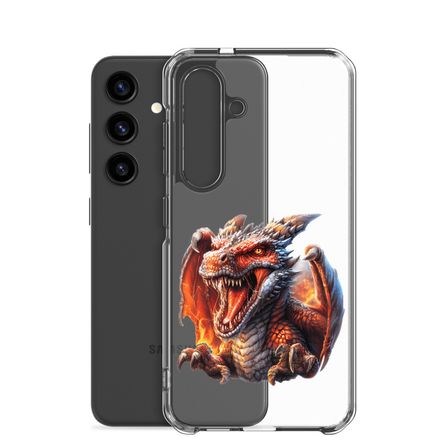
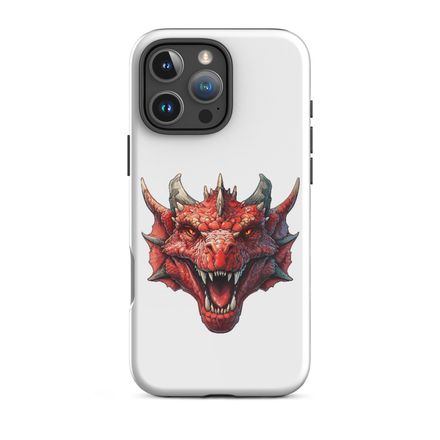
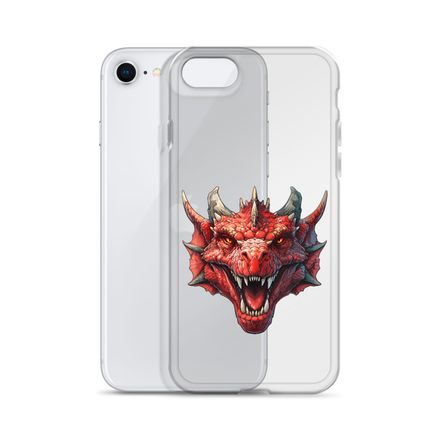
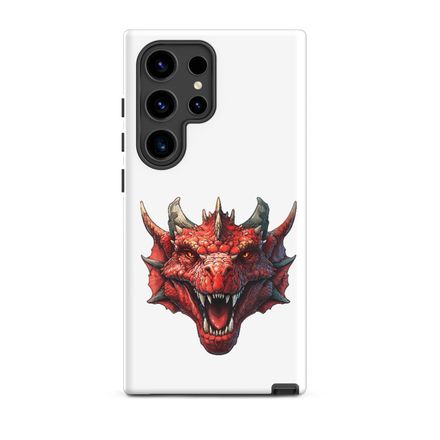
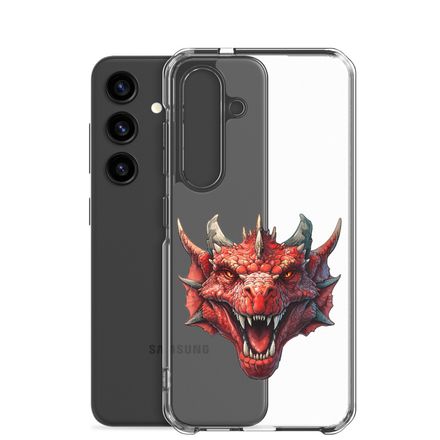
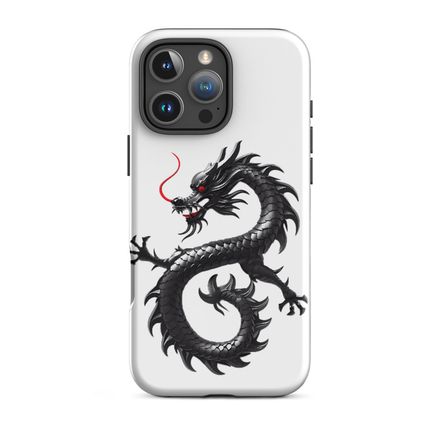
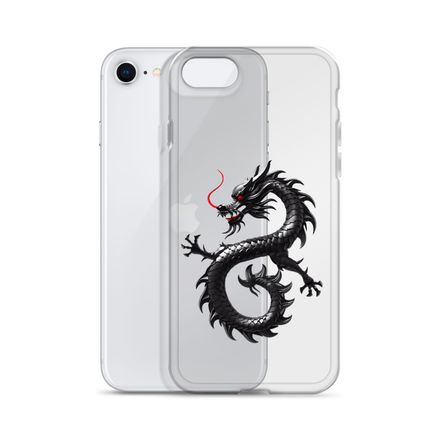
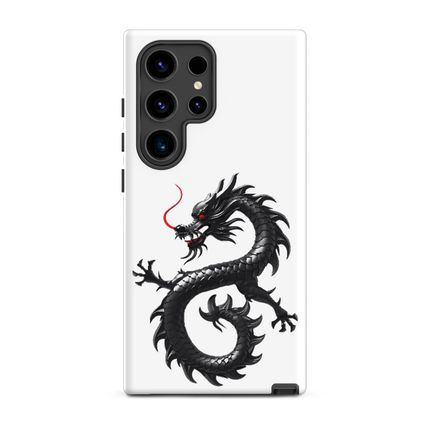
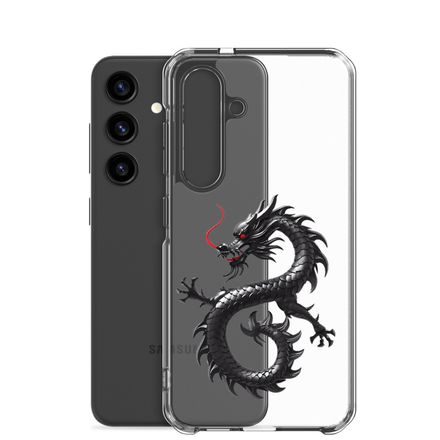
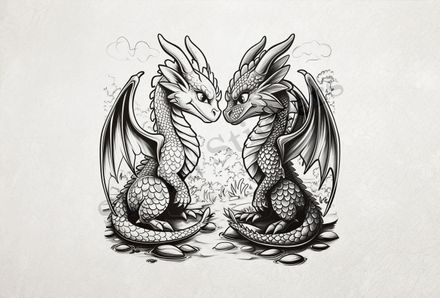
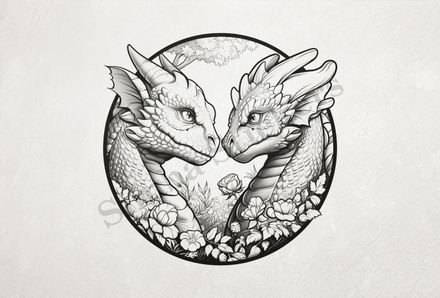
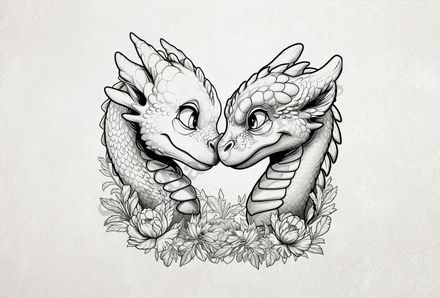
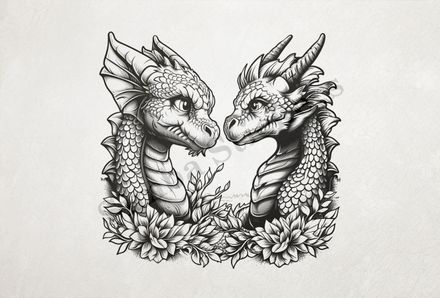
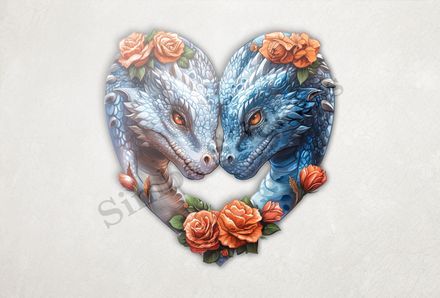
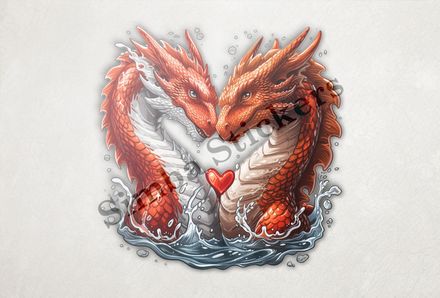
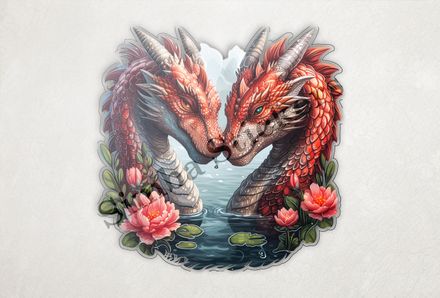
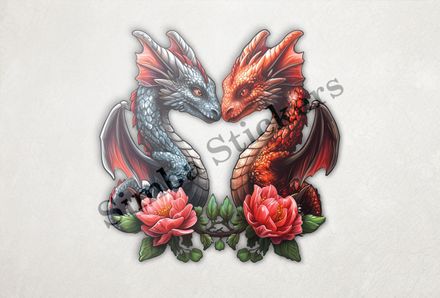
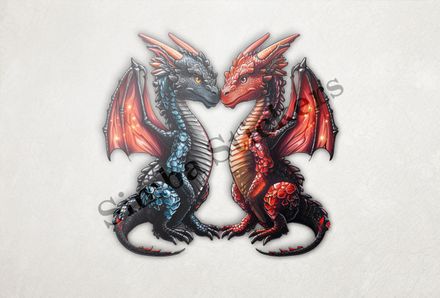
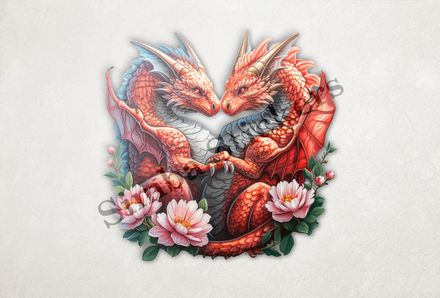
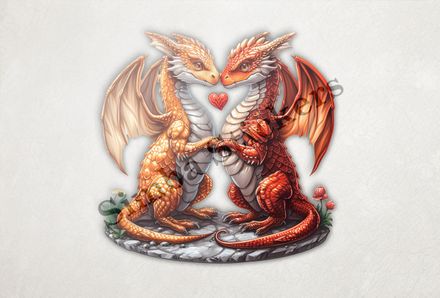
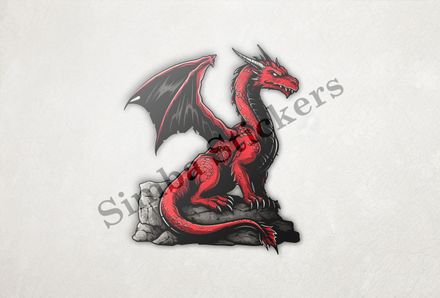
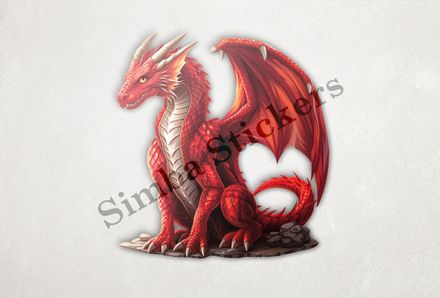
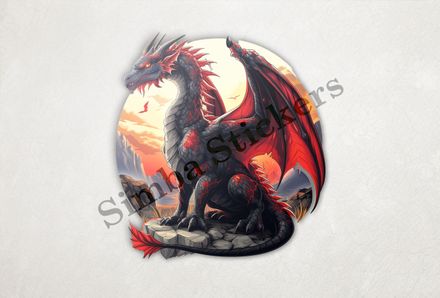
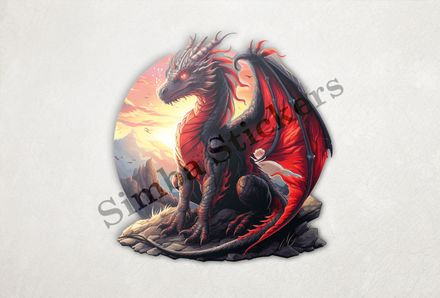
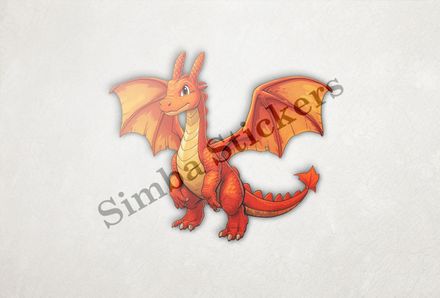
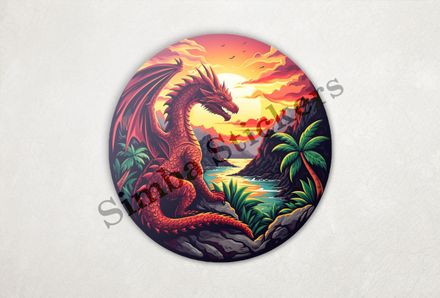
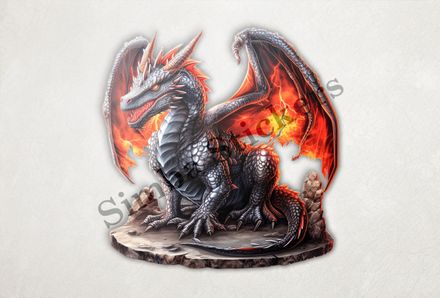
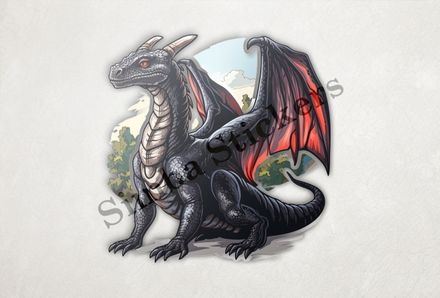
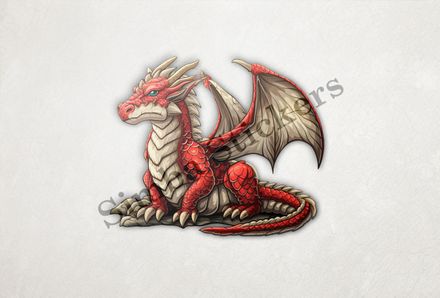
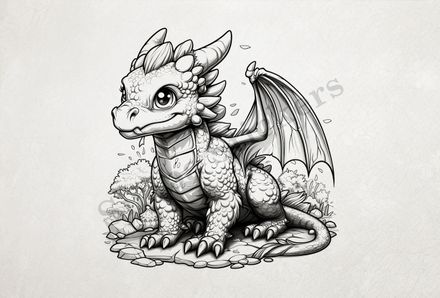
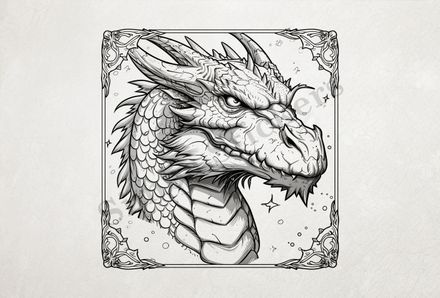
We keep adding images as will as print-on-demand products of dragons as time goes on. The easiest way to keep up-to-date is to subscribe to our newsletter.
If you would like them applied to a particular kind of clothing item which is missing, then please contact us!
Simba Stickers Reptile Facts Videos in English
For facts about reptiles presented in a fun and informative way, kindly have a look at our videos below!
Video Shorts
Regular Videos
We also have reptile videos available in French (regular/shorts), German (regular/shorts), Italian (regular/shorts) and Latin (regular/shorts).
Go to the Simba Stickers Animal Facts English language channel for all our videos!
Dragon Products - digital/print-on-demand







Subscribe to our newsletter
Get the latest news and updates straight to your inbox