
Elephant/Elephants
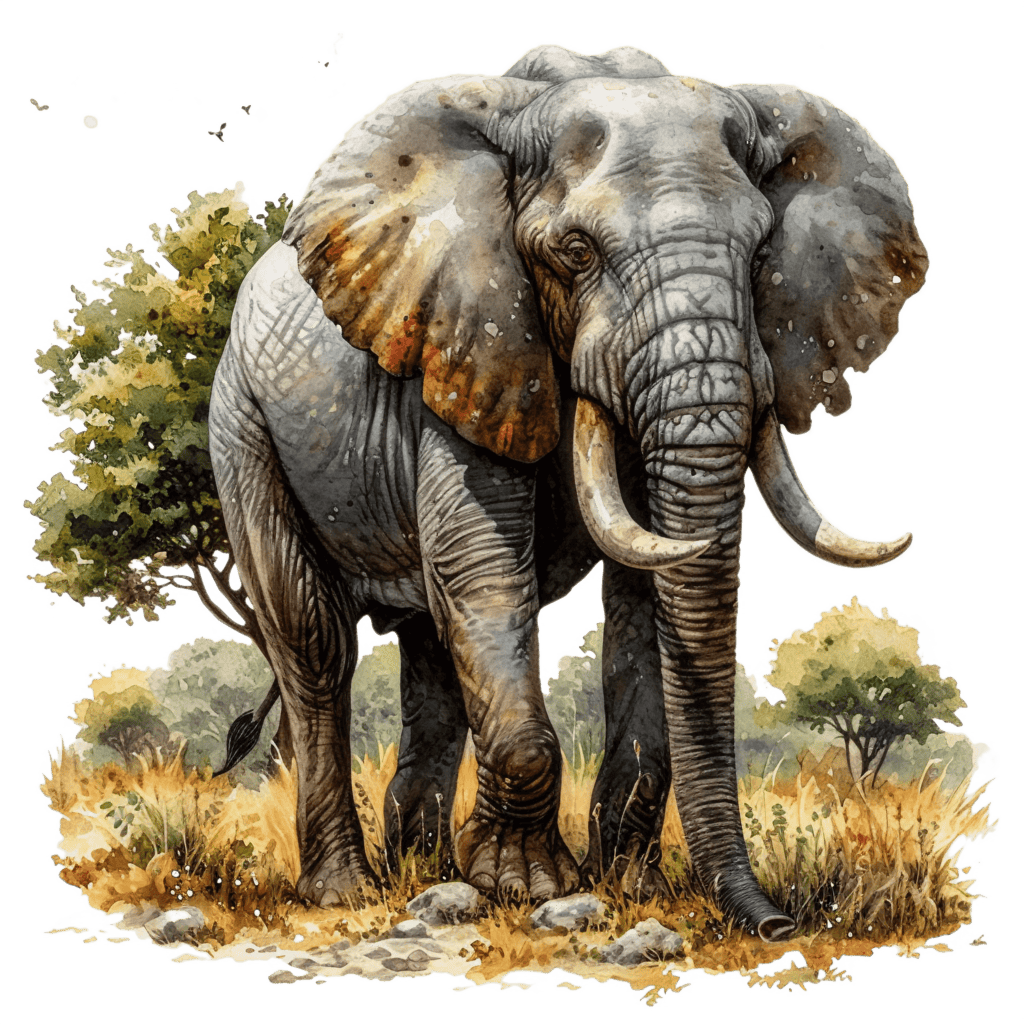
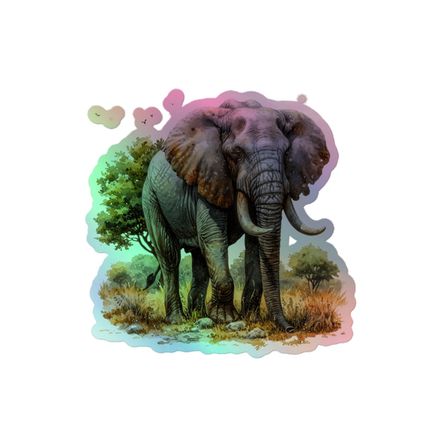
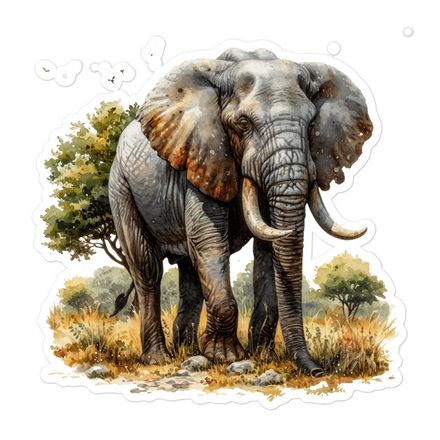
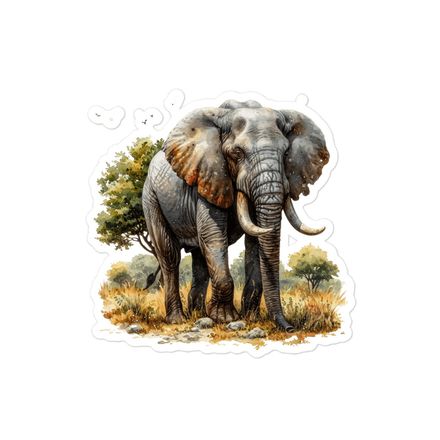
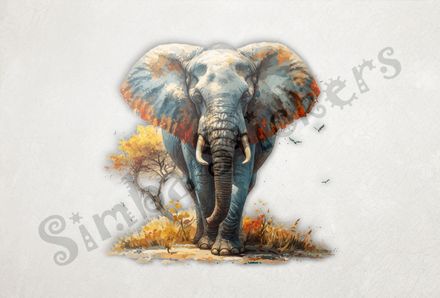
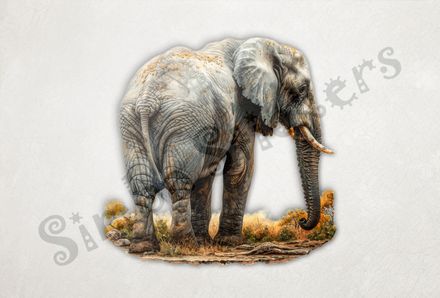
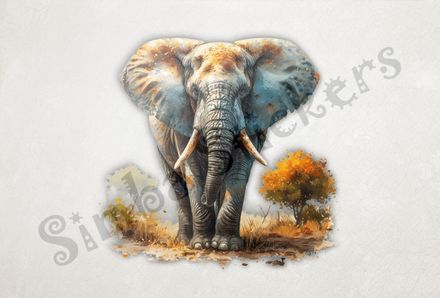
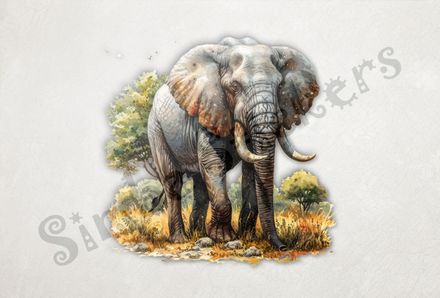
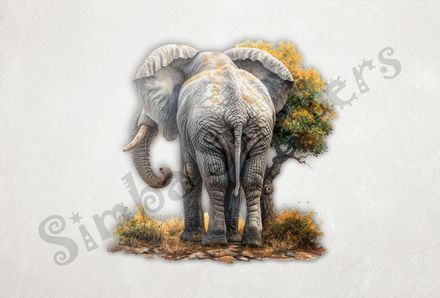
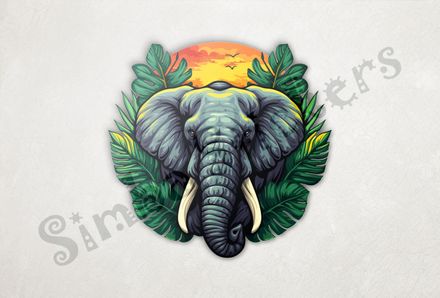
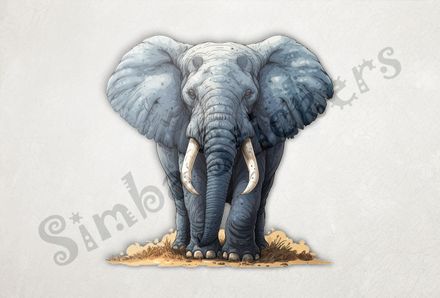
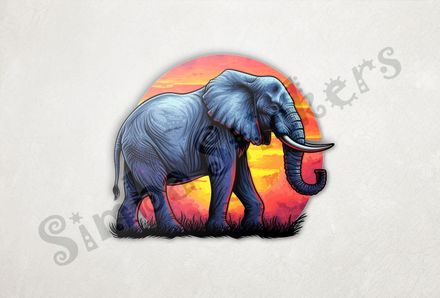
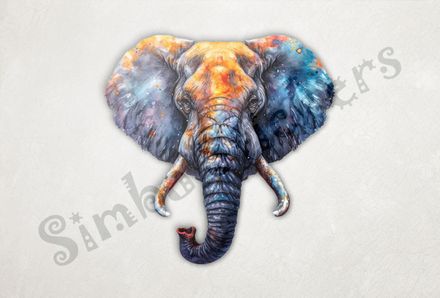
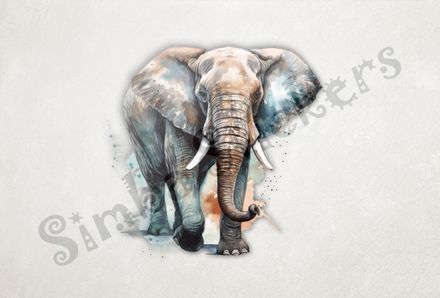
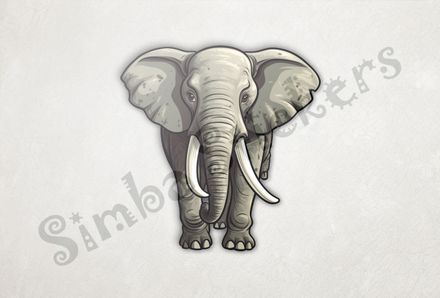
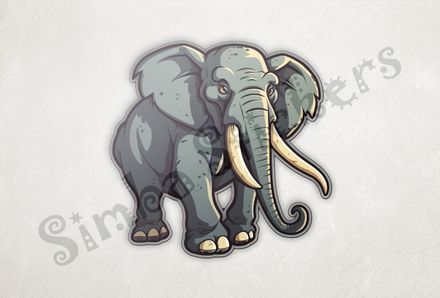
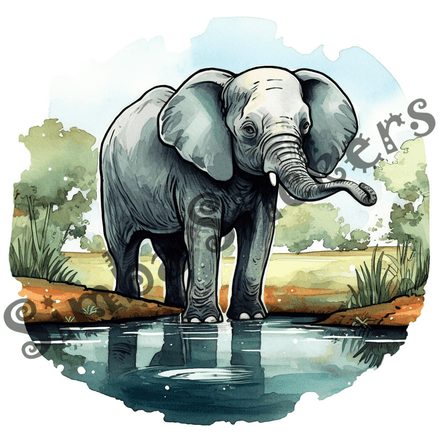
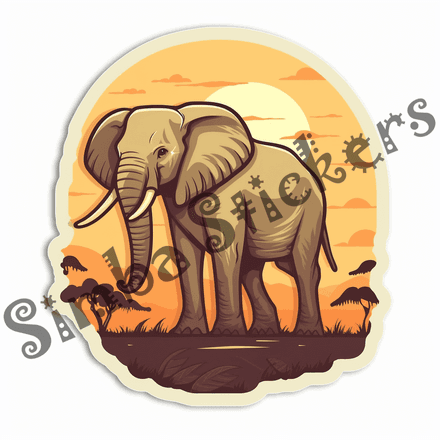
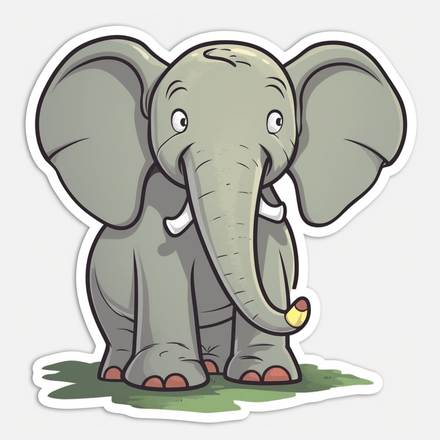
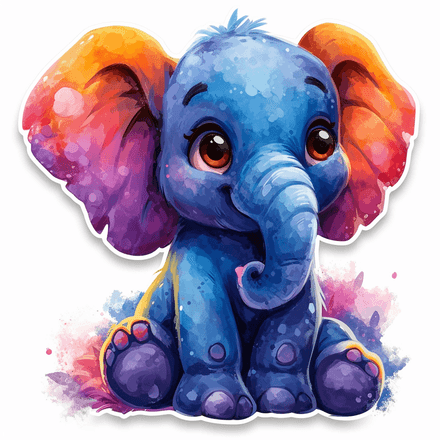
The African elephant (*Loxodonta africana*) and the Asian elephant (*Elephas maximus*) are the two extant species of this majestic land mammal, renowned as the largest terrestrial animals on Earth. African elephants are generally larger, with both males and females possessing tusks and large, fan-shaped ears that help dissipate heat. Asian elephants are slightly smaller, have smaller ears, and typically only males bear prominent tusks. Both species have a highly flexible trunk—a fusion of the nose and upper lip—that serves multiple functions, including breathing, smelling, drinking, grasping objects, and social communication. Their thick, wrinkled skin helps retain moisture and regulate body temperature, while their pillar-like legs support their massive weight, which can exceed 12,000 pounds (5,400 kg) in African elephants. Elephants are highly intelligent, exhibiting complex social behaviors, self-awareness, and long-term memory, which contributes to their survival and strong family bonds.
Elephants inhabit a range of environments across sub-Saharan Africa and South and Southeast Asia. African elephants are found in savannas, forests, deserts, and marshes, adapting to diverse climates and vegetation. Asian elephants primarily occupy tropical forests and grasslands in countries like India, Sri Lanka, and Thailand. As keystone species, elephants play a vital role in shaping their ecosystems. Through their feeding habits—uprooting trees, trampling vegetation, and dispersing seeds in their dung—they create clearings that promote plant diversity and enable other species to thrive. Their movements carve pathways used by other animals, and the water holes they dig become essential resources during dry seasons. By modifying landscapes, elephants enhance habitat heterogeneity, supporting a wide array of flora and fauna. Their extinction would trigger cascading ecological consequences, disrupting the balance of the environments they inhabit.
Culturally, elephants hold profound significance across many societies. In Hinduism, the elephant-headed god Ganesha symbolizes wisdom, prosperity, and good fortune, making elephants sacred in many Indian communities. In African traditions, elephants are often revered as symbols of strength, leadership, and ancestral wisdom. They feature prominently in folklore, art, and ceremonies across the continent and Asia. Historically, elephants were used in warfare, royal processions, and labor, showcasing their trainability and deep bond with humans. Today, they remain powerful cultural icons, representing peace, memory, and resilience. However, both species face severe threats from habitat loss, human-elephant conflict, and poaching for ivory, especially in Africa. The Asian elephant is classified as endangered, and the African elephant as endangered or vulnerable depending on the subspecies. Conservation efforts are critical not only to protect these intelligent giants but also to preserve their irreplaceable ecological functions and cultural legacy for future generations.
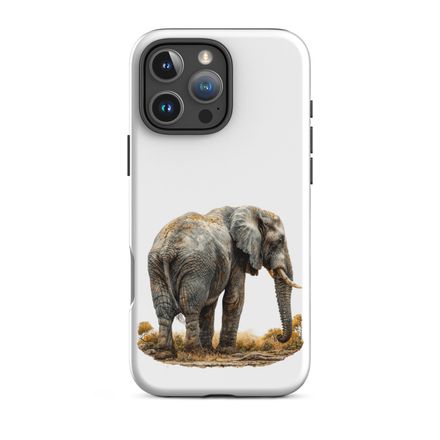
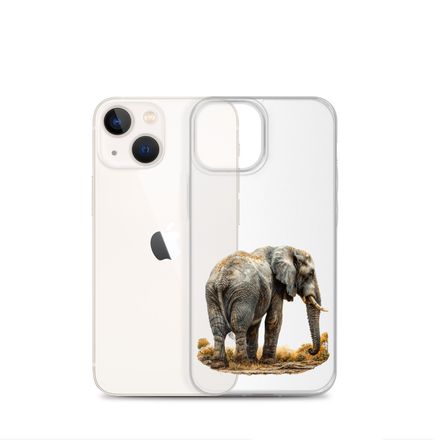
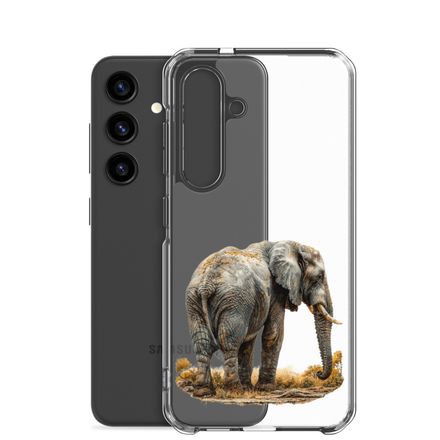
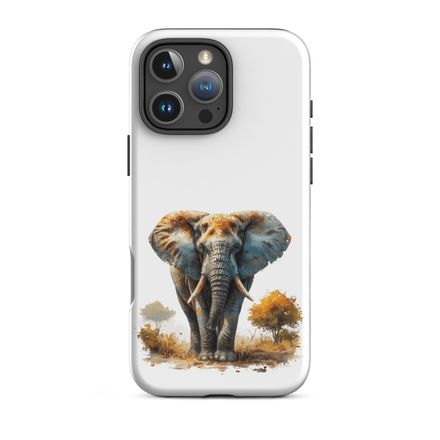
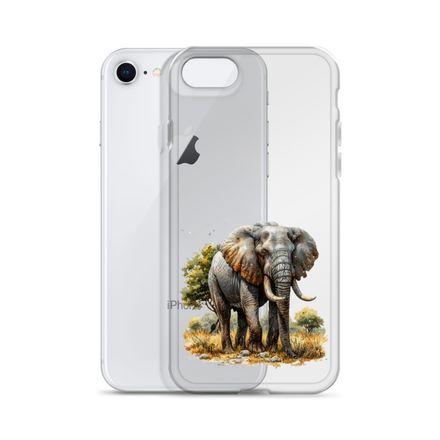
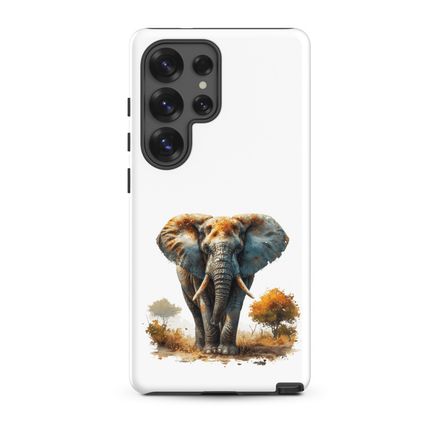
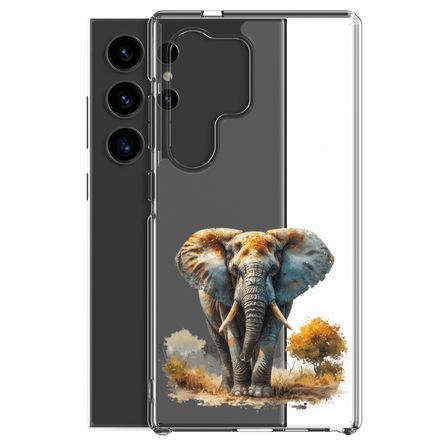
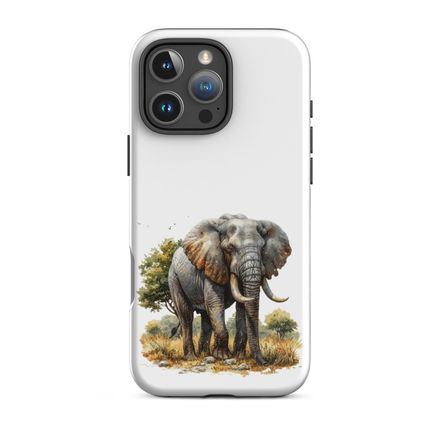
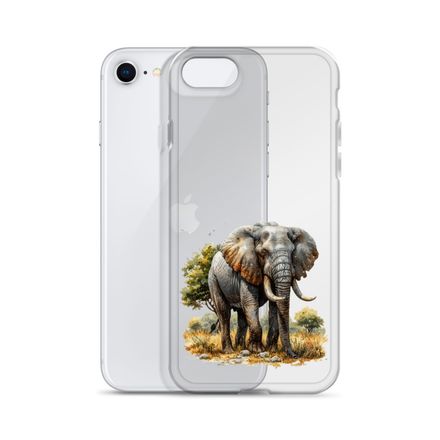
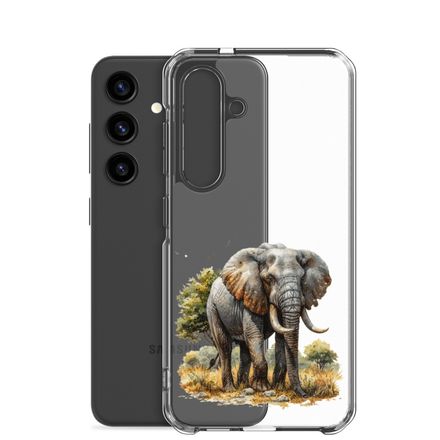
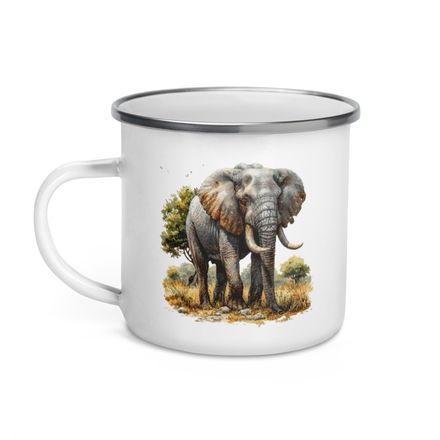
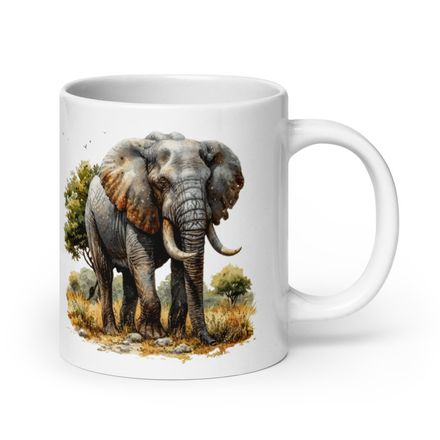
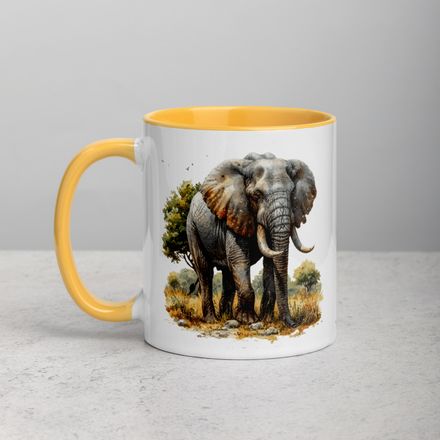
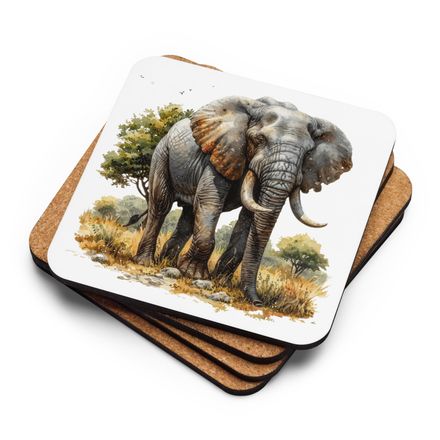
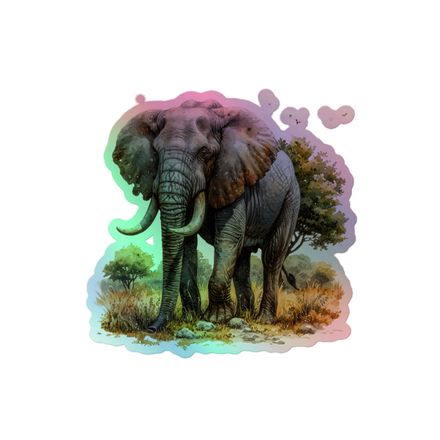
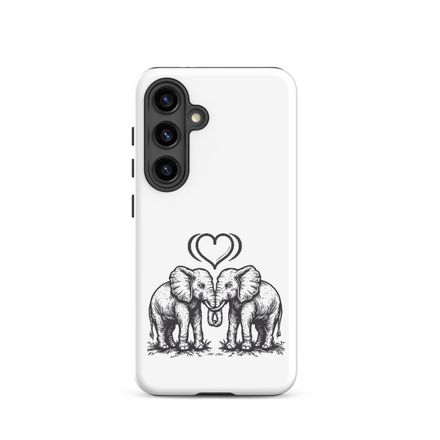
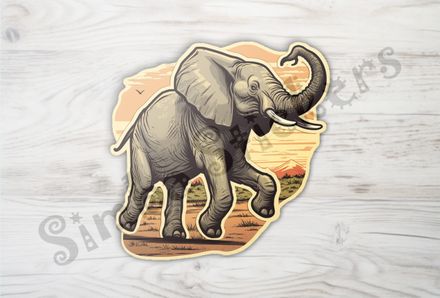
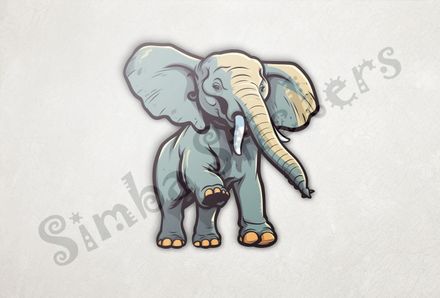
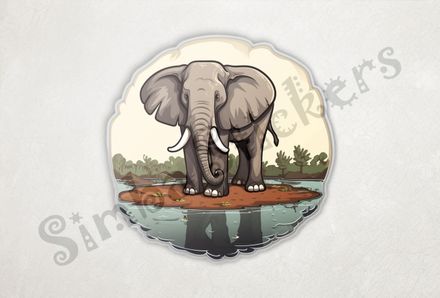
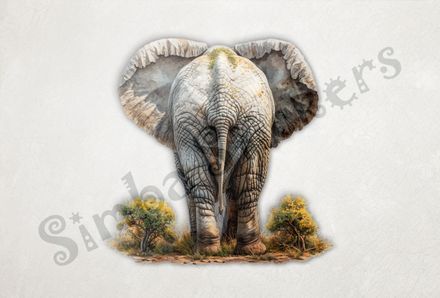
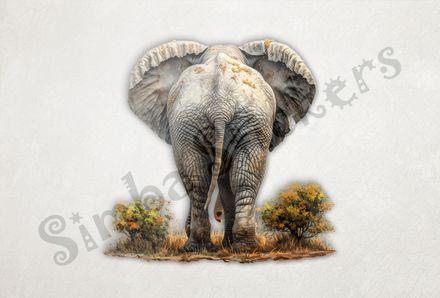
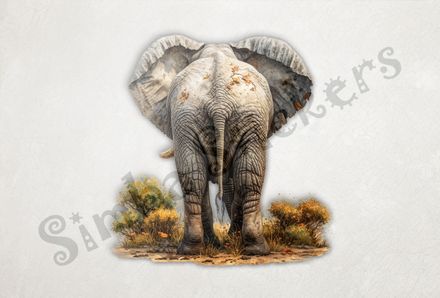
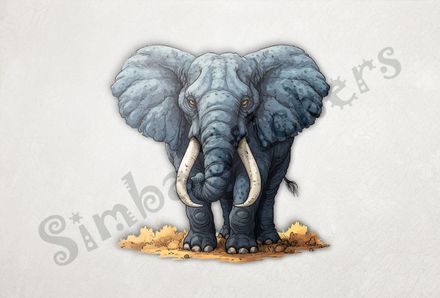
We keep adding images as will as print-on-demand products of elephants as time goes on. The easiest way to keep up-to-date is to subscribe to our newsletter.
If you would like them applied to a particular kind of clothing item which is missing, then please contact us!
Simba Stickers Elephant Facts Videos in English
For facts about elephants presented in a fun and informative way, kindly have a look at our videos below!
Video Shorts
Regular Videos
We also have elephant videos available in French (regular/shorts), German (regular/shorts), Italian (regular/shorts) and Latin (regular/shorts).
Go to the Simba Stickers English channel for all our videos!



























Subscribe to our newsletter
Get the latest news and updates straight to your inbox