
Fantasy Animals/Mythological Creatures

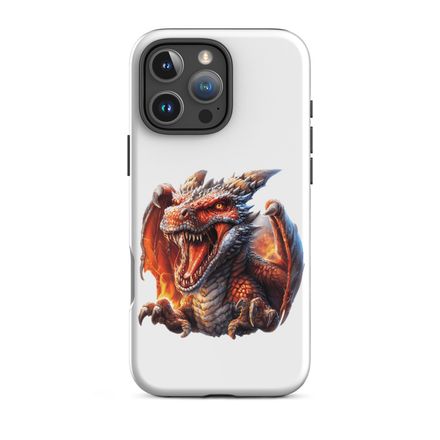
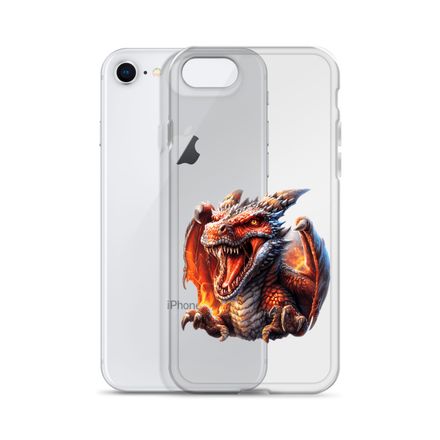
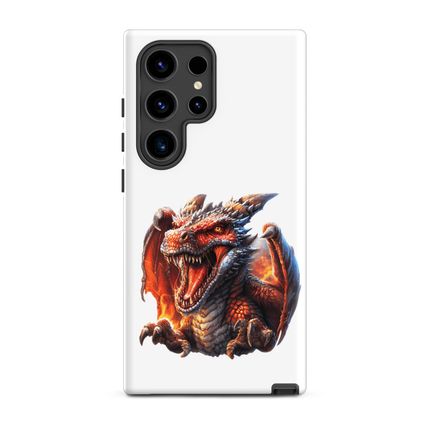
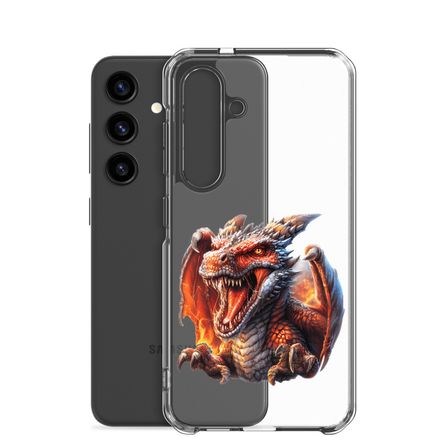
Fantasy animals or mythological creatures are legendary beings that originate from the folklore, religious traditions, and storytelling of cultures around the world. As fictional or symbolic entities, they do not possess formal scientific names in biological taxonomy, but imaginative classifications such as *Griffinus regalis* (griffin), *Pegasi volans* (pegasus), or *Cerberus infernalis* (Cerberus) are sometimes used in fantasy literature and speculative zoology. A single being is typically referred to by its specific name—such as a **centaur**, **mermaid**, or **dragon**—while groups may have poetic collective terms: a **blessing of unicorns**, a **gaze of sphinxes**, a **pod of merfolk**, or a **murder of harpies**. Gender distinctions vary by creature and mythos: male centaurs are often called **kentauroi**, while females (rarely depicted) might be termed **centaurides**; sirens and lamias are usually female, whereas minotaurs are traditionally male. Offspring, when mentioned, are given imaginative names like **hatchlings** (dragons), **foals** (unicorns), or **spawn** (chimeras), though many mythic beings are portrayed as immortal or non-reproducing.
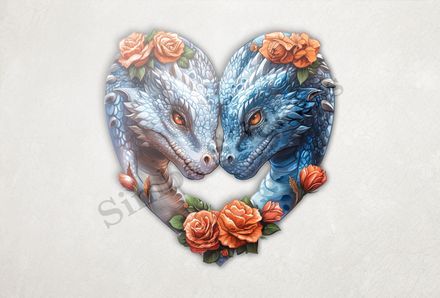
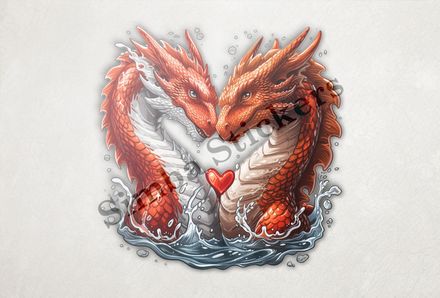
These creatures are defined by fantastical features that blend elements of real animals, humans, and supernatural forces. The **unicorn** has a single spiraling horn on its forehead and is associated with purity; the **griffin** combines the body of a lion with the head and wings of an eagle, symbolizing strength and vigilance; the **mermaid** has the upper body of a human and the tail of a fish, representing mystery and the depths of emotion. Many possess magical abilities: phoenixes can rise from their ashes, banshees emit prophetic wails, and chimeras breathe fire. Their habitats are equally legendary—unicorns dwell in enchanted forests, krakens lurk in the abyssal ocean, phoenixes nest in desert flames, and valkyries ride through storm-lit skies. While not divided into subspecies in a biological sense, variations exist across cultural interpretations: the European dragon differs greatly from the Chinese *lóng*, and the Slavic leshy behaves differently from the Greek satyr. These differences reflect regional beliefs, environments, and spiritual values, making mythological creatures rich expressions of human imagination shaped by geography and tradition.
Culturally, mythological creatures serve as powerful symbols in religion, art, literature, and national identity. In ancient Egypt, the sphinx guarded sacred spaces and represented royal wisdom. In Hindu mythology, Garuda—a bird-like deity—is both mount and enemy of serpents, embodying cosmic balance. Norse mythology features Jörmungandr, the world serpent, and Fenrir, the wolf destined to battle the gods at Ragnarök. Native American legends speak of thunderbirds that create storms with their wings, while African folklore includes shape-shifting tricksters like Anansi the spider. These beings often represent natural forces, moral lessons, or psychological archetypes—chaos and order, life and death, temptation and virtue. In modern times, mythological creatures remain central to fantasy genres, appearing in books, films, video games, and branding—from corporate logos using Pegasus to children’s stories featuring fairies and dragons. They inspire wonder, fear, and creativity, connecting people to ancestral narratives and universal themes.
Though mythological creatures play no literal role in ecosystems, their symbolic presence influences how humans relate to nature and the unknown. By personifying elements like water (mermaids), fire (dragons), wind (sirens), and earth (trolls), they help cultures make sense of the natural world. Some myths even contain ecological wisdom—stories warning against overfishing near sea monster lairs, or respecting forest spirits to maintain harmony. In conservation, mythical imagery is often used to protect real species; for example, the belief in “living dragons” helped preserve Komodo monitors, and unicorn symbolism promotes rhino protection. Ultimately, these beings live not in physical landscapes but in the collective human psyche—where they continue to teach, terrify, and enchant. As timeless embodiments of mystery and meaning, mythological creatures remind us that imagination itself is a vital part of our cultural and emotional ecosystem.
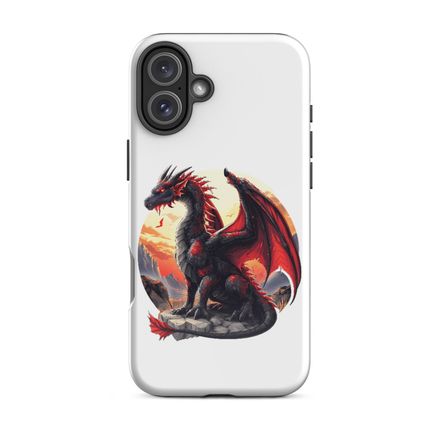
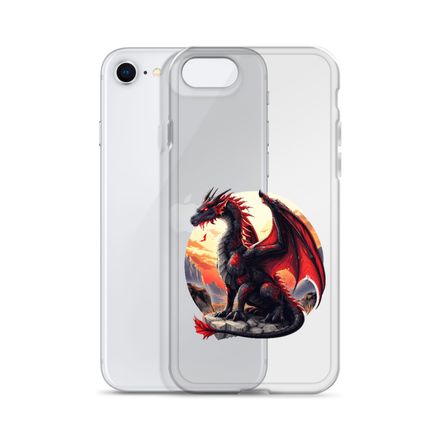
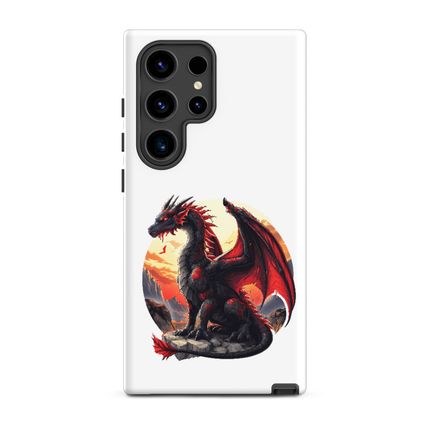
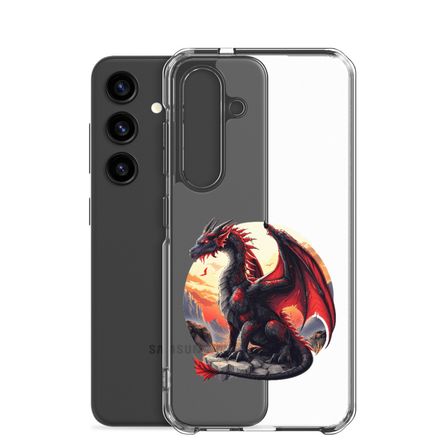
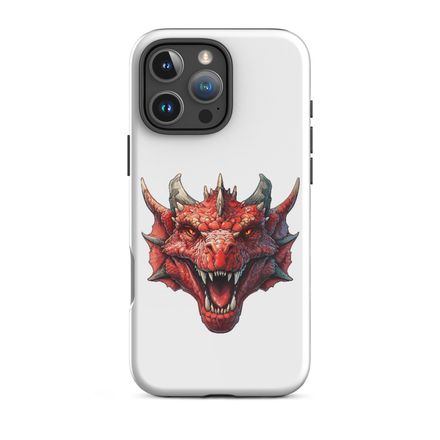
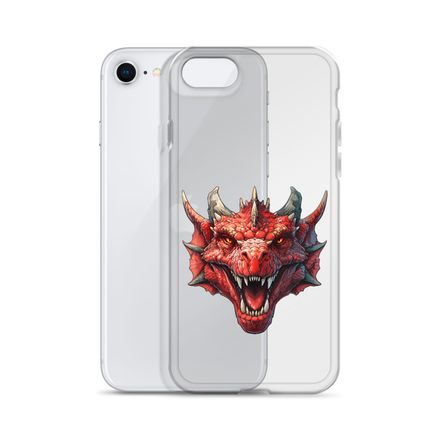
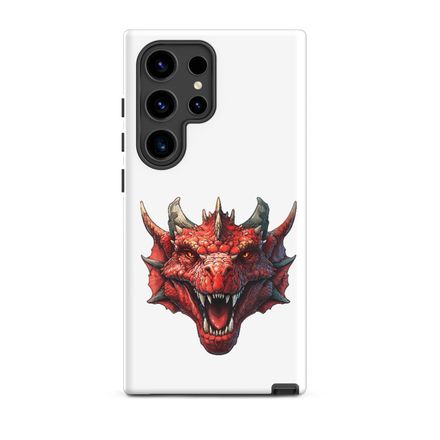
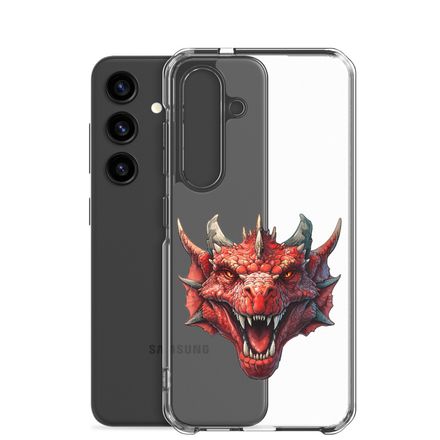
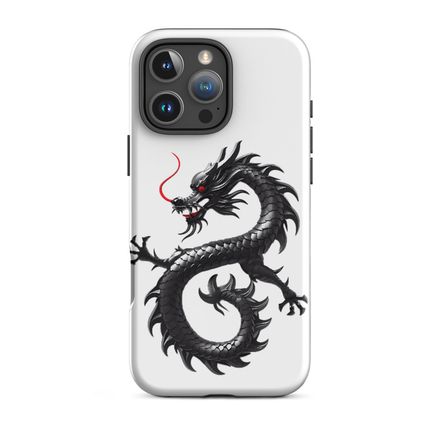
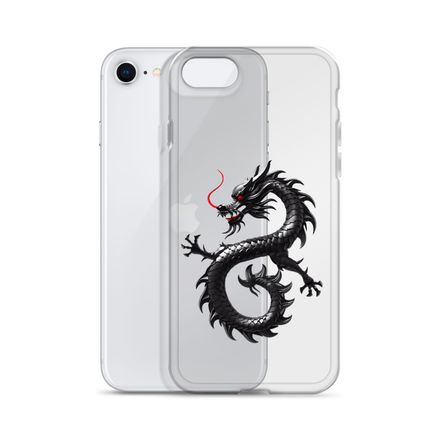
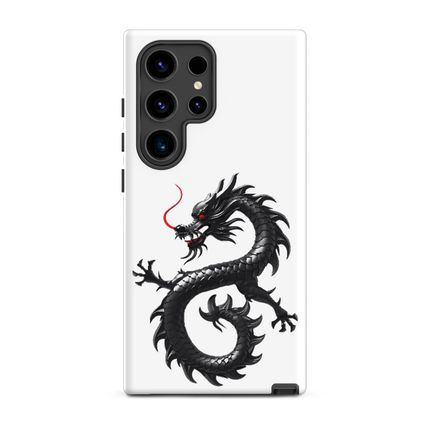
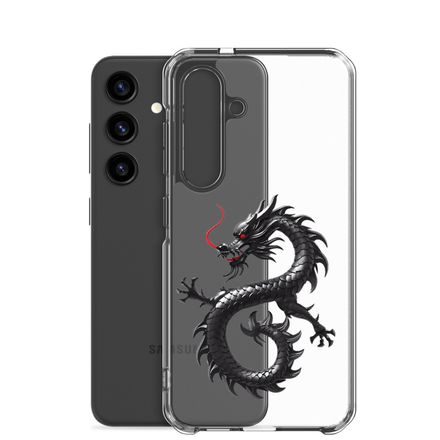
We keep adding images as will as print-on-demand products of fantasy animals/mythological creatures as time goes on. The easiest way to keep up-to-date is to subscribe to our newsletter.
If you would like them applied to a particular kind of clothing item which is missing, then please contact us!
Simba Stickers Mythological Creature Facts Videos in English
For facts about fantasy animals/mythological creatures presented in a fun and informative way, kindly have a look at our videos below!
Video Shorts
Regular Videos
We also have reptile videos available in French (regular/shorts), German (regular/shorts), Italian (regular/shorts) and Latin (regular/shorts).
Go to the Simba Stickers Animal Facts English language channel for all our videos!




Subscribe to our newsletter
Get the latest news and updates straight to your inbox