
Horse/Horses
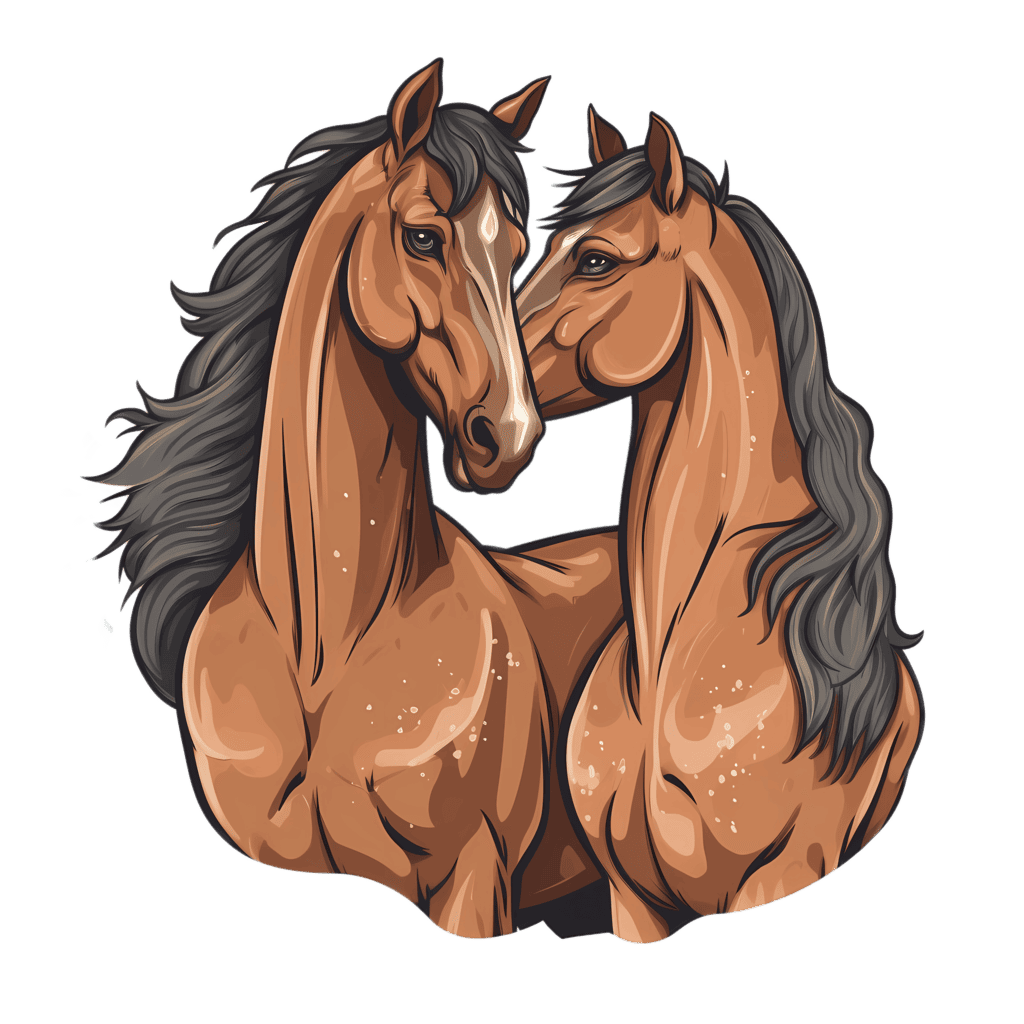
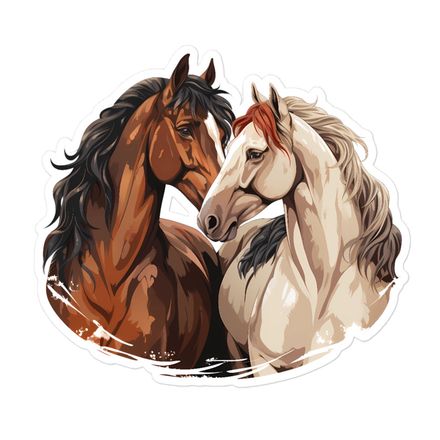
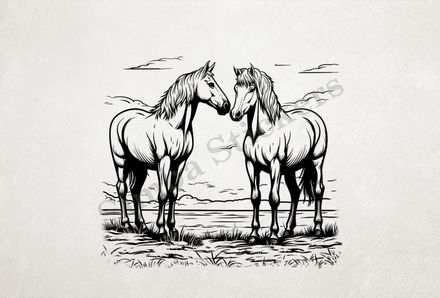
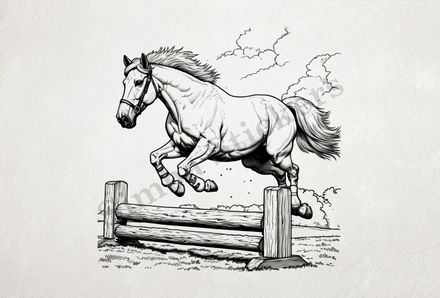
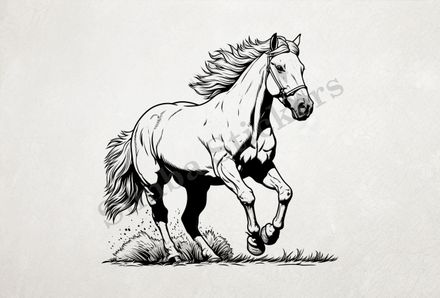
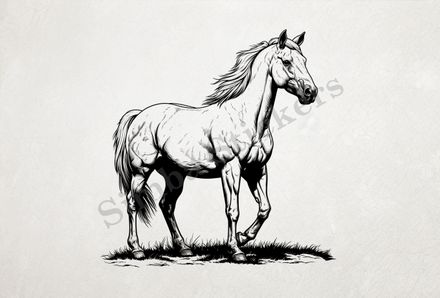
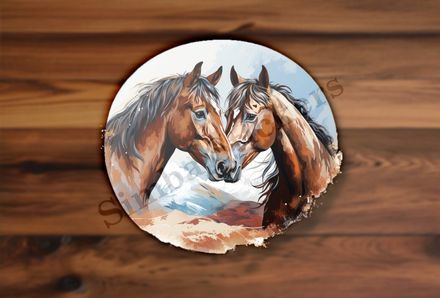
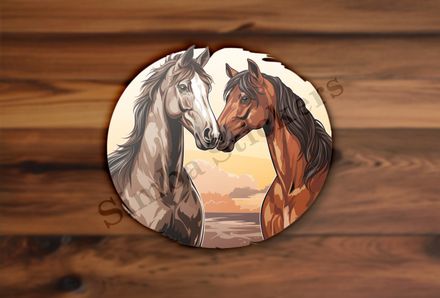
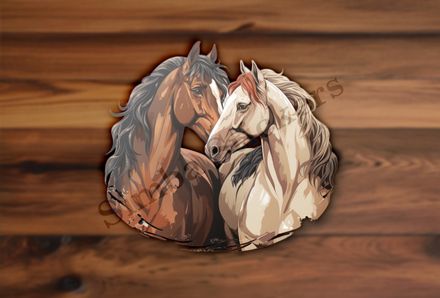
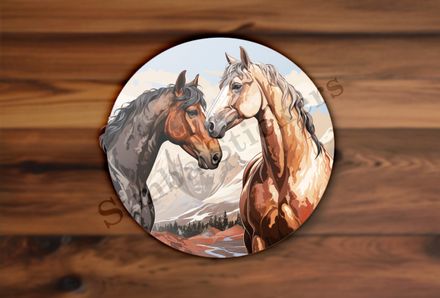
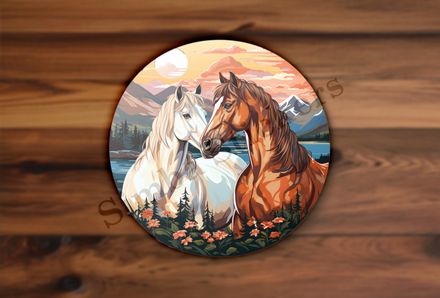
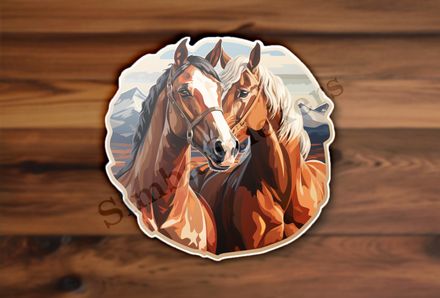
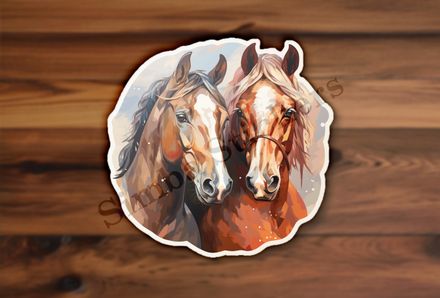
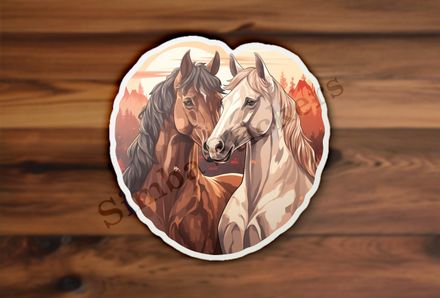
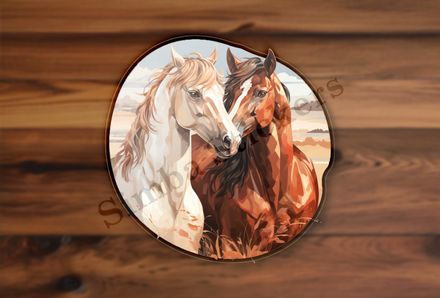
Horses belong to the species *Equus ferus*, with the domestic horse classified as *Equus ferus caballus*. A single animal is called a **horse**, while a group is most commonly referred to as a **herd** or **band**, especially when describing wild or free-roaming groups; other collective terms include a **team** (when used for pulling) or a **string** (used by riders who own multiple horses). The male is known as a **stallion** if intact, or a **gelding** if castrated; the female is called a **mare**, and the young are called **foals**—with males specifically termed **colts** and females **fillies**. Horses are large, powerful mammals known for their speed, endurance, and grace. They have long legs built for running, a flowing mane and tail, large eyes with excellent peripheral vision, and highly sensitive hearing. As herbivores, they graze continuously on grasses and possess complex digestive systems adapted to process fibrous plant material. Their hooves are strong and require regular care, and their ability to form strong social bonds has made them exceptionally trainable and responsive to human guidance.
Horses originated on the open grasslands of North America but became extinct there thousands of years ago before being reintroduced by Europeans in the 15th century. Today, domestic and feral horses live in nearly every region where pasture or managed land is available—from ranches and farms to mountain meadows and desert plains. Wild populations, such as the **mustangs** of the American West and the **brumbies** of Australia, roam freely in rugged terrain, though they are technically feral descendants of domesticated animals. Przewalski’s horse (*Equus ferus przewalskii*), native to the steppes of Central Asia, is considered the last truly wild horse and is genetically distinct from domestic horses. While not subspecies in the traditional sense, domestic horses have been selectively bred into over **300 recognized breeds**, each developed for specific purposes. Light riding breeds like the **Arabian** and **Thoroughbred** are prized for speed and agility; heavy draft breeds such as the **Clydesdale** and **Shire** were bred for strength and farm labor; and versatile breeds like the **Quarter Horse** and **Warmblood** excel in work, sport, and companionship. Ponies, such as the **Shetland** and **Welsh Pony**, are smaller but hardy types suited to rough climates and children’s riding.
Culturally, horses have played a transformative role in human history. They enabled transportation, warfare, agriculture, and exploration for thousands of years, shaping empires and expanding frontiers. In many societies, horses symbolize freedom, power, and nobility—the Greek god Poseidon was linked to horses, Native American cultures revered them as sacred gifts, and knights in medieval Europe were inseparable from their steeds. Today, horses remain central to sports like racing, dressage, and rodeo, as well as therapeutic programs for people with disabilities. Ecologically, feral horse populations can have mixed impacts: while they contribute to seed dispersal and landscape dynamics, overpopulation in arid regions can lead to overgrazing, soil compaction, and competition with native wildlife. Managed responsibly, horses support sustainable land use and rural economies. Whether as working partners, athletes, or companions, horses continue to inspire deep admiration and connection across cultures—embodying strength, spirit, and an enduring bond between humans and animals.
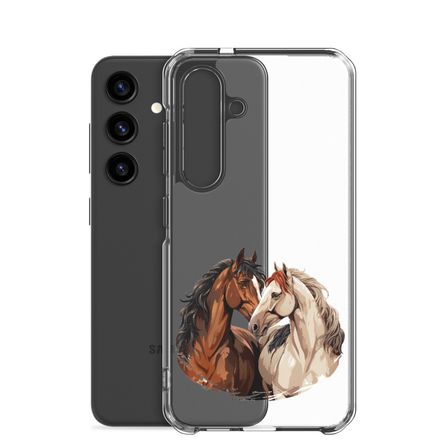
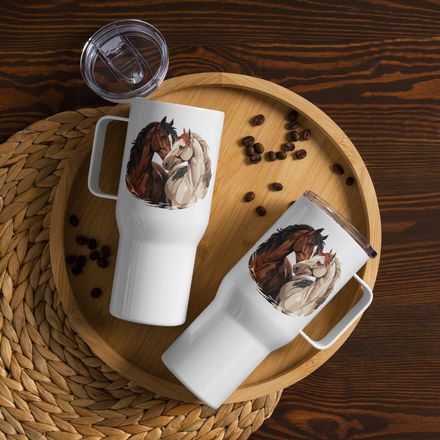
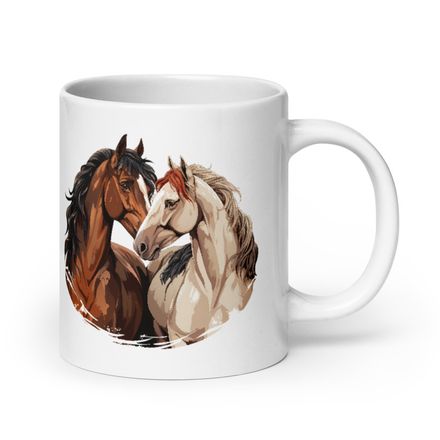
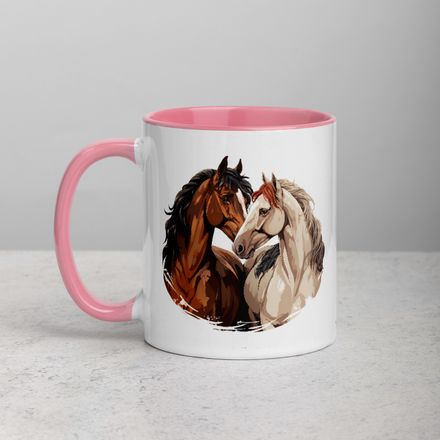
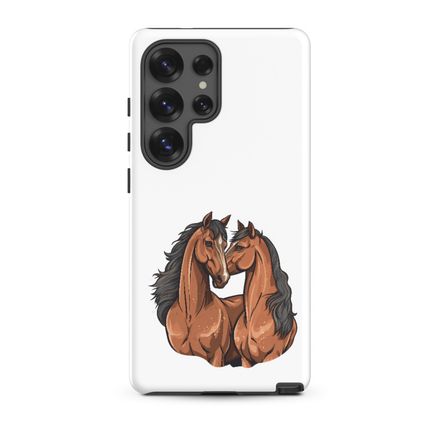
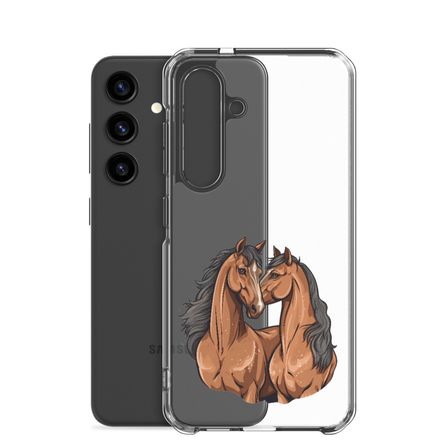
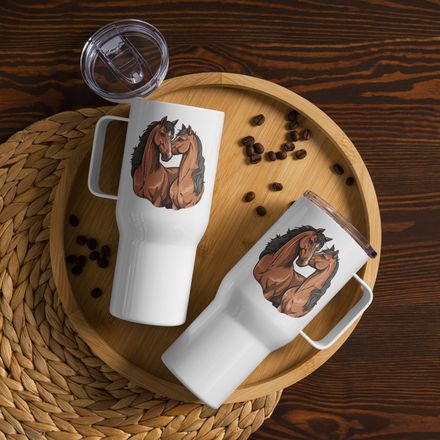
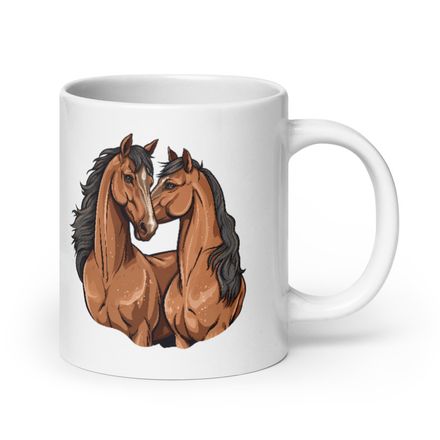
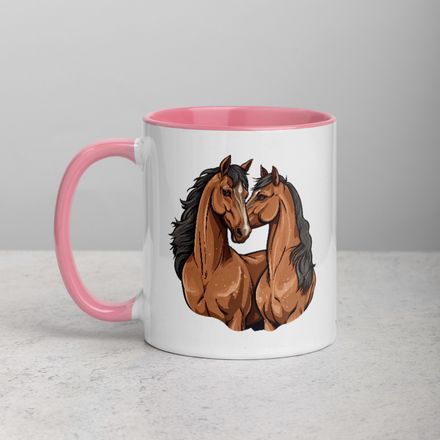
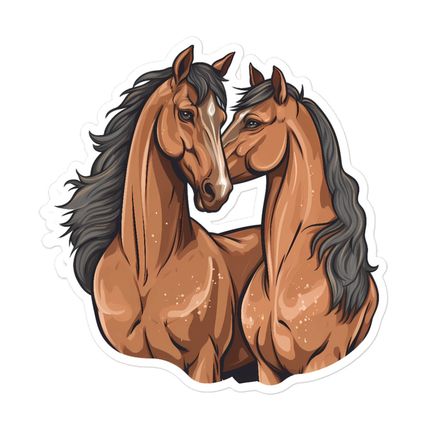
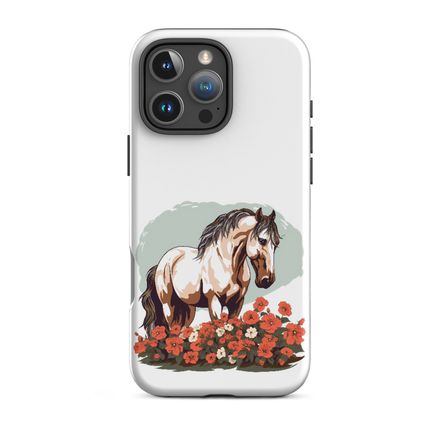
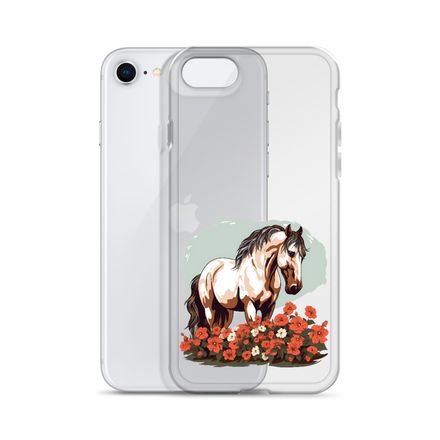
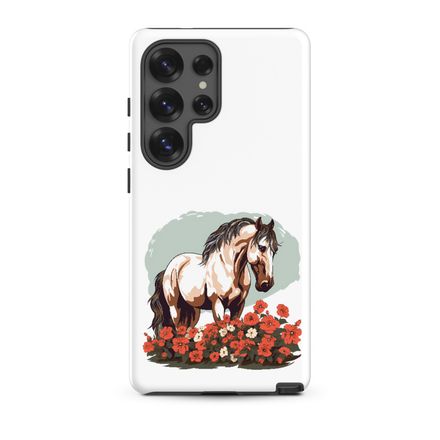
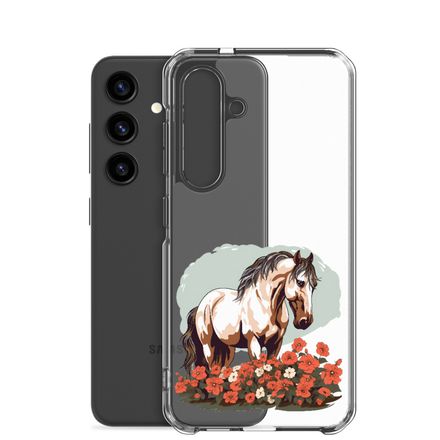
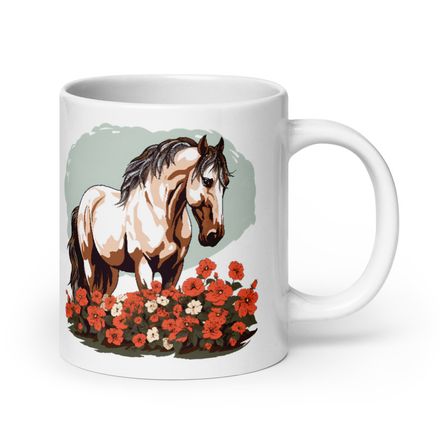
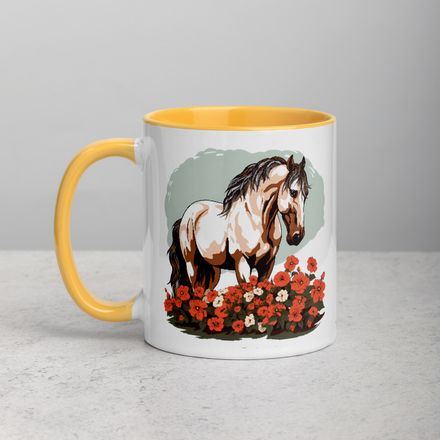
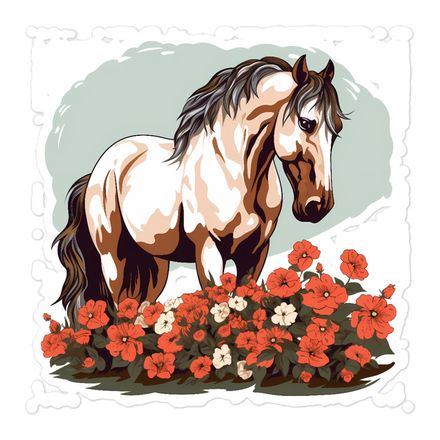
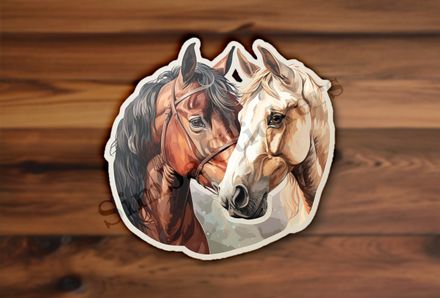
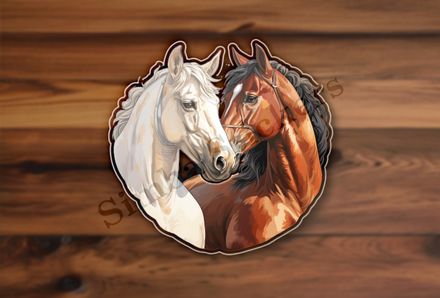
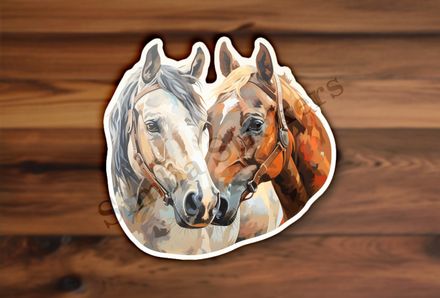
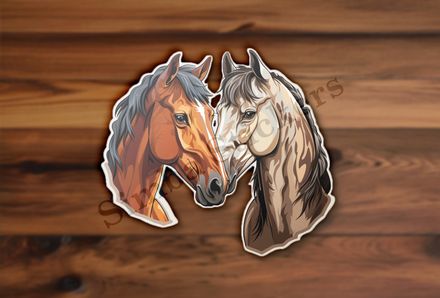
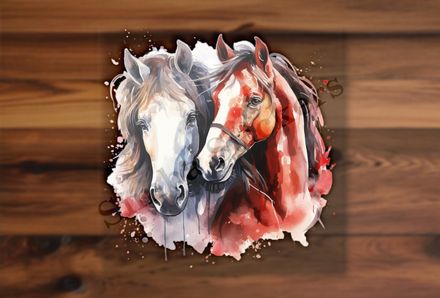
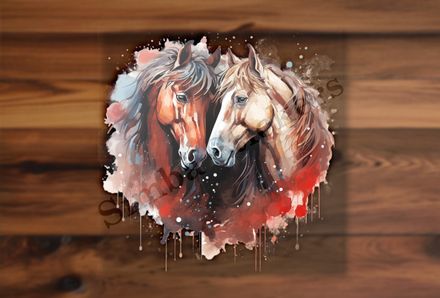
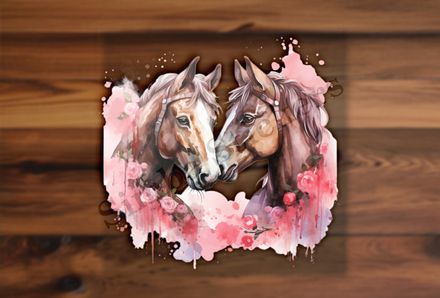
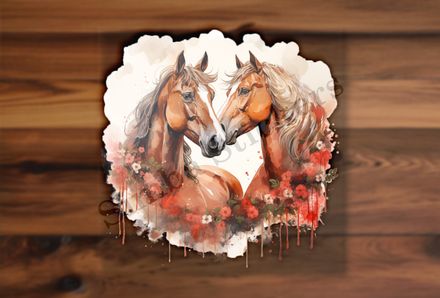
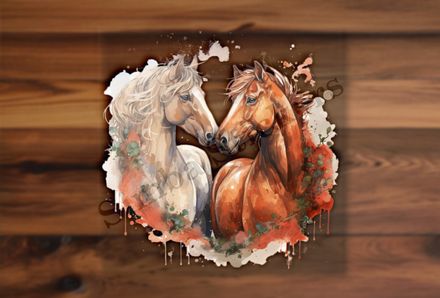
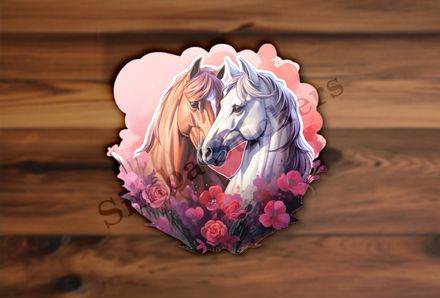
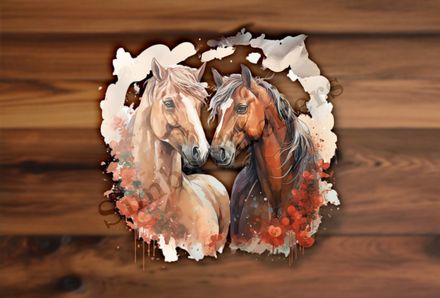
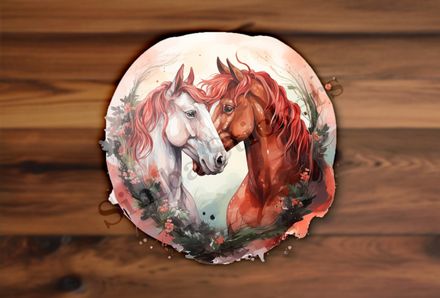
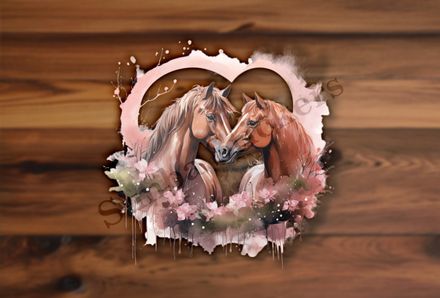
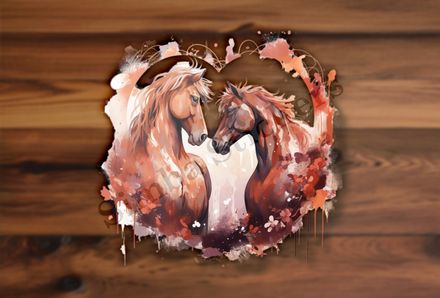
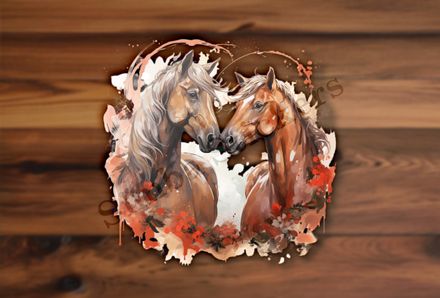
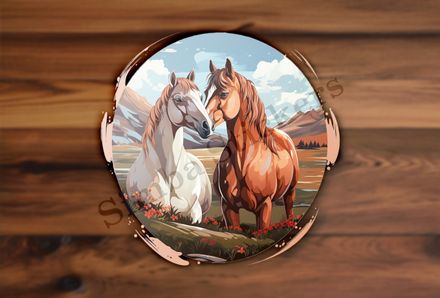
We keep adding images as will as print-on-demand products of horses as time goes on. The easiest way to keep up-to-date is to subscribe to our newsletter.
If you would like them applied to a particular kind of clothing item which is missing, then please contact us!
Simba Stickers Domestic Animal Facts Videos in English
For facts about wild animals presented in a fun and informative way, kindly have a look at our videos below!
Video Shorts
Regular Videos
We also have domestic animal videos available in French (regular/shorts), German (regular/shorts), Italian (regular/shorts) and Latin (regular/shorts).
Go to the Simba Stickers English channel for all our videos!






Subscribe to our newsletter
Get the latest news and updates straight to your inbox