
Mammal/Mammals

Mammals, classified under the class *Mammalia*, are a diverse group of warm-blooded vertebrates defined by several key biological traits. Most notably, mammals produce milk from mammary glands to nourish their young, possess hair or fur at some stage of life, and have a highly developed brain, particularly the neocortex, which supports complex behaviors. They are also distinguished by a four-chambered heart, a diaphragm for efficient breathing, and three middle ear bones that enhance hearing. Mammals give birth to live young (with the exception of monotremes like the platypus, which lay eggs) and typically invest significant time in parental care. This class includes over 6,400 species, ranging from tiny bumblebee bats to the colossal blue whale, and they exhibit extraordinary adaptations in form and function, allowing them to thrive in nearly every habitat on Earth.
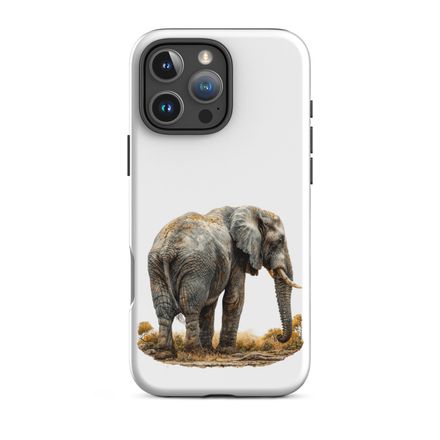
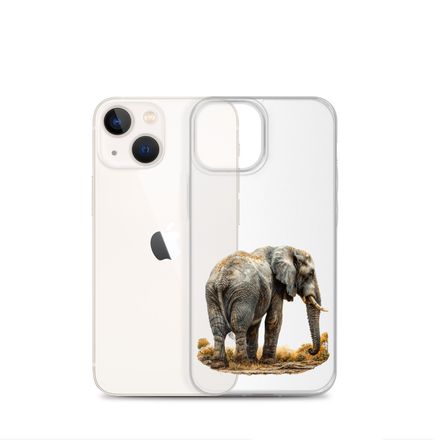
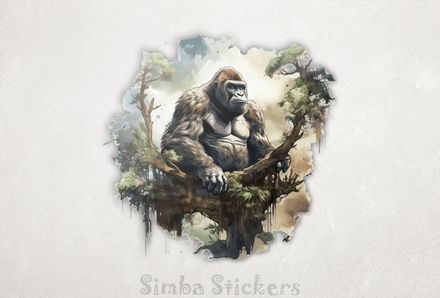
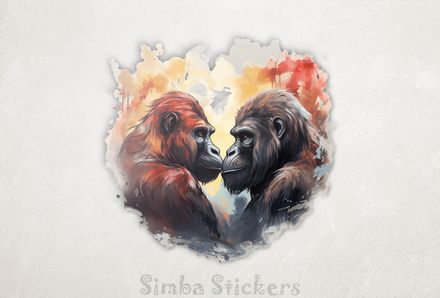
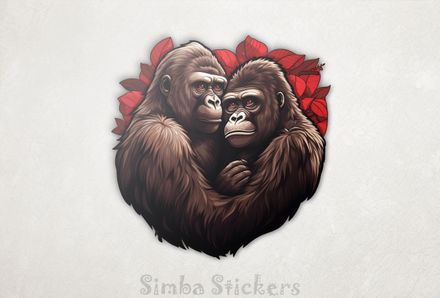
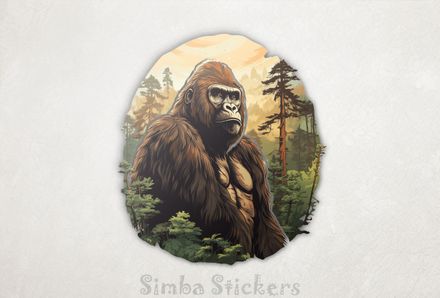
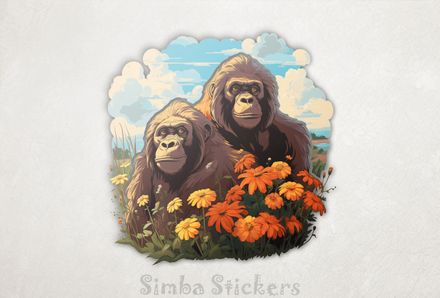
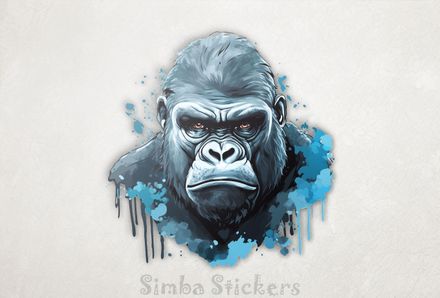
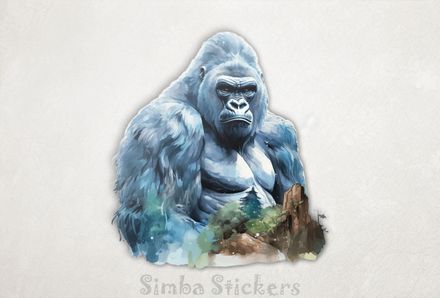
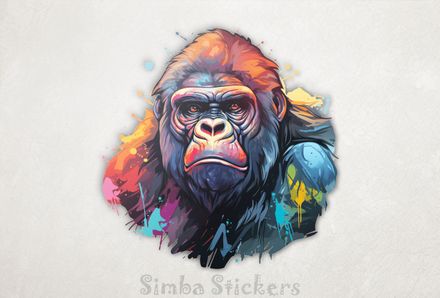
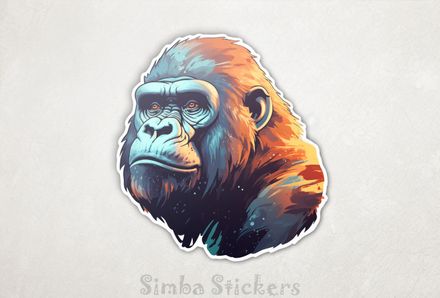
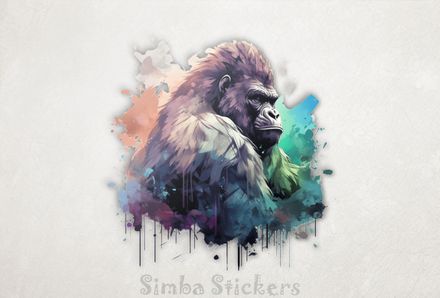
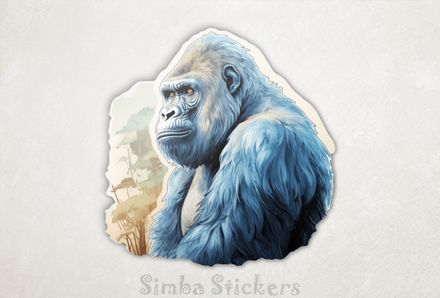
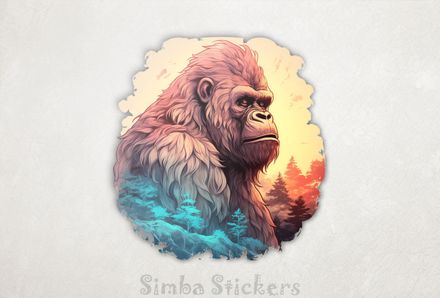
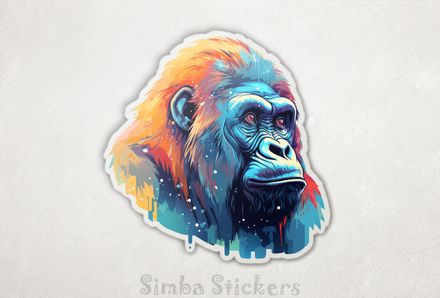
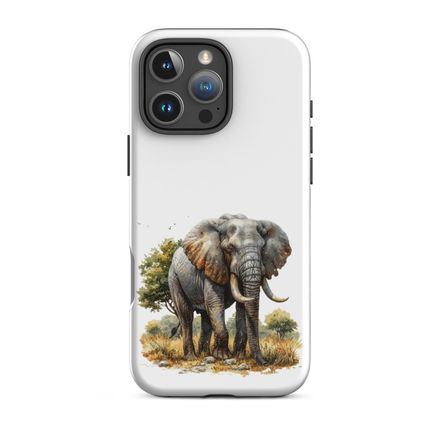
Mammals inhabit a vast array of environments, from the frozen Arctic tundra to tropical rainforests, open oceans, deserts, and urban landscapes. Terrestrial mammals like elephants (*Loxodonta africana*), wolves (*Canis lupus*), and gorillas (*Gorilla gorilla*) dominate forests and grasslands, while marine mammals such as dolphins (*Delphinidae*), seals (*Phocidae*), and the blue whale (*Balaenoptera musculus*) have adapted to life in the world’s oceans. Bats (*Chiroptera*), the only mammals capable of sustained flight, navigate night skies across every continent except Antarctica. Even extreme environments are home to mammals: the Arctic fox survives freezing temperatures, and the fennec fox thrives in scorching deserts with oversized ears for heat dissipation. This ecological versatility is a testament to mammalian adaptability, enabled by endothermy (internal temperature regulation), diverse diets, and advanced sensory and locomotive abilities.
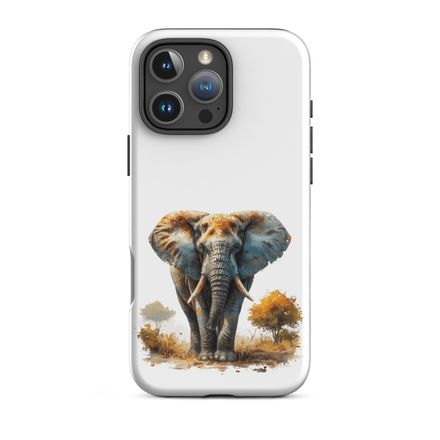
Ecologically, mammals play indispensable roles in maintaining the balance and health of ecosystems. Herbivores like deer, elephants, and kangaroos shape vegetation through grazing and seed dispersal—elephants, for instance, are known as "ecosystem engineers" for their ability to clear paths and disperse seeds over vast distances. Predatory mammals such as lions, tigers, and wolves regulate prey populations, preventing overgrazing and supporting biodiversity through trophic cascades. Insectivorous bats control pest populations and pollinate night-blooming plants, while marine mammals like whales contribute to nutrient cycling in oceans through their migrations and waste, a process known as the "whale pump." Even small mammals such as rodents and shrews aerate soil and serve as critical prey for birds of prey and snakes. As keystone and umbrella species, many mammals support entire ecological communities, making their conservation vital for ecosystem resilience.
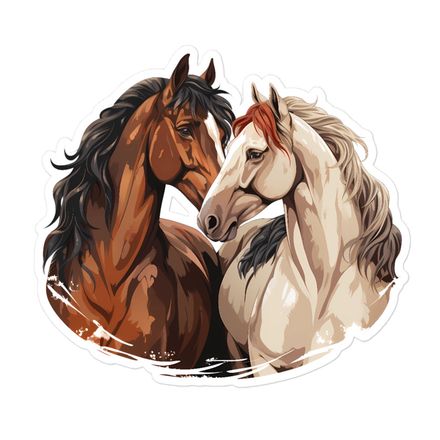
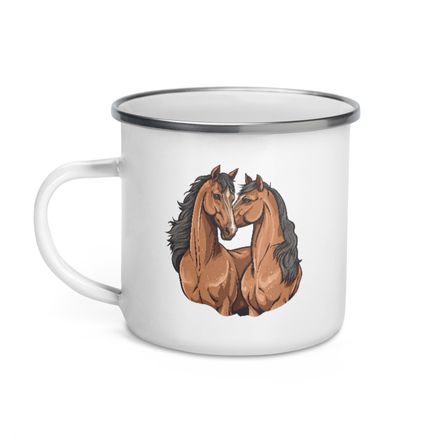
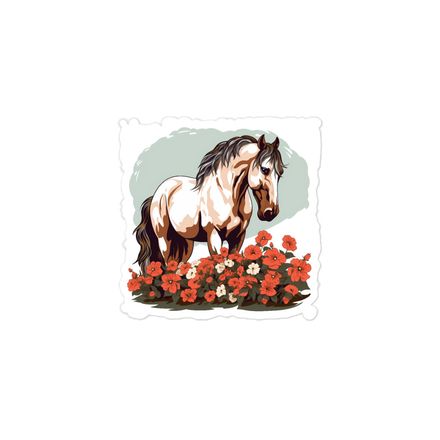
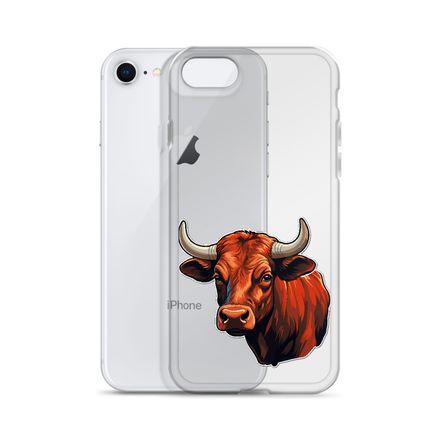
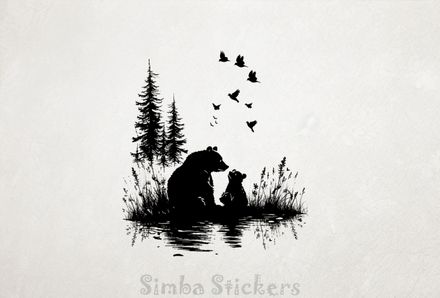
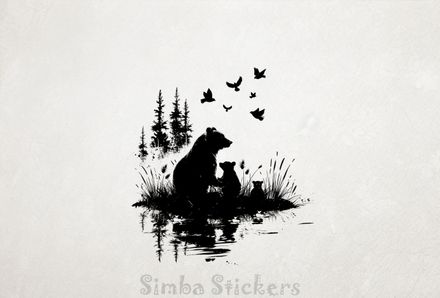
Culturally, mammals hold profound significance across human societies. Dogs (*Canis lupus familiaris*), the first domesticated animals, symbolize loyalty and companionship, while horses have shaped human history through transportation, agriculture, and warfare. Cows are sacred in Hinduism, and elephants are revered in many Asian cultures as symbols of wisdom and strength. In Indigenous traditions, animals like the bear, wolf, and buffalo often appear in creation stories and spiritual practices, representing power, guidance, and interconnectedness with nature. Mammals also dominate in media, mythology, and national symbols—from the lion in England’s royal crest to the bald eagle (though a bird, often grouped symbolically with mammals in national imagery). However, many mammals face threats from habitat destruction, climate change, poaching, and pollution. Iconic species like the tiger, rhinoceros, and orangutan are endangered, while others, like bats and pangolins, suffer from stigma despite their ecological value. Protecting mammals means preserving not only biodiversity but also cultural heritage and the intricate web of life on which humans depend. Through conservation, education, and sustainable coexistence, we can ensure that mammals continue to thrive in the wild and in our collective imagination.
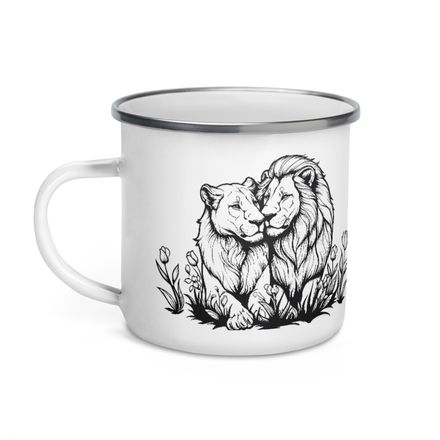
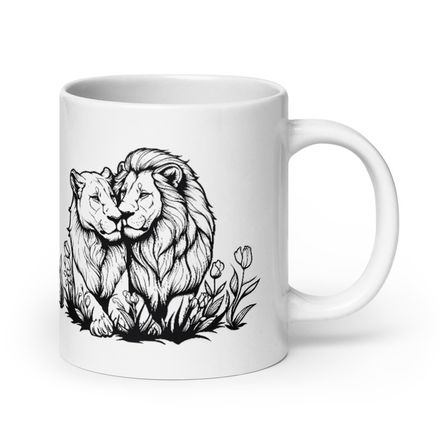
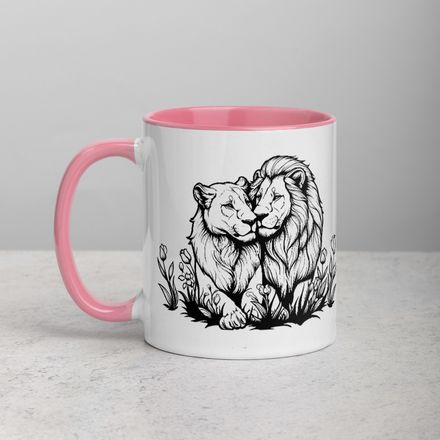
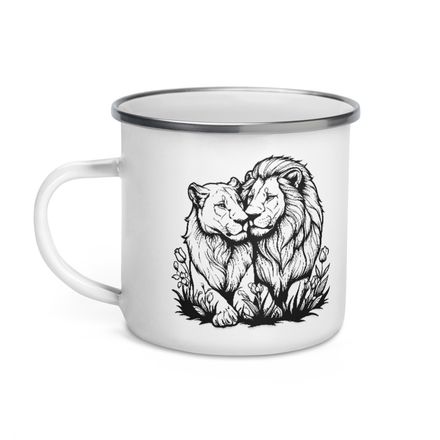
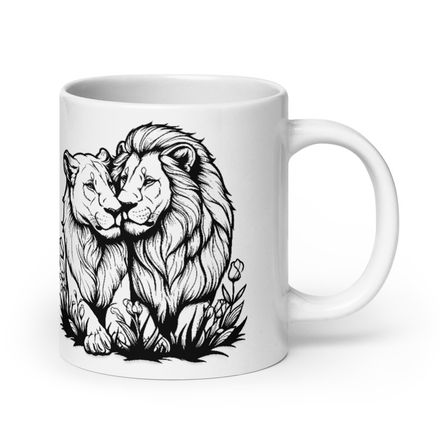
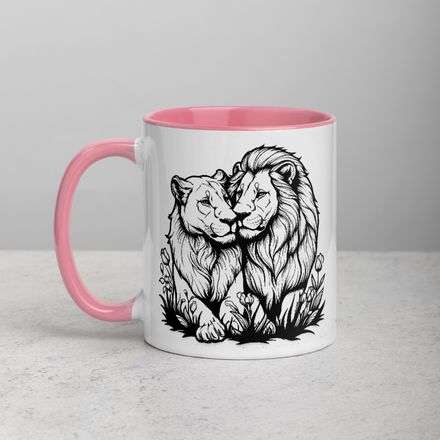
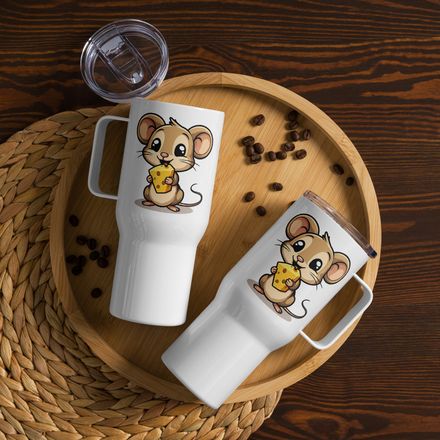
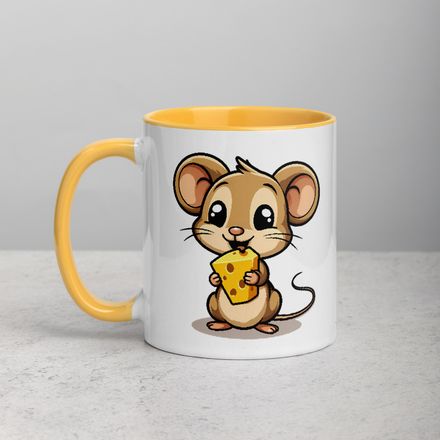
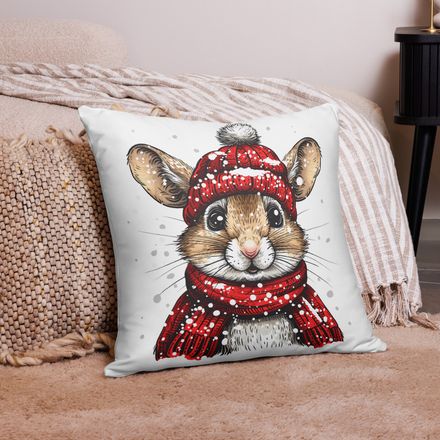
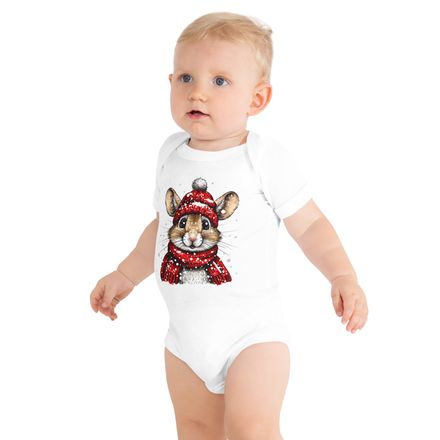
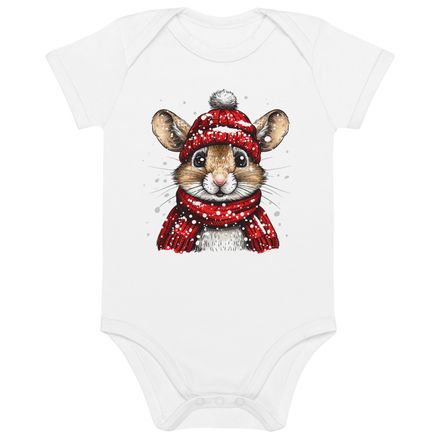
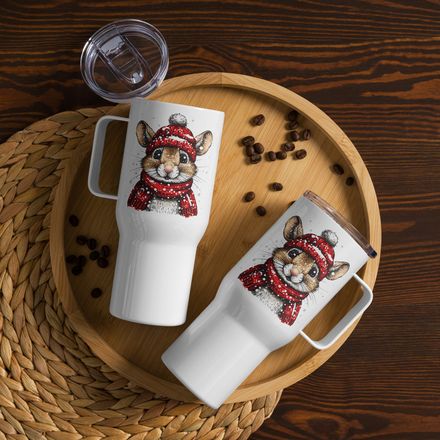
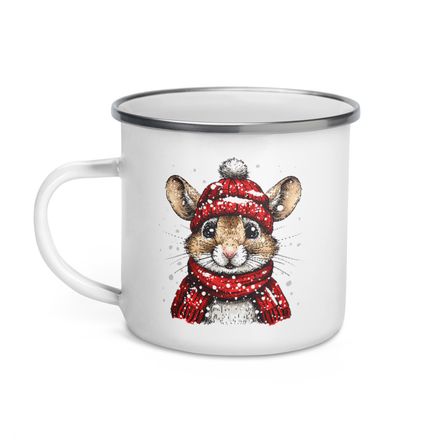
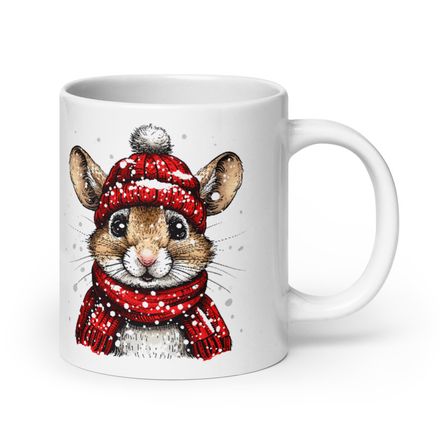
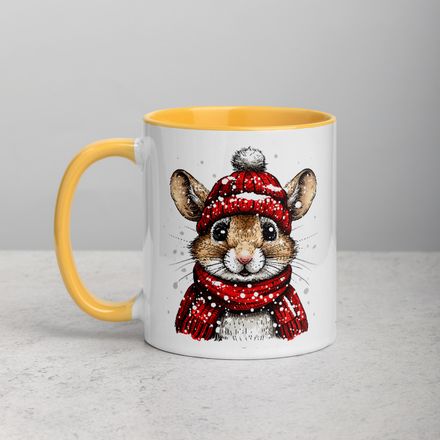
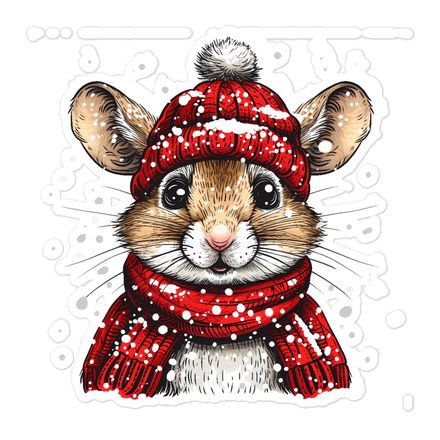
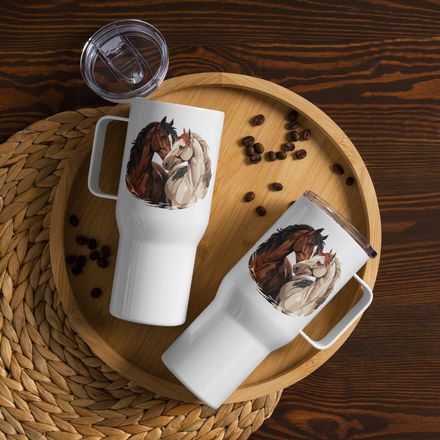
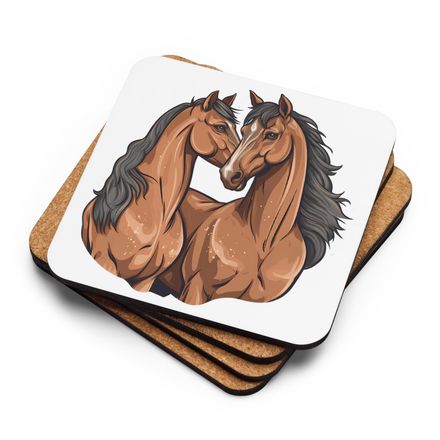
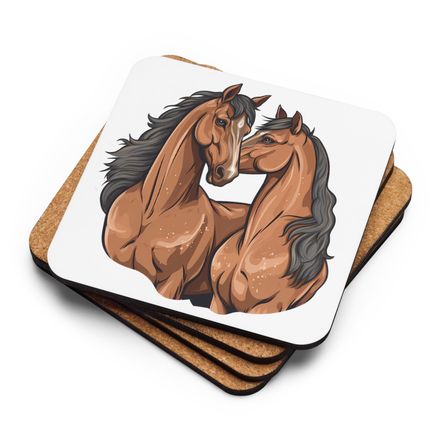
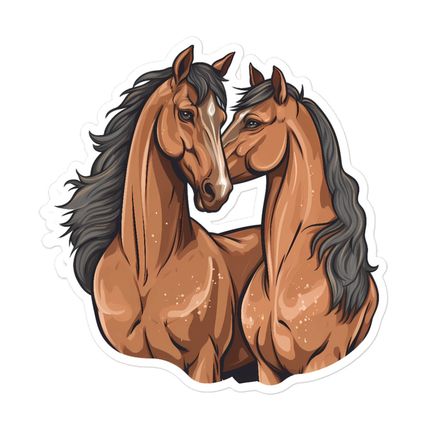
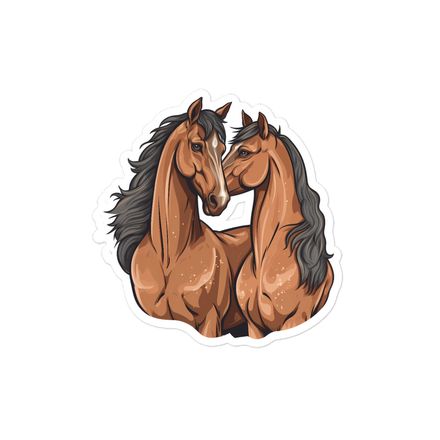
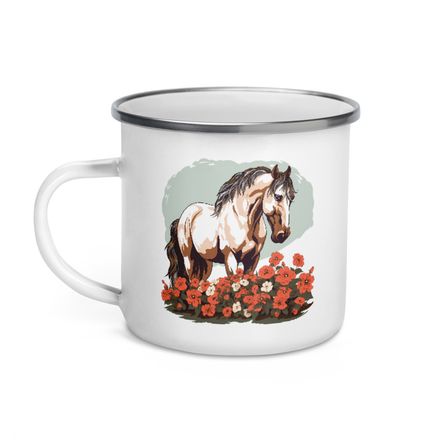
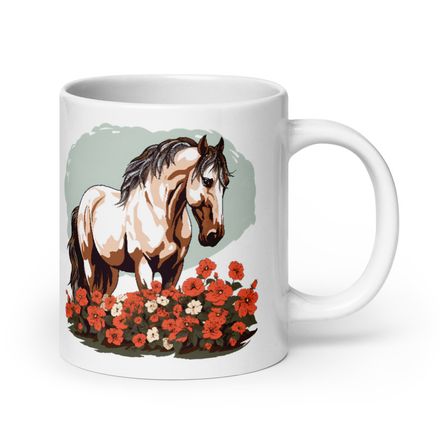
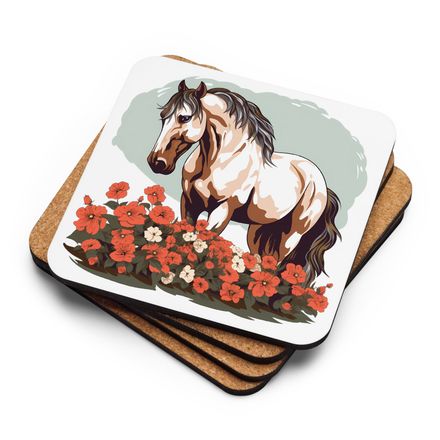
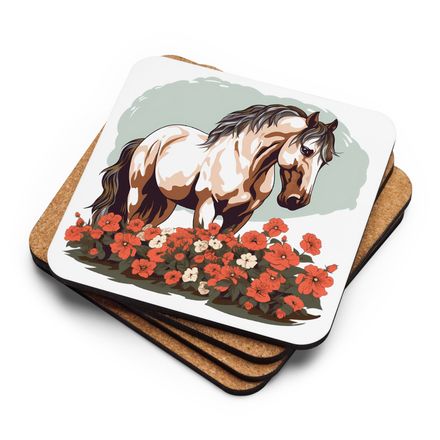
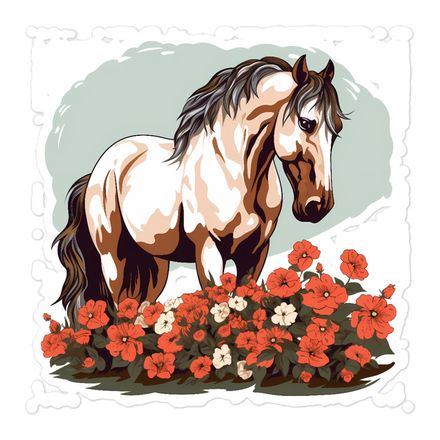
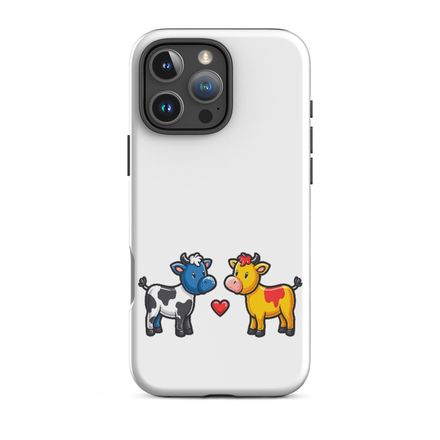
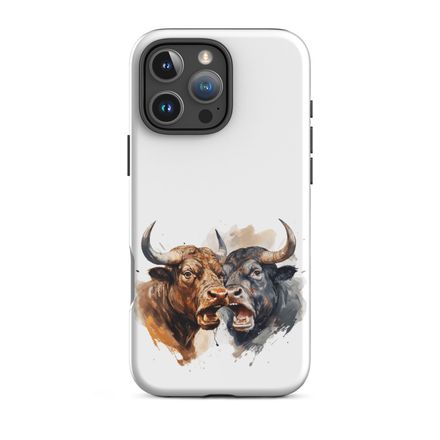
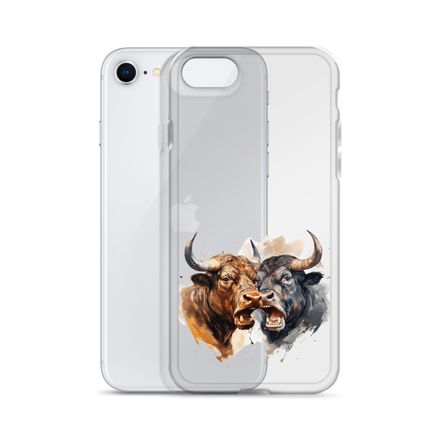
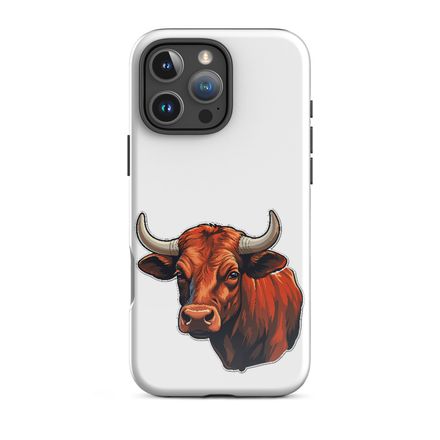
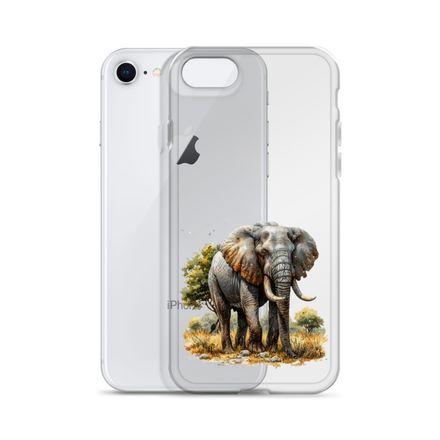
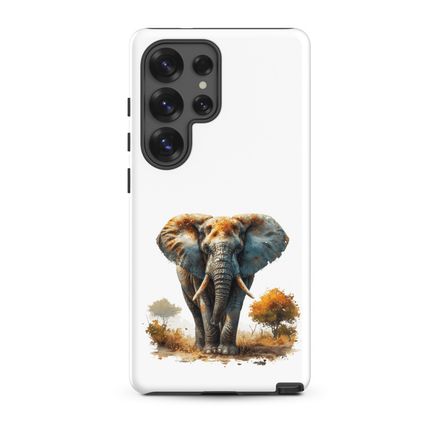
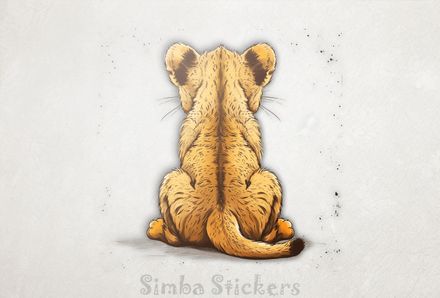
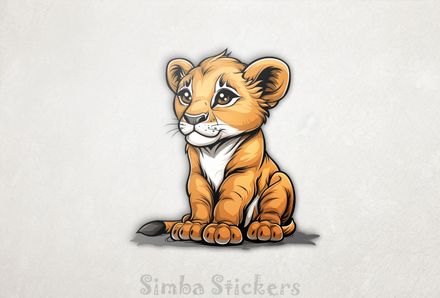
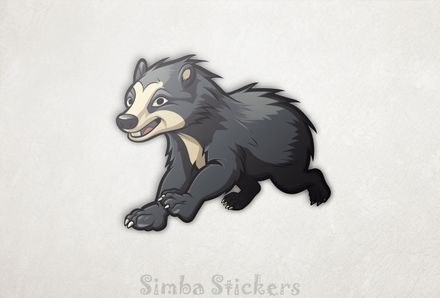
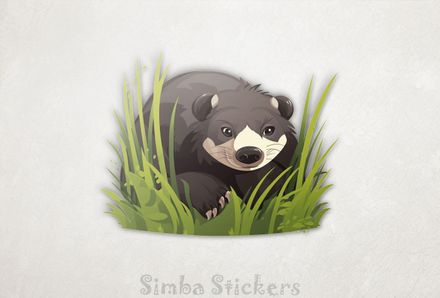
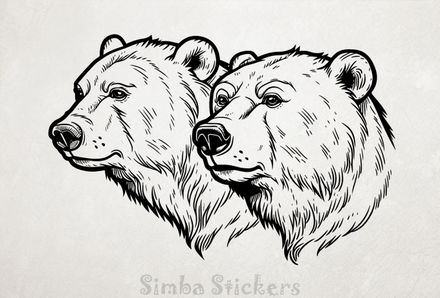
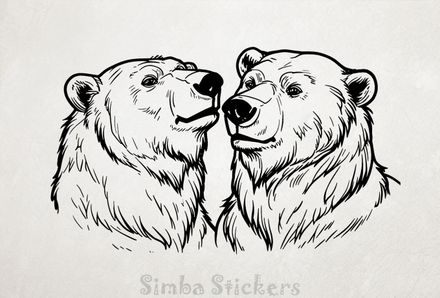
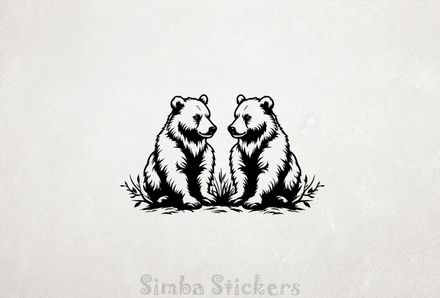
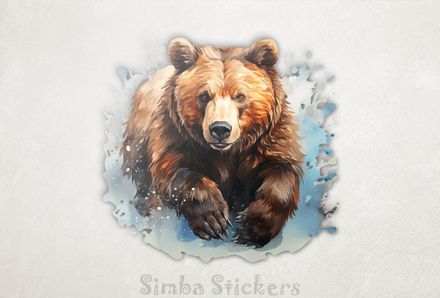
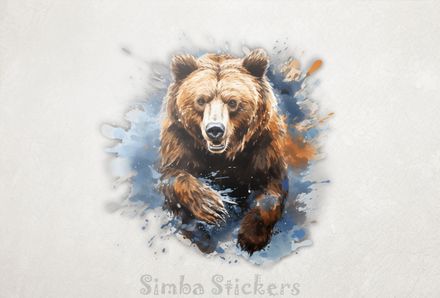
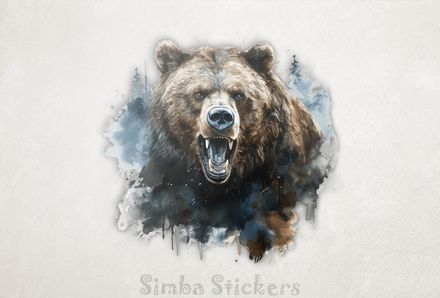
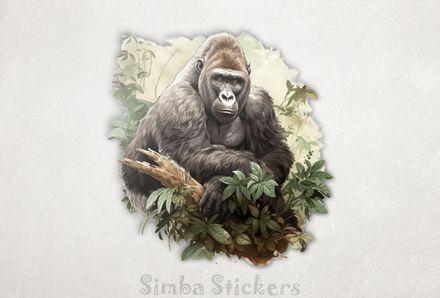
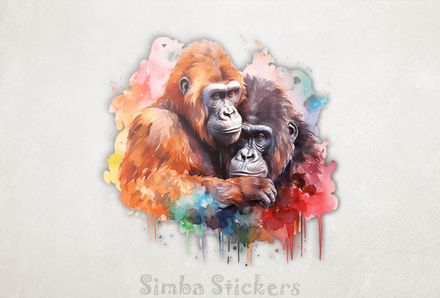
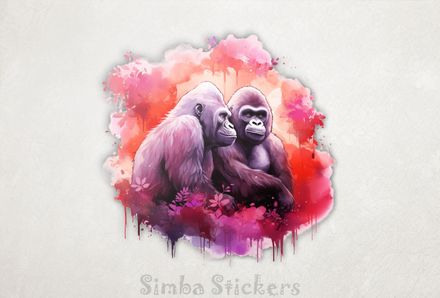
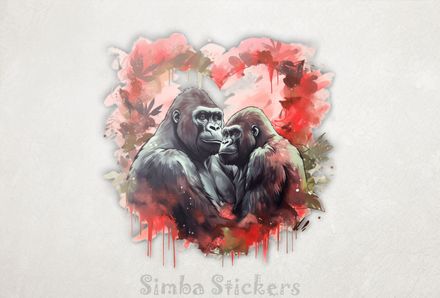
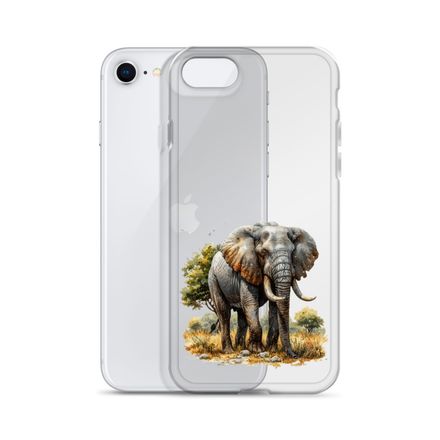
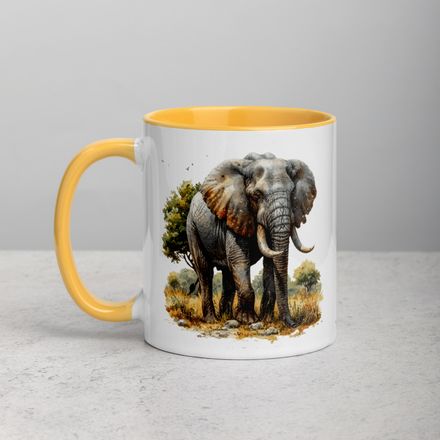
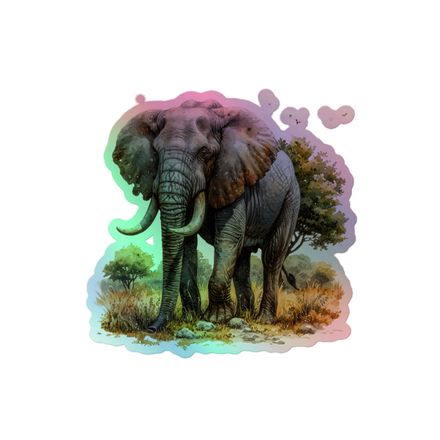
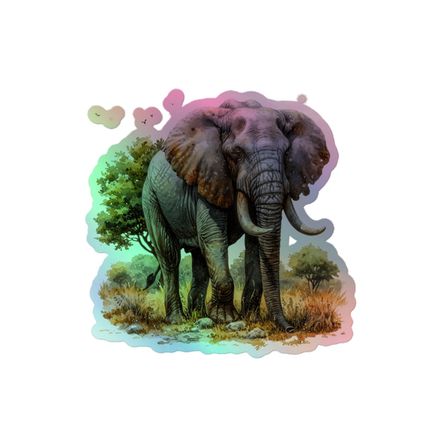
We keep adding images as will as print-on-demand products of mammals as time goes on. The easiest way to keep up-to-date is to subscribe to our newsletter.
If you would like them applied to a particular kind of clothing item which is missing, then please contact us!
Simba Stickers Mammal Facts Videos in English
For facts about cheetahs presented in a fun and informative way, kindly have a look at our videos below!
Video Shorts
Regular Videos
We also have wolf videos available in French (regular/shorts), German (regular/shorts), Italian (regular/shorts) and Latin (regular/shorts).
Go to the Simba Stickers English channel for all our videos!
































































































Subscribe to our newsletter
Get the latest news and updates straight to your inbox