
Marine Animal/Animals
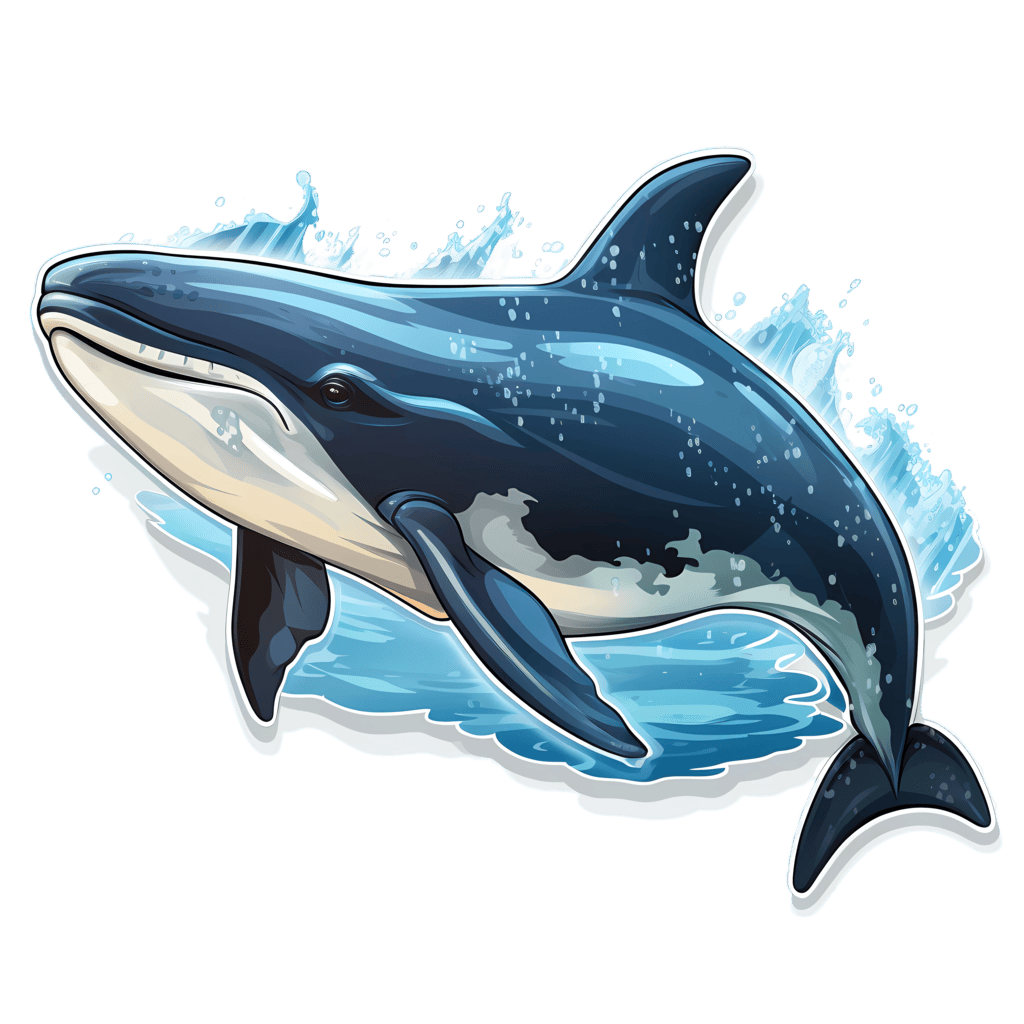
"Marine animals" or "Water animals" is a broad term referring to aquatic organisms that live in freshwater or marine environments, spanning multiple scientific classes and phyla. These include mammals like dolphins (*Delphinidae*), fish such as salmon (*Salmonidae*), reptiles like sea turtles (*Cheloniidae*), amphibians such as frogs (*Anura*), and invertebrates including jellyfish (*Scyphozoa*) and octopuses (*Octopoda*). A single animal is typically called by its specific name (e.g., a dolphin, a shark), while a group may be referred to with collective nouns like a **pod** (dolphins), **school** or **shoal** (fish), **gam** (whales), or **bask** (crocodiles). Gender-specific names vary by species: for example, in dolphins, males are bulls and females are cows; in sea turtles, no common gender names exist beyond male/female; and young are often called **calves** (marine mammals), **hatchlings** (reptiles), **fry** or **juveniles** (fish), and **tadpoles** (amphibians). Distinctive features depend on the group—gills for underwater breathing, fins or flippers for swimming, streamlined bodies for efficient movement, and specialized senses like electroreception in sharks or echolocation in toothed whales. Many water animals are ectothermic (cold-blooded), relying on their environment to regulate body temperature, while marine mammals are warm-blooded and must surface to breathe air.
Aquatic animals inhabit nearly every watery environment on Earth, from shallow coral reefs and coastal estuaries to deep ocean trenches, rivers, lakes, wetlands, and polar seas. Coral reefs, such as the Great Barrier Reef, teem with colorful fish, crustaceans, and corals, forming some of the most biodiverse ecosystems. Open oceans host large migratory species like bluefin tuna, great white sharks, and humpback whales. Freshwater systems support catfish, otters, frogs, and river dolphins, while brackish mangroves serve as nurseries for juvenile fish and crustaceans. Some species, like salmon and eels, migrate between salt and freshwater during their life cycles—a behavior known as diadromy. While most water animals are wild and not “bred” like domesticated land animals, certain fish such as tilapia, trout, and koi have been selectively bred in aquaculture for food, ornamentation, or research. Koi, for instance, display a wide range of colors and patterns due to generations of selective breeding. Wild populations may include subspecies adapted to local conditions—such as different runs of Atlantic salmon (*Salmo salar*) that spawn in specific rivers—each playing a unique role in regional ecosystems.
Ecologically, water animals are fundamental to the health of aquatic and even terrestrial environments. As predators, animals like sharks and orcas help regulate prey populations, maintaining balance in marine food webs. Filter feeders such as baleen whales, manta rays, and oysters clean vast amounts of water by consuming plankton and pollutants. Herbivores like parrotfish and manatees control seagrass and algae growth, preventing overgrowth that can smother reefs and reduce oxygen levels. Scavengers and decomposers, including crabs and deep-sea worms, recycle nutrients, supporting new life. Many species act as indicators of ecosystem health—declines in frog populations signal pollution or habitat loss, while collapsing fish stocks reflect overfishing and climate change. Perhaps most critically, phytoplankton—though not animals—form the base of the aquatic food chain, and their productivity is sustained by nutrient cycling from larger animals. Whales, through the "whale pump," enhance this process by bringing deep-ocean nutrients to the surface via their waste, fueling plankton blooms that generate over half the world’s oxygen.
Culturally, water animals have long fascinated and sustained human societies. In mythology, creatures like the Leviathan, Kraken, and Mami Wata symbolize mystery, power, and the unknown depths. Dolphins are revered in Greek and Polynesian traditions as helpers of humans, while sea turtles represent longevity and navigation in Indigenous cultures. Economically, fish and shellfish provide protein for billions, and industries like fishing, aquaculture, and ecotourism (e.g., whale watching, snorkeling) support livelihoods worldwide. Yet many aquatic species face severe threats: overfishing, plastic pollution, habitat destruction, ocean acidification, and climate change. Iconic animals like the vaquita porpoise, European eel, and several shark species are critically endangered. Conservation efforts—from marine protected areas to sustainable fishing practices—are essential to preserving these vital creatures. Whether as food sources, cultural symbols, or ecological keystones, water animals remind us that life on Earth is deeply interconnected—and that protecting the oceans is not just about saving animals, but ensuring the survival of planetary systems we all depend on.
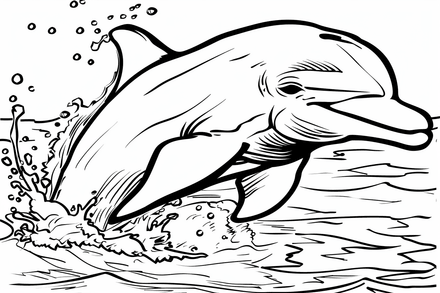
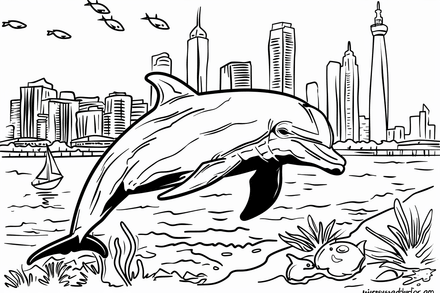
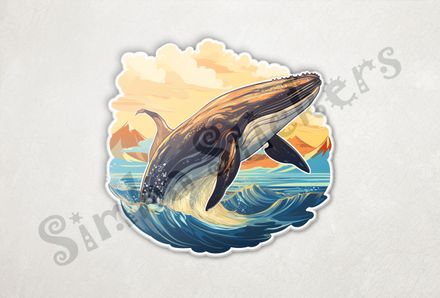
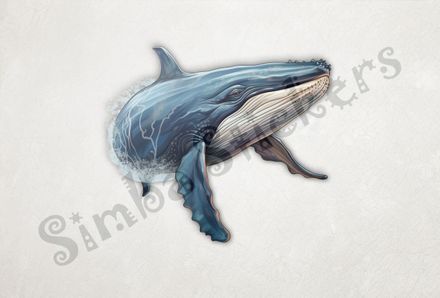
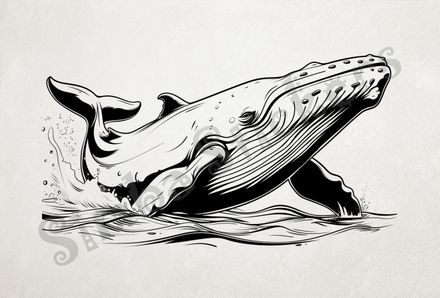
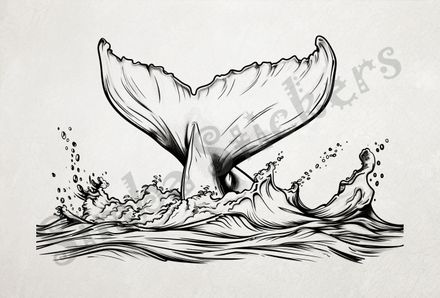
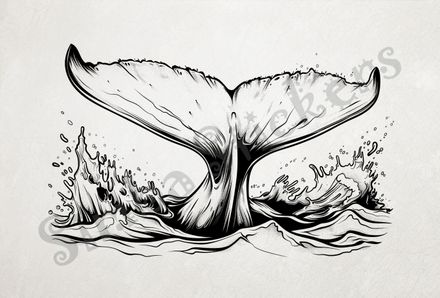
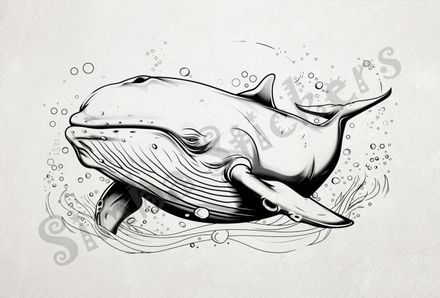
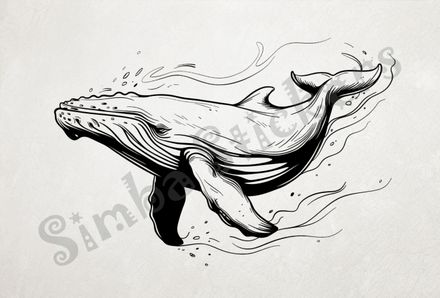
We keep adding images as will as print-on-demand products of marine animals as time goes on. The easiest way to keep up-to-date is to subscribe to our newsletter.
If you would like them applied to a particular kind of clothing item which is missing, then please contact us!
Simba Stickers Marine Animal Facts Videos in English
For facts about water animals presented in a fun and informative way, kindly have a look at our videos below!
Video Shorts
Regular Videos
We also have marine animal videos available in French (regular/shorts), German (regular/shorts), Italian (regular/shorts) and Latin (regular/shorts).
Go to the Simba Stickers English channel for all our videos!
Water Animal Products - digital/print-on-demand



Subscribe to our newsletter
Get the latest news and updates straight to your inbox