
Mouse/Mice

Mice belong to the genus *Mus*, with the most well-known species being the house mouse (*Mus musculus*). A single animal is called a **mouse**, while a group is referred to as a **nest**, **colony**, or **pack** of mice. The male is known as a **buck**, the female as a **doe**, and the young are called **pups** or **pinkies**—especially in the first days of life when they are hairless and pink. Mice are small, agile rodents with large ears, sharp claws, and long, slender tails that help with balance. They have continuously growing incisors, which they must gnaw to keep worn down. House mice are typically gray or brown with lighter underbellies, measure 2.5 to 4 inches (6–10 cm) in body length, and have a keen sense of smell, hearing, and touch—especially through their sensitive whiskers. Highly social and curious, mice communicate through ultrasonic vocalizations, body language, and scent marking. They are primarily nocturnal and reproduce rapidly, with females capable of producing up to 10 litters per year, each containing 5–12 pups.
Mice are found on every continent except Antarctica, thriving in a wide range of habitats thanks to their adaptability and close association with humans. The house mouse (*Mus musculus*) originated in Asia but has spread globally through human migration and trade, now living in homes, farms, barns, urban alleys, and fields. They prefer warm, sheltered environments with access to food and nesting materials. In the wild, other mouse species occupy specific niches: the wood mouse (*Apodemus sylvaticus*) inhabits forests and hedgerows in Europe, while the deer mouse (*Peromyscus maniculatus*) is common in North American woodlands and grasslands. Though not "breeds" in the traditional sense like dogs, laboratory mice are highly specialized strains developed from *Mus musculus* for scientific research—such as the BALB/c, C57BL/6, and nude mice—each bred for consistent genetics, disease susceptibility, or immune traits. These lab mice are essential in medical, genetic, and pharmaceutical studies, helping advance treatments for cancer, diabetes, and neurological disorders. Pet mice, often descended from fancy mouse varieties, come in a range of coat colors, ear shapes, and temperaments, bred for docility and appearance.
Culturally, mice hold a dual reputation—seen both as pests and as symbols of cleverness and charm. In many agricultural societies, they are considered nuisances due to their tendency to contaminate food stores and spread disease, including hantavirus and salmonella. Yet, in popular culture, mice are often portrayed as intelligent and heroic—such as Mickey Mouse, Stuart Little, or the brave rodents in *The Secret of NIMH*. In Chinese tradition, the mouse (or rat) is the first animal in the zodiac and symbolizes wit, fertility, and prosperity. Ecologically, wild mice play important roles as prey for owls, snakes, foxes, and hawks, forming a critical link in food chains. They also aid in seed dispersal and soil aeration through their burrowing. However, when introduced to islands or sensitive ecosystems, non-native mice can disrupt native species, particularly ground-nesting birds. Despite their small size, mice have an outsized impact—both in nature and in human society. As both resilient survivors and invaluable scientific partners, mice continue to shape the world in quiet but profound ways.
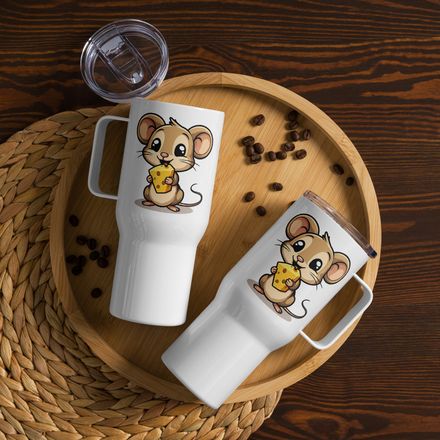
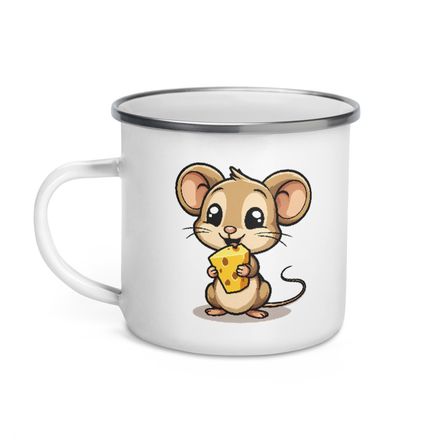
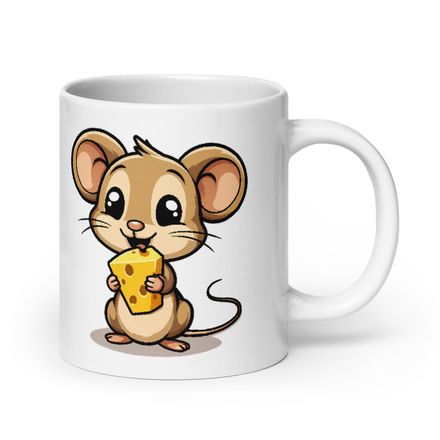
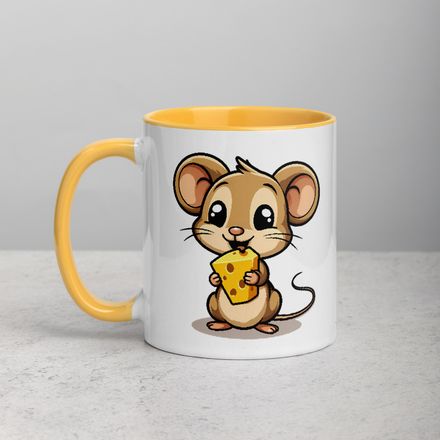
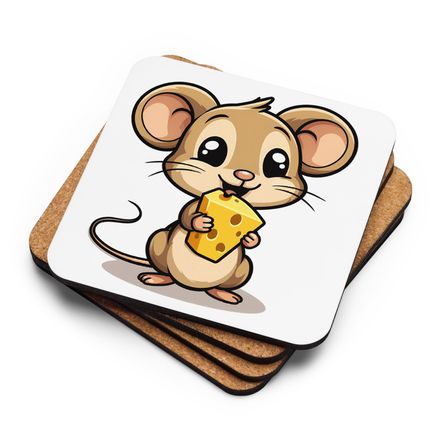
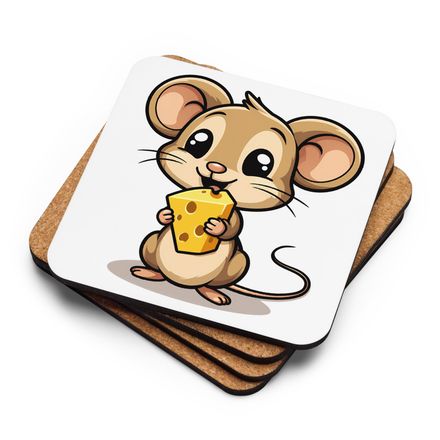
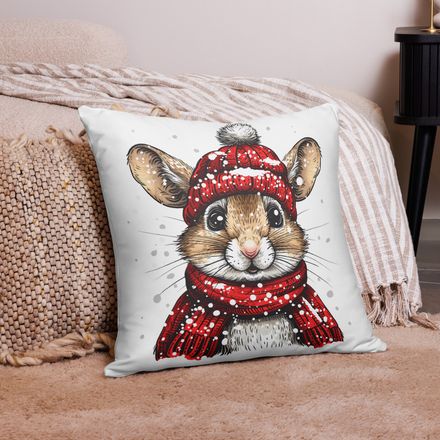
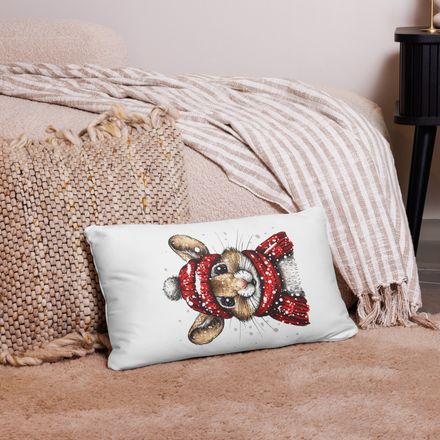
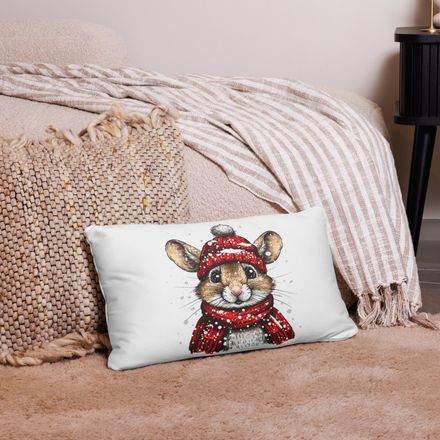
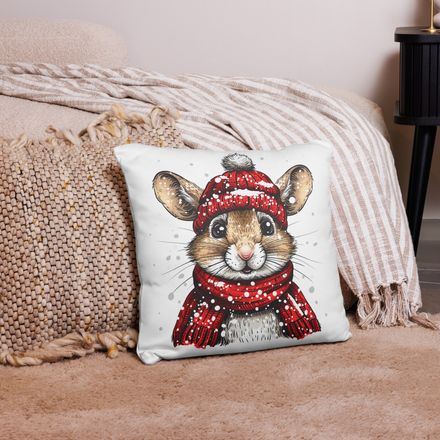
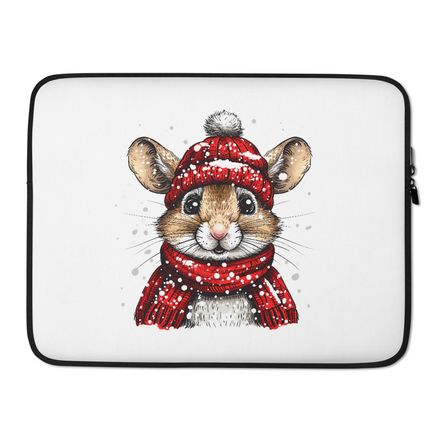
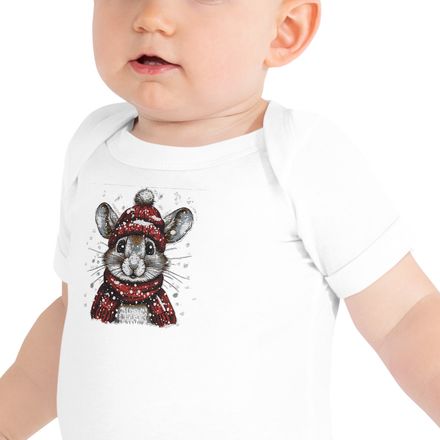
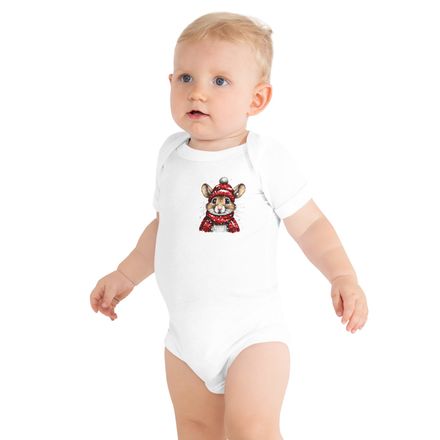
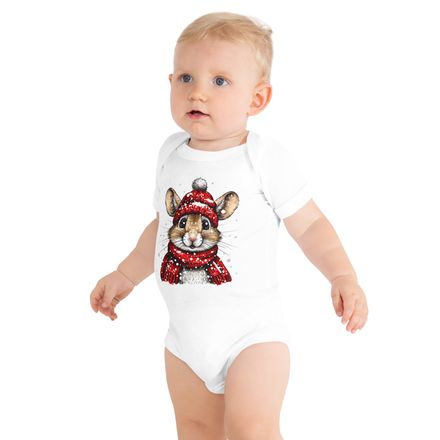
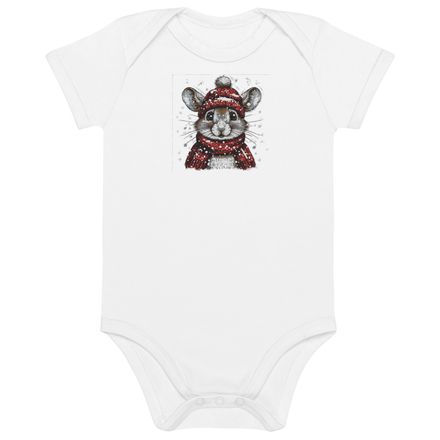
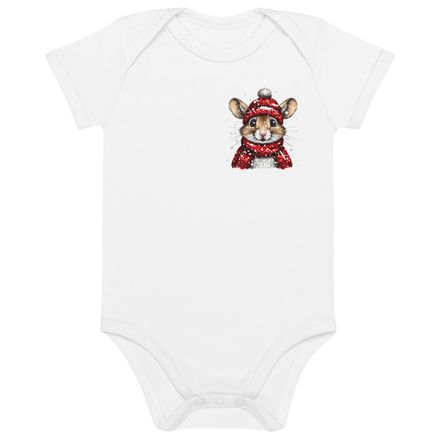
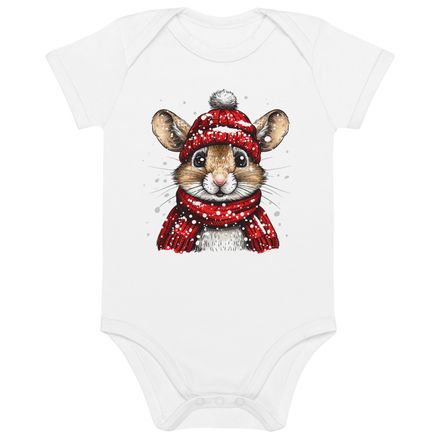
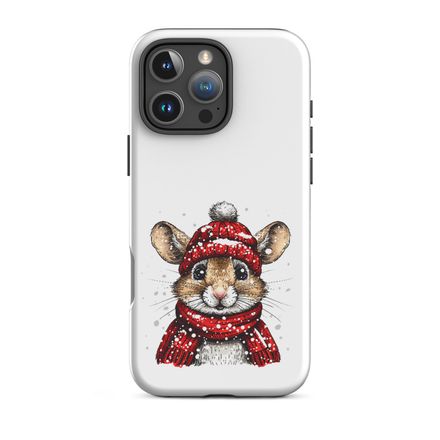
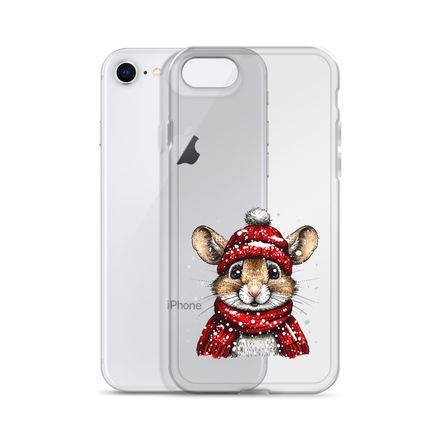
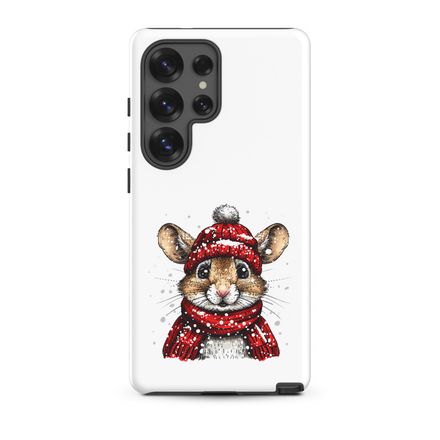
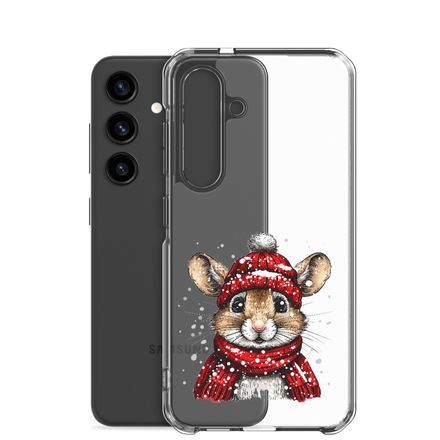
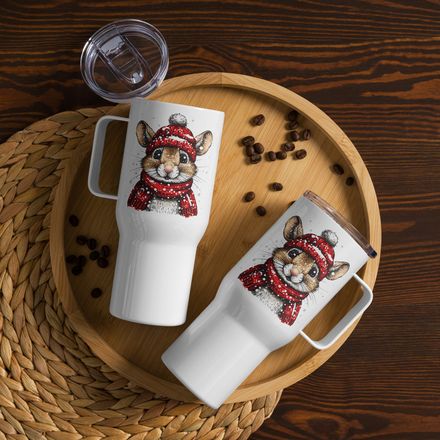
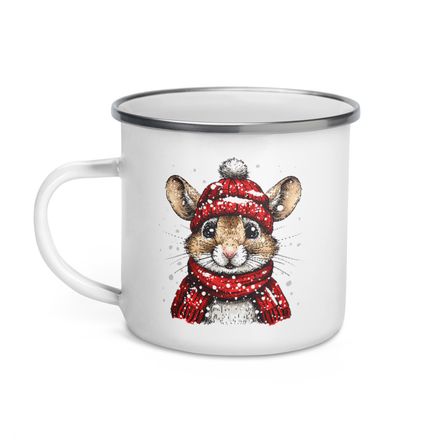
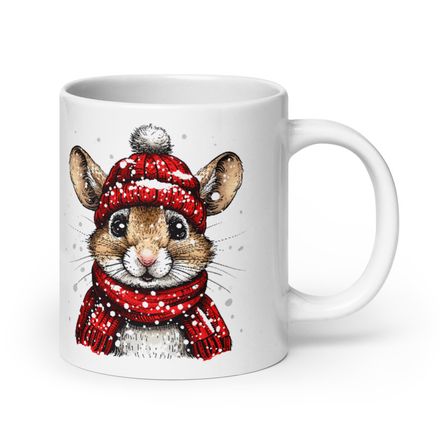
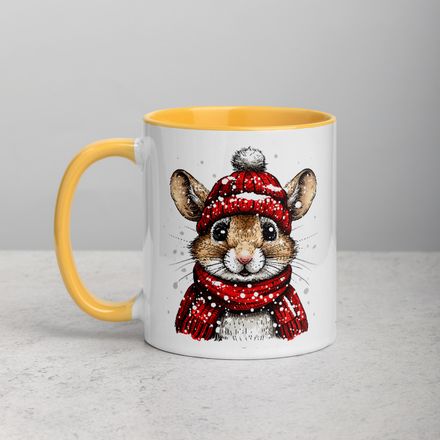
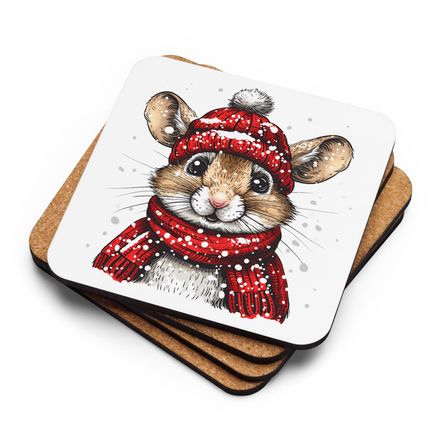
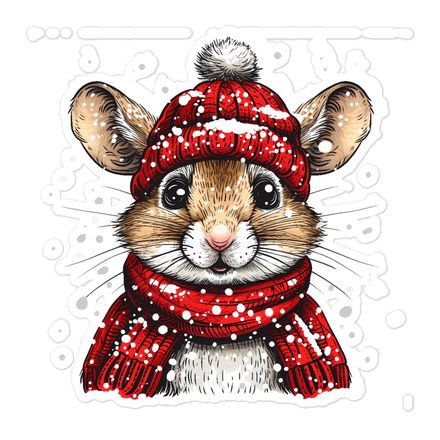
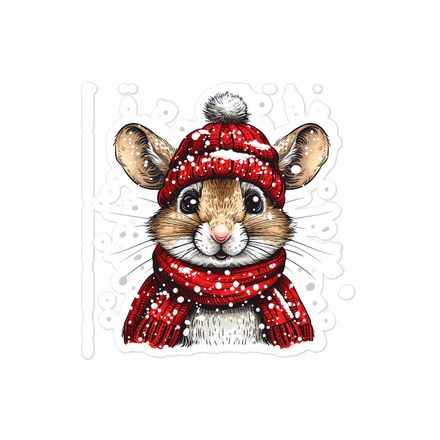
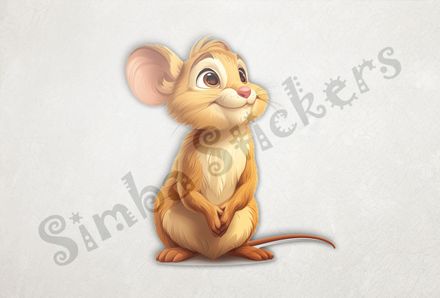
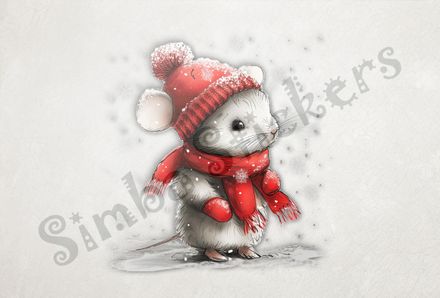
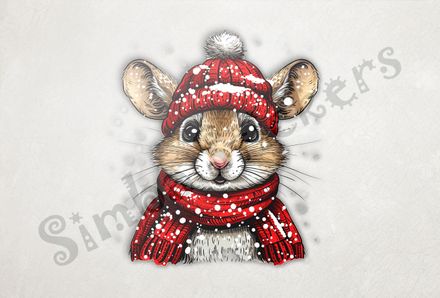
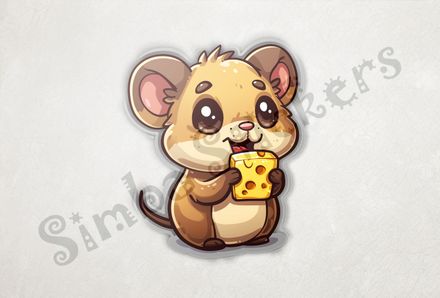
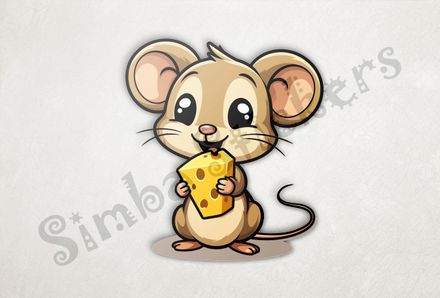
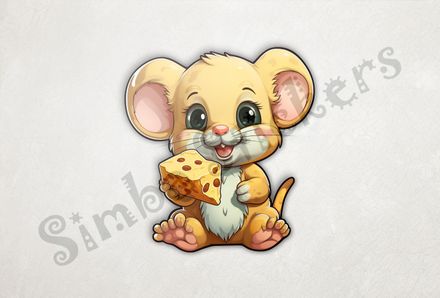
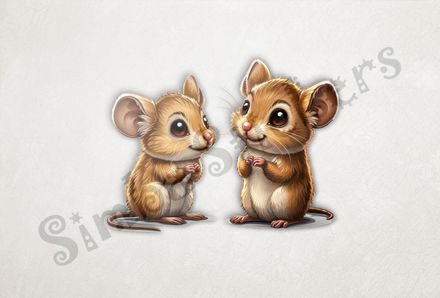
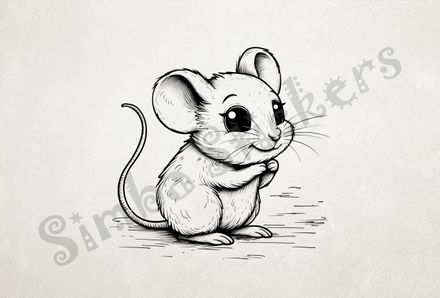
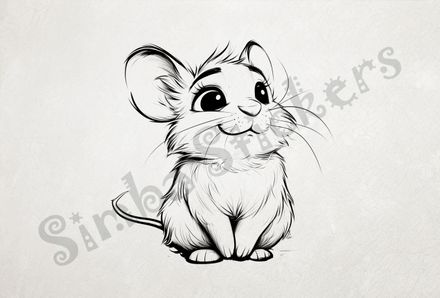
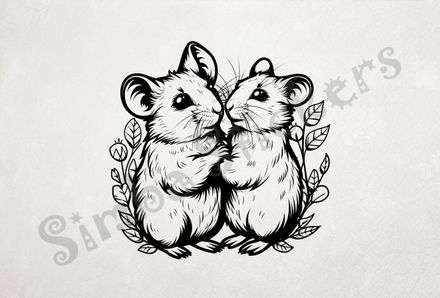
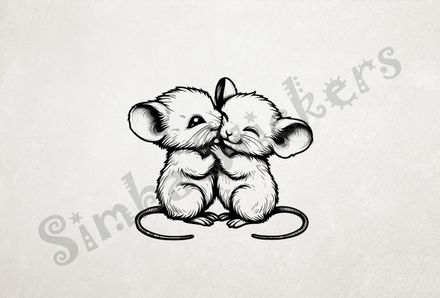
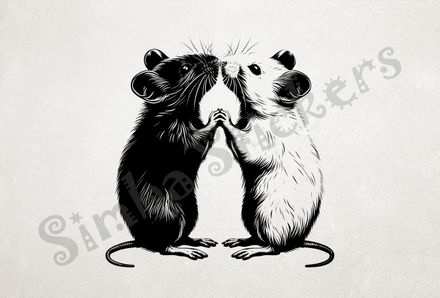
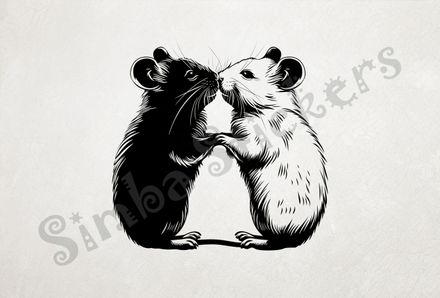
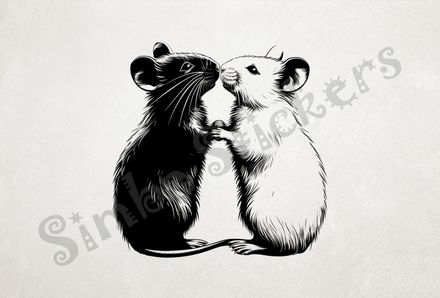
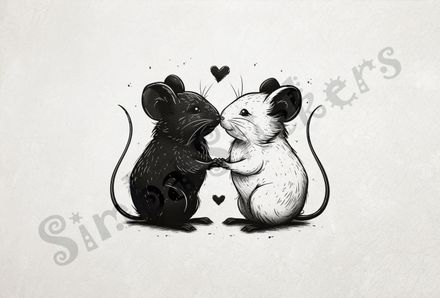
We keep adding images as will as print-on-demand products of mice as time goes on. The easiest way to keep up-to-date is to subscribe to our newsletter.
If you would like them applied to a particular kind of clothing item which is missing, then please contact us!
Simba Stickers Rodent Facts Videos in English
For facts about rodents presented in a fun and informative way, kindly have a look at our videos below!
Video Shorts
Regular Videos
We also have rodent videos available in French (regular/shorts), German (regular/shorts), Italian (regular/shorts) and Latin (regular/shorts).
Go to the Simba Stickers English channel for all our videos!
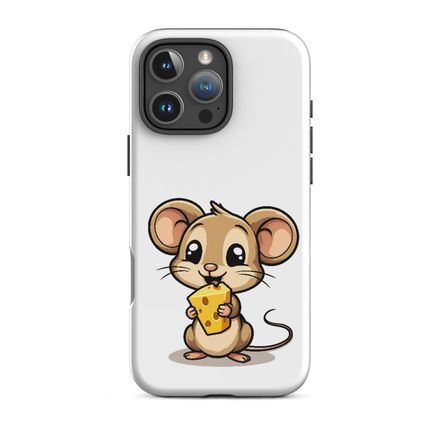
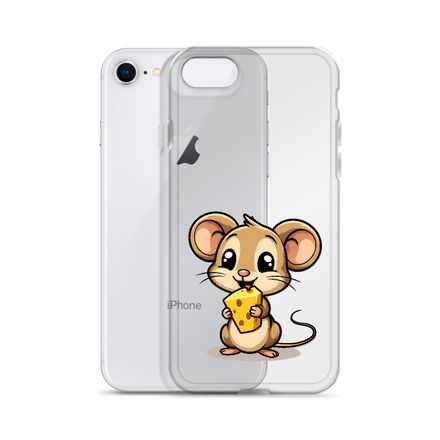
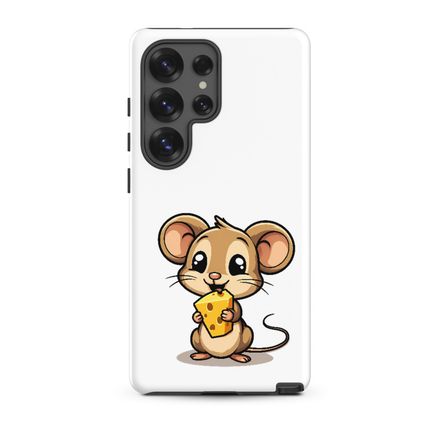
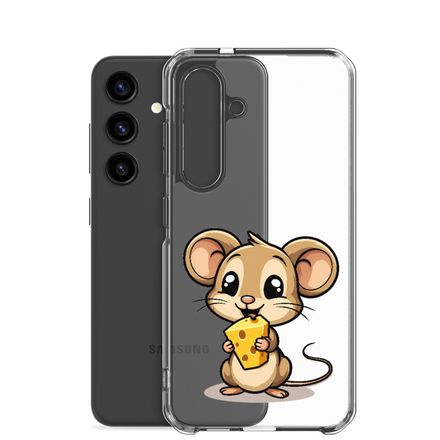
Mouse Products - digital/print-on-demand















Subscribe to our newsletter
Get the latest news and updates straight to your inbox