
Panda/Panda/Panda Bear/Bears
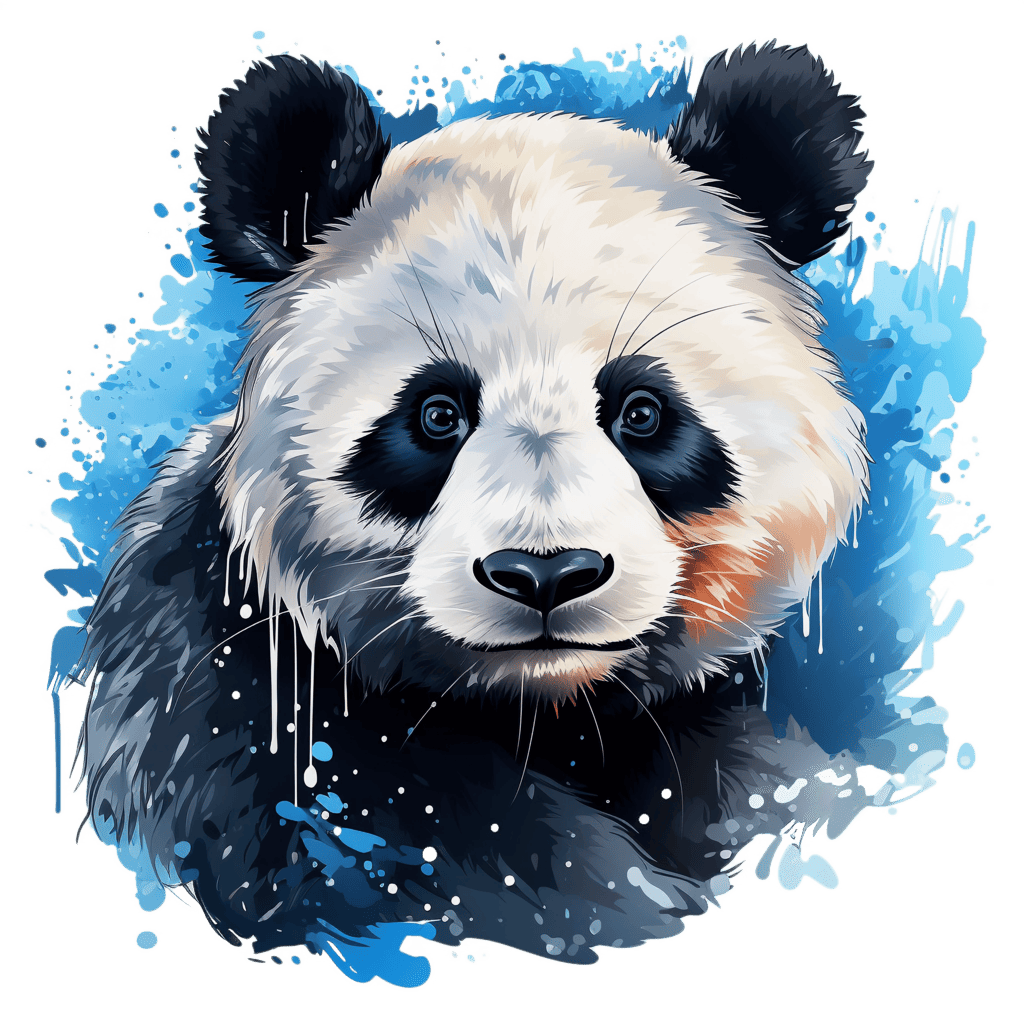
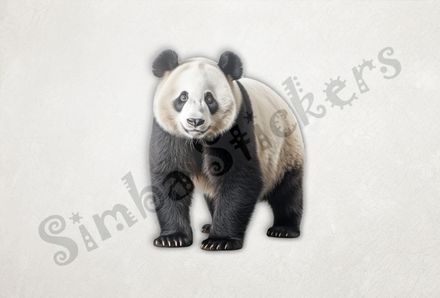
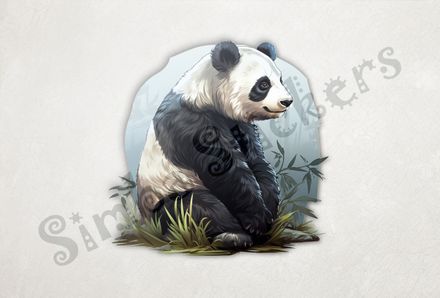
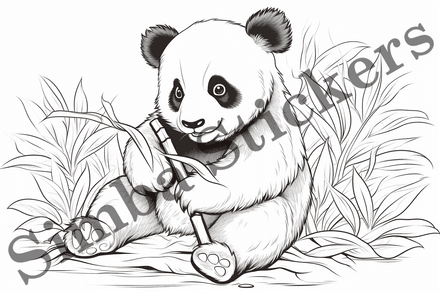
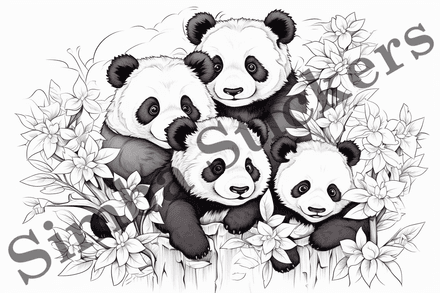
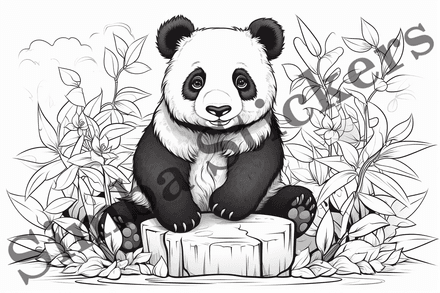
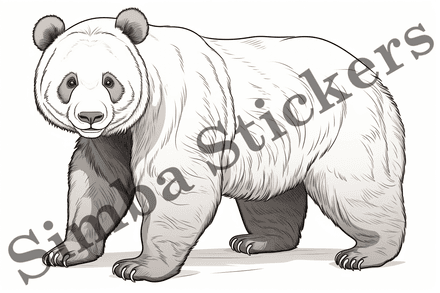
The giant panda (*Ailuropoda melanoleuca*), often simply called the panda, is a bear species native to China and instantly recognizable for its striking black-and-white fur. A single individual is referred to as a panda, while a group can be called a **plethora of pandas**—a playful collective term, though they are typically solitary in the wild. The male is known as a **boar**, the female as a **sow**, and the young are called **cubs**. Pandas have a stocky build, round faces, and distinctive black patches around their eyes, ears, legs, and shoulders, which may serve as camouflage in their forest habitat or aid in individual recognition. Despite being classified as carnivores, pandas have evolved to eat a highly specialized herbivorous diet, with bamboo making up 99% of their food intake. They possess a modified wrist bone that functions like a thumb, allowing them to grip and strip bamboo stalks with remarkable dexterity. Adult pandas typically weigh between 150 to 250 pounds (70 to 115 kg) and can grow up to 4 to 6 feet (1.2 to 1.8 meters) long.
Giant pandas inhabit the cool, misty montane forests of central China, primarily in the Sichuan, Shaanxi, and Gansu provinces. These regions are characterized by dense bamboo undergrowth at elevations between 5,000 and 10,000 feet (1,500 to 3,000 meters), where the climate is moist and temperate. Pandas require large, undisturbed forest areas with abundant bamboo, which they must consume in vast quantities—up to 26 to 84 pounds (12 to 38 kg) per day—due to their inefficient digestion of plant matter. Though they have the digestive system of a carnivore, they rely on bamboo because of evolutionary adaptation and limited competition for this resource. Their role in the ecosystem is subtle but meaningful: by feeding on bamboo, they help regulate its growth, and their movements through the forest may aid in seed dispersal and nutrient distribution. Additionally, as an umbrella species, protecting panda habitat indirectly conserves countless other plants and animals that share their forest environment, including takins, golden monkeys, and numerous bird and insect species.
Culturally, the giant panda is a global symbol of wildlife conservation and a national treasure of China. It appears on Chinese currency, postage stamps, and official emblems, and has long been associated with peace, gentleness, and resilience. The panda is also the iconic mascot of the World Wildlife Fund (WWF), chosen in 1961 for its striking appearance and endangered status, helping to raise awareness and funding for global conservation efforts. In Chinese tradition, pandas were once believed to possess magical powers and were rarely hunted. Today, they are deeply embedded in diplomacy through China’s practice of “panda diplomacy,” where pandas are loaned to foreign zoos to strengthen international relations. Once classified as endangered, the giant panda was reclassified to **vulnerable** by the IUCN in 2016 due to successful conservation programs, including habitat protection, reforestation, and captive breeding. However, threats remain, including habitat fragmentation, climate change affecting bamboo growth, and low reproductive rates. With fewer than 1,900 individuals estimated in the wild, continued protection is essential to ensure that this beloved animal continues to thrive in its native forests.
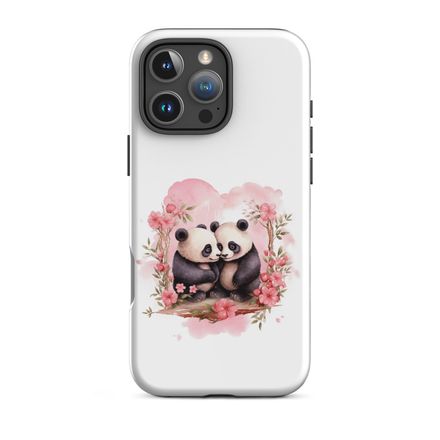
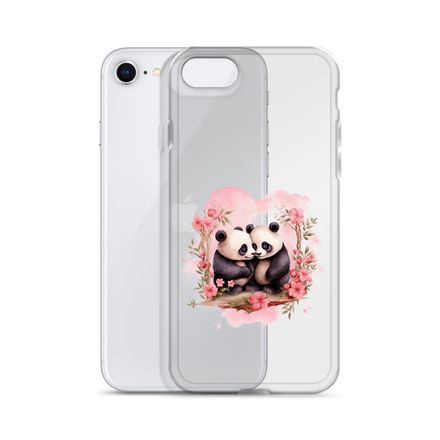
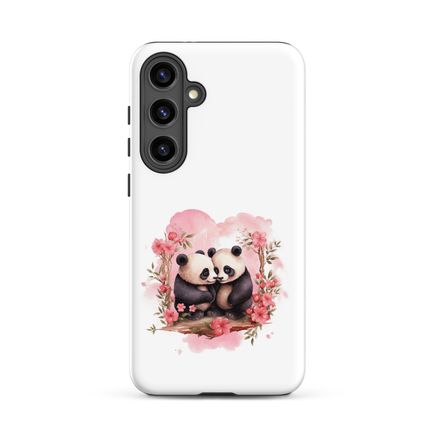
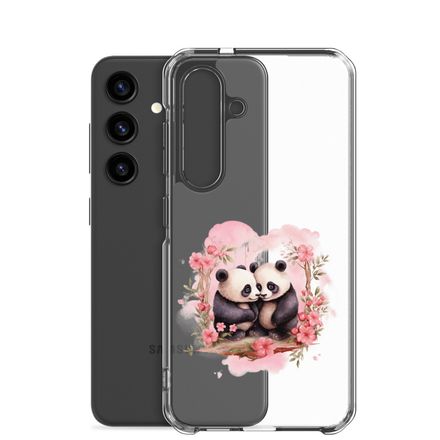
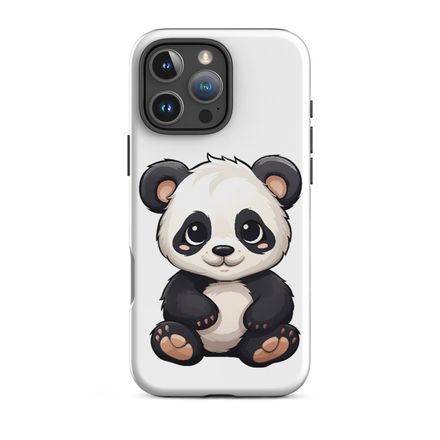
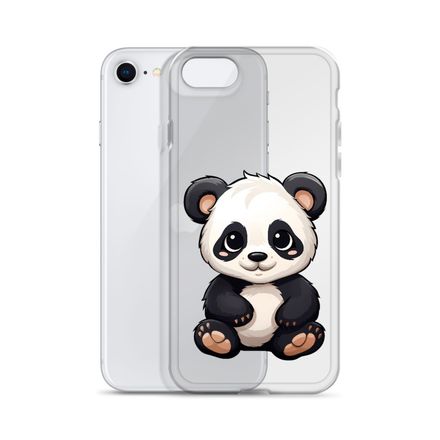
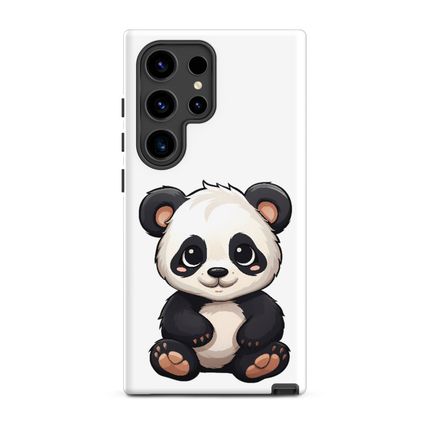
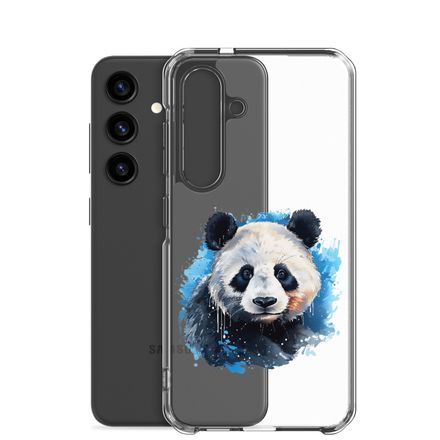
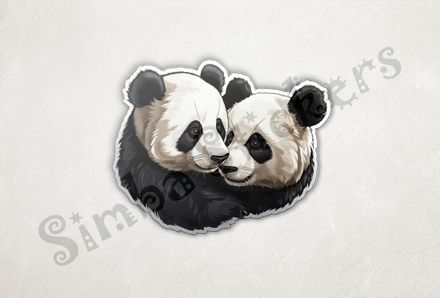
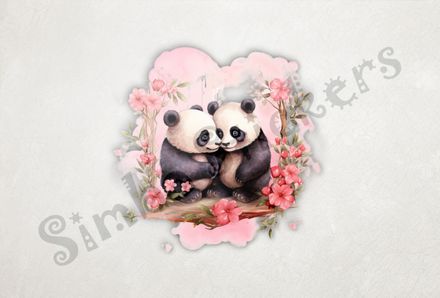
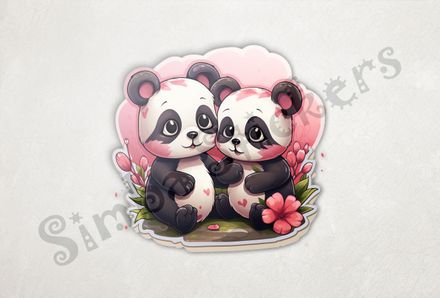
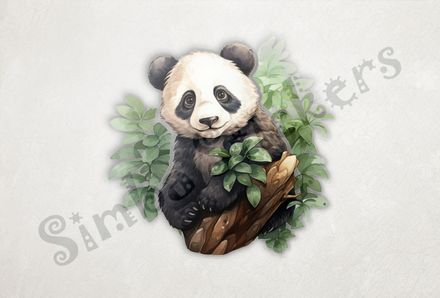
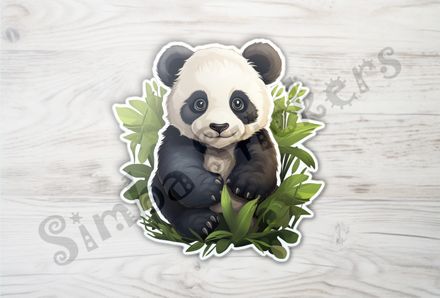
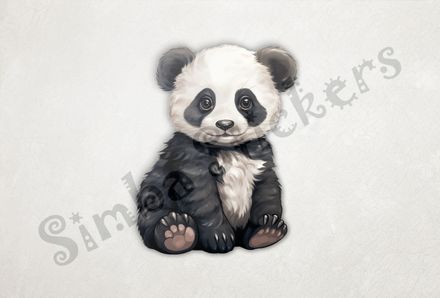
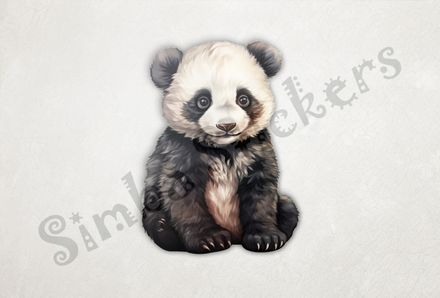
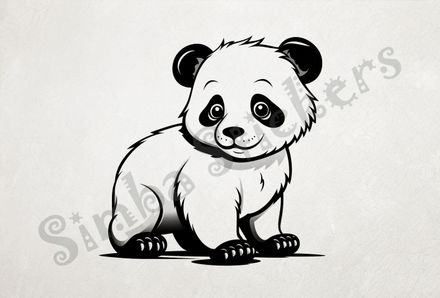
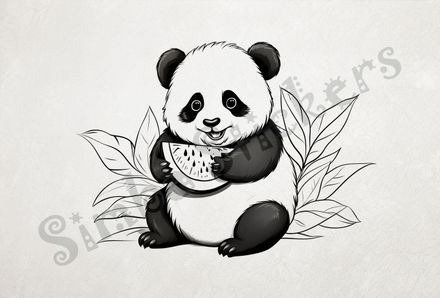
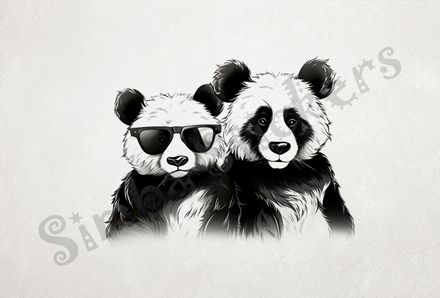
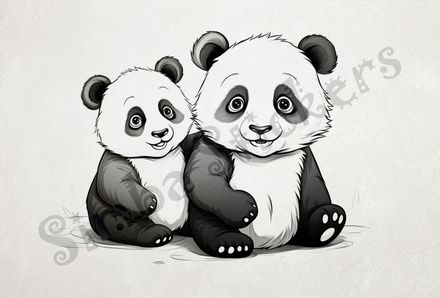
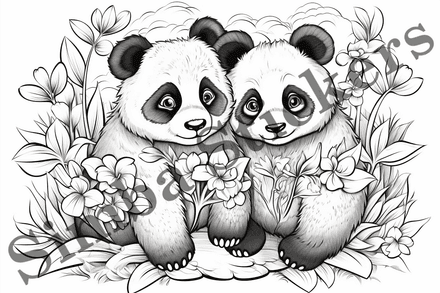
We keep adding images as will as print-on-demand products of panda bears as time goes on. The easiest way to keep up-to-date is to subscribe to our newsletter.
If you would like them applied to a particular kind of clothing item which is missing, then please contact us!
Simba Stickers Wild Animal Facts Videos in English
For facts about wild animals presented in a fun and informative way, kindly have a look at our videos below!
Video Shorts
Regular Videos
We also have wild animal videos available in French (regular/shorts), German (regular/shorts), Italian (regular/shorts) and Latin (regular/shorts).
Go to the Simba Stickers English channel for all our videos!
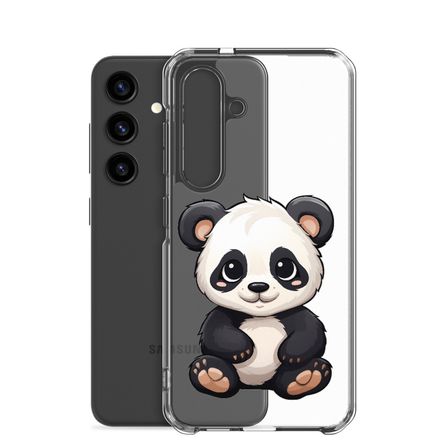
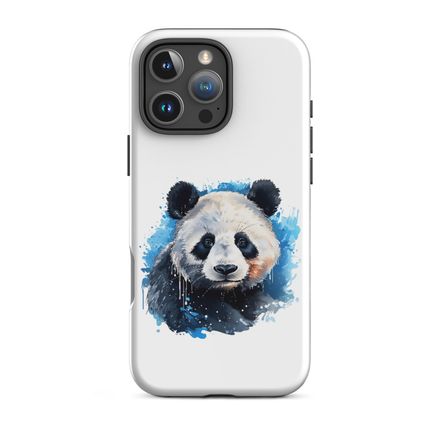
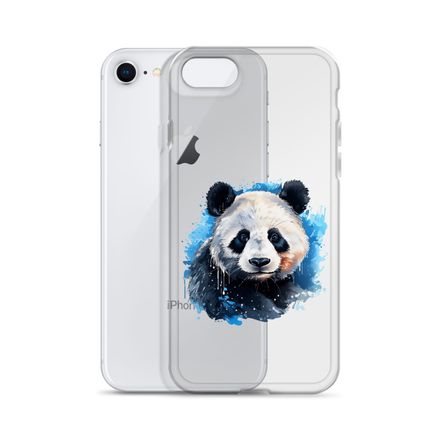
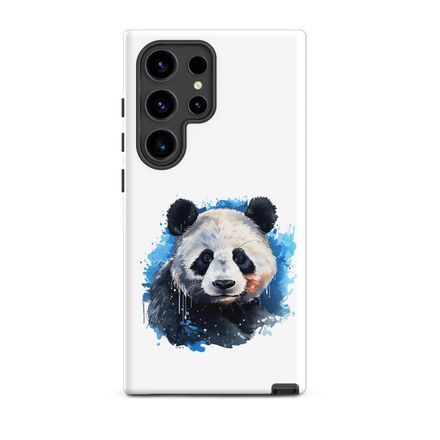
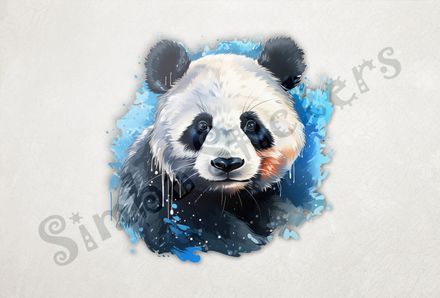
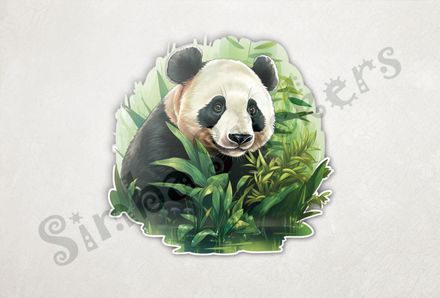
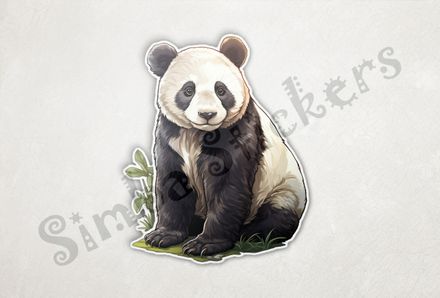
Panda Bear Products - digital/print-on-demand



Subscribe to our newsletter
Get the latest news and updates straight to your inbox