
Parrot/Parrots
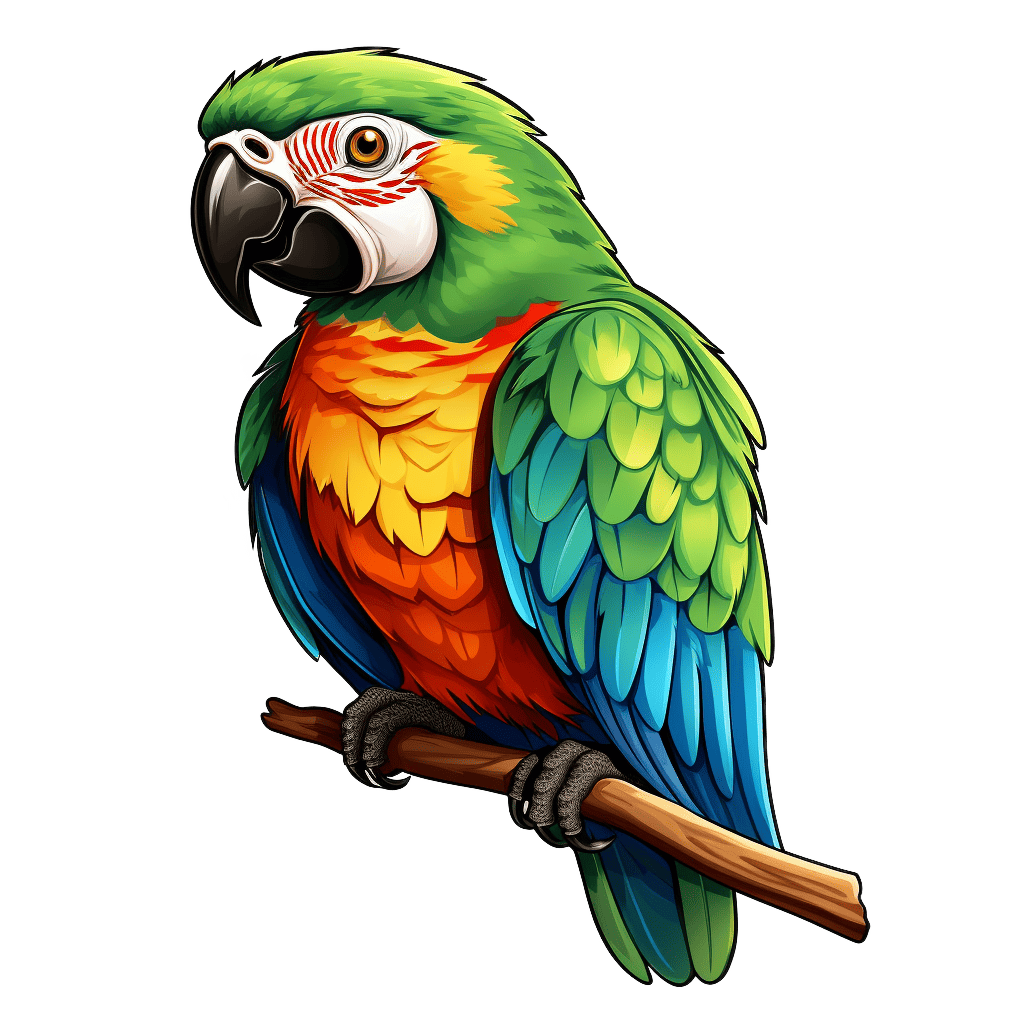
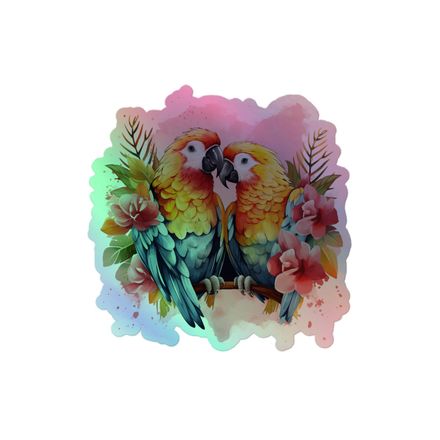
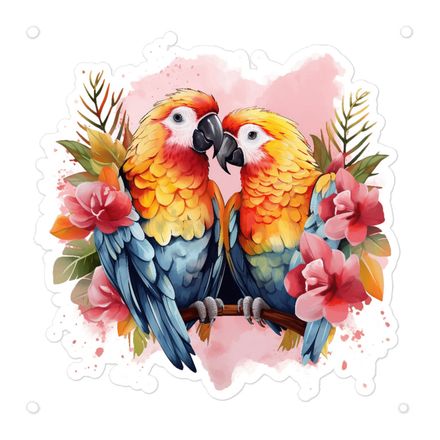
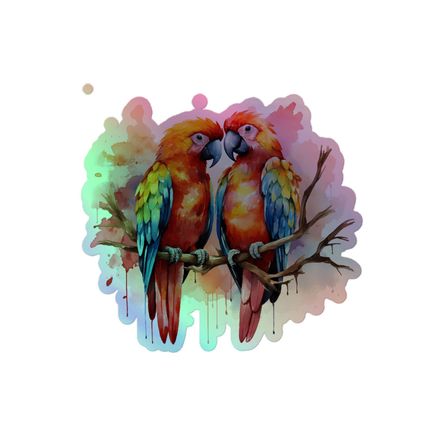
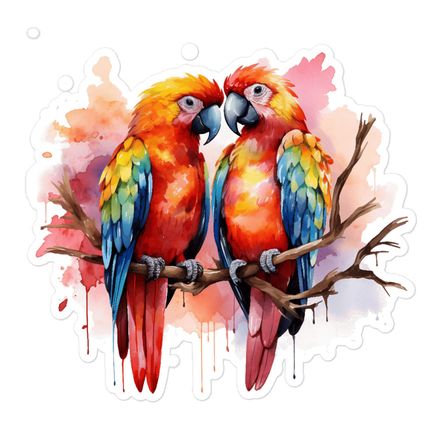
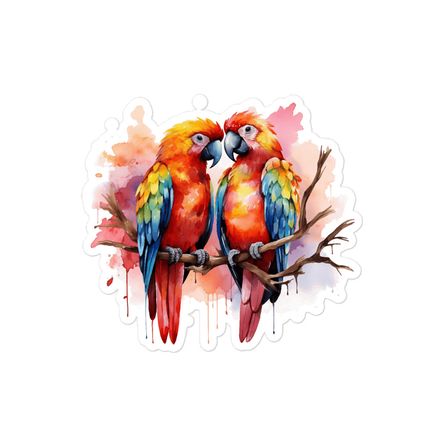
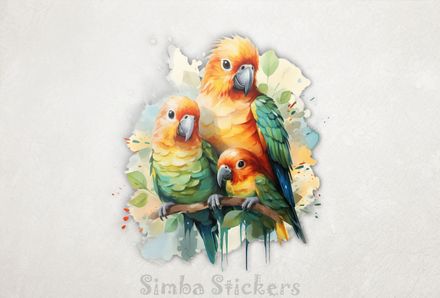
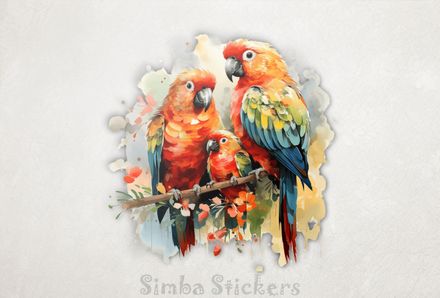
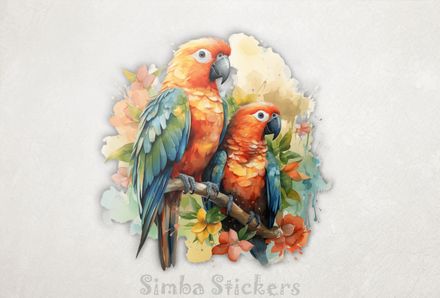
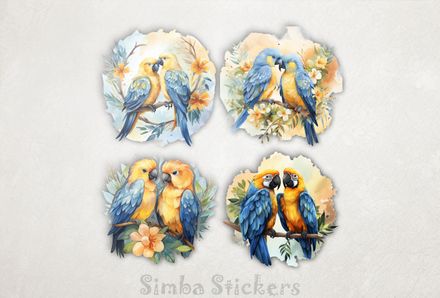
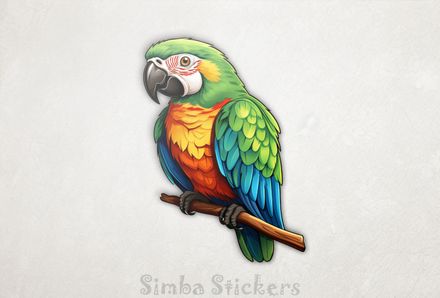
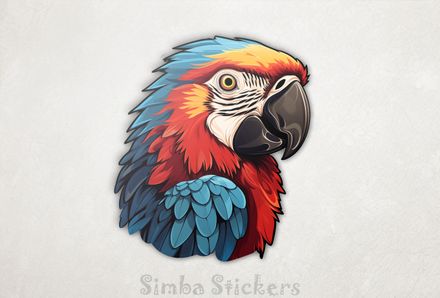
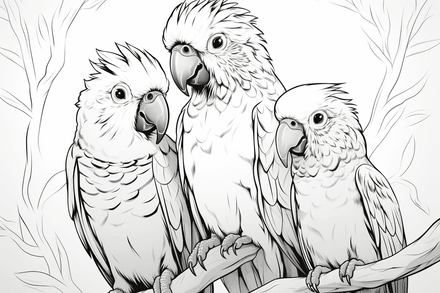
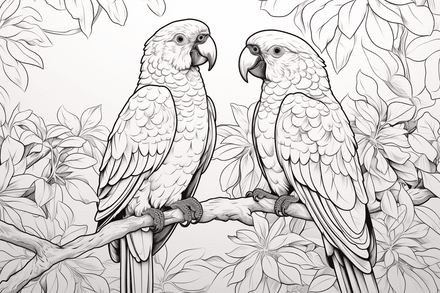
Parrots belong to the bird order *Psittaciformes*, which includes over 390 species such as macaws, cockatoos, lorikeets, and budgerigars. A single animal is called a **parrot**, while a group can be referred to as a **pandemonium**, **flock**, or **company** of parrots—terms that reflect their loud, colorful, and social nature. Males and females are typically not distinguished by unique common names and are usually identified simply as male or female parrots, though in aviculture, terms like **cock** (male) and **hen** (female) are sometimes used. The young are called **chicks**, and they hatch blind and helpless, relying on parental care for weeks or months. Parrots are renowned for their vibrant plumage, strong curved beaks adapted for cracking nuts and seeds, and zygodactyl feet—two toes pointing forward and two backward—that allow them to grip branches and manipulate objects with remarkable dexterity. Many species possess exceptional intelligence and advanced cognitive abilities, rivaling those of primates. Perhaps their most famous trait is their ability to mimic sounds, including human speech, made possible by a specialized vocal organ called the syrinx.
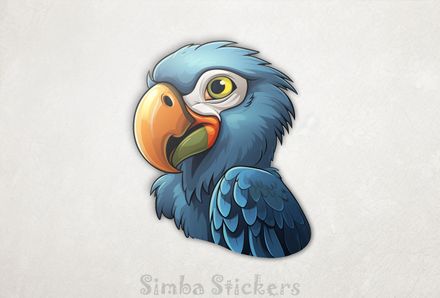
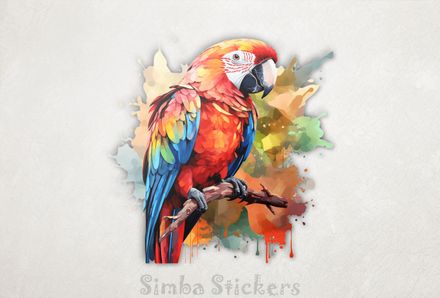
Parrots inhabit tropical and subtropical regions across the world, with the greatest diversity found in South America, Central America, Australia, Southeast Asia, and parts of Africa. They thrive in rainforests, savannas, woodlands, and even urban environments where trees provide food and nesting sites. The scarlet macaw (*Ara macao*) soars through Amazonian canopies, the sulphur-crested cockatoo (*Cacatua galerita*) calls from Australian eucalyptus forests, and the kea (*Nestor notabilis*) of New Zealand’s alpine zones displays rare problem-solving skills. While wild parrots are not "bred" in the domestic sense, many species have subspecies adapted to specific islands or climates—such as the Cuban amazon (*Amazona leucocephala*) and its isolated Bahamian subspecies. In captivity, selective breeding has produced color mutations in popular pets like the **budgerigar** (*Melopsittacus undulatus*), resulting in an array of hues not seen in the wild. Some parrots, like the African grey (*Psittacus erithacus*), are famed for their advanced communication skills, while others, such as the hyacinth macaw (*Anodorhynchus hyacinthinus*), are admired for their size and striking cobalt-blue feathers.
Culturally, parrots have long fascinated humans. In ancient civilizations, they were symbols of wisdom and immortality; in Hindu mythology, the parrot is associated with love and fertility, often linked to the god Kamadeva. European explorers brought parrots back as exotic curiosities, and today, they remain among the most popular pet birds worldwide due to their beauty, personality, and ability to bond with people. However, this demand has fueled illegal wildlife trade, contributing to population declines. Ecologically, parrots play vital roles in their native habitats. As seed and fruit eaters, they act as important seed dispersers, helping regenerate forests. Their nesting habits—in tree cavities—also create homes for other animals after they depart. Unfortunately, habitat destruction, deforestation, and the pet trade have placed many species at risk. The Spix’s macaw is now extinct in the wild, and species like the Puerto Rican parrot and the Glaucous macaw are critically endangered. Conservation programs, including captive breeding and rewilding, aim to restore populations. Revered for their brilliance in both color and mind, parrots remind us of nature’s vibrancy and the urgent need to protect it.
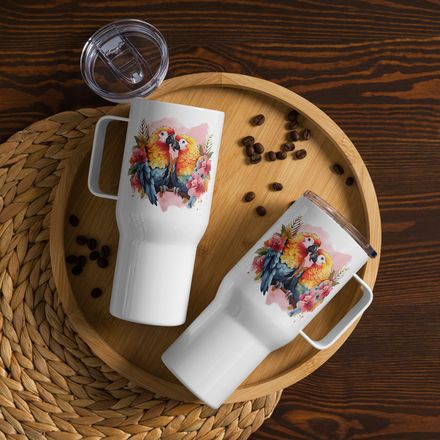
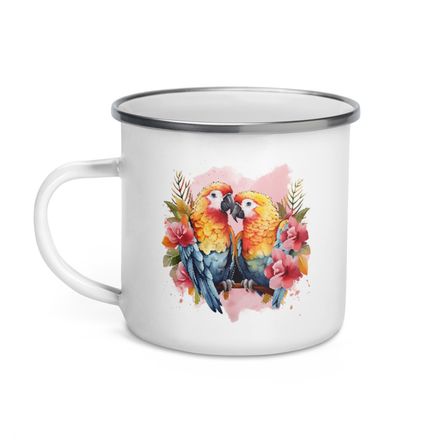
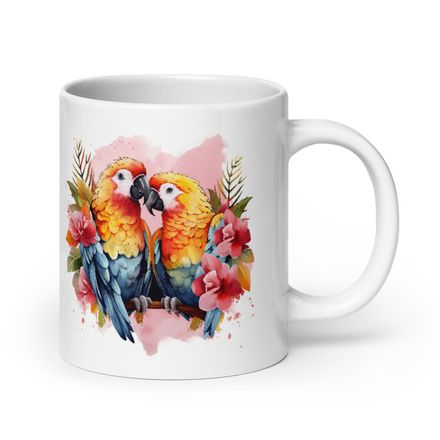
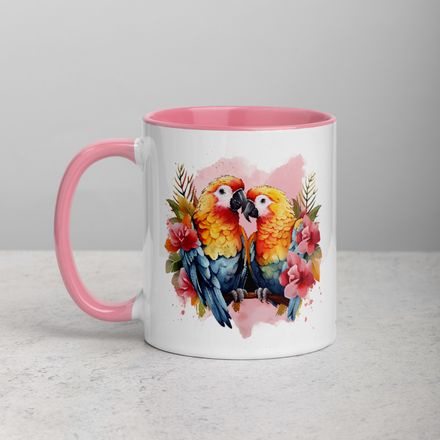
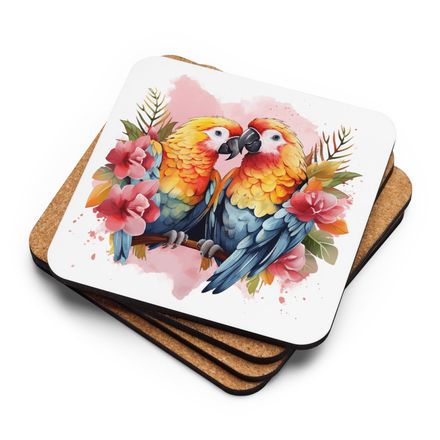
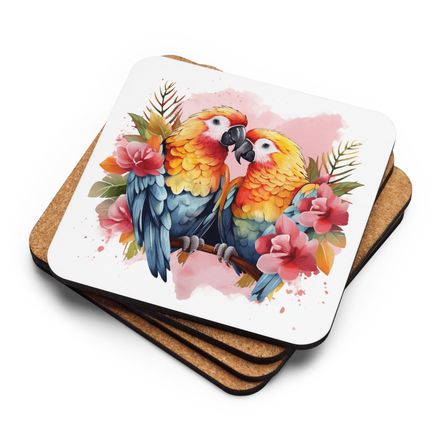
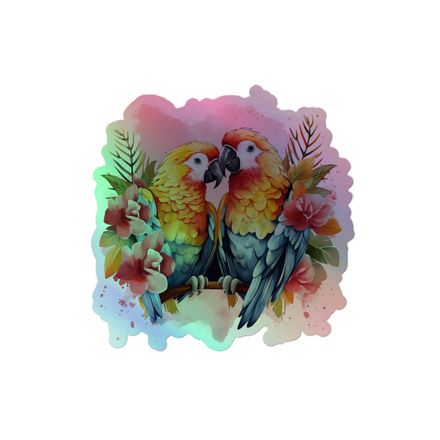
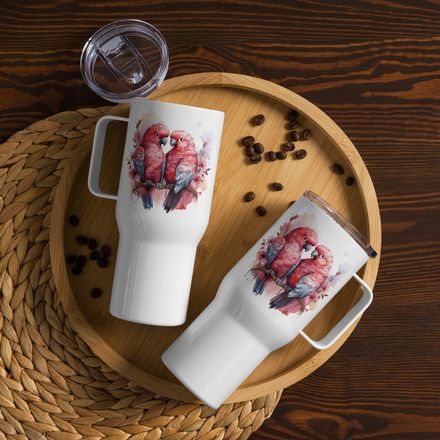
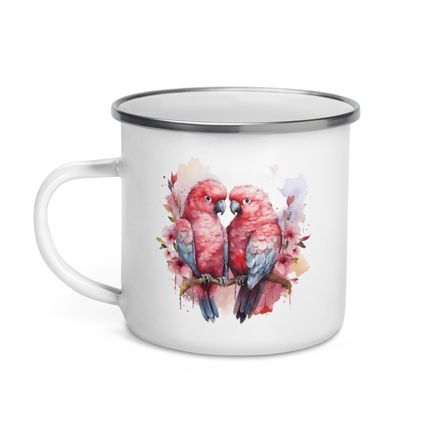
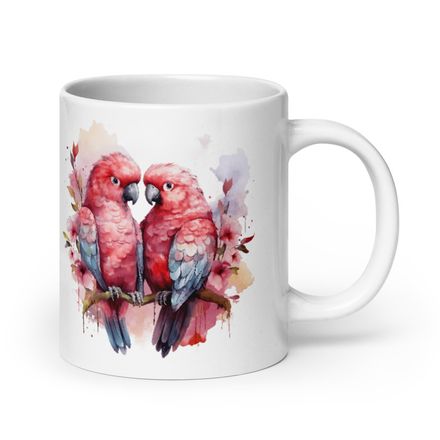
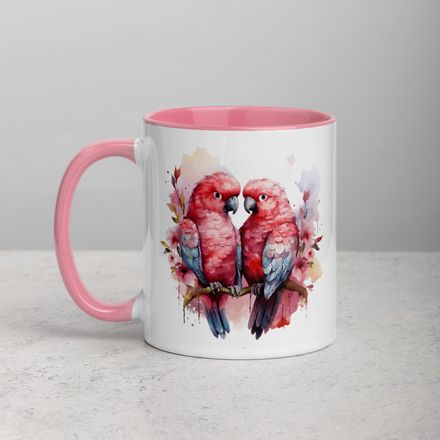
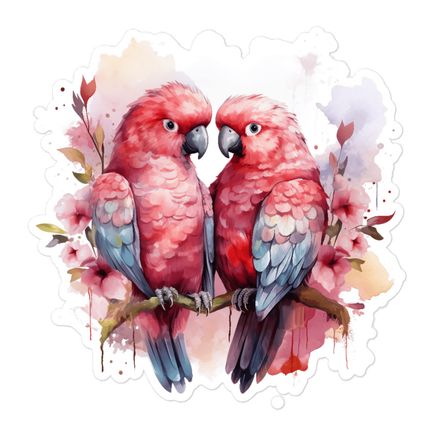
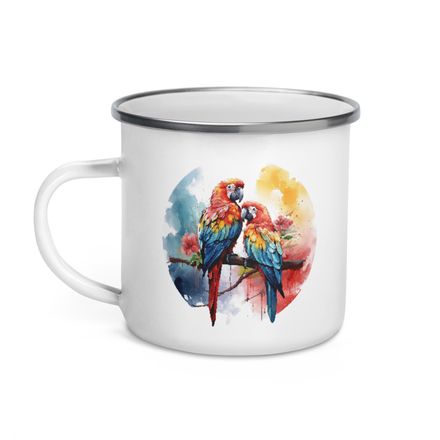
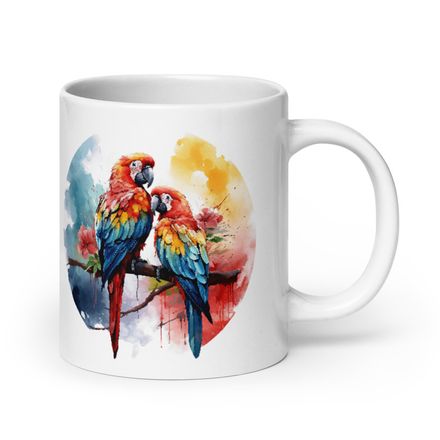
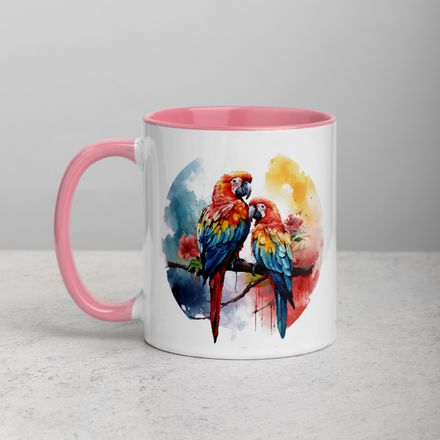
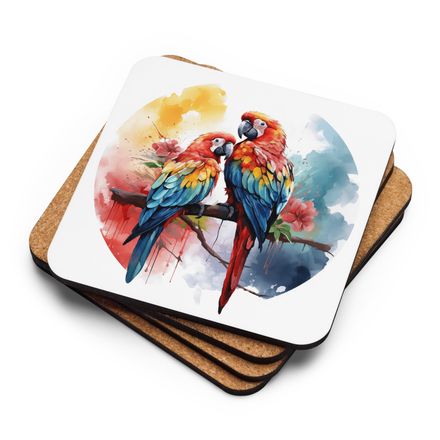
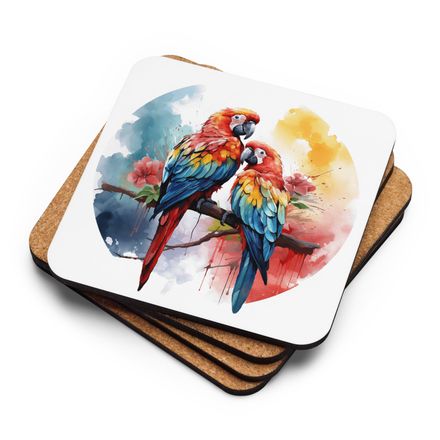
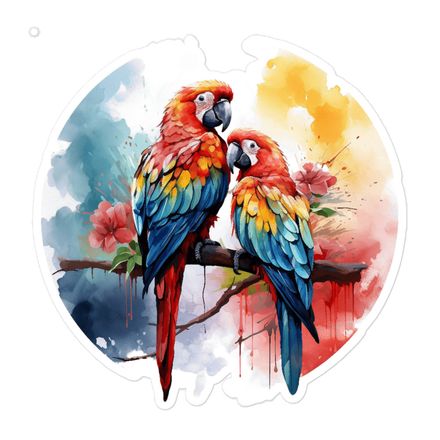
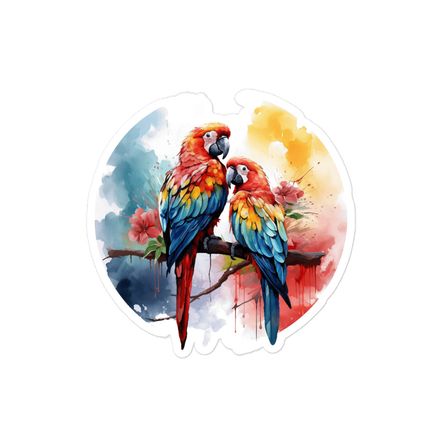
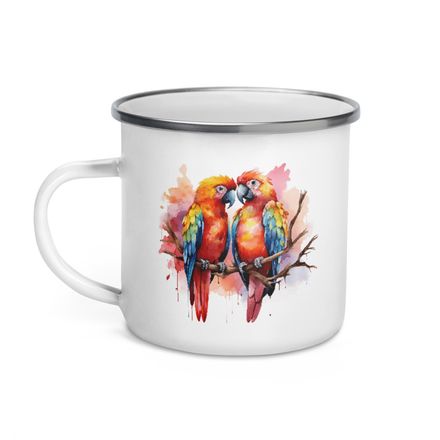
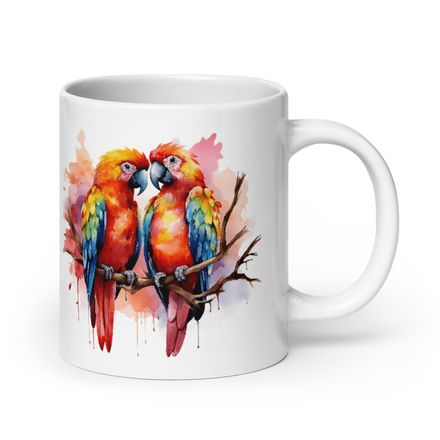
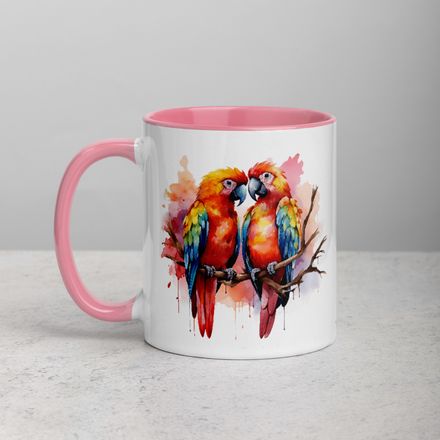
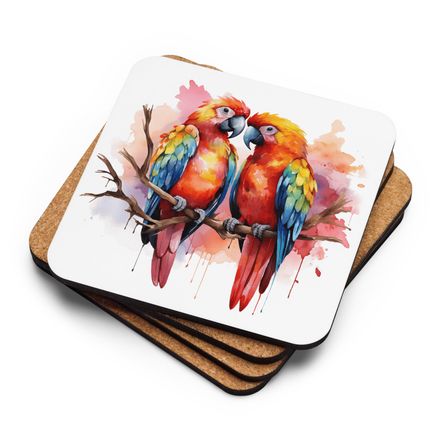
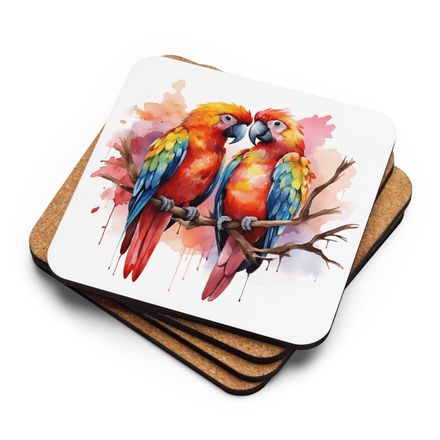
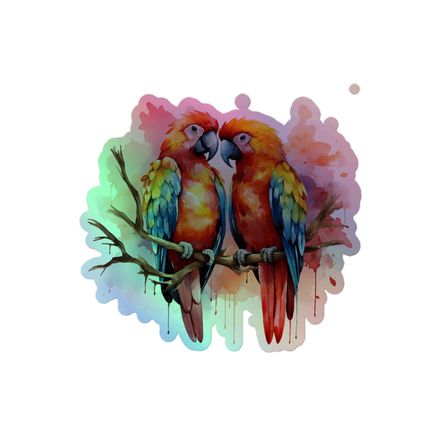
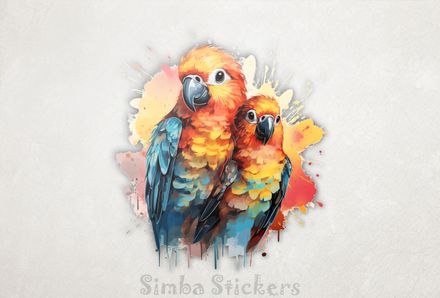
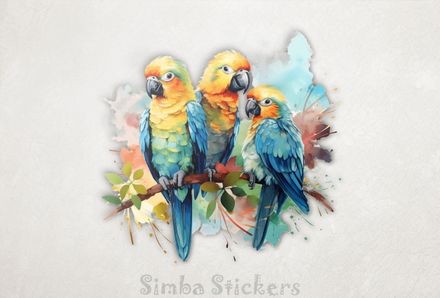
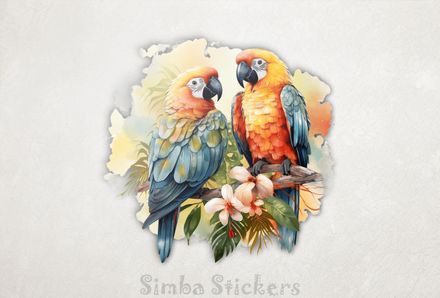
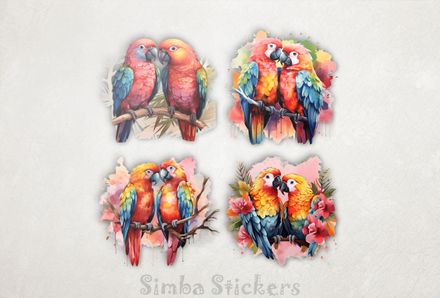
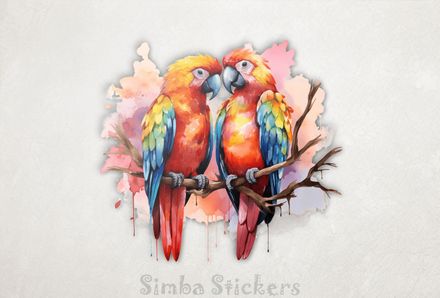
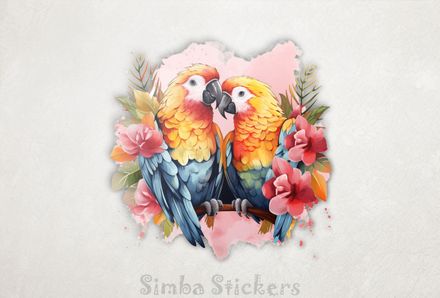
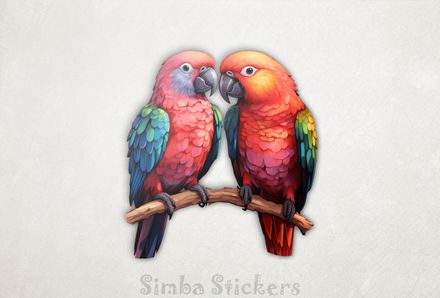
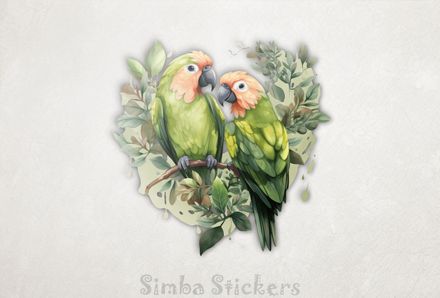
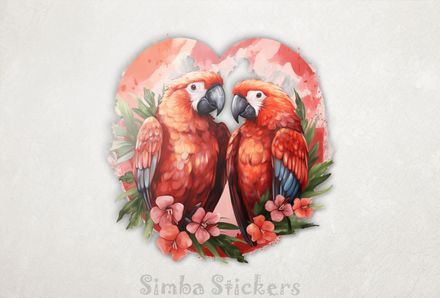
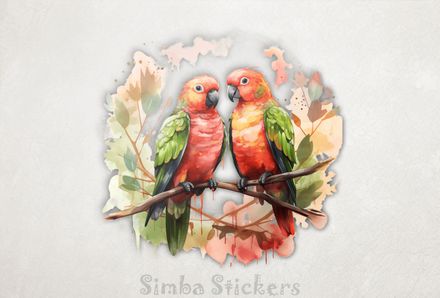
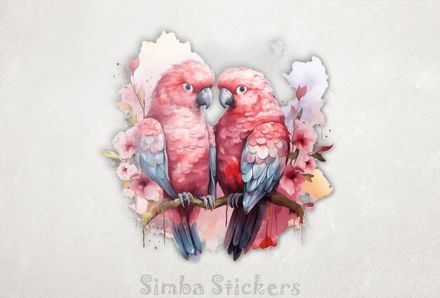
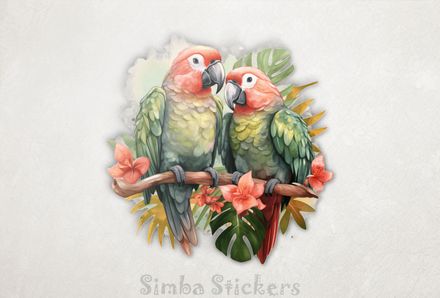
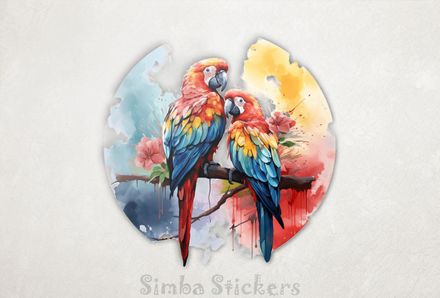
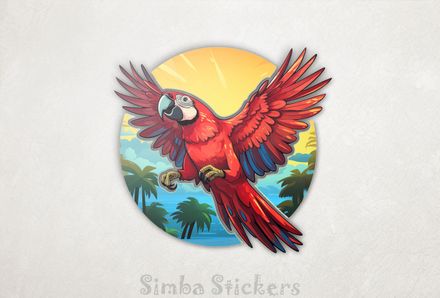
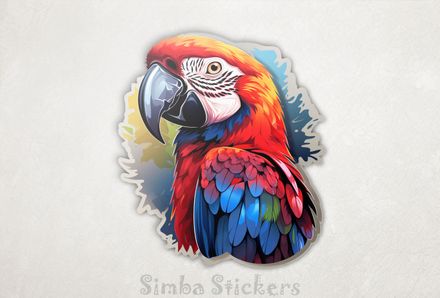
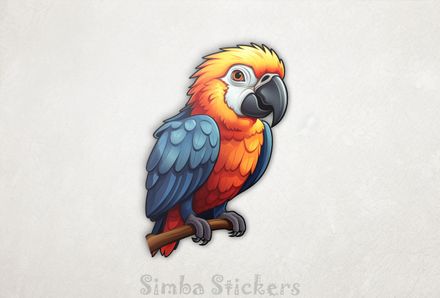
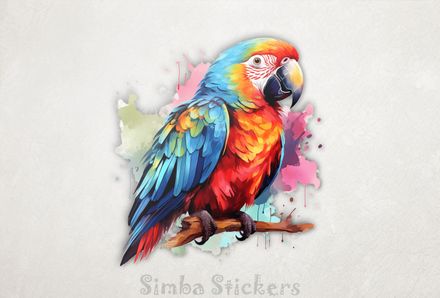
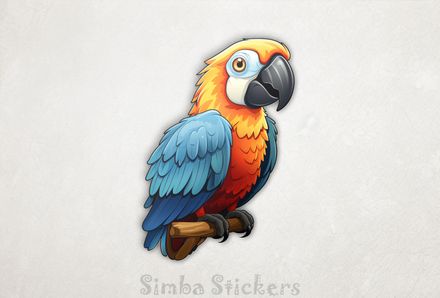
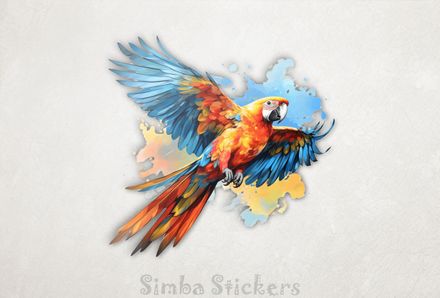
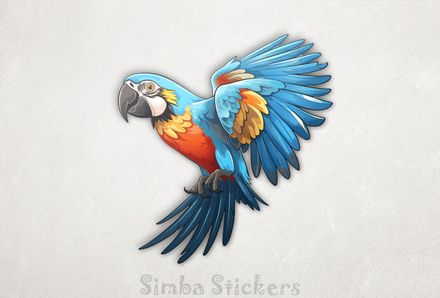
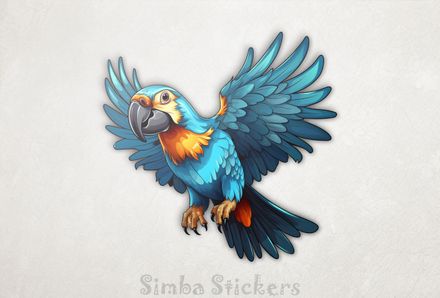
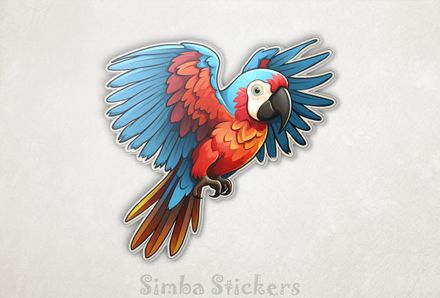
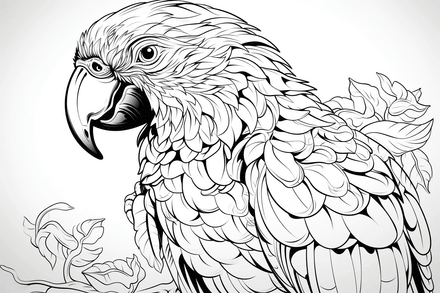
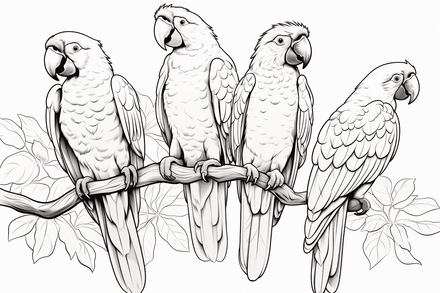
We keep adding images as will as print-on-demand products of parrots as time goes on. The easiest way to keep up-to-date is to subscribe to our newsletter.
If you would like them applied to a particular kind of clothing item which is missing, then please contact us!
Simba Stickers Wild Bird Facts Videos in English
For facts about wild birds presented in a fun and informative way, kindly have a look at our videos below!
Video Shorts
Regular Videos
We also have wild bird videos available in French (regular/shorts), German (regular/shorts), Italian (regular/shorts) and Latin (regular/shorts).
Go to the Simba Stickers English channel for all our videos!
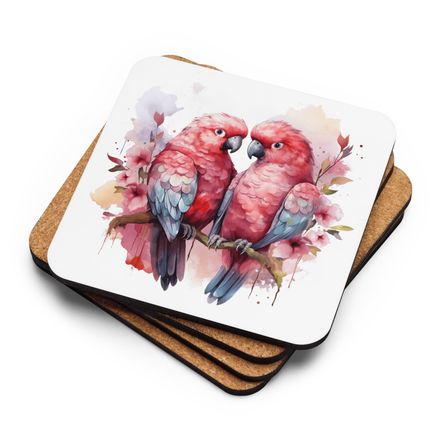
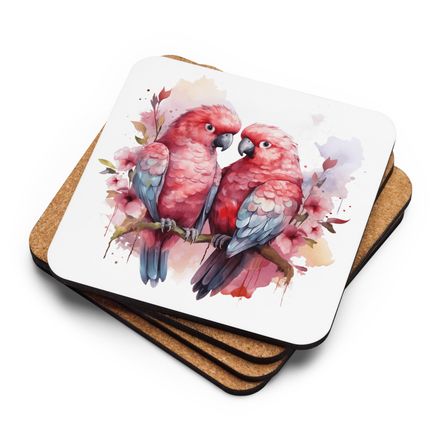
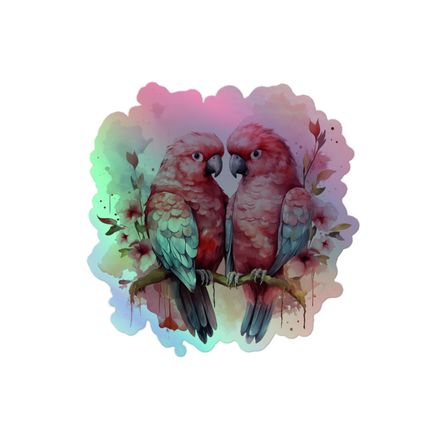
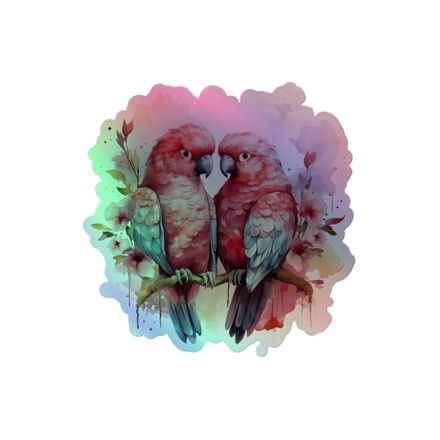
Parrot Products - digital/print-on-demand


Subscribe to our newsletter
Get the latest news and updates straight to your inbox