
Penguin/Penguins
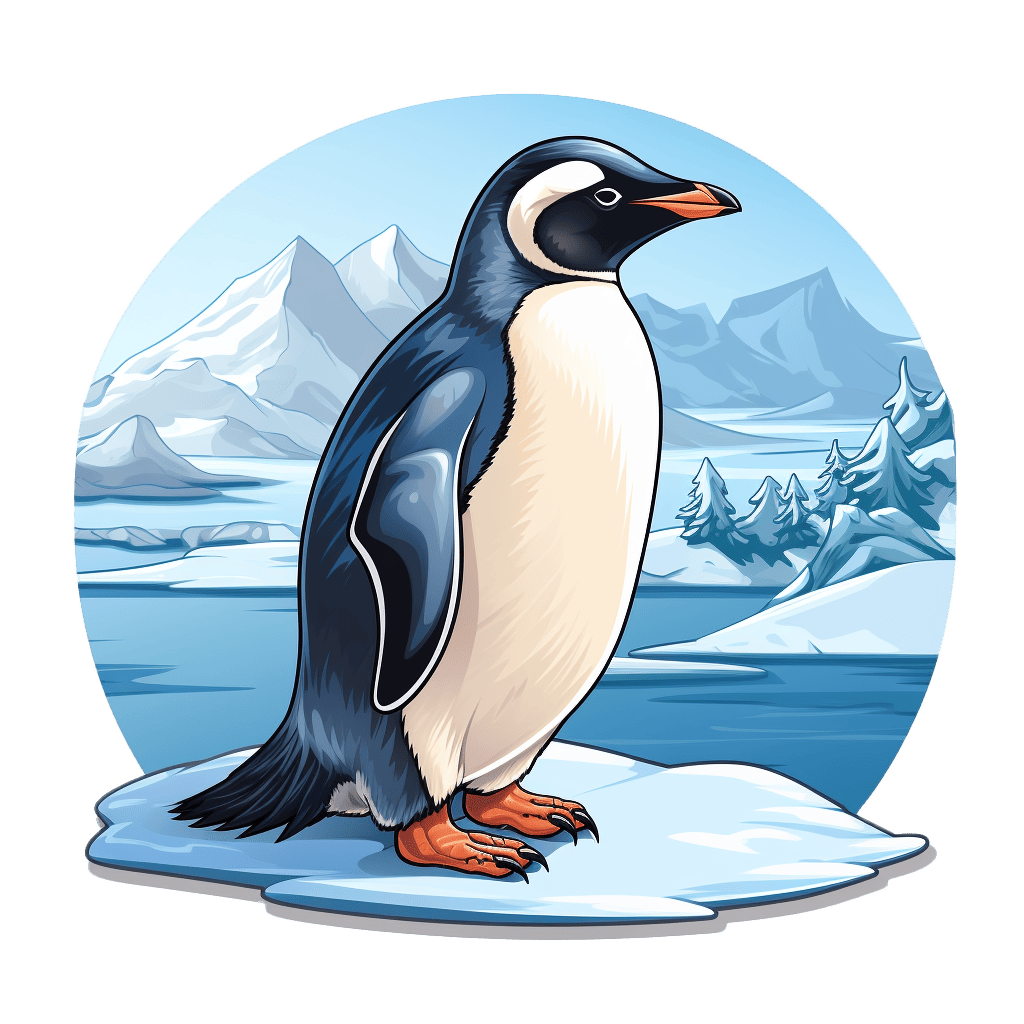
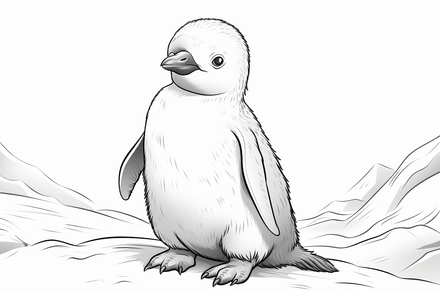
Penguins are flightless seabirds belonging to the family *Spheniscidae*, with the most well-known species being the emperor penguin (*Aptenodytes forsteri*) and the Adélie penguin (*Pygoscelis adeliae*). A single animal is called a **penguin**, while a group has several collective names depending on context: a **colony** when nesting, a **rookery** during breeding season, or a **waddle** when walking on land; in water, they may simply be referred to as a group or raft. Male and female penguins do not have widely used distinct common names—both are generally called penguins—but scientists refer to them as male and female. The young are called **chicks**, and they are typically covered in soft down feathers until they develop their waterproof adult plumage. Penguins are instantly recognizable by their black-and-white tuxedo-like coloring (a form of camouflage called countershading), upright posture, and flipper-like wings adapted for swimming. They are expert swimmers, using their flippers to "fly" through water at speeds up to 15 miles per hour, while their dense bones and layer of blubber help them dive deep and stay warm in frigid waters. Most species exhibit strong pair bonds and take turns incubating eggs and feeding chicks.
Penguins inhabit the Southern Hemisphere, with the majority found in Antarctica, though some species live along the coasts of South America, Africa, Australia, and New Zealand. The emperor penguin thrives in the extreme cold of inland Antarctica, enduring temperatures below -40°C and months of darkness, while the Galápagos penguin (*Spheniscus mendiculus*) lives near the equator, surviving in a narrow climate zone cooled by ocean currents. Other notable species include the king penguin (*Aptenodytes patagonicus*), the chinstrap penguin (*Pygoscelis antarcticus*), and the little blue penguin (*Eudyptula minor*), the smallest species, native to Australia and New Zealand. While not domesticated or bred into “breeds,” penguins do have subspecies in some cases—such as the northern and southern rockhopper penguin (*Eudyptes chrysocome* and *Eudyptes filholi*), which differ slightly in appearance and genetics. These variations reflect adaptations to regional climates, food sources, and breeding environments. All penguins rely on healthy marine ecosystems, feeding primarily on fish, krill, and squid, and spending much of their lives at sea, returning to land only to breed and molt.
Culturally, penguins have captured global affection for their comical waddle, devoted parenting, and resilience in harsh conditions. They appear in films like *March of the Penguins* and *Happy Feet*, often symbolizing perseverance, teamwork, and family values. In Indigenous Antarctic cultures (among those who historically interacted with sub-Antarctic islands), penguins were respected as important sources of food and oil. Today, they are icons of conservation, drawing attention to climate change and the fragility of polar ecosystems. Ecologically, penguins play a key role as both predators and prey. By consuming large quantities of krill and fish, they help regulate marine populations, while their eggs and chicks provide food for skuas, leopard seals, and other predators. Their guano (droppings) enriches coastal soils and supports microbial and plant life in otherwise barren landscapes. However, many penguin species face growing threats from warming oceans, melting ice, overfishing of their prey, and habitat disturbance. The emperor penguin is now classified as **Near Threatened**, and the Galápagos penguin is **Endangered** due to its limited range. Protecting penguins means safeguarding the health of the entire Southern Ocean ecosystem—a mission that underscores the interconnectedness of wildlife, climate, and human responsibility.
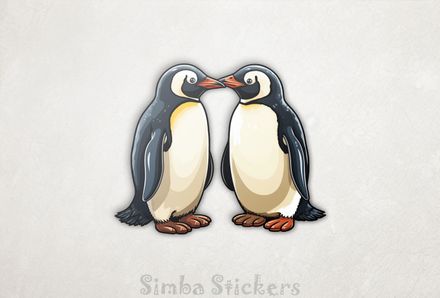
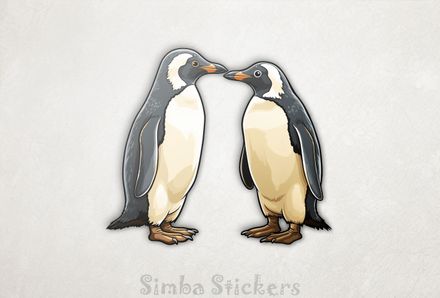
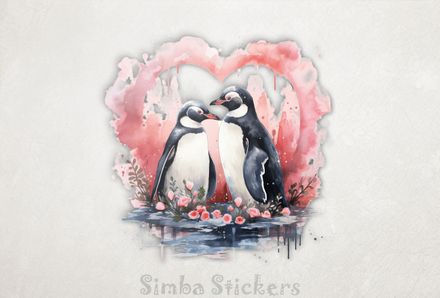
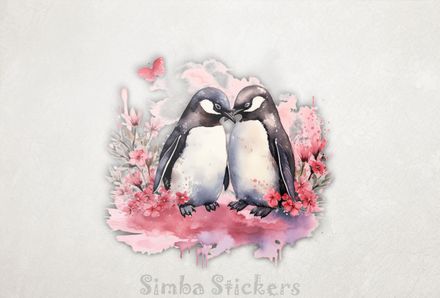
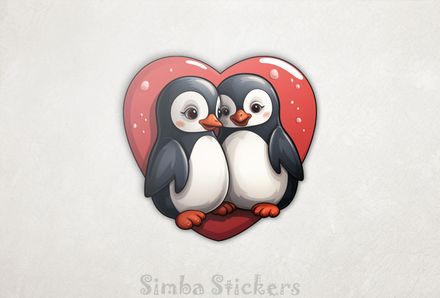
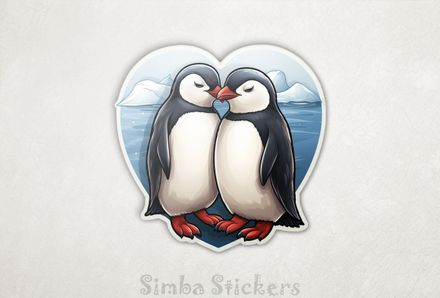
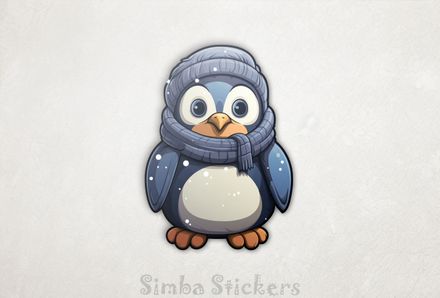
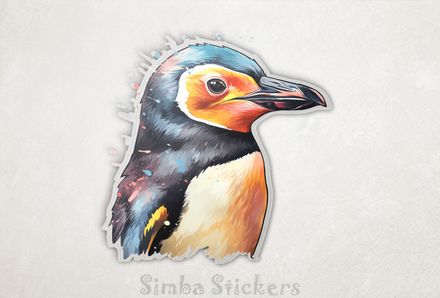
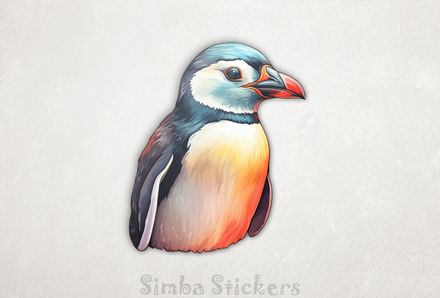
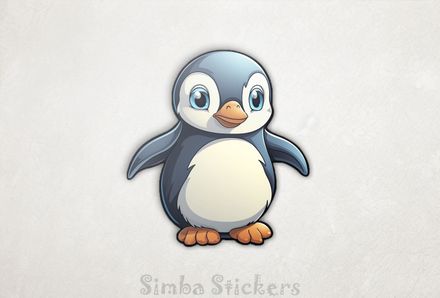
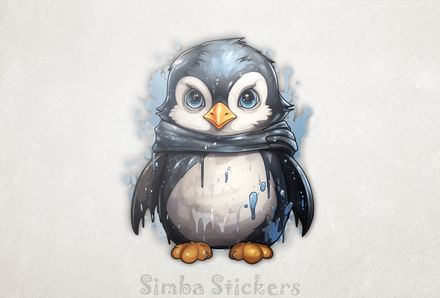
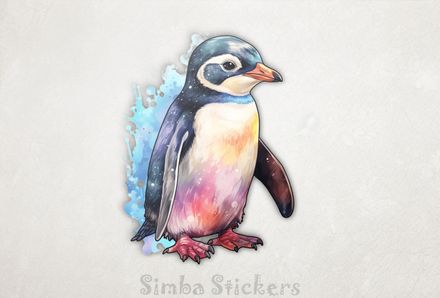
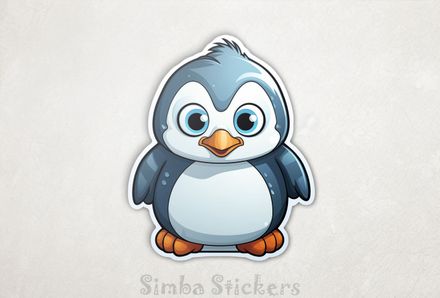
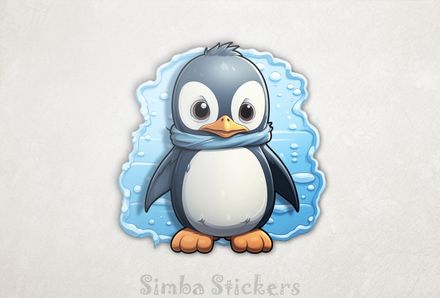
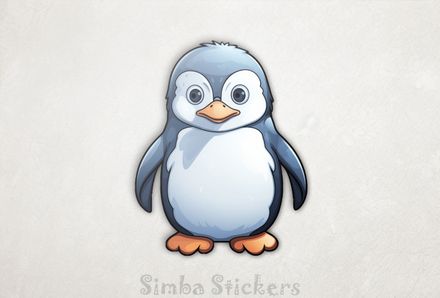
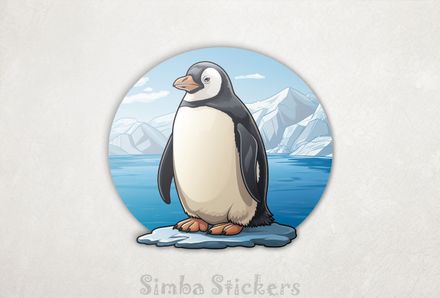
We keep adding images as will as print-on-demand products of penguins as time goes on. The easiest way to keep up-to-date is to subscribe to our newsletter.
If you would like them applied to a particular kind of clothing item which is missing, then please contact us!
Simba Stickers Bird Facts Videos in English
For facts about birds presented in a fun and informative way, kindly have a look at our videos below!
Video Shorts
Regular Videos
We also have bird videos available in French (regular/shorts), German (regular/shorts), Italian (regular/shorts) and Latin (regular/shorts).
Go to the Simba Stickers English channel for all our videos!
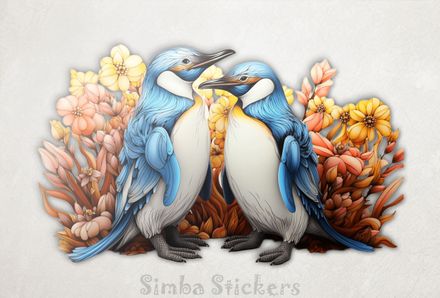
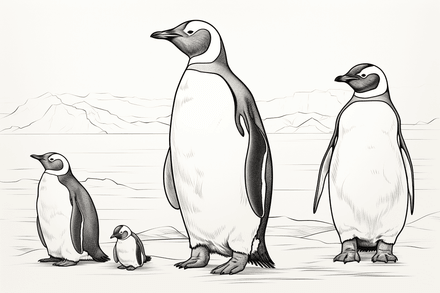
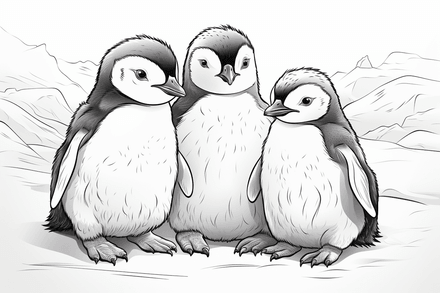
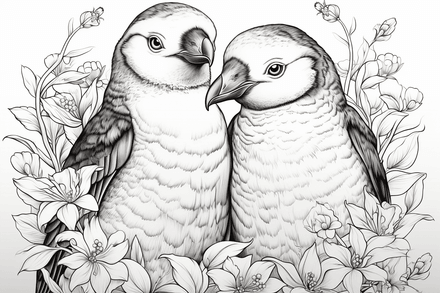
Penguin Products - digital/print-on-demand





Subscribe to our newsletter
Get the latest news and updates straight to your inbox