
Rabbit/Rabbits
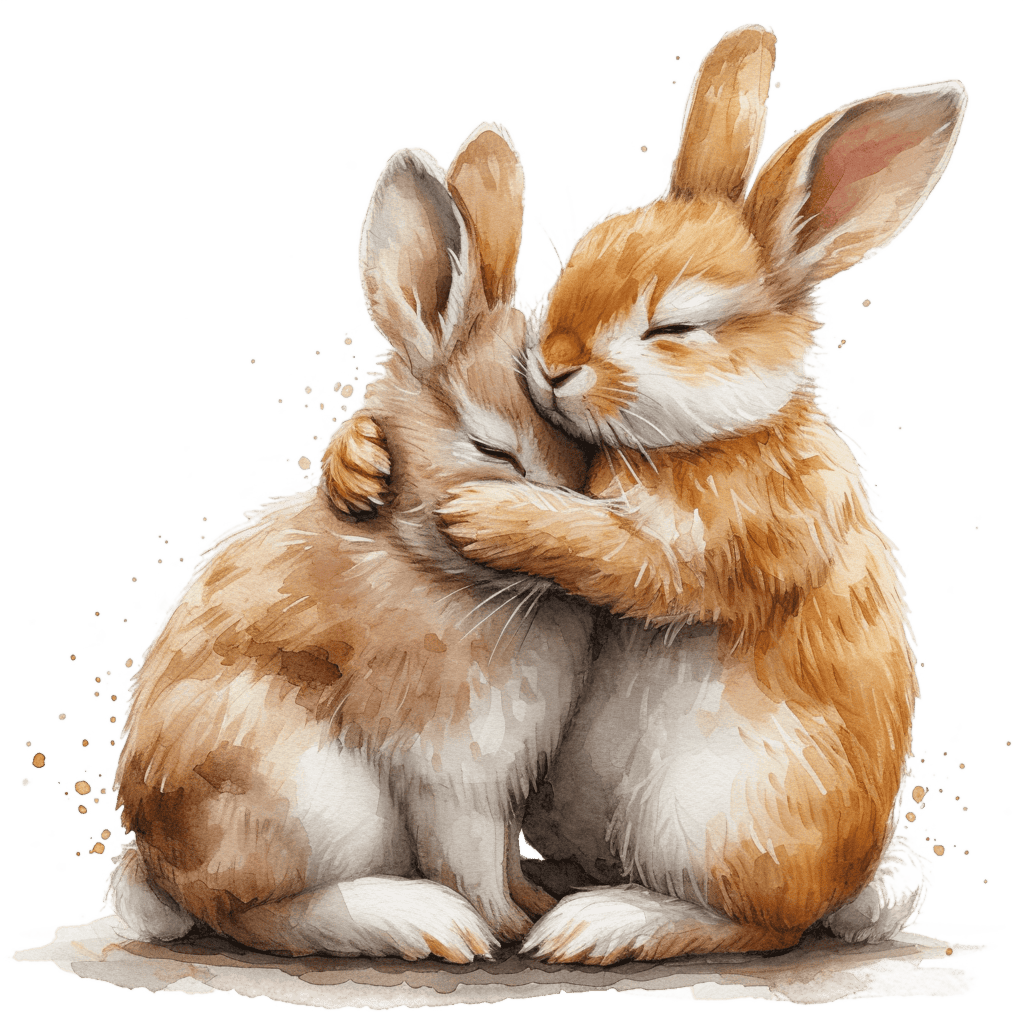
Rabbits belong to the family *Leporidae* and the genus *Oryctolagus*, with the European rabbit (*Oryctolagus cuniculus*) being the most well-known and the ancestor of all domestic rabbits. A single animal is called a **rabbit**, while a group is commonly referred to as a **colony**, **nest**, or **warren**—the latter named after the complex underground burrow systems they often inhabit. The male is known as a **buck**, the female as a **doe**, and the young are called **kittens** or **kits**—a term that distinguishes them from leverets, which are young hares. Rabbits are small mammals with soft fur, long ears, strong hind legs built for hopping, and a short, fluffy tail. They have continuously growing incisors, which they wear down by gnawing, and are known for their rapid reproduction—females can produce multiple litters per year, each with up to eight kits. Unlike hares, rabbit kits are born hairless, blind, and entirely dependent on their mother. Common synonyms for rabbit include **bunny** (often used affectionately, especially for young rabbits) and **coney** (an archaic term, historically used in older English texts).
Rabbits are native to Europe and parts of North Africa but have been introduced to every continent except Antarctica, often with significant ecological consequences. The European rabbit thrives in grasslands, meadows, forests, and coastal dunes, where it digs extensive burrow networks. Domestic rabbits, bred from *Oryctolagus cuniculus*, now exist in over 300 recognized **breeds**, ranging from the tiny Netherland Dwarf to the large Flemish Giant. These breeds vary widely in size, coat type (short, long, curly, or hairless), ear shape (erect or lop), and color, developed for companionship, show, or wool production (e.g., the Angora rabbit). Wild rabbit populations include subspecies adapted to specific regions, such as the Spanish rabbit, which shows greater disease resistance. In contrast, feral rabbits—especially in Australia and New Zealand—have become invasive, causing severe environmental damage through overgrazing, soil erosion, and competition with native species. Despite this, in their native range, rabbits play a natural ecological role and are highly social, living in structured colonies with defined hierarchies.
Culturally, rabbits hold a prominent place in human traditions and symbolism. Often associated with fertility and spring, the **Easter Bunny**—a folkloric figure originating in German traditions—brings eggs and gifts to children, linking the rabbit to renewal and rebirth. In many cultures, rabbits symbolize cleverness, speed, and timidity. The trickster rabbit appears in African, Native American, and Caribbean folklore—such as Br’er Rabbit—who uses wit to overcome stronger foes. In Chinese mythology, the **Moon Rabbit** is said to live on the moon, pounding herbs for the elixir of life. Ecologically, wild rabbits are a keystone prey species, supporting predators like foxes, birds of prey, and wildcats. Their grazing influences plant composition, and their burrows provide shelter for other animals, including insects and reptiles. However, their high reproductive rate can lead to overpopulation in the absence of natural controls. While the European rabbit is listed as **Endangered** in its native Iberian Peninsula due to diseases like myxomatosis and habitat loss, domestic and feral populations remain abundant worldwide. As both beloved pets and impactful wildlife, rabbits exemplify the complex relationship between humans and animals—valued for their gentleness and resilience, yet requiring careful management to balance their role in nature.
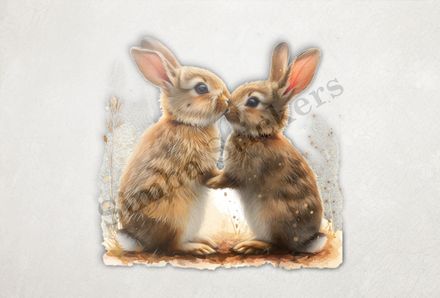
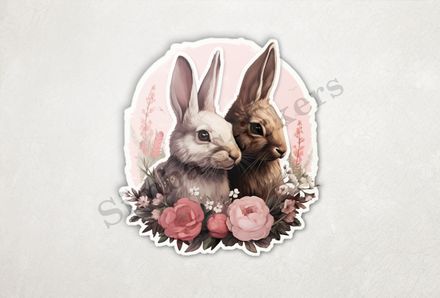
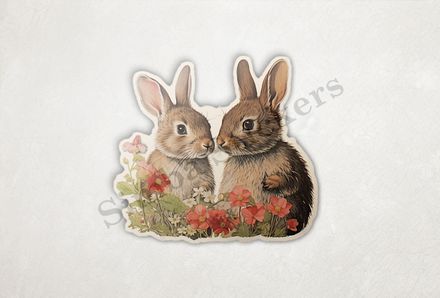
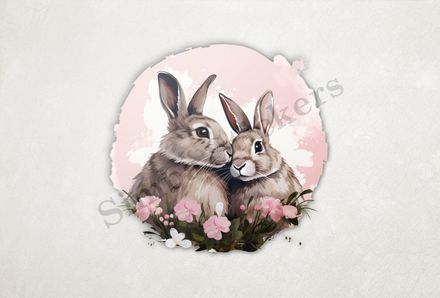
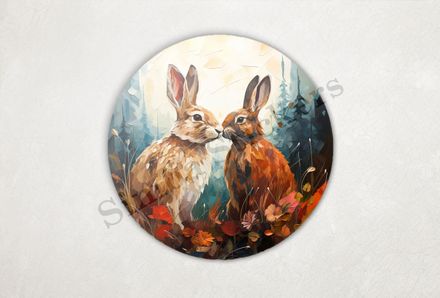
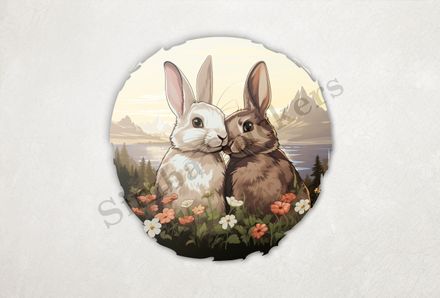
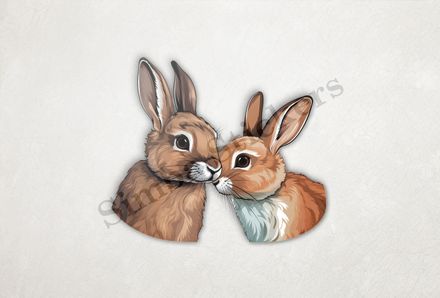
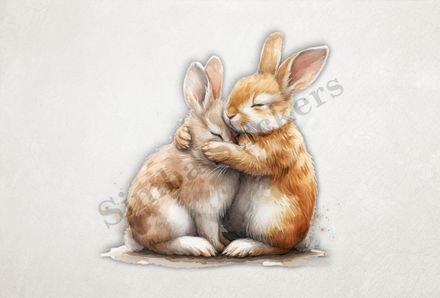
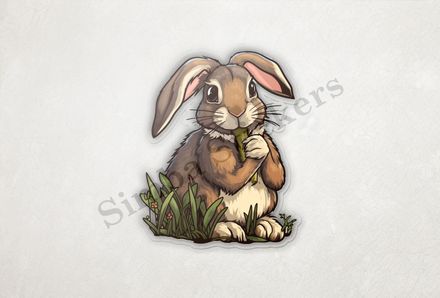
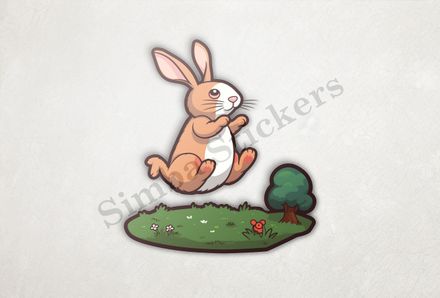
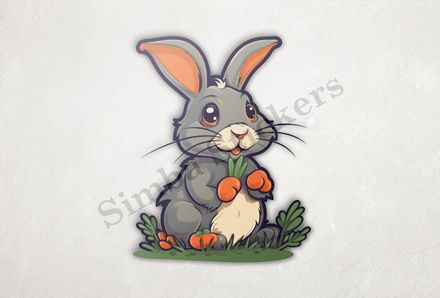
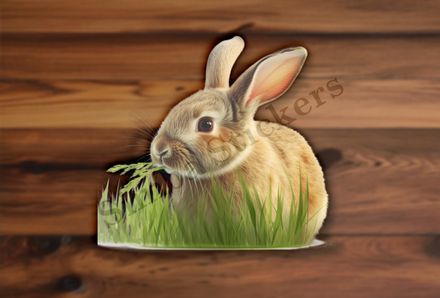
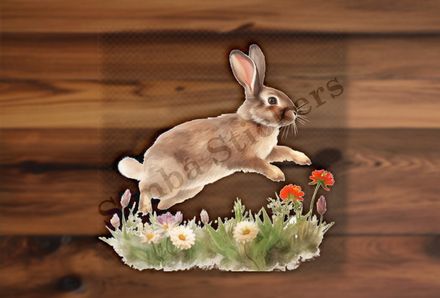
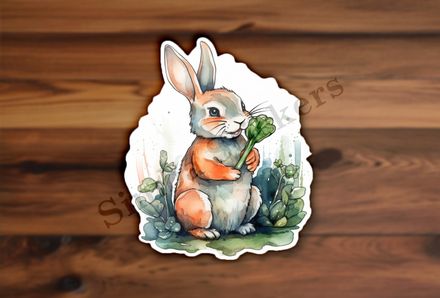
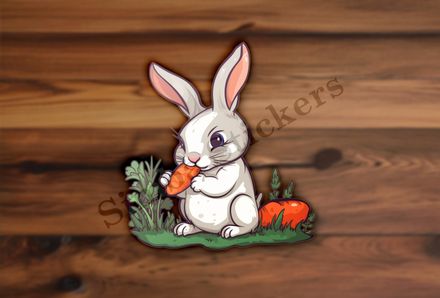
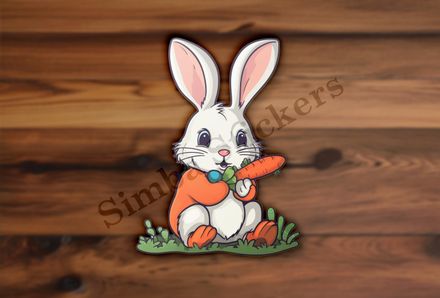
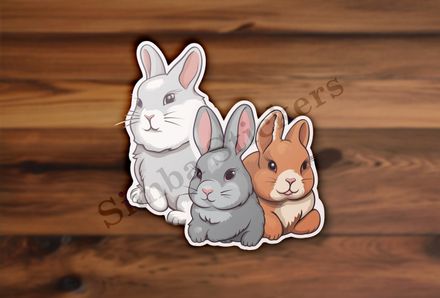
We keep adding images as will as print-on-demand products of rabbits as time goes on. The easiest way to keep up-to-date is to subscribe to our newsletter.
If you would like them applied to a particular kind of clothing item which is missing, then please contact us!
Simba Stickers Rodent Facts Videos in English
For facts about rodents presented in a fun and informative way, kindly have a look at our videos below!
Video Shorts
Regular Videos
We also have rodent videos available in French (regular/shorts), German (regular/shorts), Italian (regular/shorts) and Latin (regular/shorts).
Go to the Simba Stickers English channel for all our videos!
Rabbit Products - digital/print-on-demand










Subscribe to our newsletter
Get the latest news and updates straight to your inbox