
Rodent/Rodents

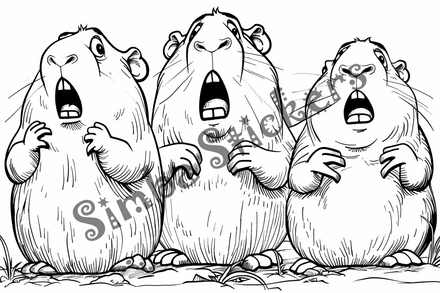
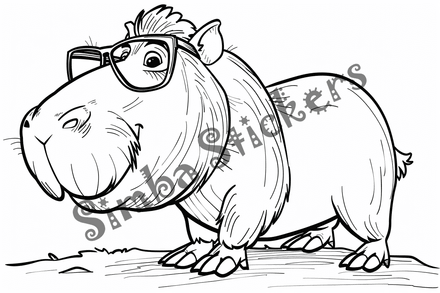
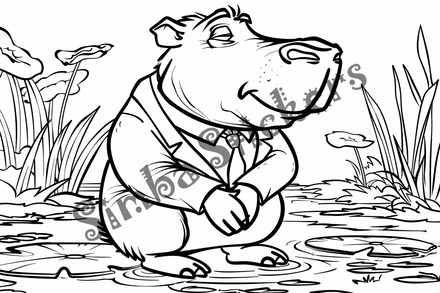
Rodents, members of the order *Rodentia*, are the largest and most diverse group of mammals, making up nearly 40% of all mammal species—over 2,500 known types. Their most defining feature is a pair of continuously growing incisors in both the upper and lower jaws, which they must constantly wear down by gnawing on wood, seeds, or other hard materials. This adaptation allows them to access food sources and create shelters in a wide range of environments. Rodents vary dramatically in size and appearance: from the tiny pygmy mouse, weighing less than an ounce, to the capybara, the largest rodent in the world, which can reach 150 pounds (68 kg). Most have sharp claws for digging or climbing, keen senses of smell and hearing, and reproduce rapidly, often producing multiple litters per year. Their success lies in their adaptability, intelligence, and ability to thrive in nearly every terrestrial habitat on Earth.
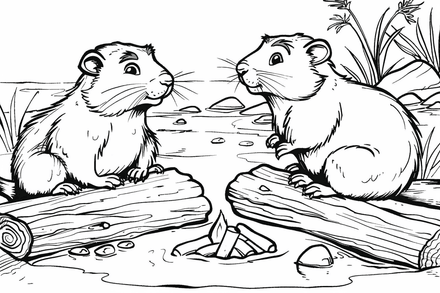
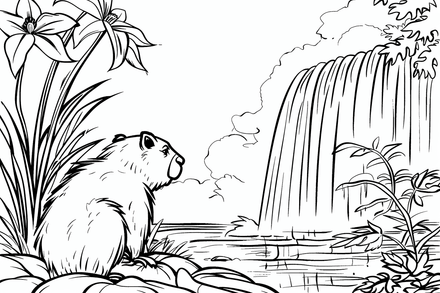
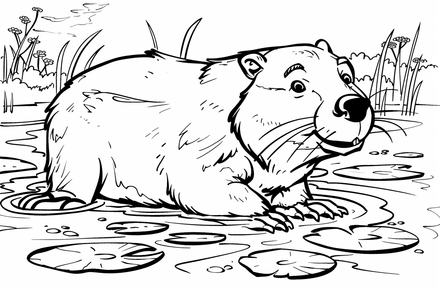
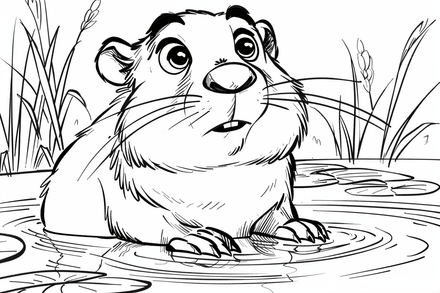
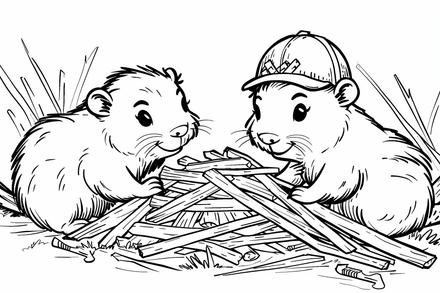
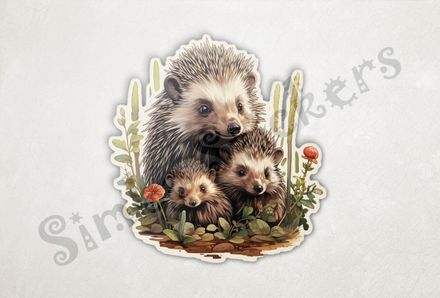
Rodents occupy a vast array of ecosystems and include many well-known species with unique traits. The **capybara** (*Hydrochoerus hydrochaeris*), native to South America, is semi-aquatic, social, and lives in groups near rivers and lakes. The **beaver** (*Castor canadensis* and *Castor fiber*) is famed for building dams and lodges that reshape entire wetland ecosystems. **Squirrels**—including tree squirrels, ground squirrels, and flying squirrels—exhibit remarkable agility, with some gliding between trees using a membrane called the patagium. **Rats** (such as the brown rat, *Rattus norvegicus*) and **mice** (like the house mouse, *Mus musculus*) are highly adaptable and often live in close association with humans. **Gerbils** and **hamsters** are smaller desert-adapted rodents popular as pets, while the **porcupine**—with its sharp, barbed quills—is a slow-moving but well-defended rodent found in the Americas, Africa, and Eurasia. The **chinchilla**, native to the Andes, has incredibly dense fur for insulation, and the **naked mole-rat**, though not hairless in all individuals, lives in underground colonies with a social structure similar to ants or bees, making it one of the few eusocial mammals.
Rodents inhabit nearly every environment across the globe, from arid deserts and tropical rainforests to urban centers and alpine meadows. Beavers thrive in freshwater systems across North America and Europe, where their dam-building creates ponds that support fish, birds, and amphibians. Squirrels are common in forests and city parks, while rats and mice flourish in human settlements, often in close proximity to food sources. Prairie dogs live in complex underground burrow systems across North American grasslands, forming large colonies known as "towns." Capybaras are found near water bodies in South American wetlands, and agoutis and pacas play key seed-dispersal roles in Central and South American forests. Even remote islands host unique rodent species, though many have been threatened or displaced by invasive rats introduced by ships. This wide distribution underscores the ecological flexibility of rodents, allowing them to exploit niches ranging from treetops to subterranean tunnels.
Culturally, rodents have complex and often contradictory roles. In Western societies, rats and mice are frequently associated with disease and filth—reinforced by historical events like the Black Death—yet they are also beloved in media (e.g., Mickey Mouse) and serve as essential models in medical research due to their genetic similarity to humans. In Chinese culture, the rat is the first animal in the zodiac and symbolizes intelligence, resourcefulness, and wealth. The capybara is celebrated in parts of South America for its gentle nature and is even used in eco-tourism. Beavers are national symbols of Canada, appearing on the nickel and representing industriousness. Ecologically, rodents are vital to ecosystem health. They serve as prey for countless predators, including hawks, snakes, foxes, and owls. As seed dispersers, many rodents like agoutis and squirrels help regenerate forests by burying nuts they later fail to retrieve. Beavers, as ecosystem engineers, create wetlands that increase biodiversity, improve water quality, and reduce flooding. However, invasive rodents—especially rats on islands—have caused extinctions of native birds and reptiles, highlighting the need for careful management. Despite their small size, rodents are indispensable players in the web of life, shaping environments, supporting food chains, and reflecting both the resilience and fragility of nature.
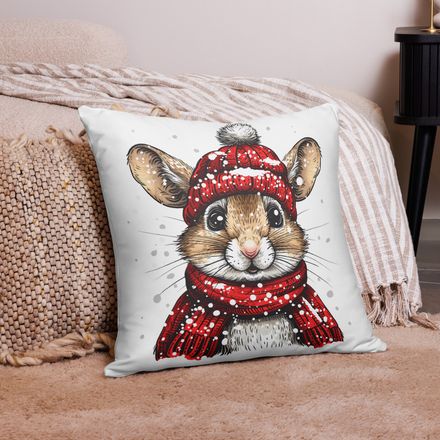
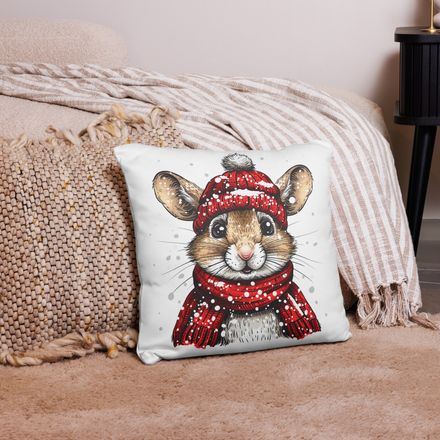
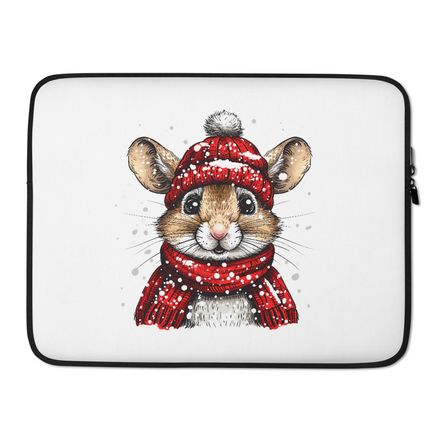
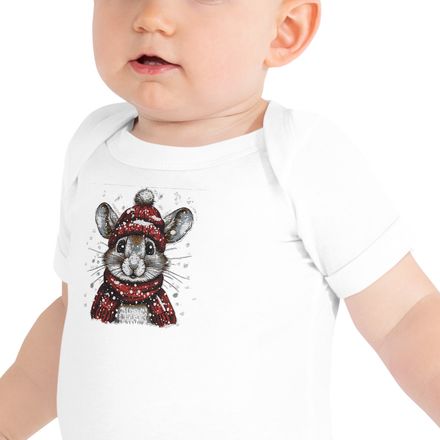
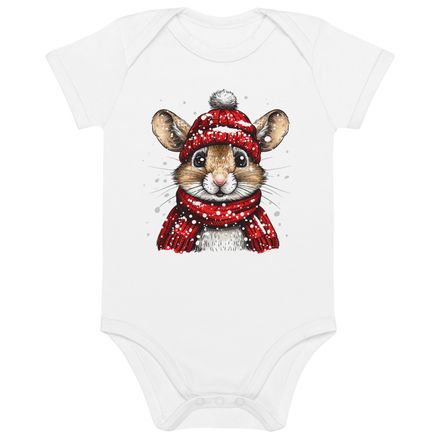
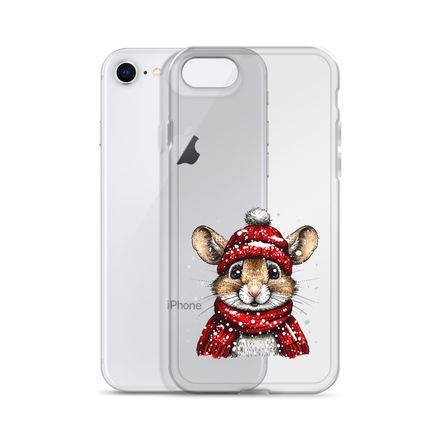
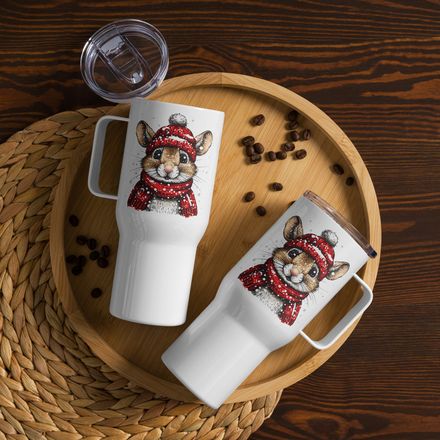
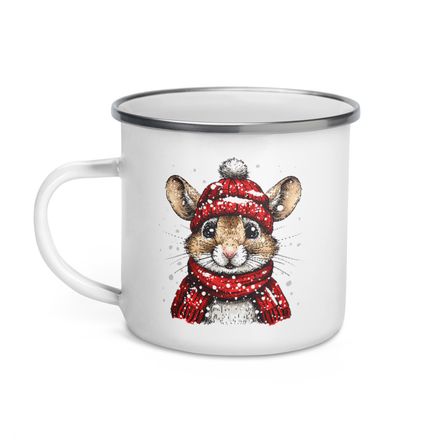
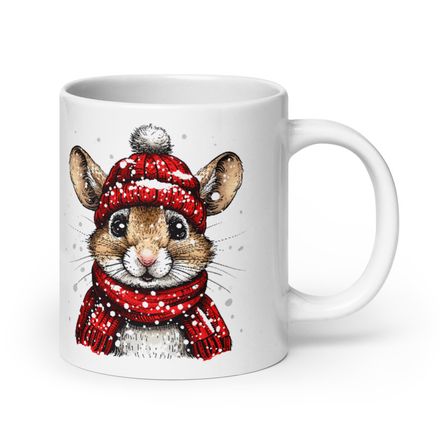
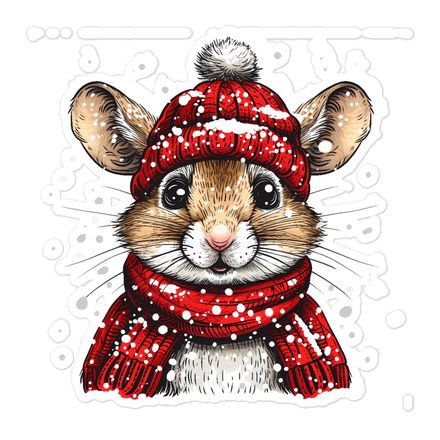
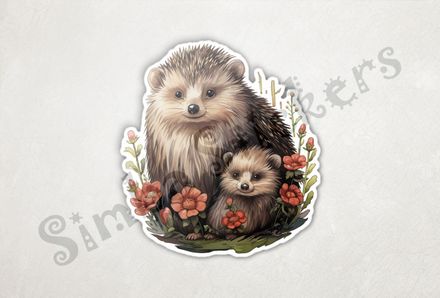
We keep adding images as will as print-on-demand products of rodents as time goes on. The easiest way to keep up-to-date is to subscribe to our newsletter.
If you would like them applied to a particular kind of clothing item which is missing, then please contact us!
Simba Stickers Rodent Facts Videos in English
For facts about rodents presented in a fun and informative way, kindly have a look at our videos below!
Video Shorts
Regular Videos
We also have rodent videos available in French (regular/shorts), German (regular/shorts), Italian (regular/shorts) and Latin (regular/shorts).
Go to the Simba Stickers English channel for all our videos!














































Subscribe to our newsletter
Get the latest news and updates straight to your inbox