
Seagull/Seagulls

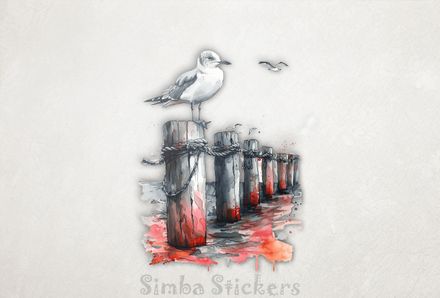
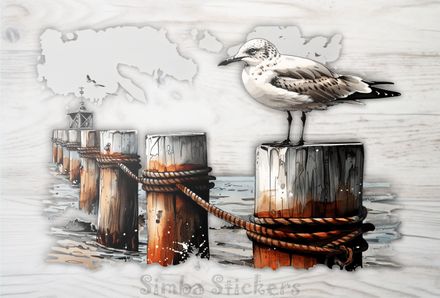
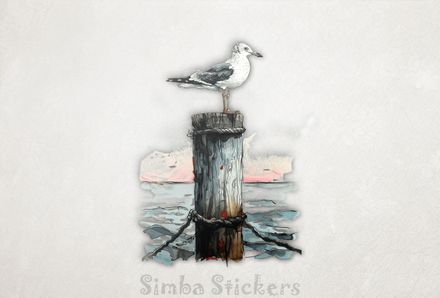
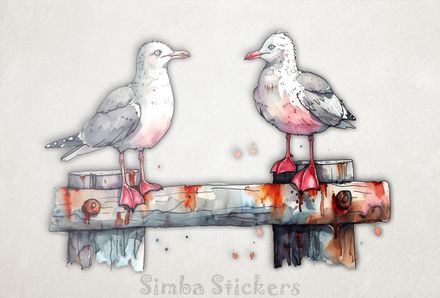
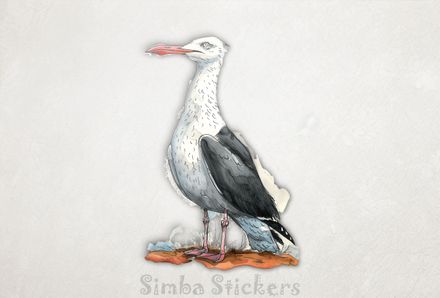
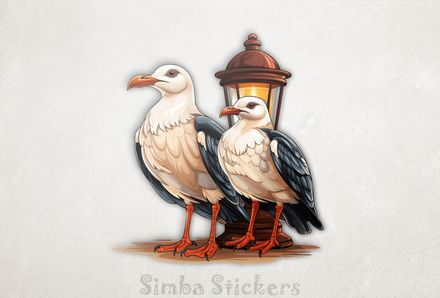
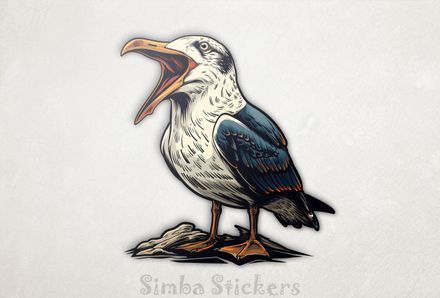
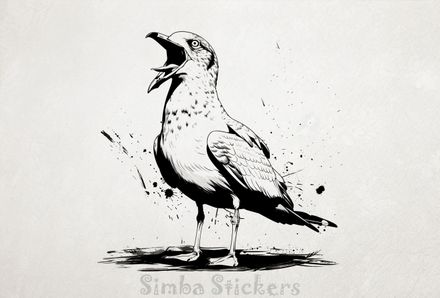
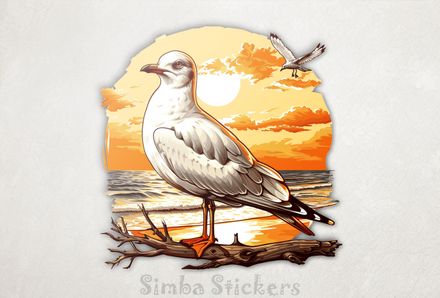
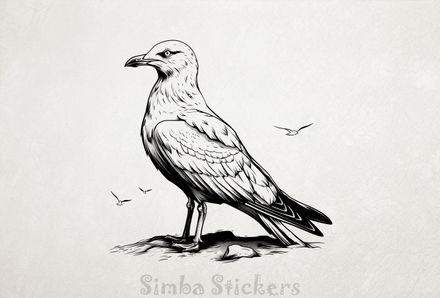
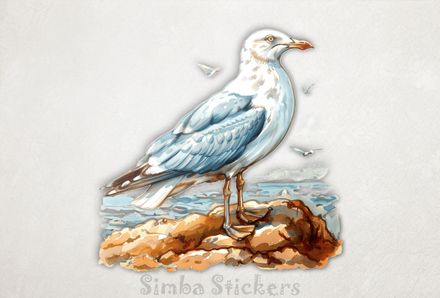
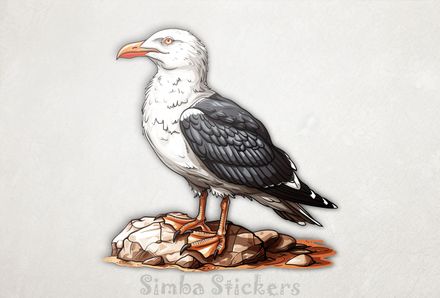
Seagulls, more accurately referred to as gulls, belong to the family *Laridae* and the genus *Larus*, with one of the most widespread species being the herring gull (*Larus argentatus*). A single bird is called a **gull**, though “seagull” is a common informal term (not a taxonomic one), while a group can be called a **colony**, **flock**, **flotilla**, or even a **squabble**—a name that reflects their noisy, competitive behavior. Male and female gulls look nearly identical and do not have distinct common names; both are generally just called gulls, though biologically they are identified as male or female. The young are known as **chicks** when in the nest, and once they fledge (develop flight feathers), they are often called **juveniles** or **immatures**, as it takes several years for many gull species to reach full adult plumage. Gulls are medium to large birds with long wings, webbed feet, slightly hooked bills, and waterproof feathers. They are highly adaptable, with keen eyesight and an omnivorous diet that allows them to thrive in diverse environments. Most have gray or white bodies with black or dark markings on the wings, and many exhibit complex molting patterns over 2–4 years before reaching adult coloration.
Gulls are found on every continent and inhabit a wide range of coastal and inland environments, including shorelines, beaches, harbors, lakes, rivers, landfills, and urban areas. While commonly associated with the sea, many species live far from saltwater—such as the Franklin’s gull (*Leucophaeus pipixcan*), which breeds in prairie marshes and migrates long distances. The ring-billed gull (*Larus delawarensis*) is a familiar sight in North American cities, parking lots, and picnic areas, where it scavenges food. Some species, like the black-legged kittiwake (*Rissa tridactyla*), are strictly pelagic, spending most of their lives at sea and coming ashore only to breed on steep cliffs. There are over 50 gull species, with numerous subspecies adapted to regional climates and habitats. For example, the lesser black-backed gull (*Larus fuscus*) has several subspecies across Europe and Iceland, differing in shade of back color and leg hue. Though not "breeds" in the domestic sense, human activity has influenced gull behavior—urban populations show bolder traits and altered diets, relying heavily on human refuse. Their adaptability is key to their success, but also brings them into conflict with people.
Culturally, gulls hold mixed reputations. Romanticized in works like Richard Bach’s *Jonathan Livingston Seagull* as symbols of freedom and self-discovery, they are also widely seen as noisy pests due to their scavenging habits and aggressive food-stealing behavior. In coastal communities, gulls have long been part of the maritime landscape, associated with the ocean, fishing, and seafaring life. Ecologically, they play important roles as scavengers and predators. By consuming fish scraps, dead animals, insects, and waste, they help clean up shorelines and reduce the spread of disease. They also prey on small fish, invertebrates, and even the eggs and chicks of other birds, helping regulate populations. However, growing urban gull populations can disrupt local ecosystems and outcompete native species. Some species, like the ivory gull (*Pagophila eburnea*), are threatened by climate change and pollution, while others, such as the herring gull, remain abundant. Despite their reputation, gulls are intelligent, social, and resilient birds—adaptable survivors that reflect both the vitality and challenges of human-impacted environments.
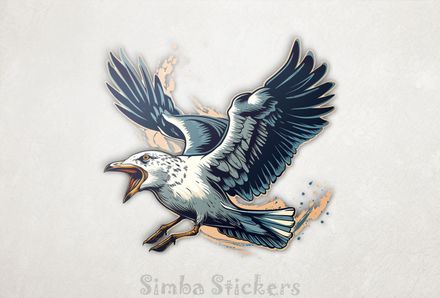
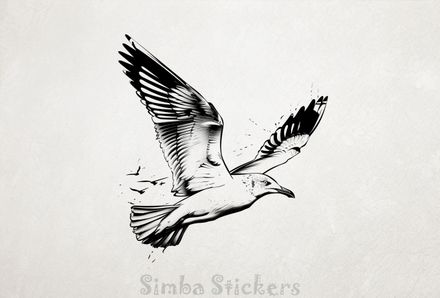
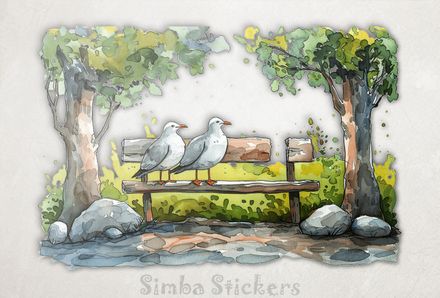
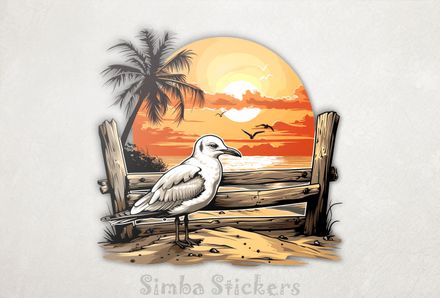
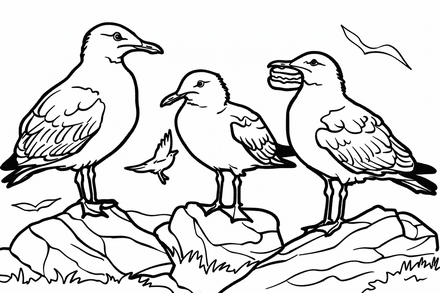
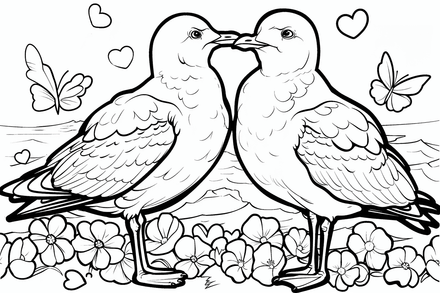
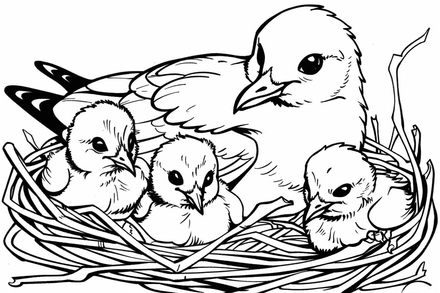
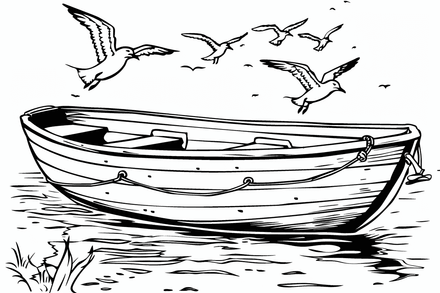
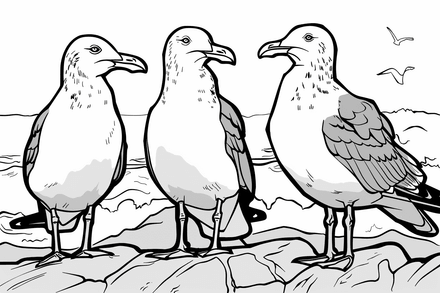
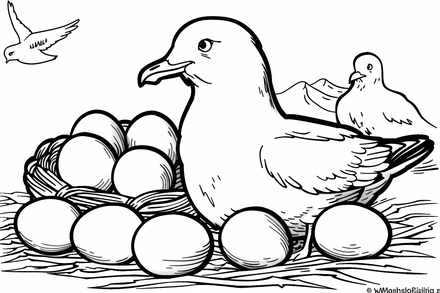
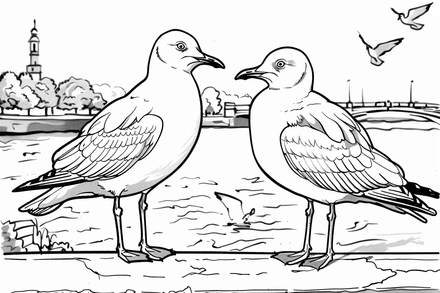
We keep adding images as will as print-on-demand products of seagulls as time goes on. The easiest way to keep up-to-date is to subscribe to our newsletter.
If you would like them applied to a particular kind of clothing item which is missing, then please contact us!
Simba Stickers Wild Bird Facts Videos in English
For facts about wild birds presented in a fun and informative way, kindly have a look at our videos below!
Video Shorts
Regular Videos
We also have wild bird videos available in French (regular/shorts), German (regular/shorts), Italian (regular/shorts) and Latin (regular/shorts).
Go to the Simba Stickers English channel for all our videos!
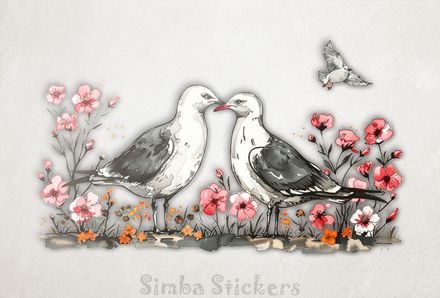
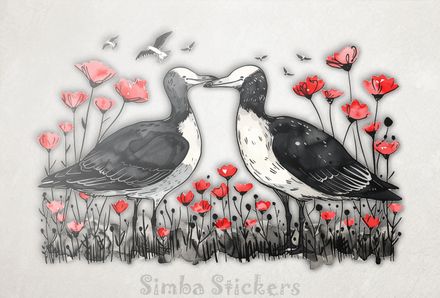
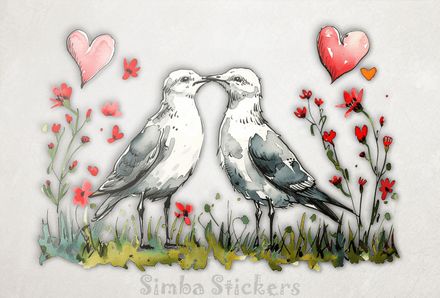
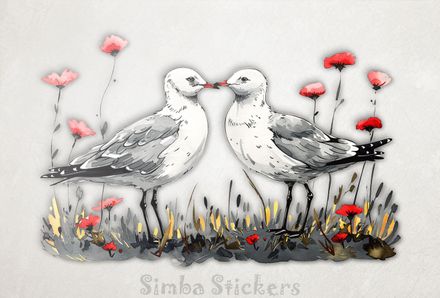
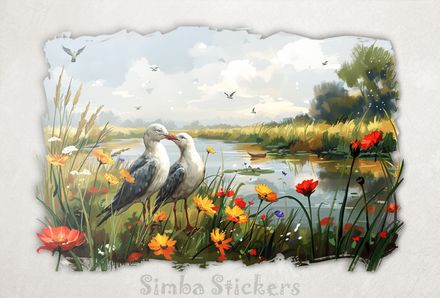
Seagull Products - digital/print-on-demand
Subscribe to our newsletter
Get the latest news and updates straight to your inbox