
Sheep
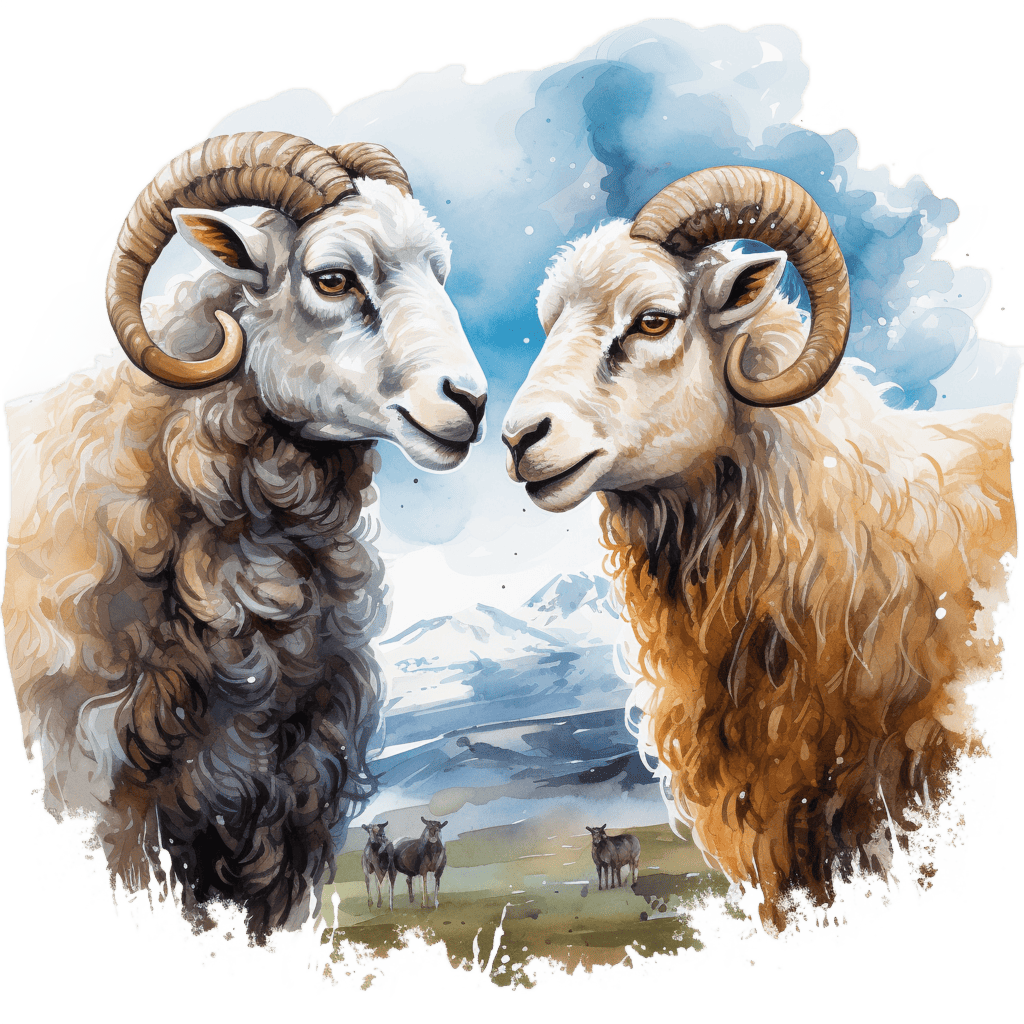
Sheep belong to the species *Ovis aries* and are domesticated ruminants descended from the wild mouflon (*Ovis orientalis*) of Europe and Western Asia. A single animal is called a **sheep**, while a group is most commonly referred to as a **flock**, though terms like **herd** or **mob** are also used regionally. The male is known as a **ram**, the female as a **ewe**, and the young are called **lambs**—a term that also refers to meat from young sheep. Sheep are medium-sized, social animals with stocky bodies, short tails (often docked in domestic breeds), and typically woolly coats that require regular shearing. Most breeds have horns, though many modern varieties are polled (naturally hornless). They have horizontal slit-shaped pupils, excellent peripheral vision, and a strong flocking instinct, which helps protect them from predators. Sheep are herbivores, primarily grazers that feed on grasses and other low-growing plants, and they play a key role in shaping grassland ecosystems through their feeding habits. Common synonyms include **mutton** (referring to meat from adult sheep), **woolies** (slang in farming communities), and **ovines** (the scientific term for members of the genus *Ovis*).
Sheep are raised in nearly every country and thrive in a wide range of habitats, including rolling pastures, mountainous regions, arid rangelands, and even subarctic tundra. They are highly adaptable and can survive in harsh environments where few other livestock can graze effectively. While not classified into subspecies, domestic sheep have been selectively bred into over **1,000 distinct breeds**, each developed for specific traits. **Merino** sheep are prized for their fine, soft wool, widely used in high-quality textiles. **Suffolk**, **Hampshire**, and **Dorset** breeds are popular for meat production due to their rapid growth and muscling. **East Friesian** and **Lacaune** breeds are top dairy sheep, producing milk for specialty cheeses like feta and Roquefort. Some breeds, like the **Jacob sheep**, have multiple horns and spotted fleece, valued for their heritage and appearance. Others, such as the hair sheep breeds (**Katahdin**, **Dorper**), shed their coats naturally and require no shearing, making them ideal for low-input farming. Wild relatives like the bighorn sheep (*Ovis canadensis*) and argali (*Ovis ammon*) still inhabit remote mountain regions, but domestic sheep remain the most widespread and economically important members of the group.
Culturally, sheep have held deep symbolic and practical significance for millennia. In many religions, they represent innocence, sacrifice, and purity—reflected in Christian imagery of Jesus as the "Lamb of God" and in Islamic traditions where sheep are often sacrificed during Eid al-Adha. In ancient Mesopotamia and Egypt, sheep were central to agriculture and ritual offerings. The wool trade shaped economies in medieval Europe, particularly in England and Flanders, where sheep farming drove wealth and urban development. Ecologically, sheep play a dual role: when managed sustainably, they maintain open landscapes, prevent scrub encroachment, and support biodiversity in grasslands and heathlands. Their grazing patterns can mimic those of wild herbivores, and their manure enriches soil fertility. However, overgrazing—especially in fragile ecosystems—can lead to soil erosion and habitat degradation. Conservation grazing programs now use sheep to manage nature reserves and restore native plant communities. As both a source of food, fiber, and cultural identity, the sheep remains one of humanity’s most enduring and valuable domestic animals—gentle, resilient, and woven deeply into the fabric of civilization.
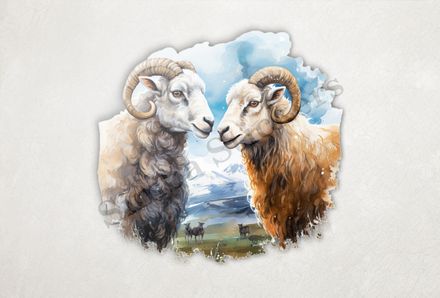
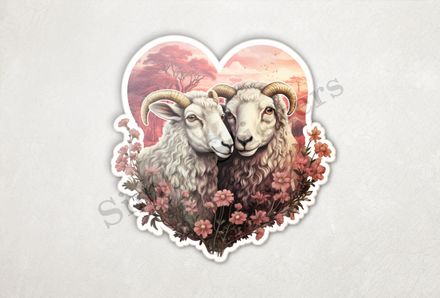
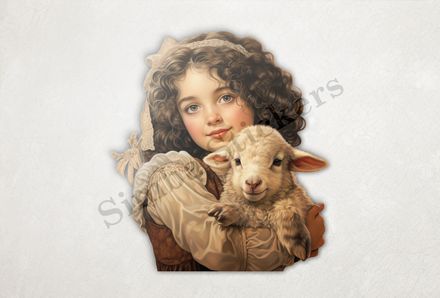
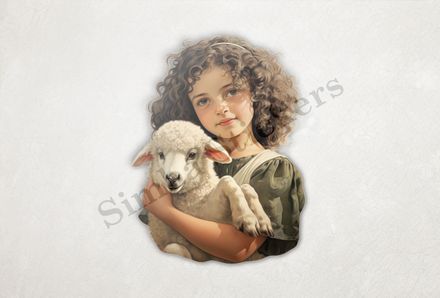
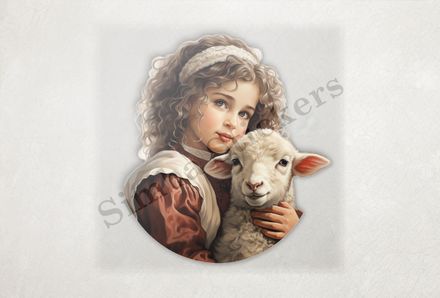
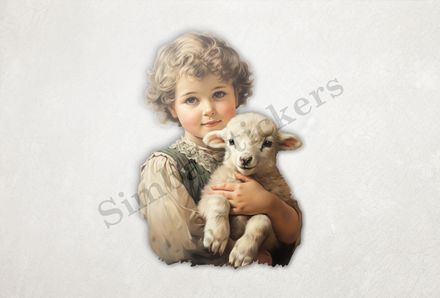
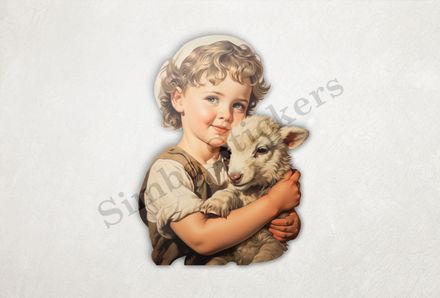
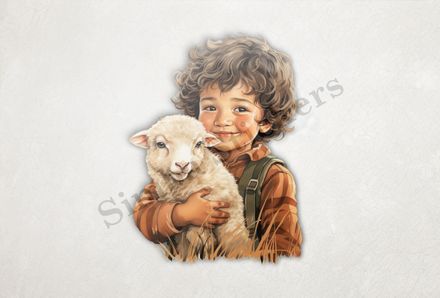
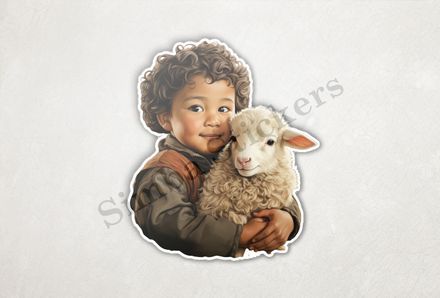
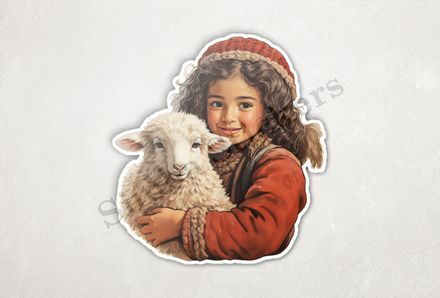
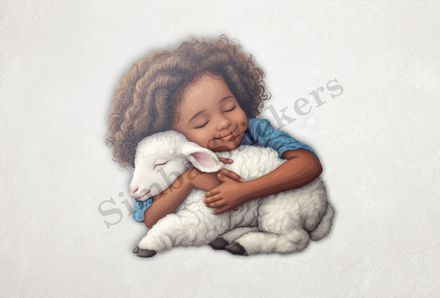
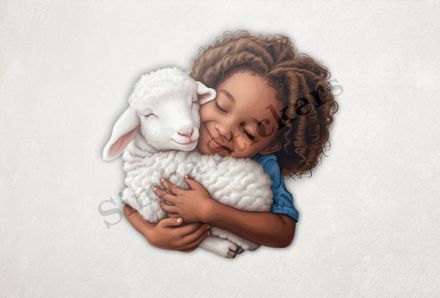
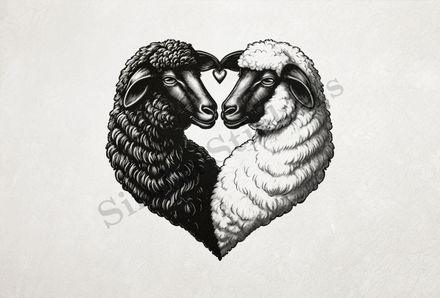
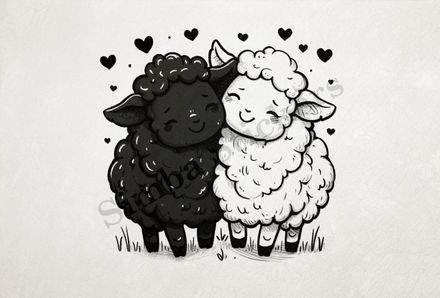
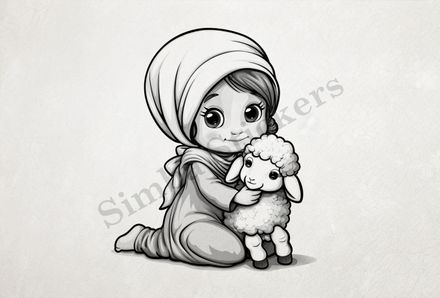
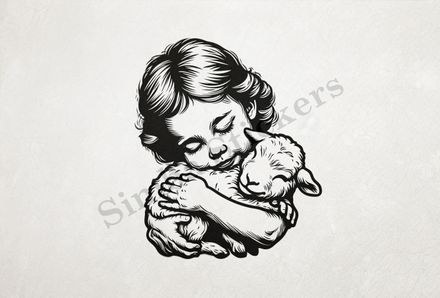
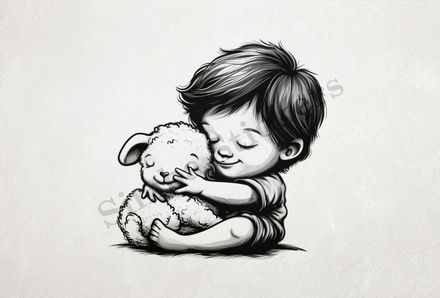
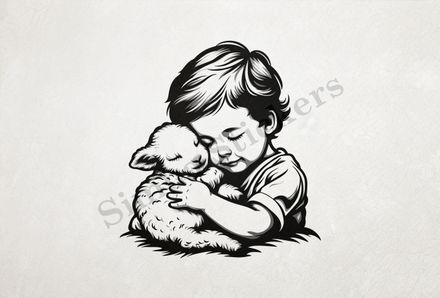
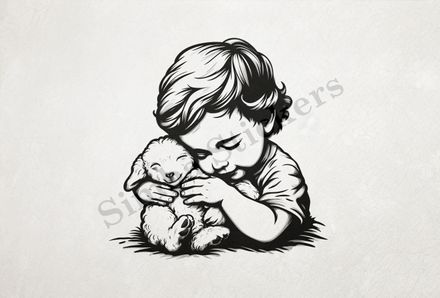
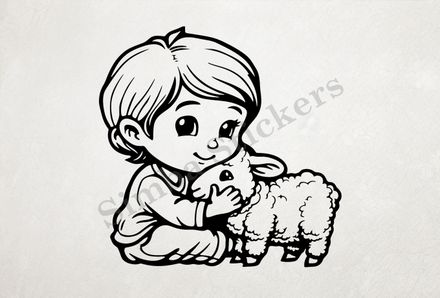
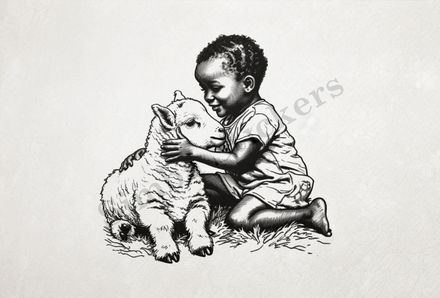
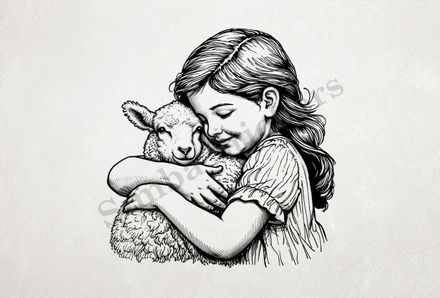
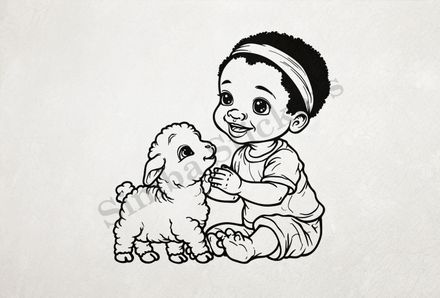
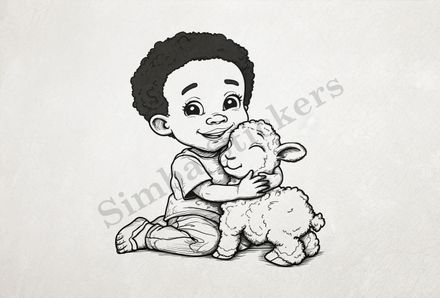
We keep adding images as will as print-on-demand products of sheep as time goes on. The easiest way to keep up-to-date is to subscribe to our newsletter.
If you would like them applied to a particular kind of clothing item which is missing, then please contact us!
Simba Stickers Domestic Animal Facts Videos in English
For facts about wild animals presented in a fun and informative way, kindly have a look at our videos below!
Video Shorts
Regular Videos
We also have domestic animal videos available in French (regular/shorts), German (regular/shorts), Italian (regular/shorts) and Latin (regular/shorts).
Go to the Simba Stickers English channel for all our videos!
Sheep Products - digital/print-on-demand


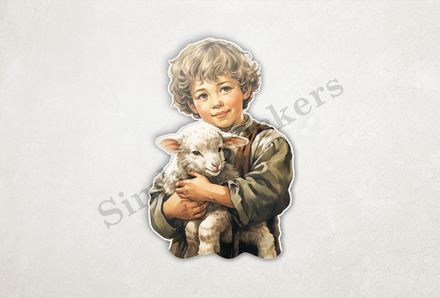
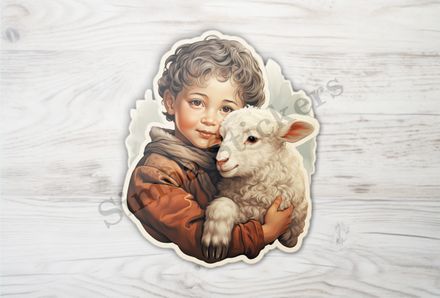
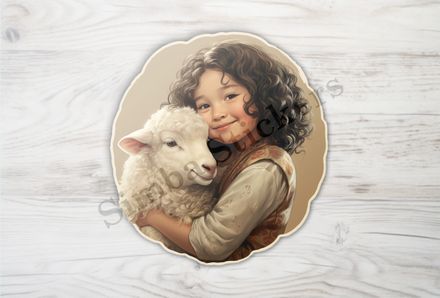
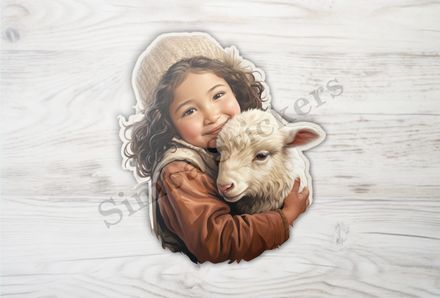
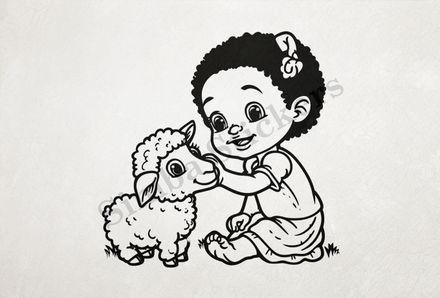
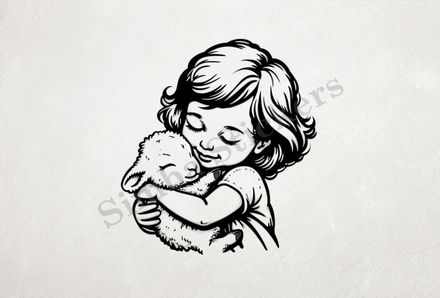
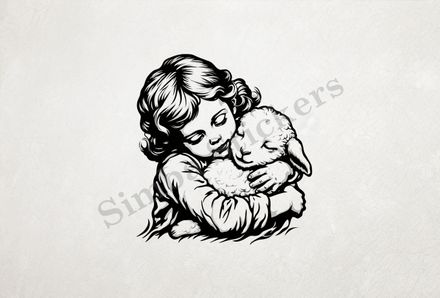
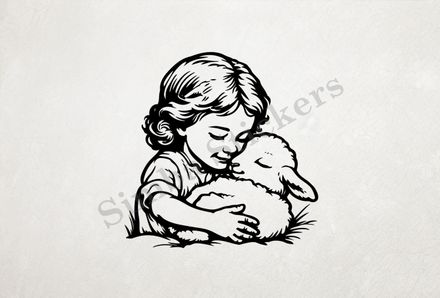

Subscribe to our newsletter
Get the latest news and updates straight to your inbox