
Whale/Whales

Whales are large marine mammals belonging to the order *Cetacea*, which includes two suborders: **baleen whales** (*Mysticeti*) and **toothed whales** (*Odontoceti*). A single animal is called a **whale**, while a group is commonly referred to as a **pod** or, less frequently, a **gam** of whales. The male is typically called a **bull**, the female a **cow**, and the young are known as **calves**. Whales are warm-blooded, breathe air through blowholes on top of their heads, and nurse their young with milk—key traits of mammals. They are distinguished by their massive size, streamlined bodies, flippers, and powerful tail flukes used for propulsion. Baleen whales, such as the blue whale (*Balaenoptera musculus*) and humpback whale (*Megaptera novaeangliae*), have baleen plates made of keratin to filter krill and small fish from seawater. Toothed whales, like the sperm whale (*Physeter macrocephalus*) and orca (*Orcinus orca*), use teeth to hunt fish, squid, and even other marine mammals. Many species are highly intelligent, social, and capable of complex vocalizations—humpbacks are famous for their haunting songs, which can travel hundreds of miles underwater.
Whales inhabit oceans worldwide, from the icy waters of the Arctic and Antarctic to tropical and temperate seas. Some species are migratory, traveling thousands of miles between feeding grounds in polar regions and breeding areas in warmer waters. The blue whale, the largest animal ever known, can reach over 100 feet (30 meters) and is found in all major oceans, though rarely seen due to its deep-water habits. Humpback whales frequent coastal areas during migration and are known for breaching and singing. Sperm whales dive deeper than any other mammal—over 7,000 feet—to hunt giant squid in the ocean’s depths. Orcas, often called killer whales, live in tight-knit family pods and display distinct cultural behaviors across populations. While whales are not divided into "breeds," many species have recognized **ecotypes** or subspecies adapted to specific regions. For example, there are resident, transient, and offshore orcas with different diets and social structures. Similarly, the fin whale (*Balaenoptera physalus*) has both northern and southern hemisphere populations that differ slightly in size and behavior. These variations highlight the adaptability and complexity of whale life across global marine environments.
Culturally, whales have held profound significance across human societies. Indigenous Arctic and Pacific Northwest communities revere whales as sacred beings, ancestors, or spiritual messengers, with whaling traditions conducted respectfully and sustainably for generations. In literature and myth, whales symbolize mystery, power, and wisdom—from the biblical story of Jonah to Herman Melville’s *Moby-Dick*. Today, whales are icons of marine conservation, drawing millions to whale-watching tours and inspiring global efforts to protect ocean life. Ecologically, they play a vital role in marine ecosystems. Through the “whale pump,” they recycle nutrients by releasing iron-rich feces near the surface, boosting phytoplankton growth—which in turn absorbs carbon dioxide and supports the entire marine food web. Their carcasses, when they die, sink to the seafloor and create rich habitats known as “whale falls,” sustaining unique deep-sea communities for decades. Despite international bans on commercial whaling, many whale species remain endangered due to ship strikes, pollution, entanglement in fishing gear, and climate change. The blue whale and North Atlantic right whale are among those listed as **Endangered**. Protecting whales means safeguarding not only majestic creatures but also the health and balance of the world’s oceans.
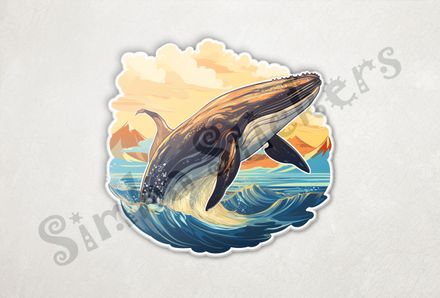
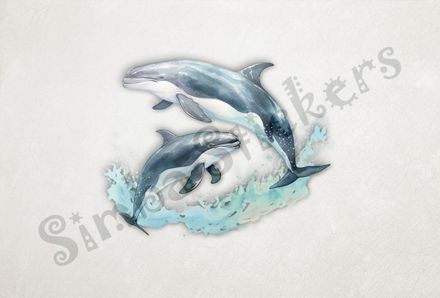
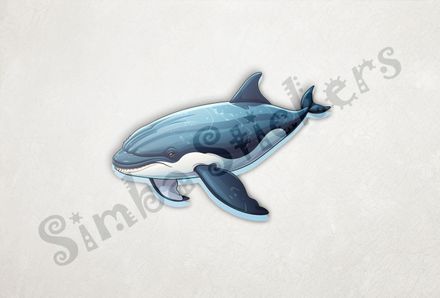
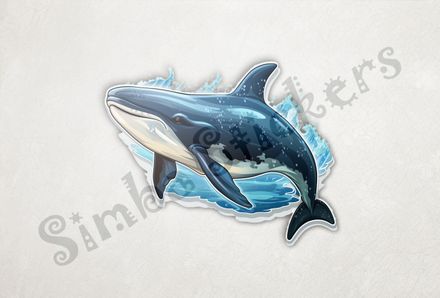
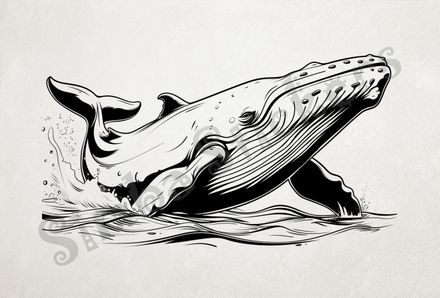
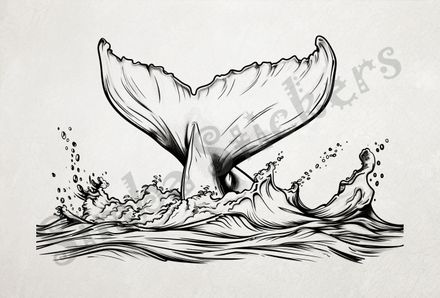
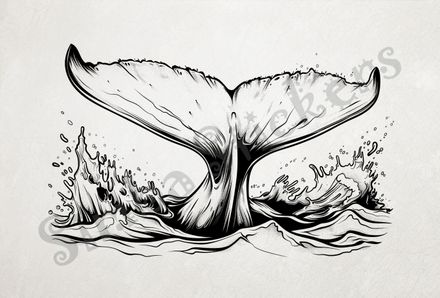
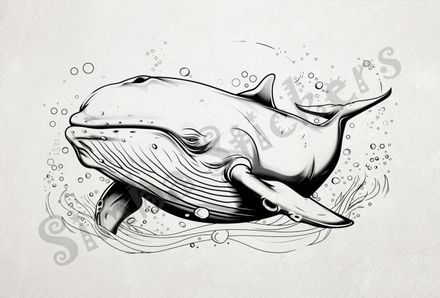
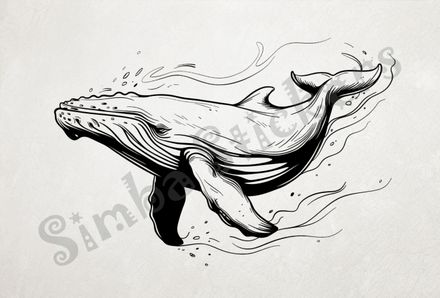
We keep adding images as will as print-on-demand products of whales as time goes on. The easiest way to keep up-to-date is to subscribe to our newsletter.
If you would like them applied to a particular kind of clothing item which is missing, then please contact us!
Simba Stickers Wild Animal Facts Videos in English
For facts about wild animals presented in a fun and informative way, kindly have a look at our videos below!
Video Shorts
Regular Videos
We also have wild animal videos available in French (regular/shorts), German (regular/shorts), Italian (regular/shorts) and Latin (regular/shorts).
Go to the Simba Stickers English channel for all our videos!
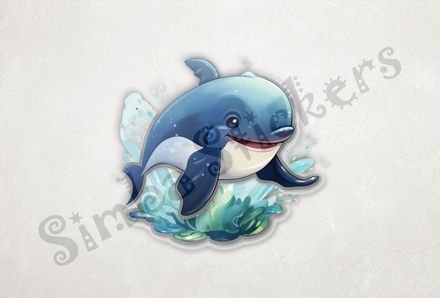
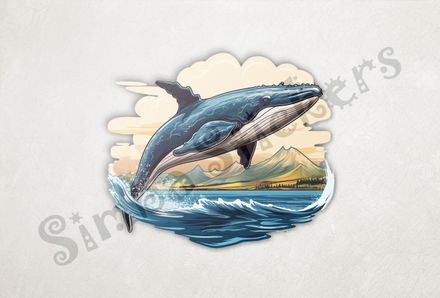
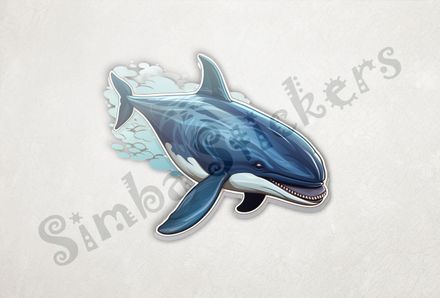
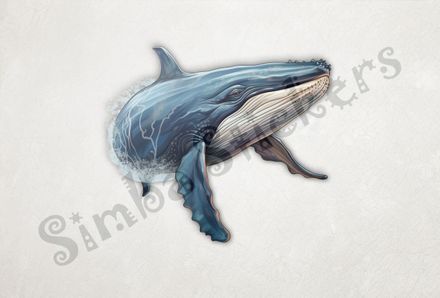
Whale Products - digital/print-on-demand




Subscribe to our newsletter
Get the latest news and updates straight to your inbox