
Bear/Bears
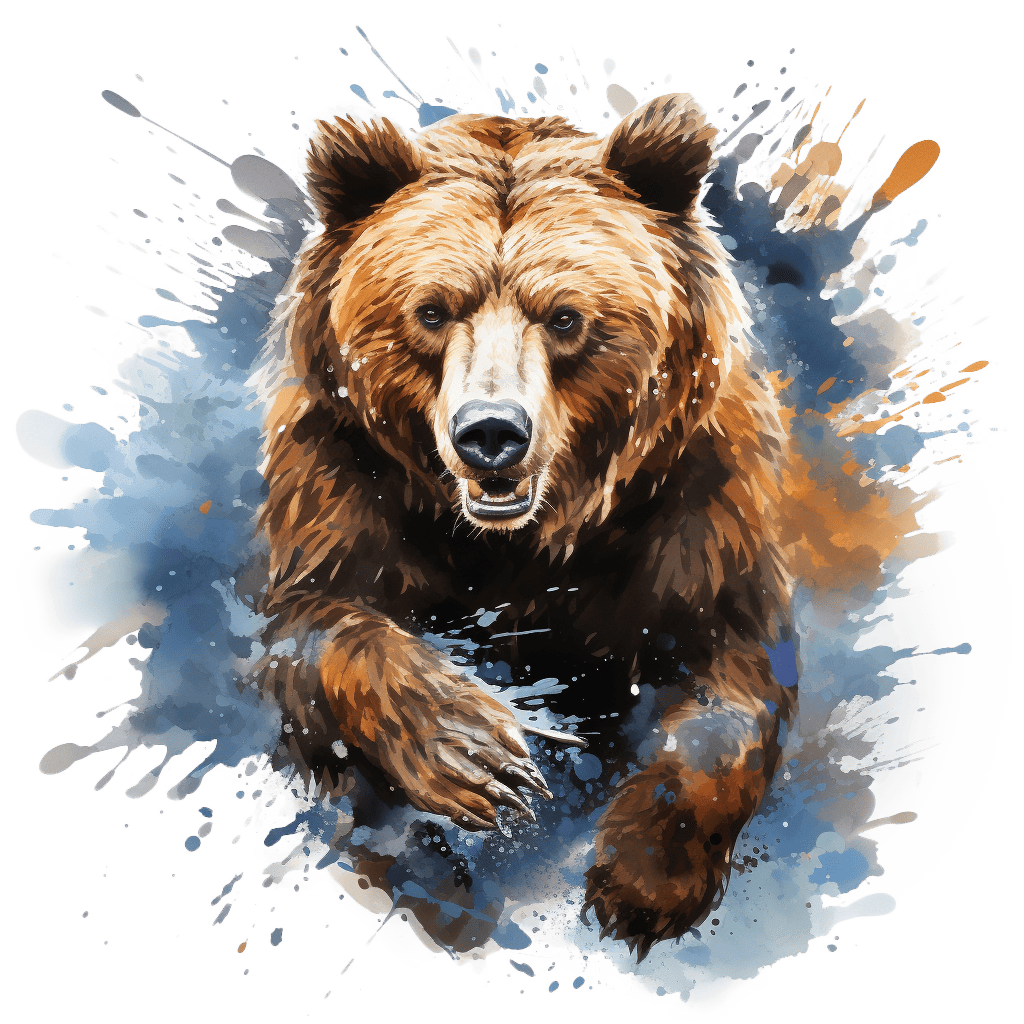
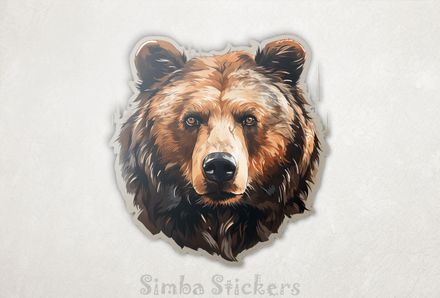
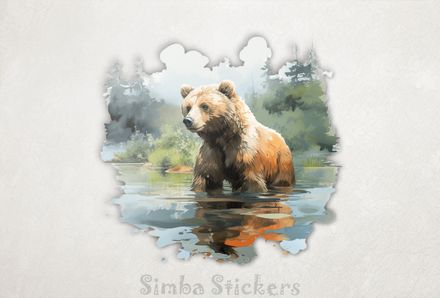
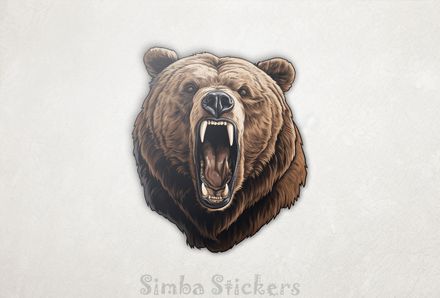
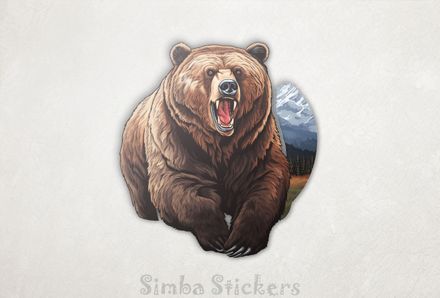
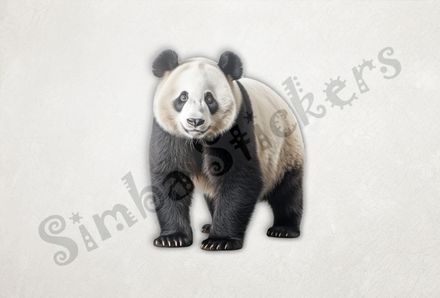
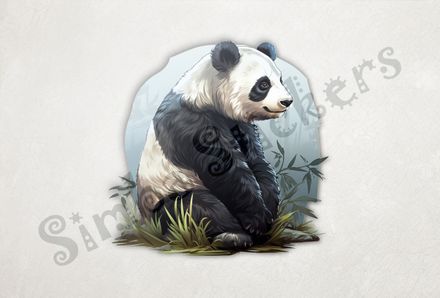
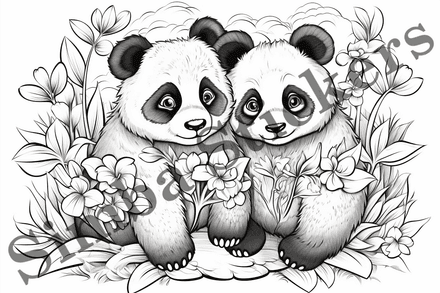
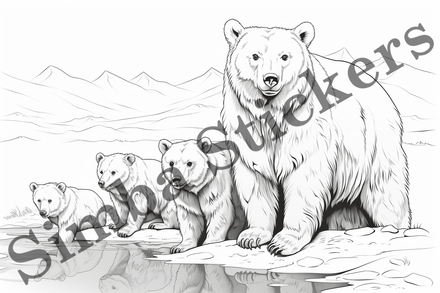
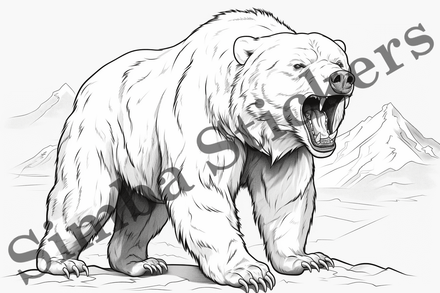
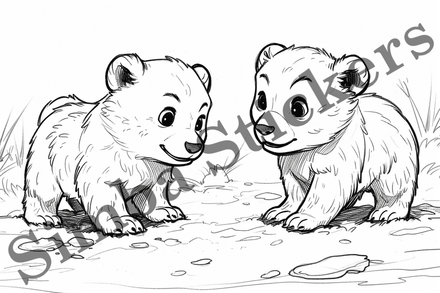
Bears belong to the family *Ursidae* and the genus *Ursus*, with eight extant species including the brown bear (*Ursus arctos*), American black bear (*Ursus americanus*), polar bear (*Ursus maritimus*), giant panda (*Ailuropoda melanoleuca*), and Asian black bear (*Ursus thibetanus*). A single bear is simply called a bear, while a group is typically referred to as a **sleuth** or a **sloth** of bears. The male is known as a **boar**, the female as a **sow**, and the young are called **cubs**. Bears are large, powerfully built mammals with stocky bodies, strong limbs, and long snouts. They possess thick fur that varies by species—from the snowy white of the polar bear to the dark coat of the black bear or the shaggy brown of the grizzly (a subspecies of brown bear). Most have plantigrade feet, walking on the soles like humans, and non-retractable claws adapted for digging, climbing, or catching prey. Despite their size, bears are surprisingly agile and can run at high speeds over short distances. They have an exceptional sense of smell—up to seven times stronger than a bloodhound’s—and are omnivorous, with diets ranging from berries and roots to fish, insects, and meat, depending on the species and season.
Bears inhabit a wide range of environments across the Northern Hemisphere and parts of Asia. Brown and black bears thrive in forests, mountains, and tundra regions of North America, Europe, and northern Asia. Polar bears are highly specialized for life on Arctic sea ice, where they hunt seals, while giant pandas are restricted to the bamboo forests of southwestern China. Asian black bears occupy forested hills and mountains across East and Southeast Asia. Most bear species are solitary except during mating season or when mothers are raising cubs. They often hibernate during winter months in colder climates, surviving on stored body fat while their metabolism slows. As keystone species, bears play vital roles in their ecosystems. By foraging for berries and dispersing seeds in their droppings, they help regenerate forests. Bears that fish for salmon—like grizzlies—transport nutrients from rivers to forest floors, enriching the soil. They also help control prey populations and scavenge carcasses, contributing to nutrient cycling and reducing disease spread.
Culturally, bears hold deep symbolic meaning across many societies. In Indigenous North American and Arctic cultures, the bear is often revered as a powerful spirit animal representing strength, healing, and leadership. Native tribes such as the Tlingit and Ojibwe incorporate bear symbolism into totem poles, ceremonies, and oral traditions. In Norse and Slavic folklore, bears symbolize courage and protection, while in Japan, the bear is both respected and feared, with the endangered Ezo brown bear inhabiting Hokkaido. The teddy bear, named after U.S. President Theodore Roosevelt, reflects the bear’s place in popular culture as both a symbol of wilderness and childhood comfort. Despite their cultural prominence, many bear species face threats from habitat loss, climate change (especially polar bears due to melting sea ice), poaching, and human conflict. The giant panda was once endangered but has improved to vulnerable status thanks to conservation efforts, while species like the polar bear are classified as vulnerable due to climate threats. Protecting bears means preserving not only iconic wildlife but also the ecological balance and cultural heritage they represent.
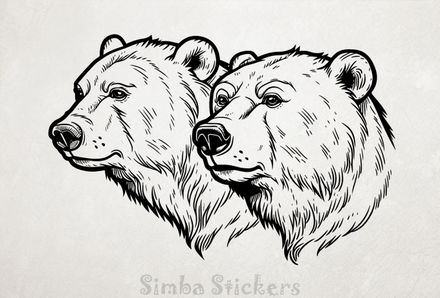
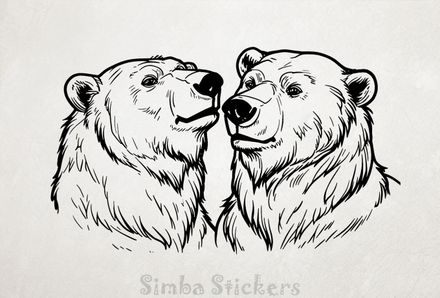
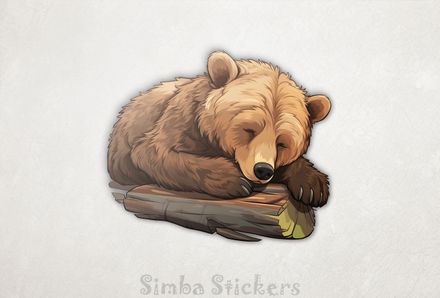
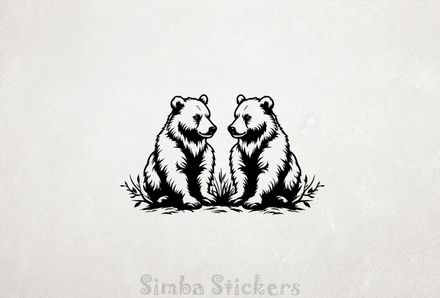
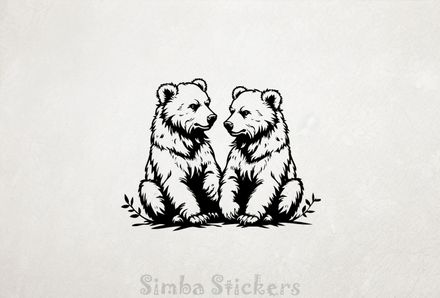
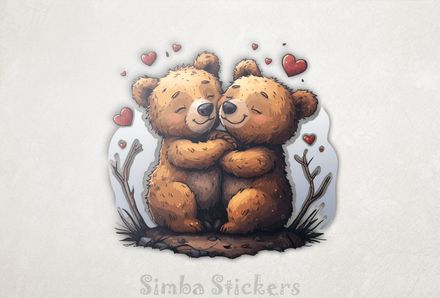
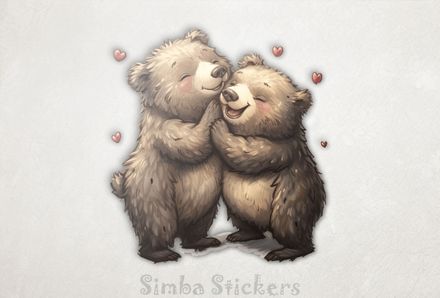
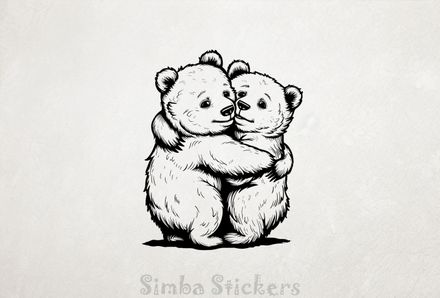
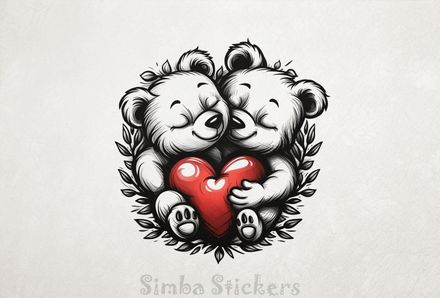
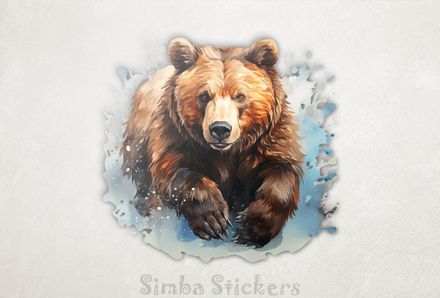
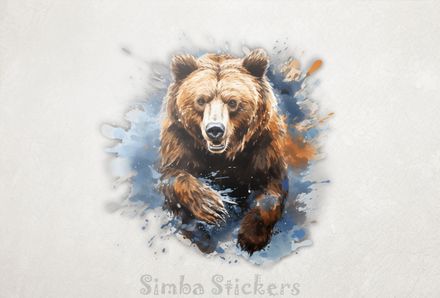
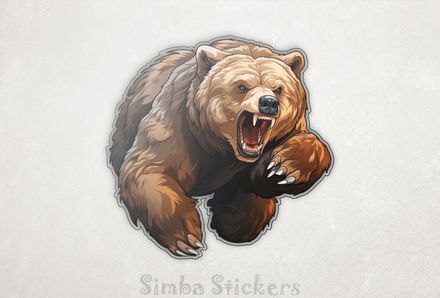
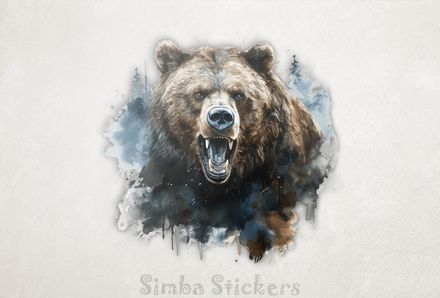
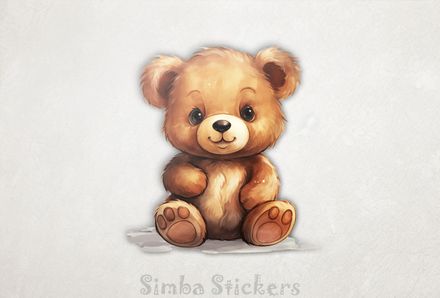
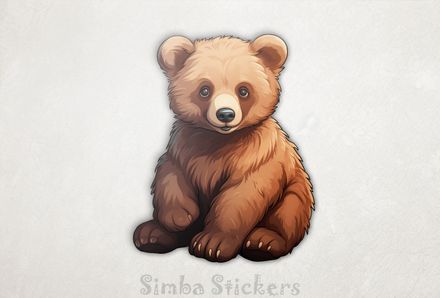
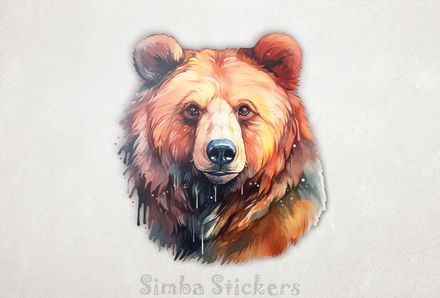
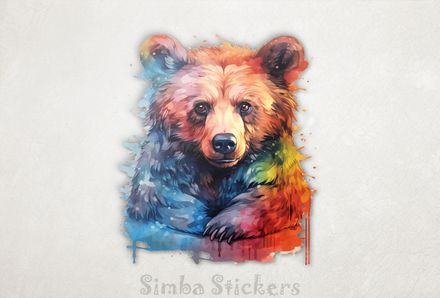
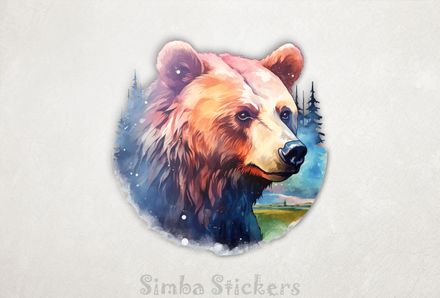
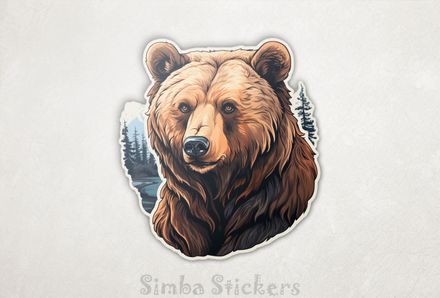
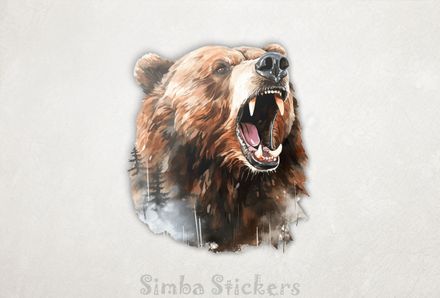
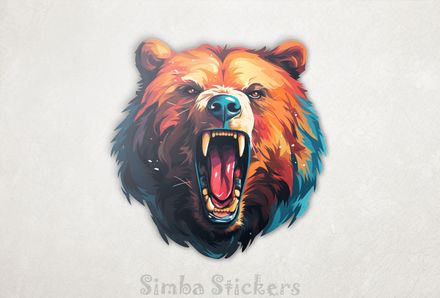
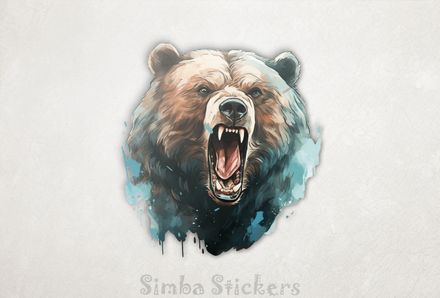
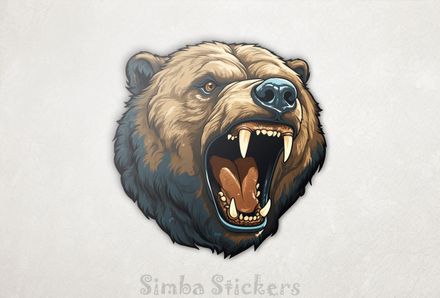
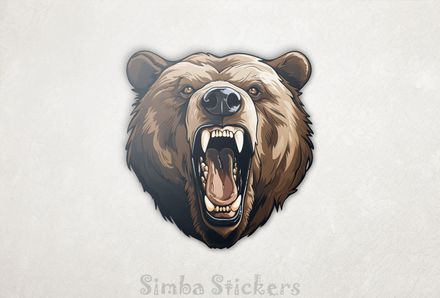
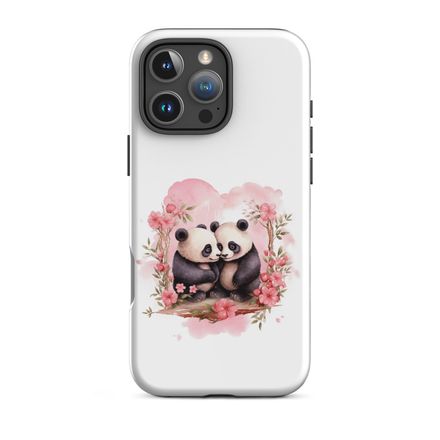
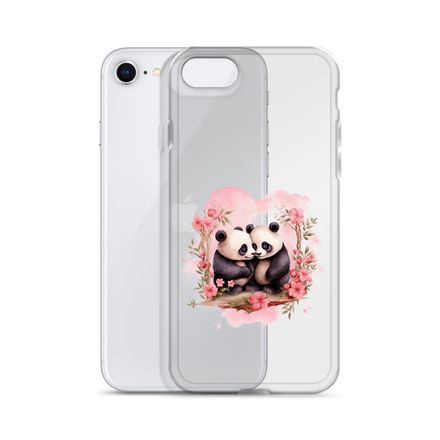
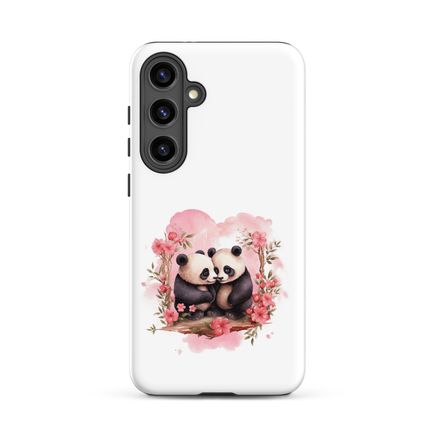
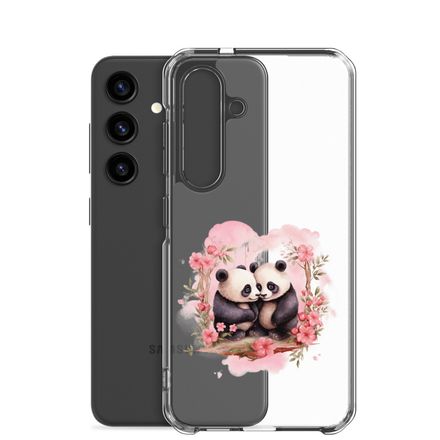
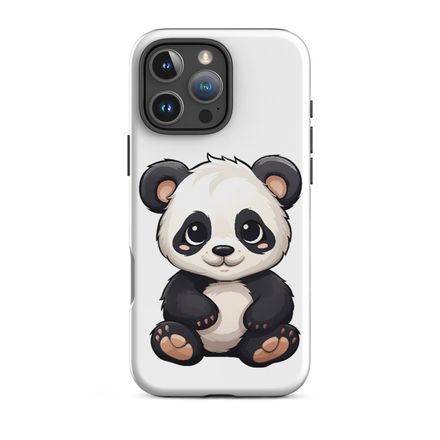
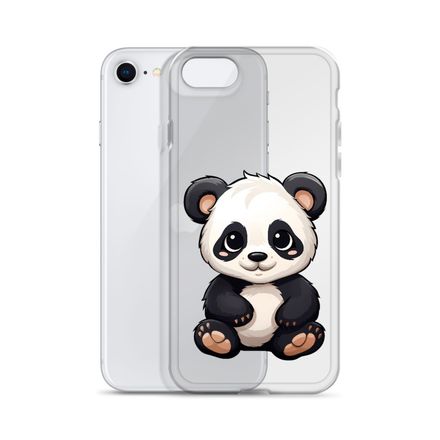
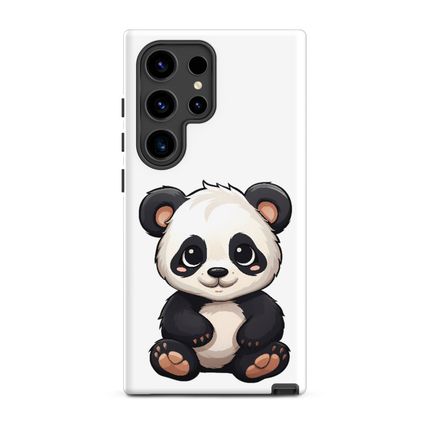
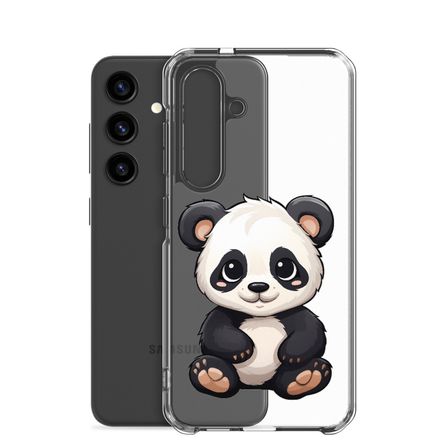
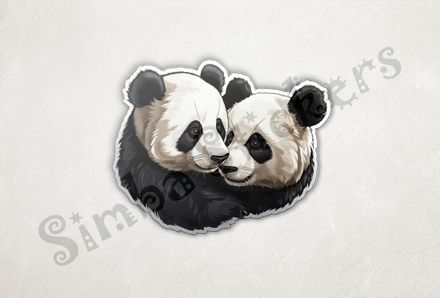
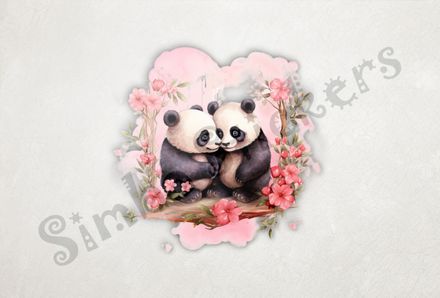
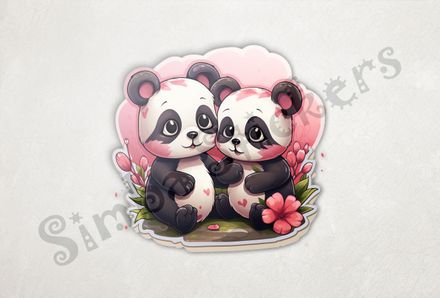
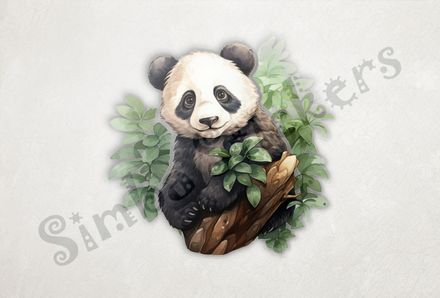
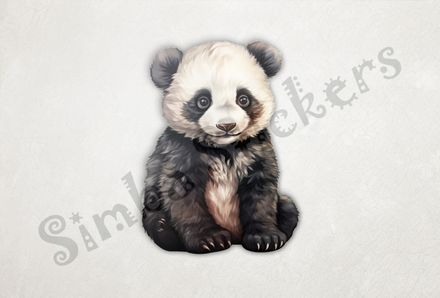
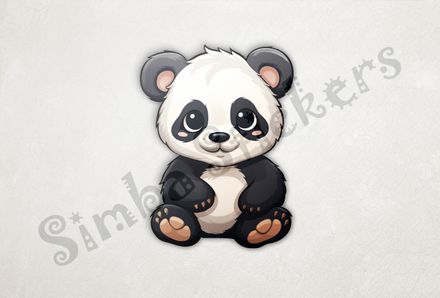
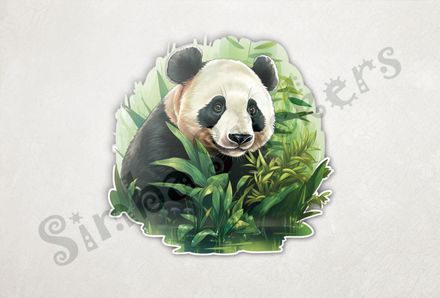
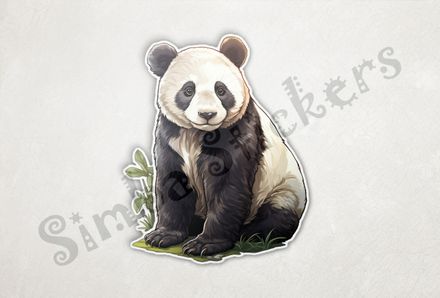
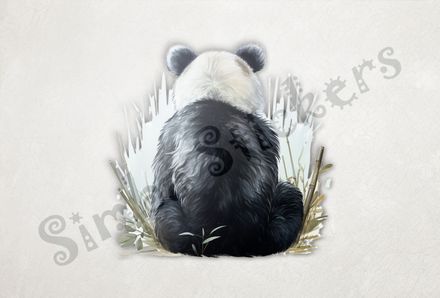
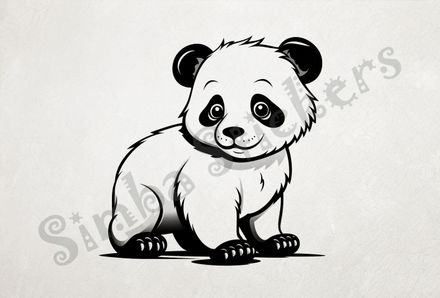
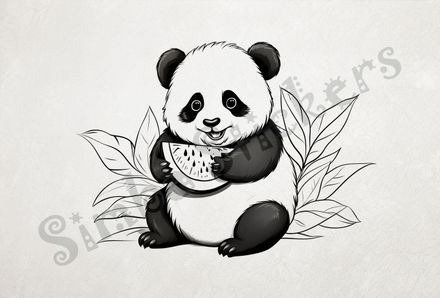
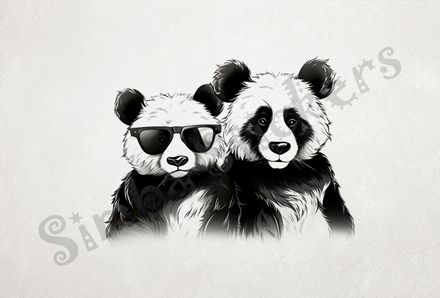
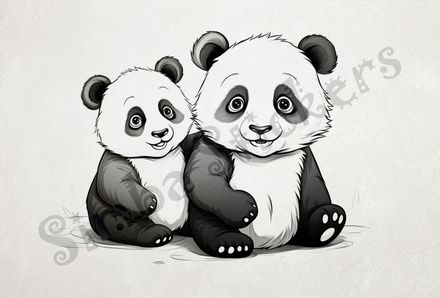
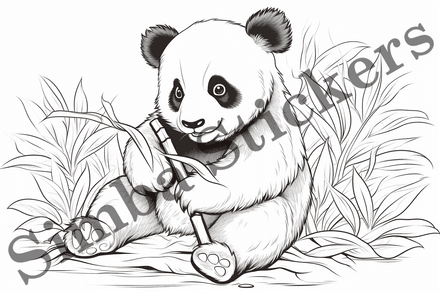
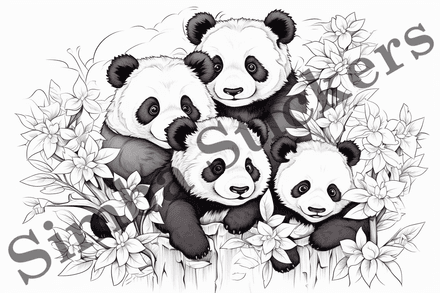
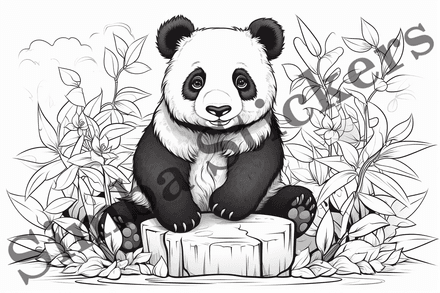
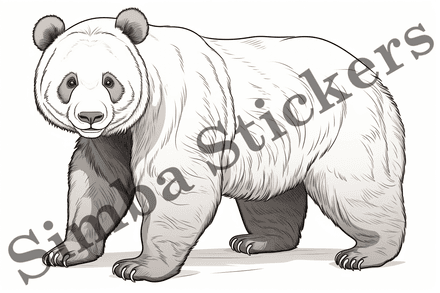
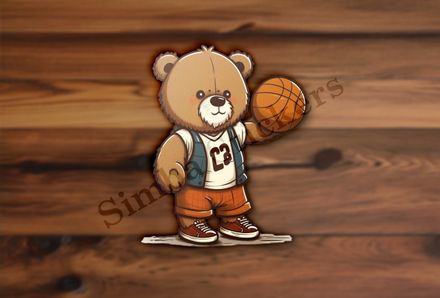
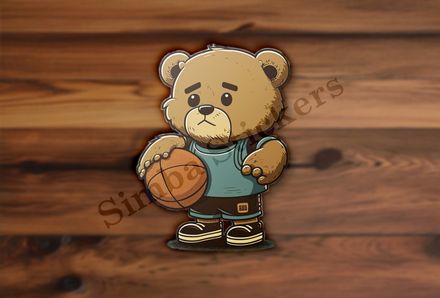
We keep adding images as will as print-on-demand products of bears as time goes on. The easiest way to keep up-to-date is to subscribe to our newsletter.
If you would like them applied to a particular kind of clothing item which is missing, then please contact us!
Simba Stickers Wild Animal Facts Videos in English
For facts about wild animals presented in a fun and informative way, kindly have a look at our videos below!
Video Shorts
Regular Videos
We also have wild animal videos available in French (regular/shorts), German (regular/shorts), Italian (regular/shorts) and Latin (regular/shorts).
Go to the Simba Stickers English channel for all our videos!
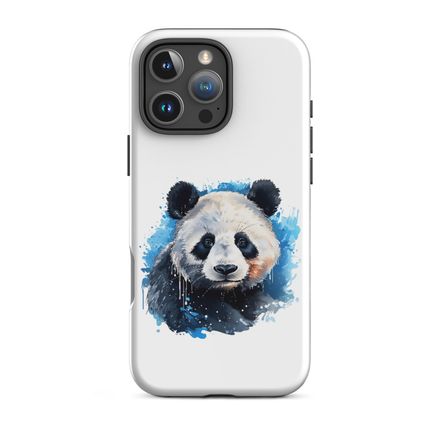
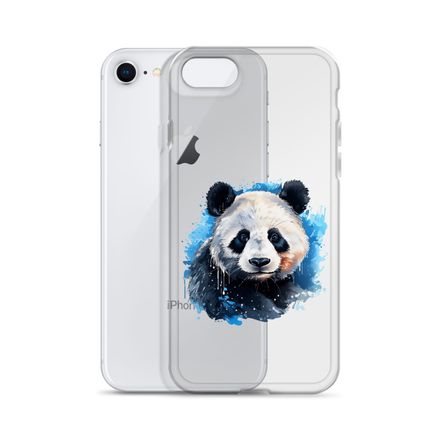
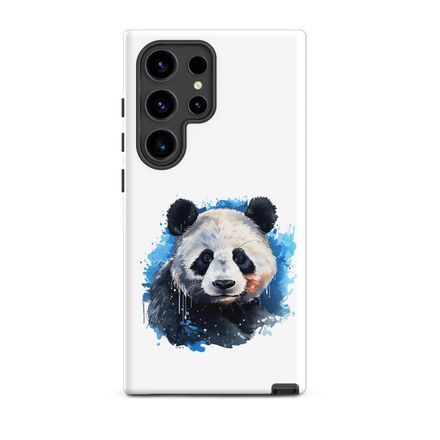
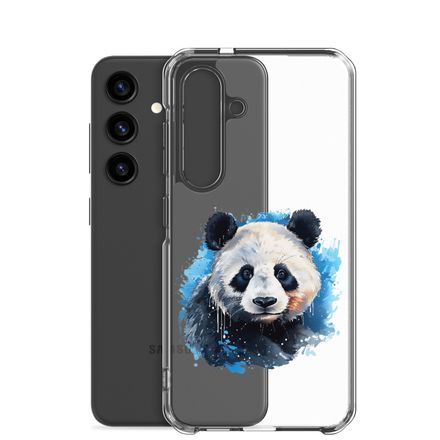
Bear Products - digital/print-on-demand





Subscribe to our newsletter
Get the latest news and updates straight to your inbox