
Bee/Bees
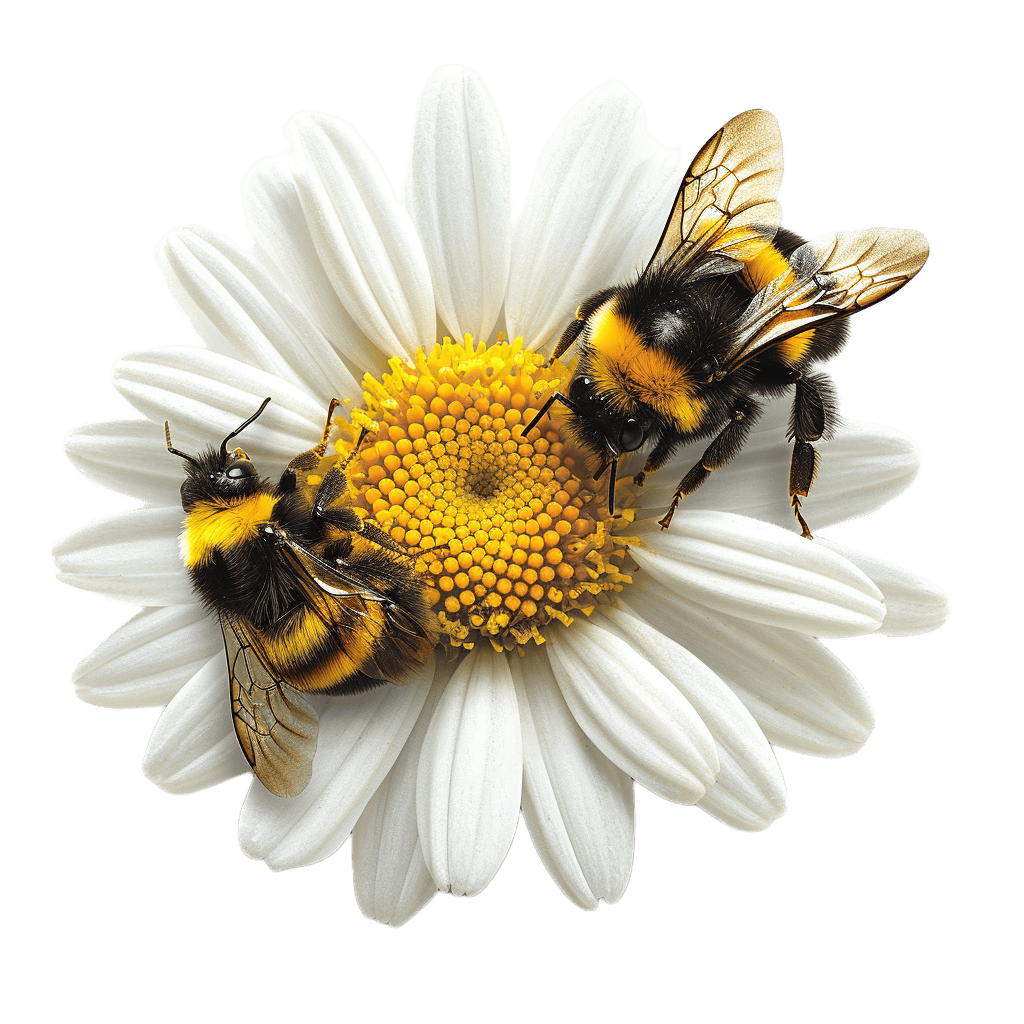
Bees belong to the insect order *Hymenoptera* and the superfamily *Apoidea*, with the most well-known species being the western honeybee (*Apis mellifera*). A single individual is called a **bee**, while a group can be referred to as a **swarm**, **hive** (referring to both the colony and its structure), or **colony** of bees. Within honeybee hives, individuals have specific roles and names: the reproductive female is the **queen**, non-reproductive females are **workers**, and males are called **drones**—the only ones whose sole purpose is to mate with a queen. The young go through distinct stages: they begin as **eggs**, hatch into **larvae** (often called grubs), are sealed in cells as **pupae**, and finally emerge as adult bees. Bees are easily recognized by their fuzzy bodies, two pairs of wings, six legs, and specialized structures for collecting pollen, such as pollen baskets (corbiculae) on their hind legs. They possess stingers (modified ovipositors) used for defense—though only once in honeybees, as the stinger detaches and kills the bee afterward. Bees communicate through intricate dances (like the waggle dance), which convey the direction and distance of food sources, showcasing their advanced social intelligence.
Bees inhabit nearly every continent except Antarctica, thriving in diverse environments including meadows, forests, deserts, gardens, and urban areas where flowering plants are available. Honeybees typically live in managed hives or wild colonies in hollow trees, while solitary bees like mason bees and leafcutter bees nest in soil, wood, or plant stems. Bumblebees (*Bombus* spp.) form smaller colonies in grassy or underground nests. While not domesticated in the traditional sense, the western honeybee has numerous **subspecies** adapted to regional climates—from the gentle Italian bee (*Apis mellifera ligustica*) to the hardy Carniolan bee (*Apis mellifera carnica*) of Eastern Europe and the Africanized "killer" bee, a hybrid known for its defensiveness. These subspecies differ in temperament, disease resistance, honey production, and climate tolerance. Other bee types include over 20,000 wild species—such as carpenter bees, sweat bees, and stingless bees (*Meliponini*)—each playing unique ecological roles. Their ability to pollinate a wide range of plants makes them vital across both natural ecosystems and agricultural systems.
Culturally, bees have long symbolized diligence, cooperation, and divine wisdom. In ancient Egypt, bees were associated with royalty and the afterlife; in Greek mythology, they were linked to priestesses and prophecy. The bee appears on historical emblems, from Napoleon’s empire to modern city seals, representing productivity and community. In many cultures, honey—produced by bees from flower nectar—is valued not only as food but also for its medicinal properties. Ecologically, bees are among the most important pollinators on Earth. It's estimated that one-third of the food humans consume depends on pollination, much of it carried out by bees. They enable the reproduction of fruits, vegetables, nuts, and seeds, supporting biodiversity and global food security. Wild bees contribute significantly to crop yields and native plant regeneration. However, bee populations are declining due to habitat loss, pesticide use (especially neonicotinoids), diseases, parasites like the Varroa mite, and climate change—a crisis known as Colony Collapse Disorder. Protecting bees requires planting pollinator-friendly gardens, reducing chemical use, preserving wild habitats, and supporting sustainable agriculture. As quiet yet essential partners in life’s web, bees remind us that even the smallest creatures can carry the weight of the world’s nourishment on their wings.
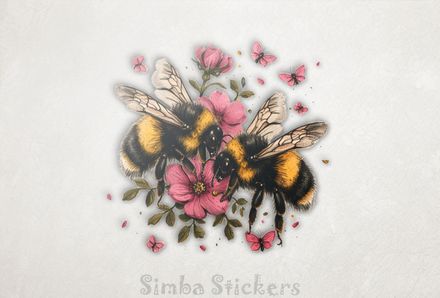
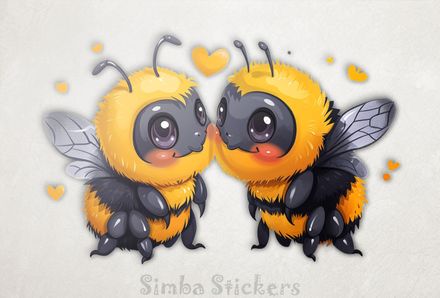
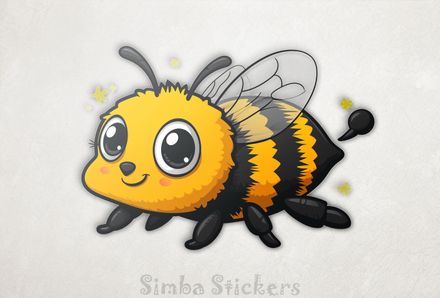
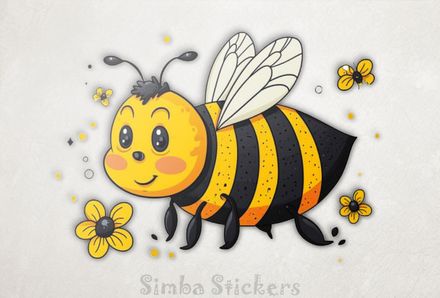
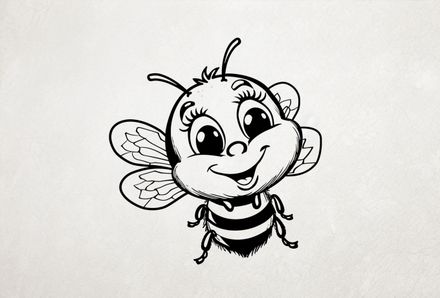
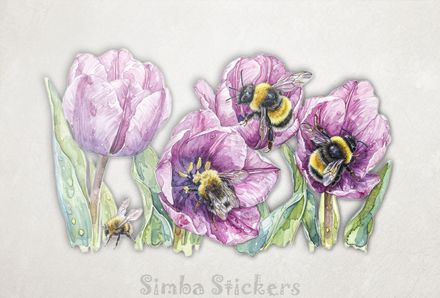
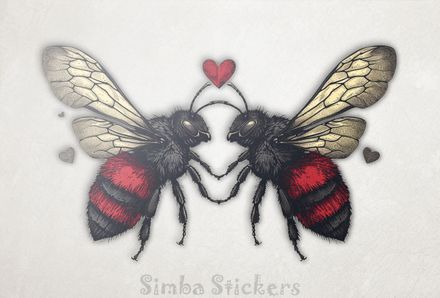
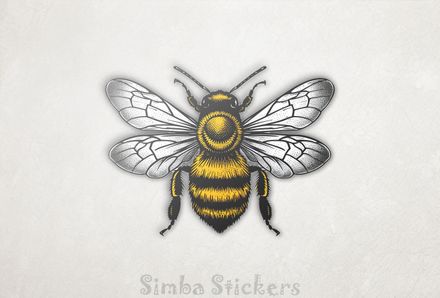
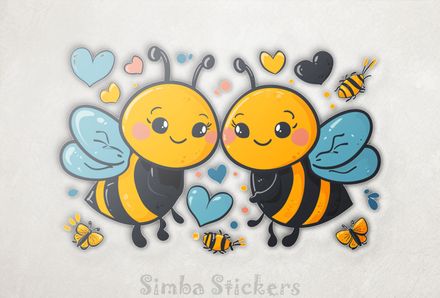
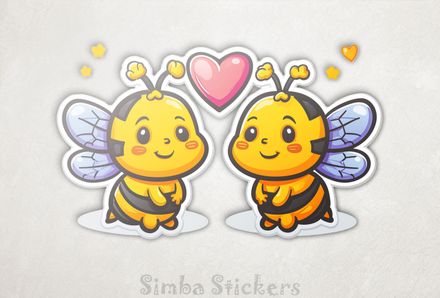
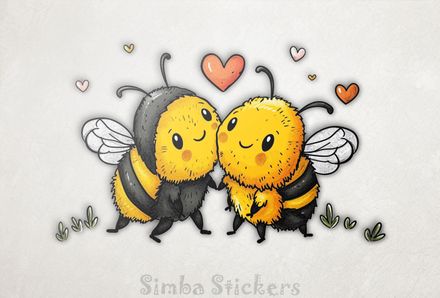
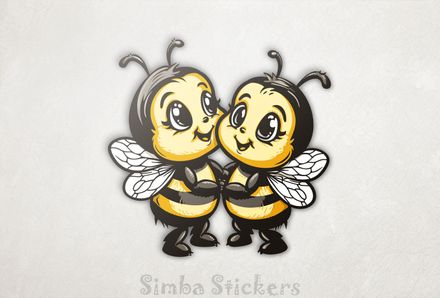
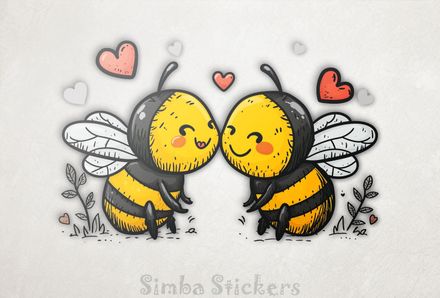
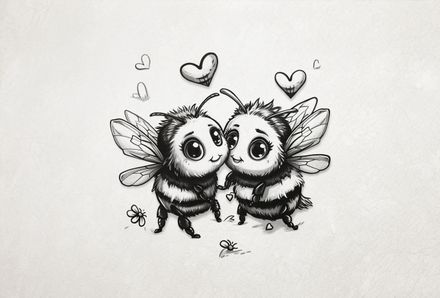
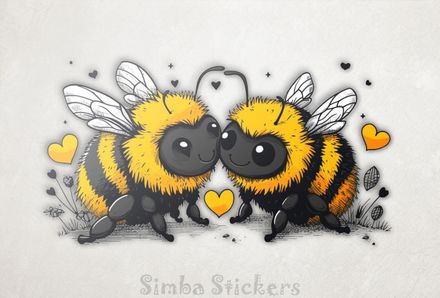
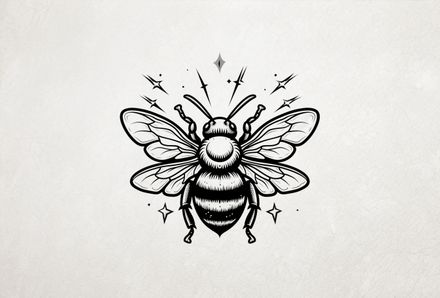
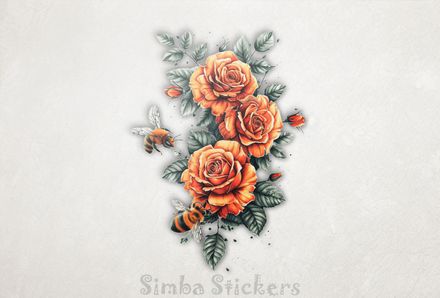
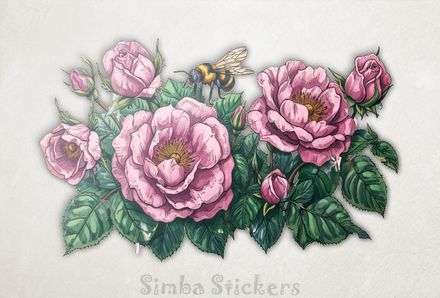
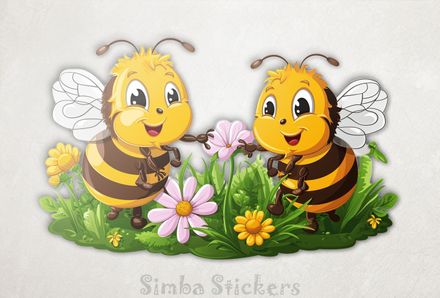
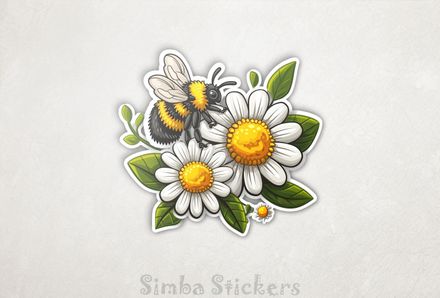
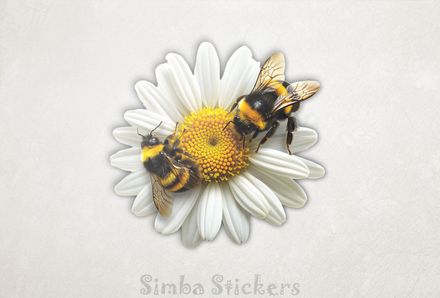
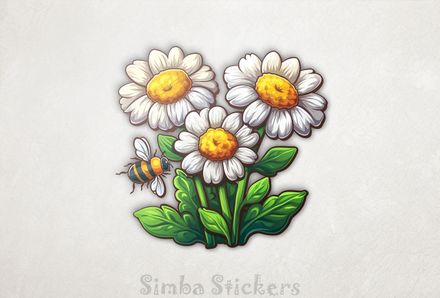
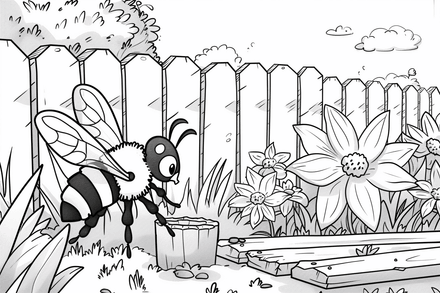
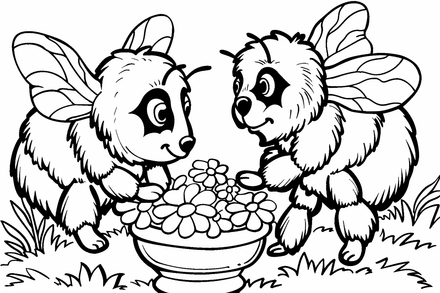
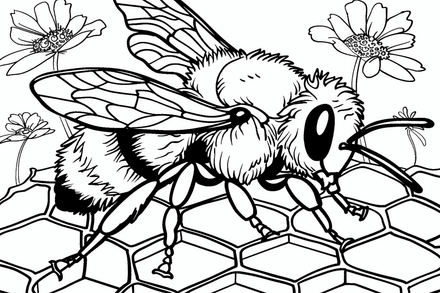
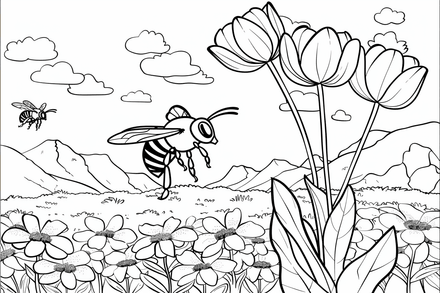
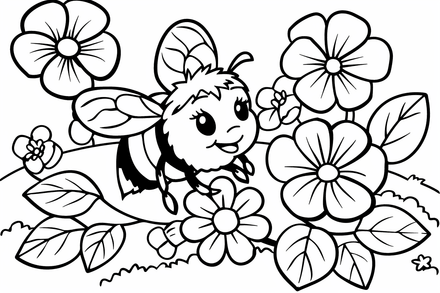
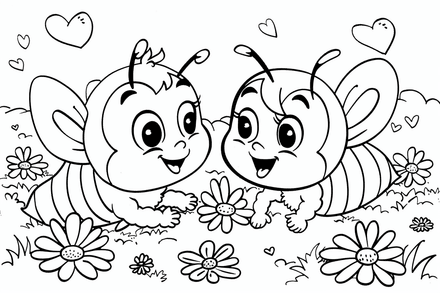
We keep adding images as will as print-on-demand products of bees as time goes on. The easiest way to keep up-to-date is to subscribe to our newsletter.
If you would like them applied to a particular kind of clothing item which is missing, then please contact us!
Simba Stickers Insect Facts Videos in English
For facts about insects presented in a fun and informative way, kindly have a look at our videos below!
Video Shorts
Regular Videos
We also have insect videos available in French (regular/shorts), German (regular/shorts), Italian (regular/shorts) and Latin (regular/shorts).
Go to the Simba Stickers English channel for all our videos!
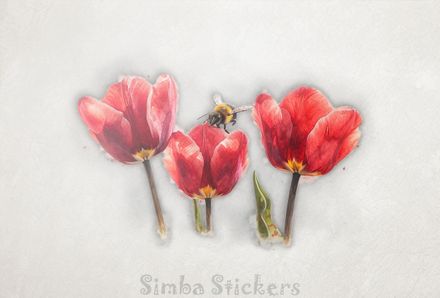
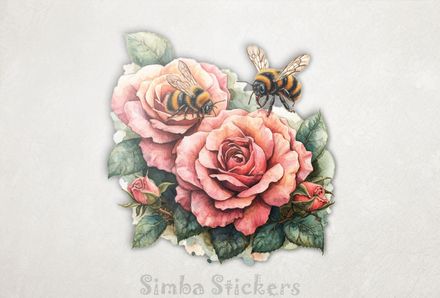
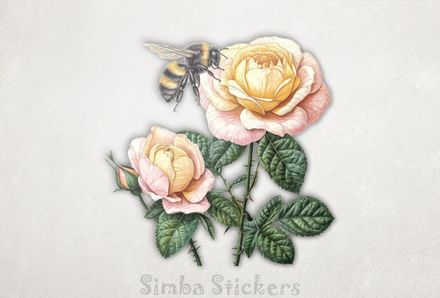
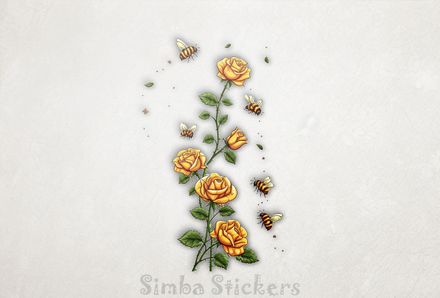
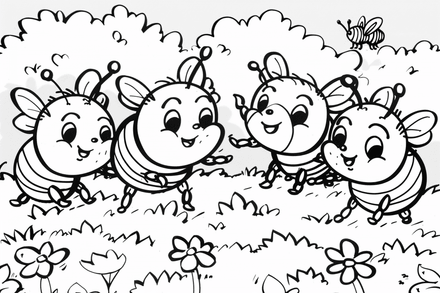
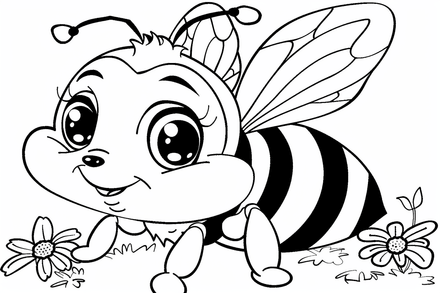
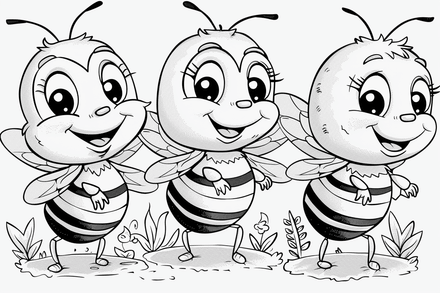
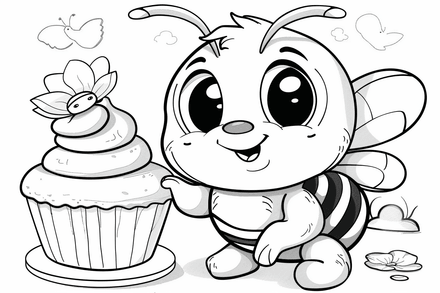
Bee Products - digital/print-on-demand







Subscribe to our newsletter
Get the latest news and updates straight to your inbox