
Insect/Insects
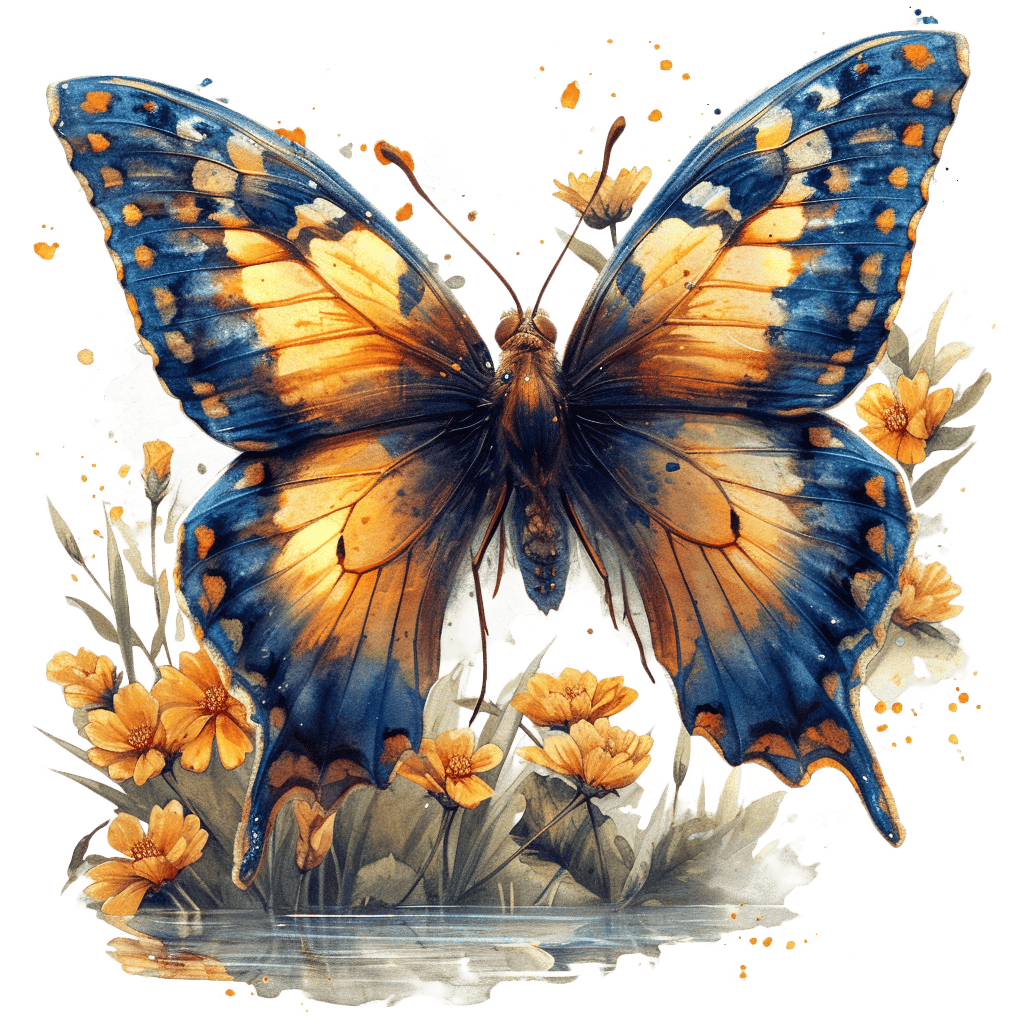
Insects belong to the class *Insecta*, a vast and diverse group within the phylum *Arthropoda*, making them the most numerous and widespread animals on Earth. A single individual is called an **insect**, while a group may be referred to as a **swarm** (especially for bees, locusts, or flies), a **colony** (for ants and termites), or simply a **cluster** or **nest** depending on context. Many insects have gender-specific names: in honeybees, the female is a **queen** if reproductive, a **worker** if sterile, and the male is a **drone**; in butterflies and moths, males and females are typically just called male or female, though some species show distinct coloration. The young often have distinctive names based on life stage: they begin as **eggs**, hatch into **larvae** (such as caterpillars or grubs), transform into **pupae** (chrysalis or cocoon), and emerge as **adults**. Insects share key features: three-part bodies (head, thorax, abdomen), six jointed legs, compound eyes, one pair of antennae, and often two pairs of wings (though some species have one pair or none). Their exoskeletons provide protection and support, and their small size allows them to thrive in nearly every microhabitat imaginable.
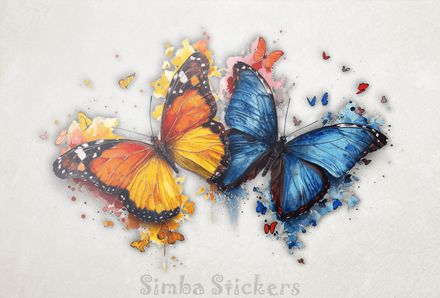
Insects inhabit virtually every terrestrial and freshwater environment on the planet—from tropical rainforests and deserts to mountains, caves, urban parks, and even inside homes. They are absent only from the deep ocean. Ants (*Formicidae*) build complex underground colonies and dominate soil ecosystems; bees (*Apidae*) and butterflies (*Lepidoptera*) flit among flowers in meadows and gardens; beetles (*Coleoptera*), the largest insect order with over 400,000 species, occupy roles from pollinators to decomposers; and mosquitoes (*Culicidae*) breed in stagnant water. Dragonflies patrol ponds and rivers, while crickets and grasshoppers sing in fields at dusk. Each species has evolved unique adaptations: fireflies produce bioluminescence to attract mates, stick insects mimic twigs for camouflage, and leafcutter ants cultivate fungus gardens. While not "breeds" in the domestic sense, countless species exhibit regional variations and subspecies—such as the European honeybee (*Apis mellifera*) with multiple subspecies adapted to local climates across Europe, Africa, and the Middle East. This diversity underscores the evolutionary success of insects in exploiting nearly every ecological niche.
Ecologically, insects are indispensable to the health and function of ecosystems. As **pollinators**, bees, butterflies, moths, and flies enable the reproduction of about 80% of flowering plants, including many crops essential to human food supply—such as apples, almonds, and berries. Without them, global agriculture would collapse. As **decomposers**, dung beetles, termites, and fly larvae break down waste, dead plants, and animal carcasses, recycling nutrients back into the soil. As **predators**, ladybugs, praying mantises, and dragonflies control populations of pests like aphids and mosquitoes. In turn, insects form the base of countless food chains, serving as primary food sources for birds, bats, reptiles, amphibians, and fish. Even parasitic wasps play a role by regulating pest species in natural and agricultural systems. However, insect populations worldwide are declining due to pesticide use, habitat loss, light pollution, and climate change—a phenomenon sometimes called the “insect apocalypse.” This decline threatens biodiversity and ecosystem stability, highlighting how vital these tiny creatures are to planetary health.
Culturally, insects hold both reverence and revulsion across societies. In ancient Egypt, the scarab beetle symbolized rebirth and the sun god Ra. In Mesoamerican cultures, butterflies represented the soul and transformation. Honeybees have long been associated with industry, order, and divine wisdom—appearing in religious texts, heraldry, and beekeeping traditions around the world. Silkworms (*Bombyx mori*) were central to Chinese civilization, producing silk that shaped trade along the Silk Road. Conversely, insects like mosquitoes, cockroaches, and locusts are often feared or despised for spreading disease or causing destruction. Yet, modern science increasingly recognizes their value, inspiring biomimicry in technology and medicine. Conservation efforts now focus on protecting pollinator habitats, reducing chemical use, and raising awareness. Whether admired for their beauty, feared for their sting, or unnoticed in their millions, insects remain the quiet architects of life on Earth—small in size but monumental in impact.
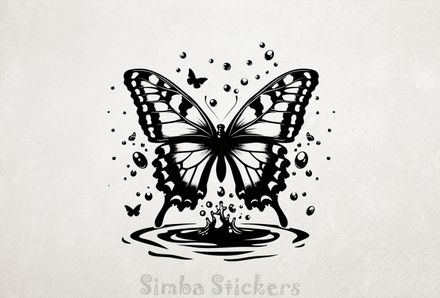
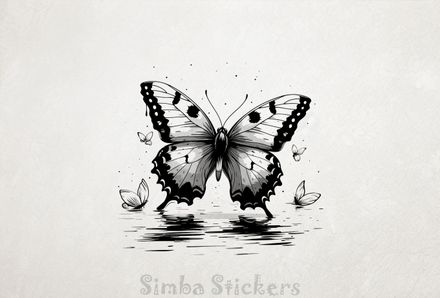
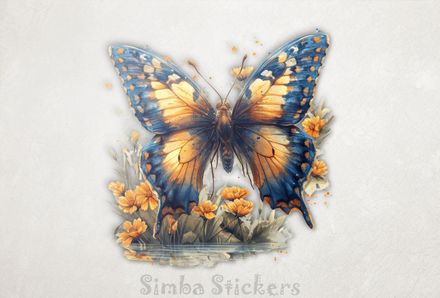
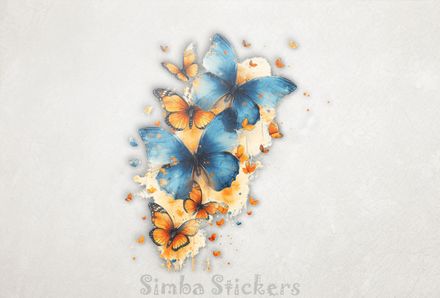
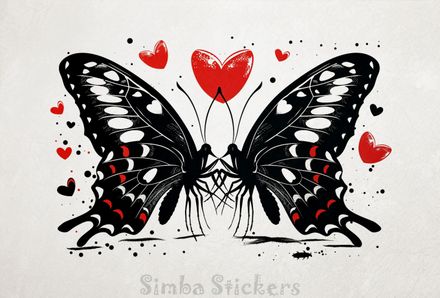
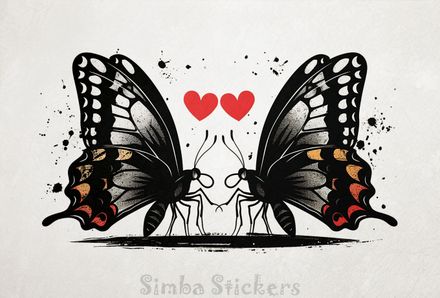
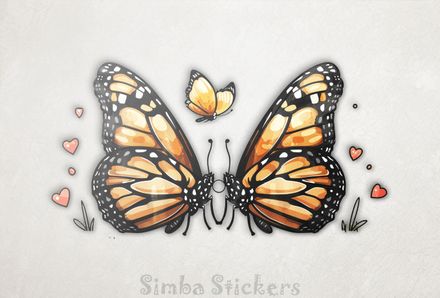
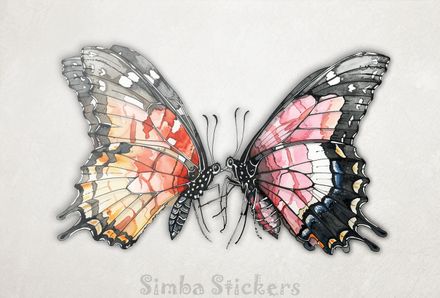
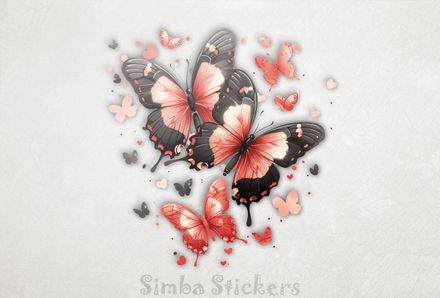
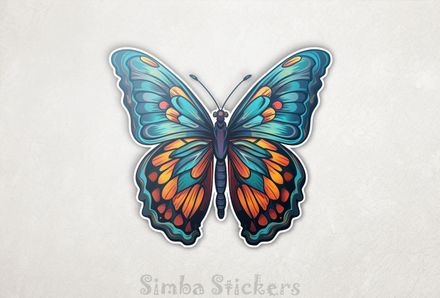
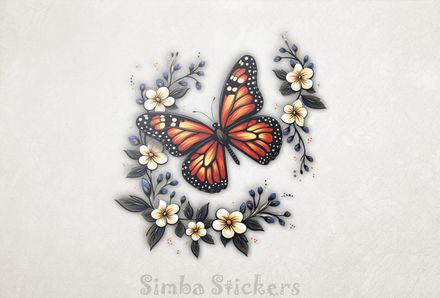
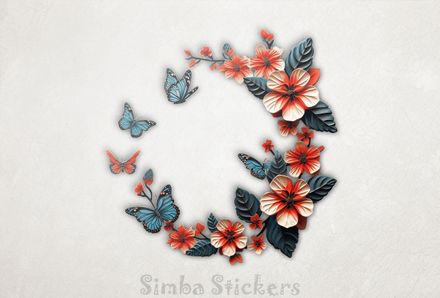
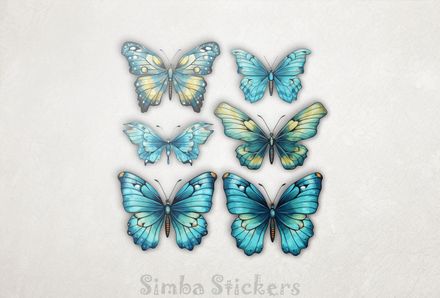
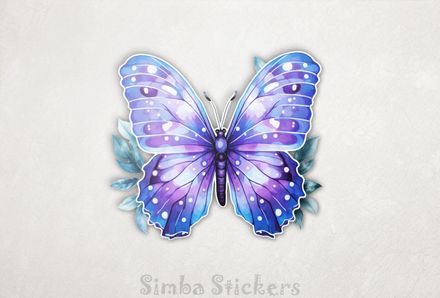
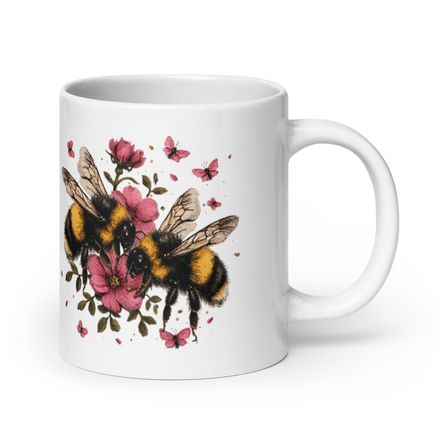
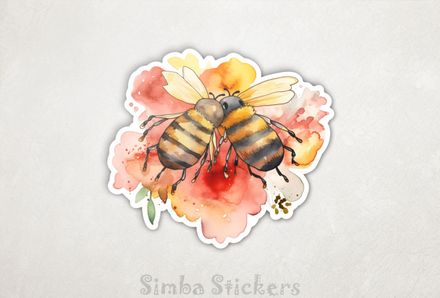
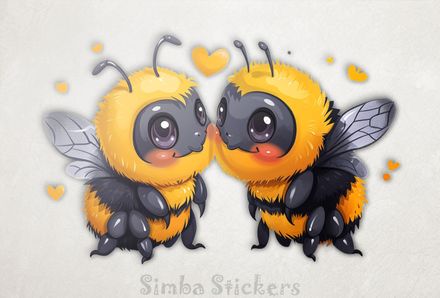
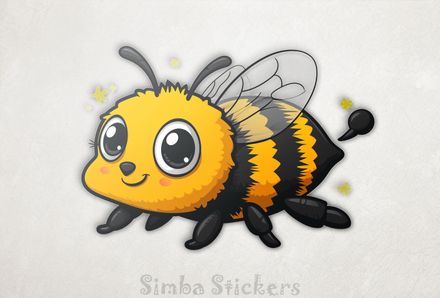
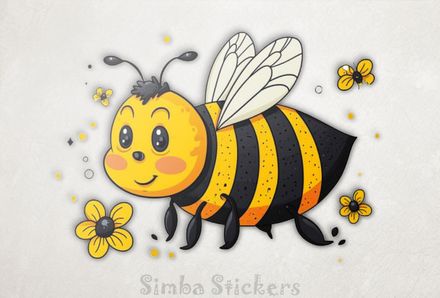
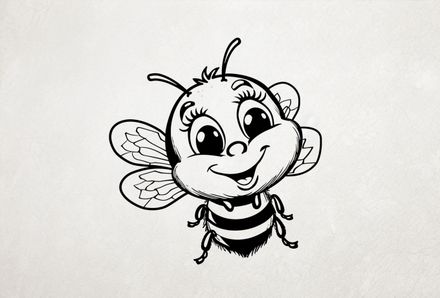
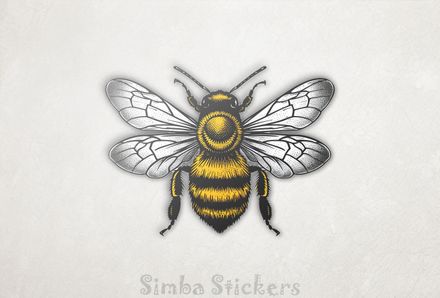
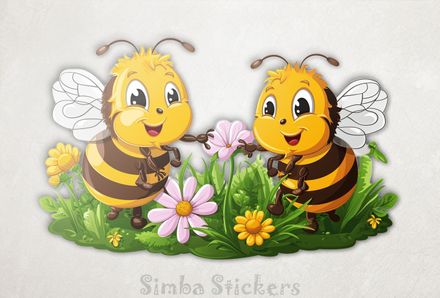
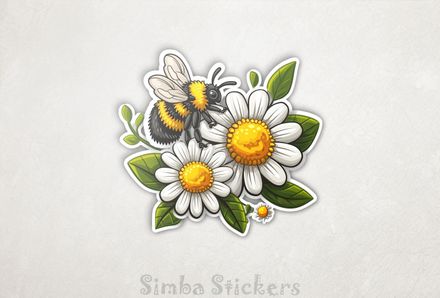
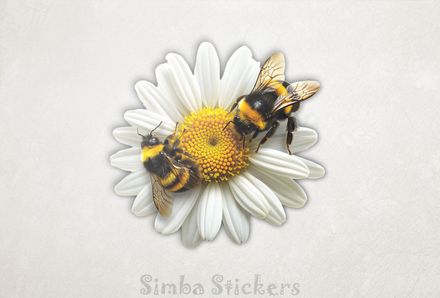
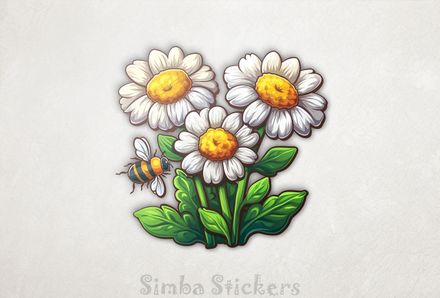
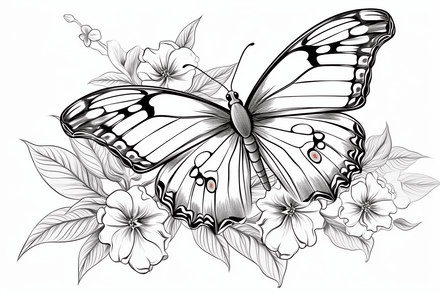
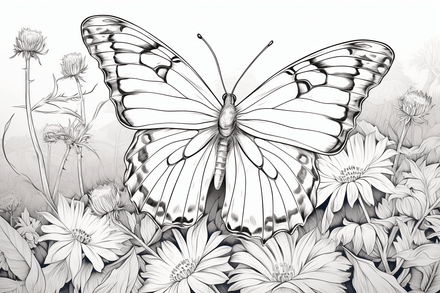
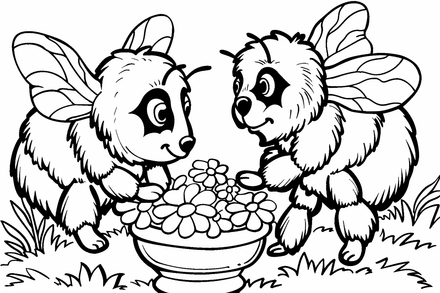
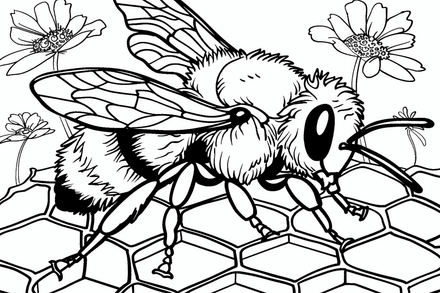
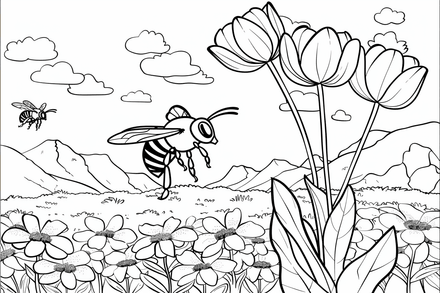
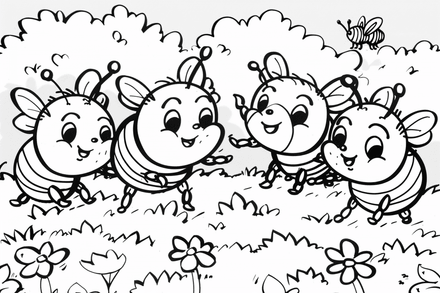
We keep adding images as will as print-on-demand products of insects as time goes on. The easiest way to keep up-to-date is to subscribe to our newsletter.
If you would like them applied to a particular kind of clothing item which is missing, then please contact us!
Simba Stickers Insect Facts Videos in English
For facts about insects presented in a fun and informative way, kindly have a look at our videos below!
Video Shorts
Regular Videos
We also have insect videos available in French (regular/shorts), German (regular/shorts), Italian (regular/shorts) and Latin (regular/shorts).
Go to the Simba Stickers English channel for all our videos!
Insect Products - digital/print-on-demand


















Subscribe to our newsletter
Get the latest news and updates straight to your inbox