
Beaver/Beavers

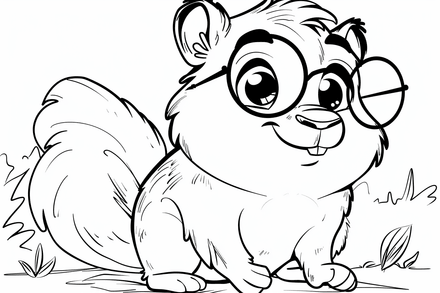
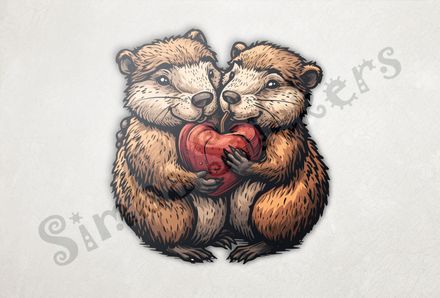
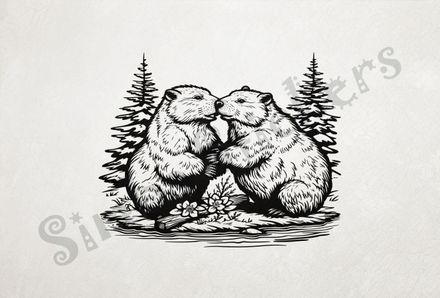
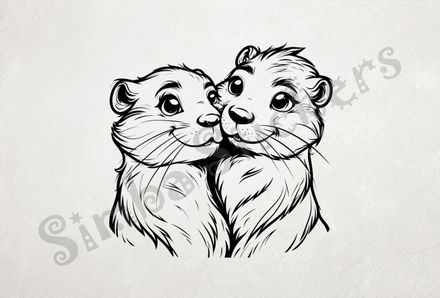
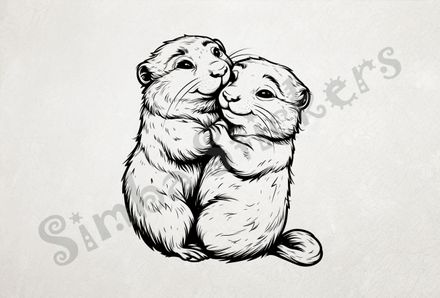
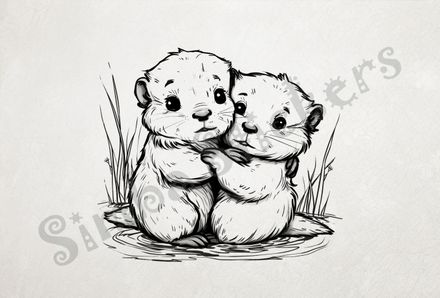
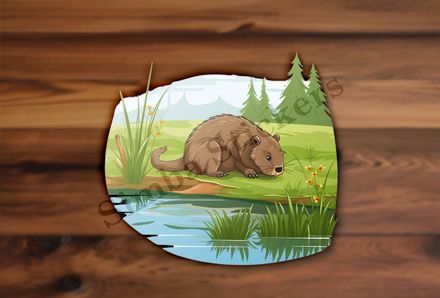
Beavers are large, semi-aquatic rodents belonging to the genus *Castor*, with two living species: the North American beaver (*Castor canadensis*) and the Eurasian beaver (*Castor fiber*). A single animal is called a **beaver**, while a group is known as a **family**, **colony**, or **pod**. The male is referred to as a **buck**, the female as a **doe**, and their young are called **kits**. Beavers are easily recognized by their stout bodies, webbed hind feet, scaly flat tails used for swimming and balance, and thick brown fur that provides insulation in cold water. They possess large, orange-tinted incisors that continuously grow and are perfectly adapted for felling trees and gnawing through bark. Beavers are among the few animals classified as ecosystem engineers due to their remarkable ability to alter landscapes. They are primarily nocturnal, highly social, and live in family units that cooperate to build and maintain complex structures.
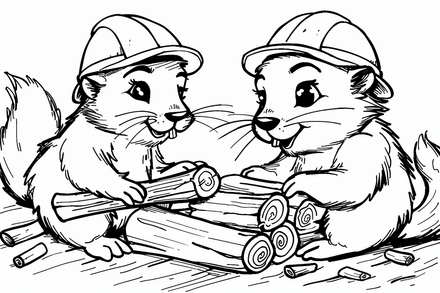
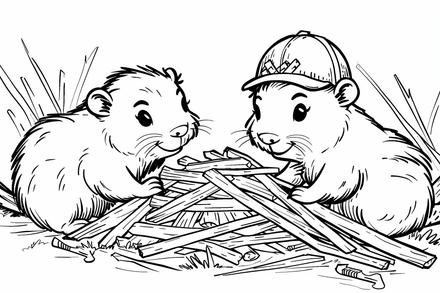
Beavers inhabit freshwater ecosystems such as rivers, streams, ponds, and marshes across North America, Europe, and parts of Asia. They prefer areas with abundant woody vegetation, which they use for food and construction. Using logs, branches, mud, and stones, beavers build **dams** to create deep, still ponds that protect their **lodges**—hut-like shelters with underwater entrances that guard against predators like wolves and bears. These engineered wetlands provide critical habitat for fish, amphibians, waterfowl, and insects. The North American beaver is slightly smaller than its Eurasian cousin and has a broader range, thriving from Alaska to northern Mexico. The Eurasian beaver was nearly driven to extinction by the 19th century due to hunting for fur and castoreum (a secretion used in medicine and perfumery) but has since been successfully reintroduced across much of Europe and parts of Asia. Though not domesticated or bred into varieties like livestock, subtle differences in size, skull shape, and behavior distinguish the two species, reflecting their adaptation to regional environments.
Culturally, beavers have played a significant role in human history, particularly in North America, where they were central to the 17th and 18th-century fur trade. The demand for beaver pelts—used to make felt hats—drove exploration, shaped colonial economies, and led to widespread trapping that drastically reduced populations. Today, the beaver is a national symbol of Canada, appearing on the nickel and recognized as a provincial emblem in Ontario. Indigenous peoples have long respected the beaver for its diligence, ingenuity, and contribution to the balance of nature. In modern times, beavers are increasingly valued for their ecological benefits. Their dam-building activities mitigate droughts, reduce flooding, improve water quality by filtering sediments, and increase biodiversity by creating wetlands. As climate change intensifies, their natural engineering is being recognized as a low-cost, sustainable solution for water conservation and habitat restoration. While conflicts arise when dams flood roads or farmland, many regions now use "beaver management" techniques to coexist with these animals. With populations recovering in many areas, the beaver stands as a powerful example of how a single species can transform and enrich entire ecosystems—earning its reputation as one of nature’s most vital and industrious builders.
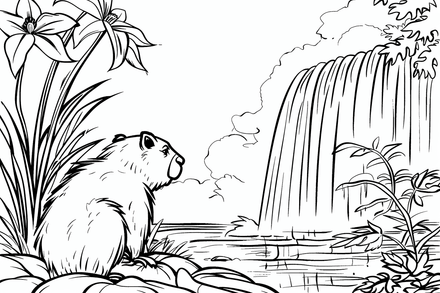
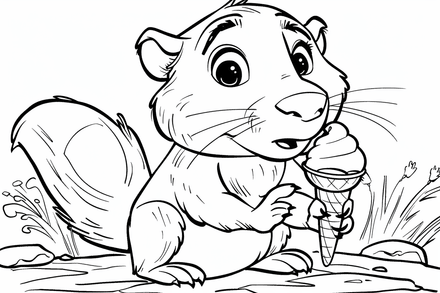
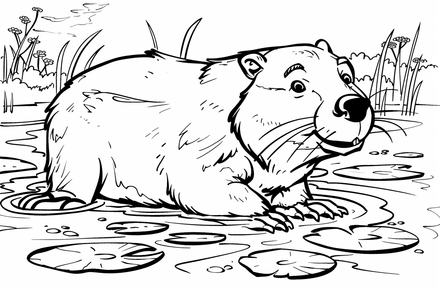
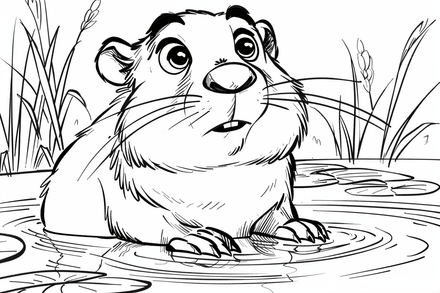
We keep adding images as will as print-on-demand products of beavers as time goes on. The easiest way to keep up-to-date is to subscribe to our newsletter.
If you would like them applied to a particular kind of clothing item which is missing, then please contact us!
Simba Stickers Rodent Facts Videos in English
For facts about rodents presented in a fun and informative way, kindly have a look at our videos below!
Video Shorts
Regular Videos
We also have rodent videos available in French (regular/shorts), German (regular/shorts), Italian (regular/shorts) and Latin (regular/shorts).
Go to the Simba Stickers English channel for all our videos!
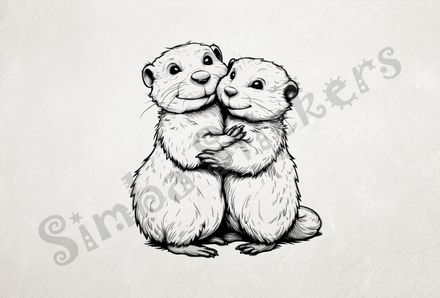
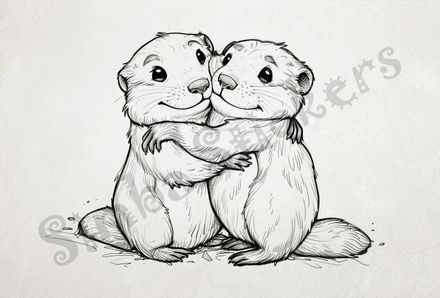
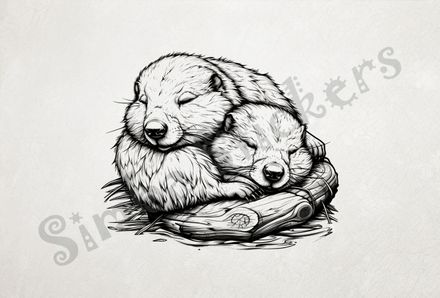
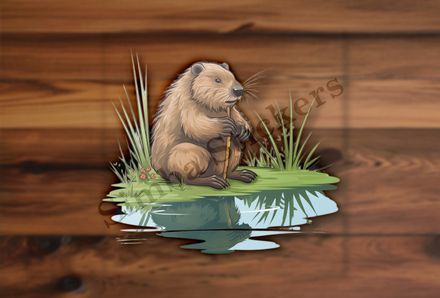
Beaver Products - digital/print-on-demand












Subscribe to our newsletter
Get the latest news and updates straight to your inbox