
Duck/Ducks

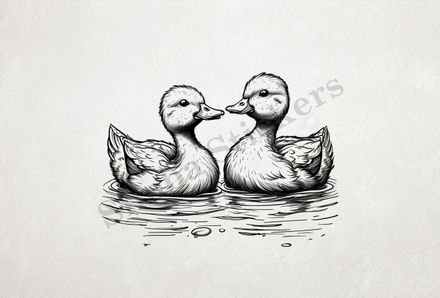
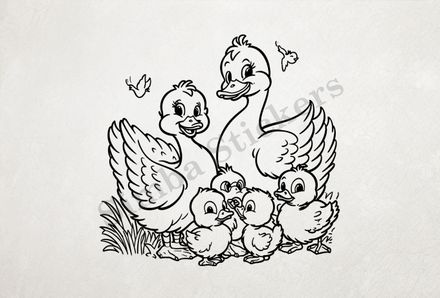
Ducks belong to the family *Anatidae* and are primarily classified under the genus *Anas*, with the domestic duck being a descendant of the wild mallard (*Anas platyrhynchos*). A single bird is called a **duck**, while a group can be referred to as a **flock**, **team**, **raft** (when on water), or **paddling** of ducks. The male is known as a **drake**, the female as a **duck** (though “hen” is sometimes used in farming contexts), and the young are called **ducklings**—a distinctive and widely recognized name. Ducks are medium-sized waterfowl with webbed feet, broad bills adapted for filtering or grasping food, and waterproof feathers coated in oil from a gland near the tail. Most species exhibit sexual dimorphism: drakes are often brightly colored with iridescent plumage, especially during breeding season, while females are mottled brown for camouflage. They are strong swimmers, using their webbed feet to propel themselves through water, and many are capable fliers, migrating long distances between breeding and wintering grounds. Ducks are omnivorous, feeding on aquatic plants, insects, small fish, and crustaceans.
Ducks inhabit a wide range of wetland environments, including ponds, lakes, rivers, marshes, estuaries, and even urban parks and backyard ponds. Some species, like the mallard and wood duck, prefer freshwater habitats with abundant vegetation, while others such as the eider and scoter are more common in coastal marine areas. The muscovy duck (*Cairina moschata*), native to Central and South America, often lives near forested rivers and can thrive in warmer climates. While wild ducks are not divided into subspecies in the traditional sense, there are numerous **domestic breeds** developed from the mallard and muscovy duck for specific purposes. The **Pekin duck** is the most common commercial breed, raised for meat and eggs; the **Khaki Campbell** is prized for its high egg production; and the **Call duck**, originally bred as a decoy, is now kept as an ornamental pet due to its small size and vocal nature. Wild populations include regional variations of the mallard, some of which interbreed with domestic ducks, leading to hybridization concerns in certain areas. These adaptations highlight the duck’s remarkable versatility across natural and human-modified landscapes.
Culturally, ducks have held symbolic and practical roles across societies. In Chinese culture, the duck symbolizes fidelity and marital harmony, as many species form long-term pair bonds. Duck dishes like Peking duck and roast duck are culinary staples in Asian and European cuisines. In children’s literature and media—such as *Donald Duck* and *Make Way for Ducklings*—ducks are beloved figures representing curiosity, family, and adventure. Ecologically, ducks play important roles in wetland ecosystems. As foragers, they help control insect and plant populations, and their feeding habits aid in seed dispersal, promoting plant diversity. Their nesting and movement patterns influence nutrient cycling in aquatic environments. Migratory ducks connect distant ecosystems, transporting nutrients and organisms across continents. However, overpopulation in urban areas or escapees from captivity can lead to competition with native species, disease spread, or water pollution from droppings. Despite these challenges, ducks remain vital indicators of wetland health and biodiversity. Whether gliding across a serene pond or waddling through a farmyard, ducks embody resilience, adaptability, and the enduring connection between humans and the natural world.
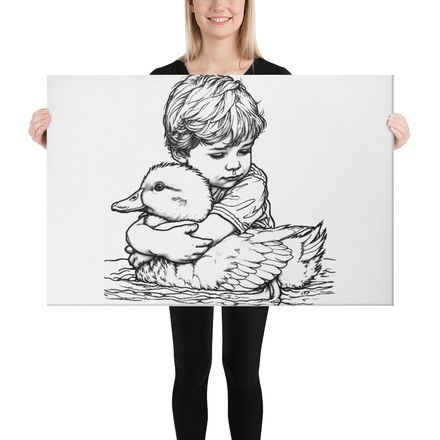
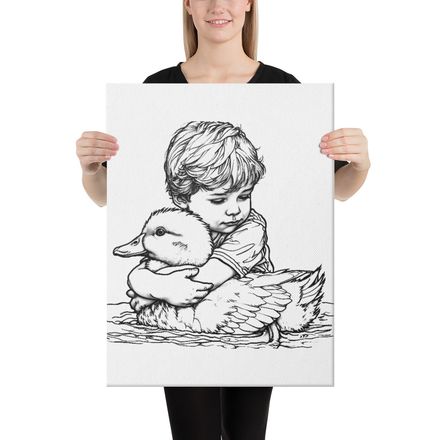
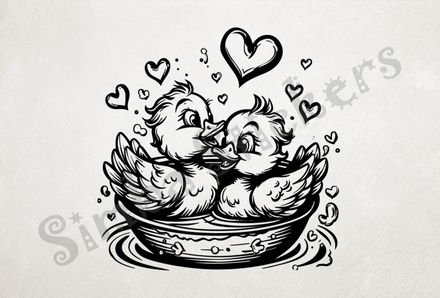
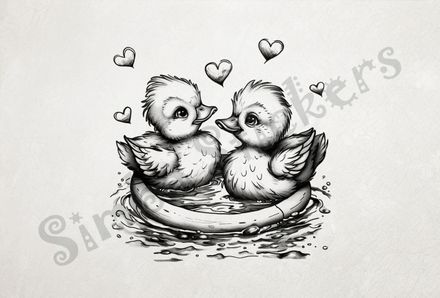
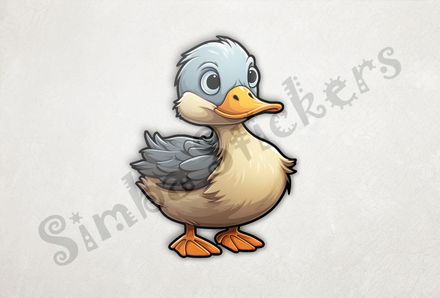
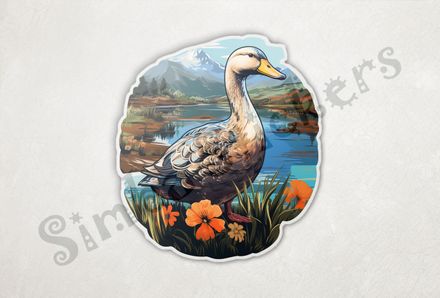
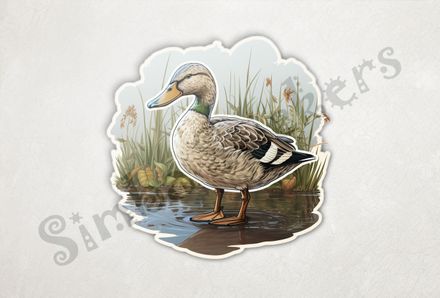
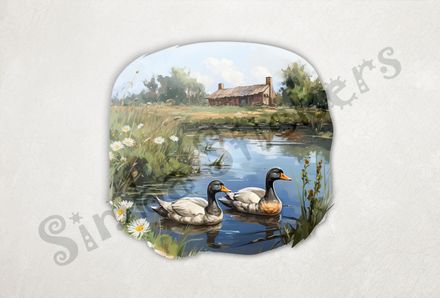
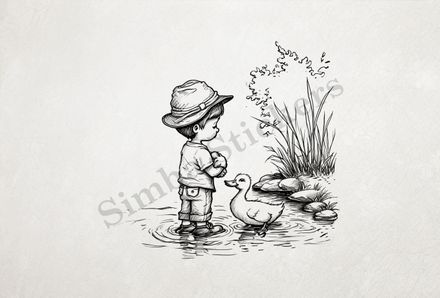
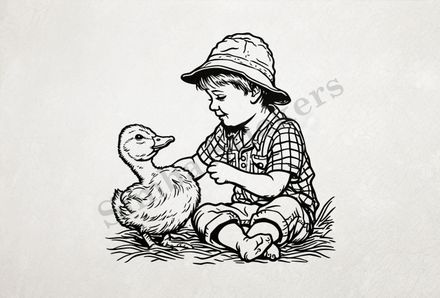
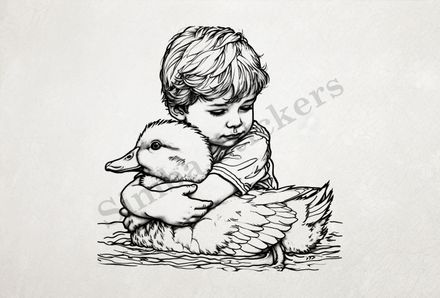
We keep adding images as will as print-on-demand products of ducks as time goes on. The easiest way to keep up-to-date is to subscribe to our newsletter.
If you would like them applied to a particular kind of clothing item which is missing, then please contact us!
Simba Stickers Domestic Bird Facts Videos in English
For facts about domestic birds presented in a fun and informative way, kindly have a look at our videos below!
Video Shorts
Regular Videos
We also have domestic bird videos available in French (regular/shorts), German (regular/shorts), Italian (regular/shorts) and Latin (regular/shorts).
Go to the Simba Stickers English channel for all our videos!









Subscribe to our newsletter
Get the latest news and updates straight to your inbox