
Wild Bird/Birds

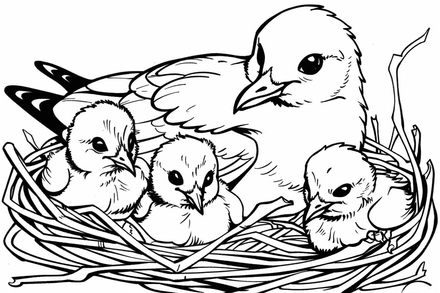
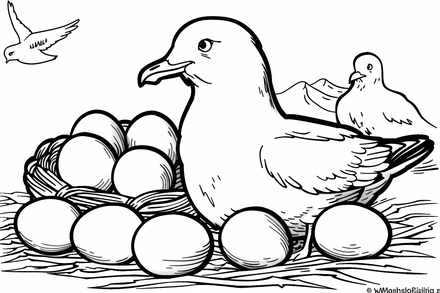
“Wild birds” refers to undomesticated avian species that live freely in natural environments, belonging to the class *Aves* and spanning thousands of species across diverse orders such as *Passeriformes* (songbirds), *Accipitriformes* (raptors), *Anseriformes* (waterfowl), and *Charadriiformes* (shorebirds). A single individual is called a **bird**, while a group is most commonly referred to as a **flock**, though many poetic collective nouns exist—such as a **murder of crows**, a **parliament of owls**, or a **colony of herons**. Male and female names vary by species: males are often called **cocks** or **roosters** (in pheasants and chickens), **tiercels** (in falcons), or simply **males**; females may be called **hens**, **doves**, or **sows** (in some ducks), depending on context. The young have distinctive names: they begin as **eggs**, hatch as **nestlings**, become **fledglings** once they leave the nest, and are generally called **chicks** or **juveniles** until they reach maturity. Wild birds are distinguished by feathers, beaks (without teeth), lightweight hollow bones, strong pectoral muscles for flight (in most species), and high metabolic rates. Many possess acute vision, complex vocalizations, and remarkable navigational abilities, enabling migration over thousands of miles.
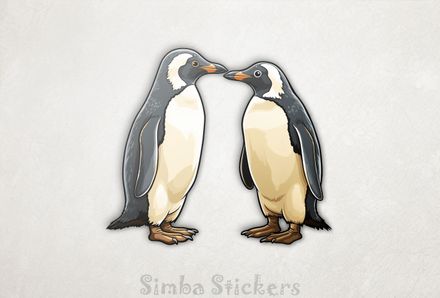
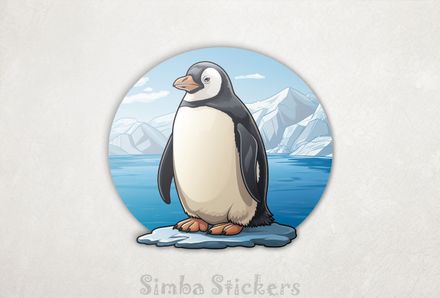
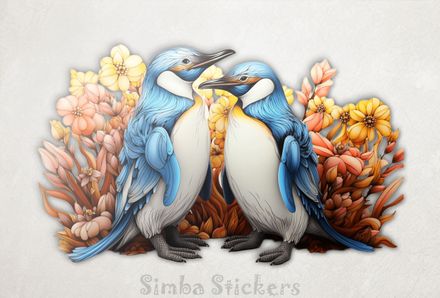
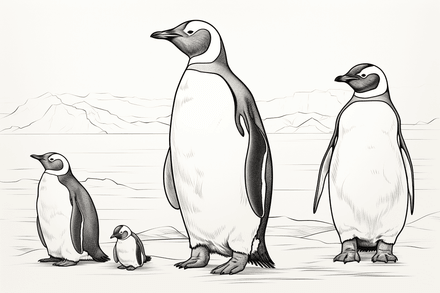
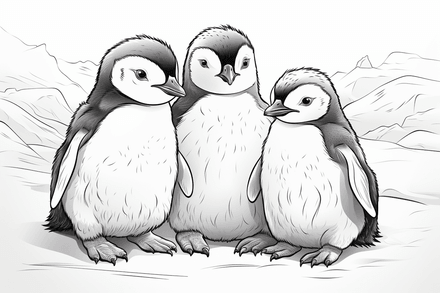
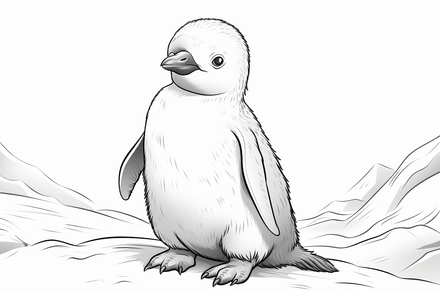
Wild birds occupy nearly every habitat on Earth—from dense tropical rainforests and arid deserts to mountain peaks, wetlands, grasslands, tundra, and urban parks. Songbirds like warblers, finches, and thrushes inhabit woodlands and gardens, while raptors such as eagles, hawks, and owls patrol skies and forests in search of prey. Waterfowl like ducks, geese, and swans thrive in lakes, rivers, and estuaries, and shorebirds including sandpipers and plovers forage along coastlines. Some species are highly specialized: the kiwi of New Zealand is nocturnal and flightless, the penguin swims in Antarctic waters, and the Arctic tern migrates from pole to pole annually—the longest known animal migration. While wild birds are not “bred” like domestic animals, many species have multiple **subspecies** adapted to regional conditions. For example, the fox sparrow (*Passerella iliaca*) has several subspecies with varying plumage across North America, and the northern goshawk (*Accipiter gentilis*) has distinct forms in Europe, Asia, and North America. These variations reflect evolutionary adaptations to climate, food sources, and geography, enhancing biodiversity within species.
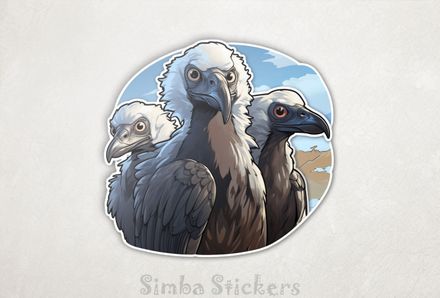
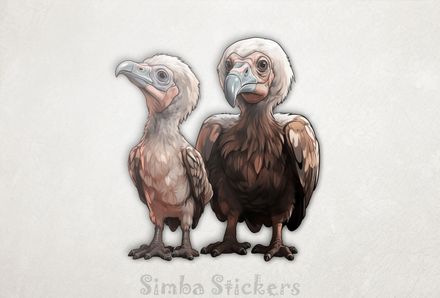
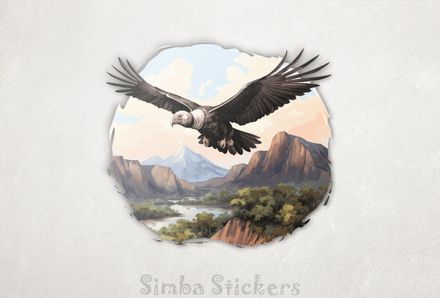
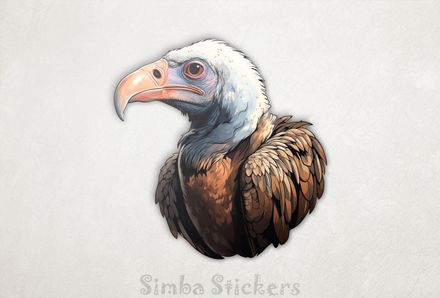
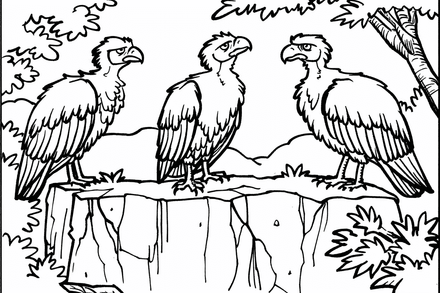
Ecologically, wild birds play indispensable roles in maintaining healthy ecosystems. As predators, raptors help control rodent and insect populations; barn owls can consume thousands of mice in a year, reducing agricultural pests naturally. Seed-eating birds like sparrows, grosbeaks, and hornbills disperse plant seeds over wide areas, promoting forest regeneration. Nectar-feeding birds such as hummingbirds, sunbirds, and honeyeaters are vital pollinators for countless flowering plants. Scavengers like vultures and crows clean up carrion, preventing disease spread. Even seabirds contribute significantly—guano from colonies fertilizes soil and marine zones, supporting plant and plankton growth. Birds also serve as key indicators of environmental health; declines in populations of swifts, swallows, or songbirds often signal habitat loss, pesticide use, or climate change. Their presence supports complex food webs and contributes to ecosystem resilience, making them essential components of global biodiversity.
Culturally, wild birds have held deep symbolic meaning across civilizations. The bald eagle represents freedom and strength in the United States, while the dove symbolizes peace and the Holy Spirit in Christianity. In ancient Egypt, the ibis was sacred to Thoth, god of wisdom, and the phoenix embodied rebirth in Greek and Middle Eastern myth. Indigenous cultures worldwide revere birds as messengers, spirit guides, or ancestors—such as the thunderbird in Native American traditions or the albatross in Pacific island lore. Birds inspire art, music, and literature, from Beethoven’s “Bird Symphony” to Wordsworth’s daffodil poem. Today, birdwatching is a popular global pastime, and conservation efforts protect endangered species like the California condor and the whooping crane. Threats such as habitat destruction, window collisions, invasive species, and climate change endanger many populations. Protecting wild birds means preserving not only ecological balance but also cultural heritage and the wonder they bring to human life. Whether soaring above mountains or singing at dawn, wild birds remind us of nature’s beauty, complexity, and enduring connection to the world around us.
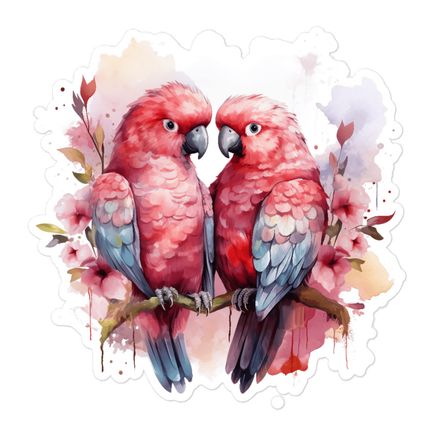
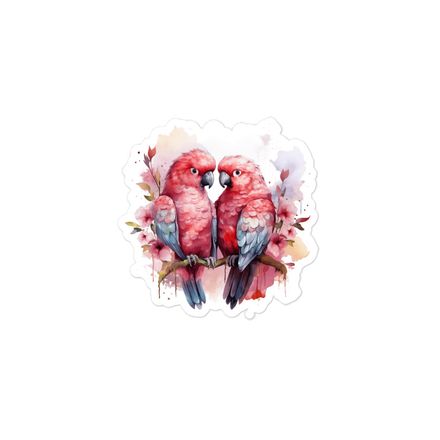
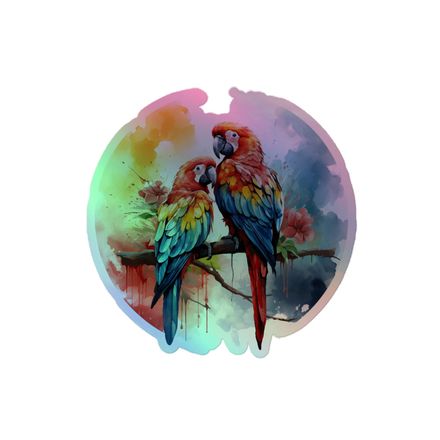
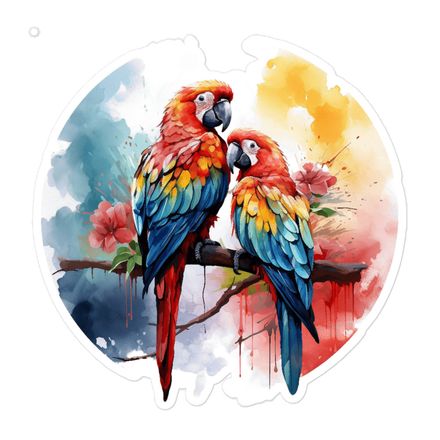
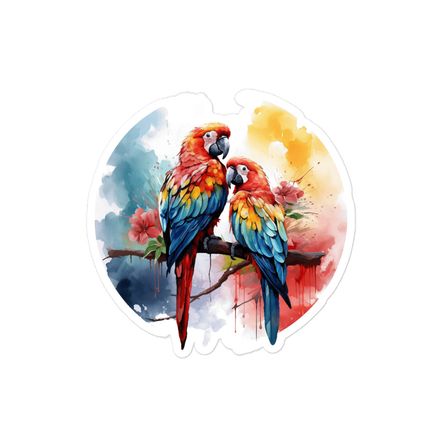
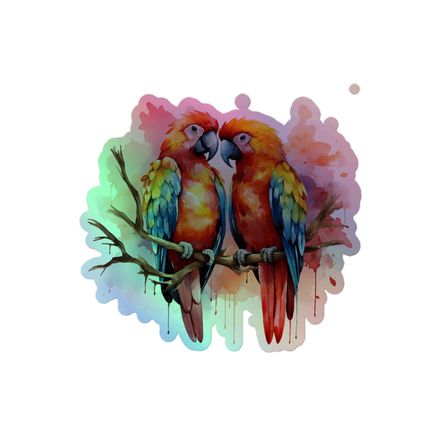
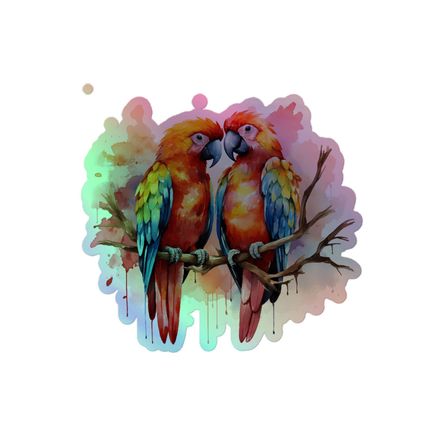
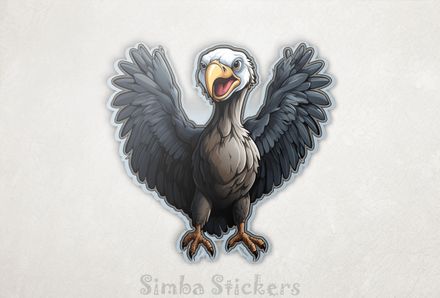
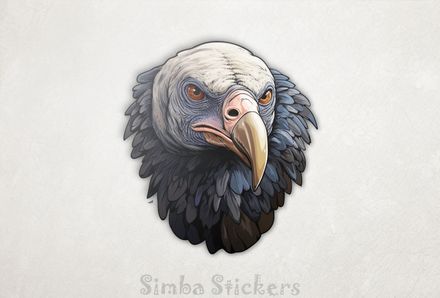
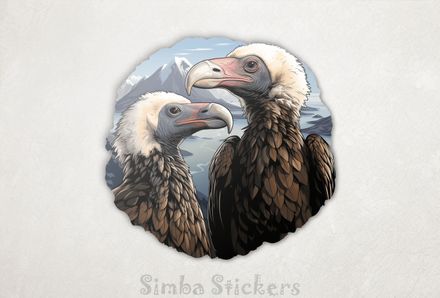
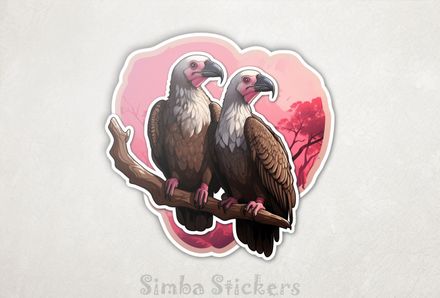
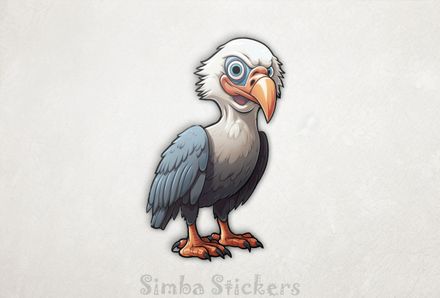
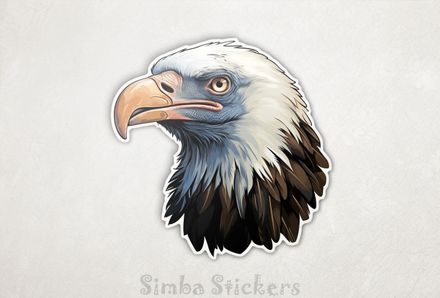
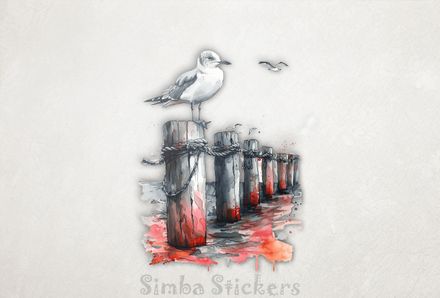
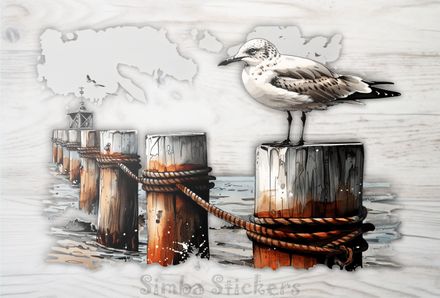
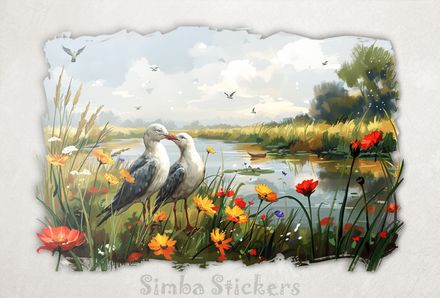
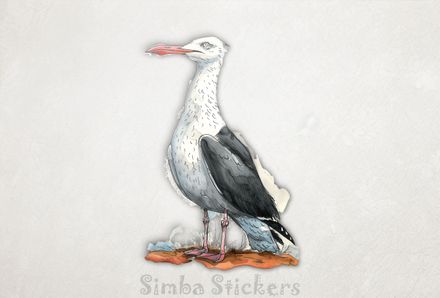
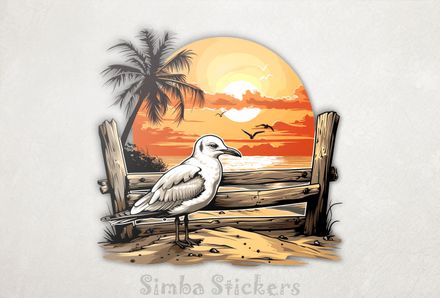
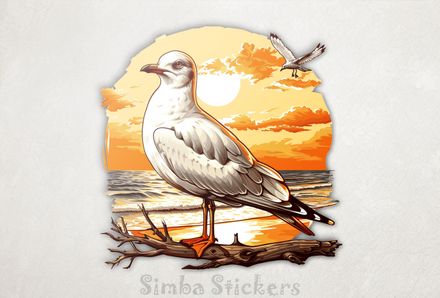
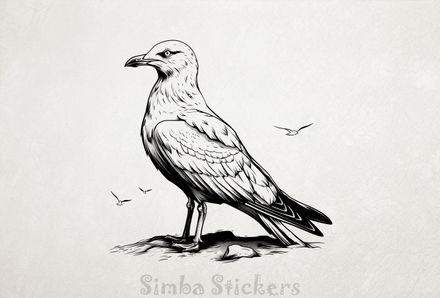
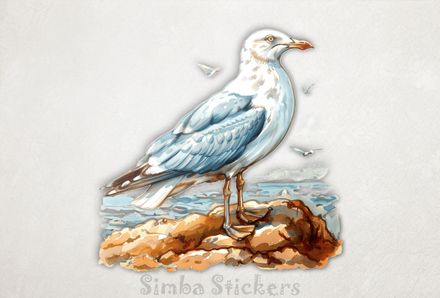
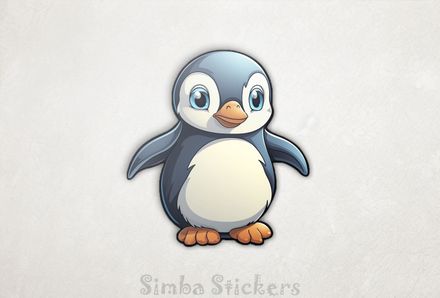
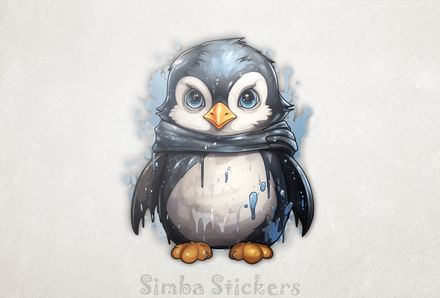
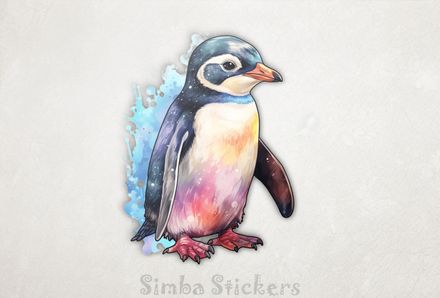
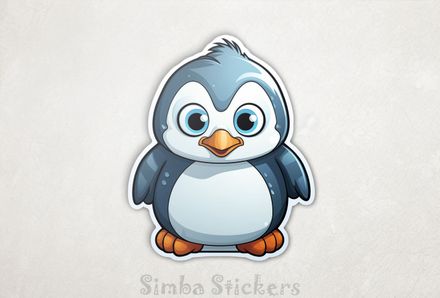
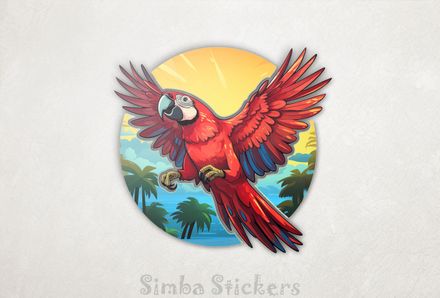
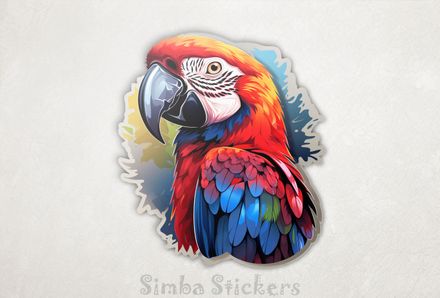
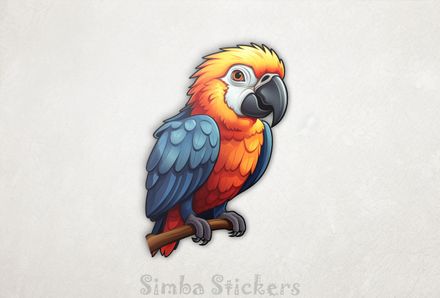
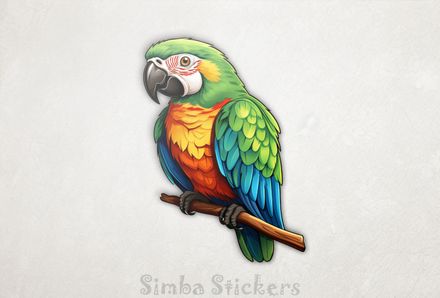
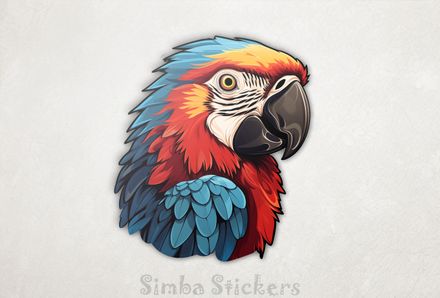
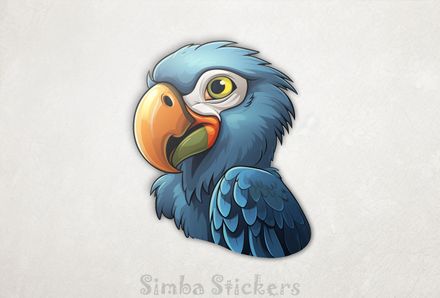
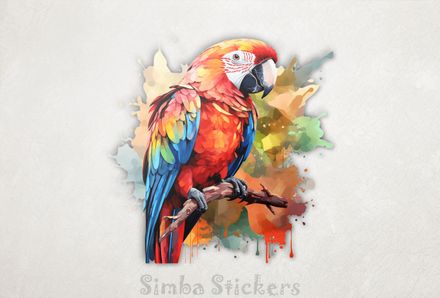
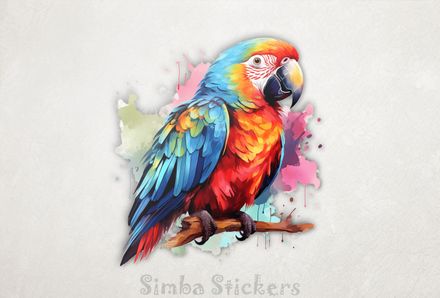
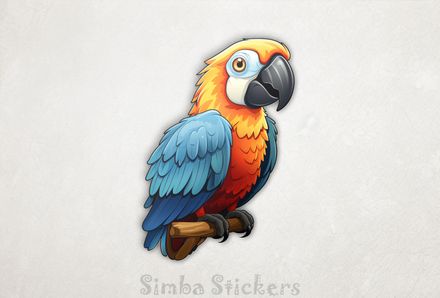
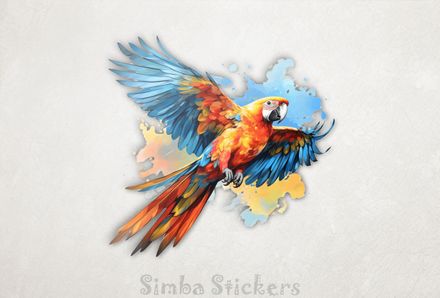
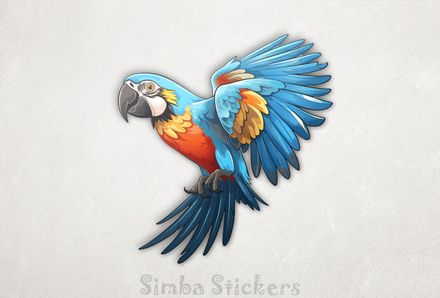
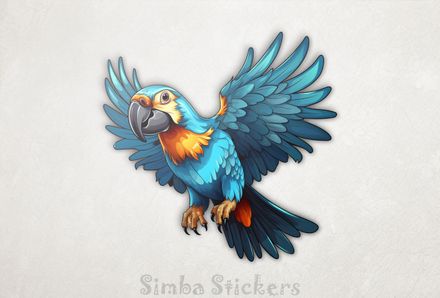
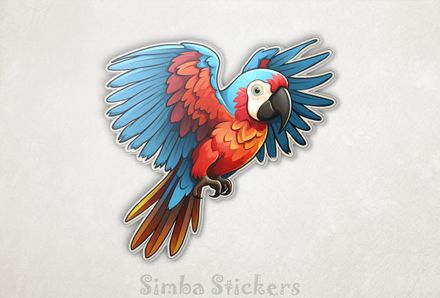
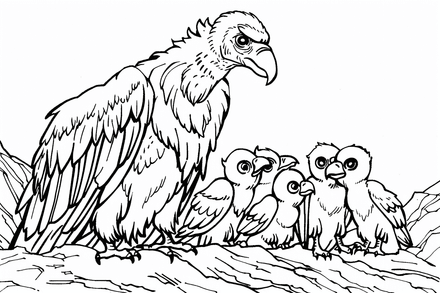
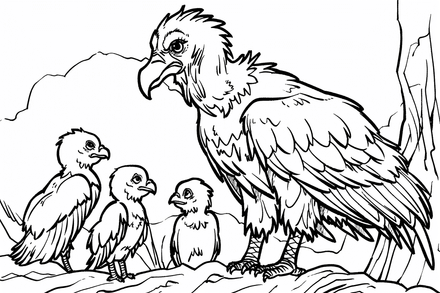
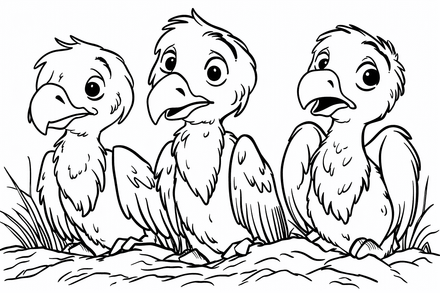
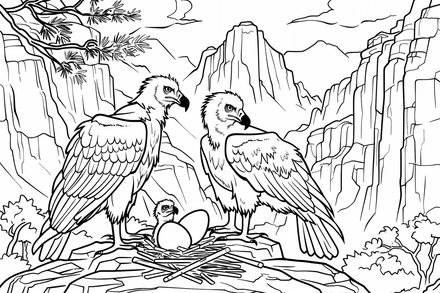
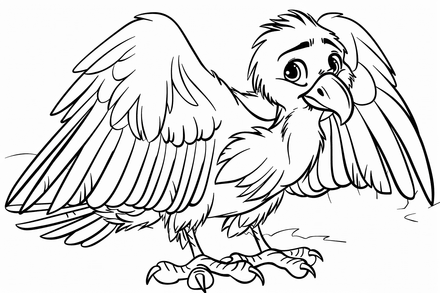
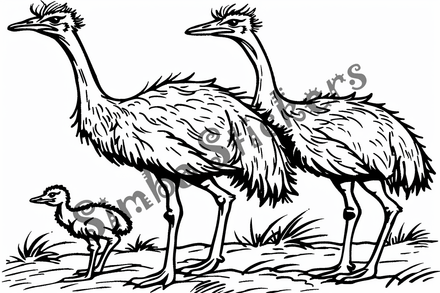
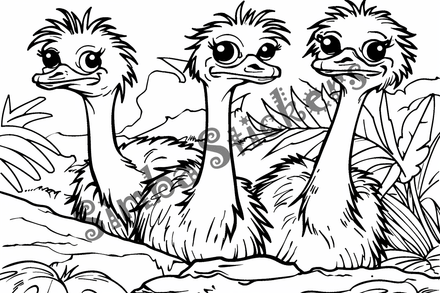
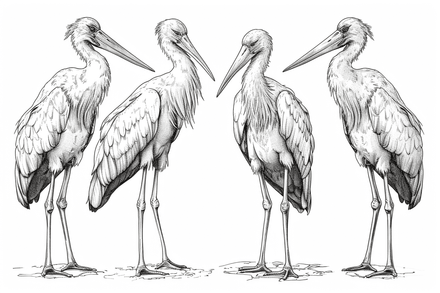
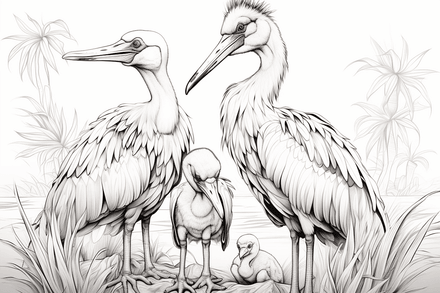
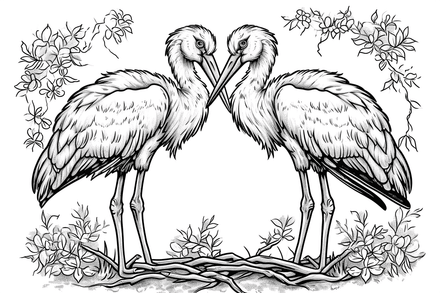
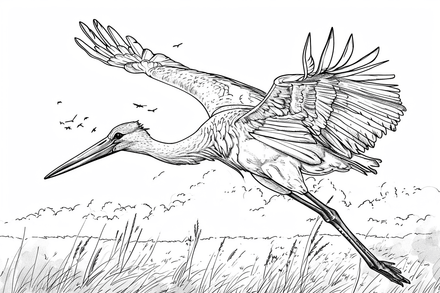
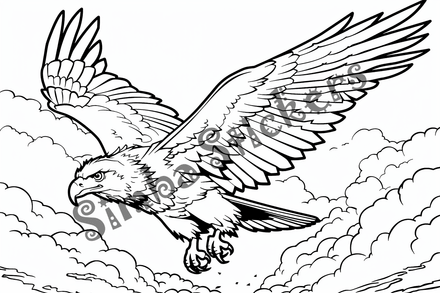
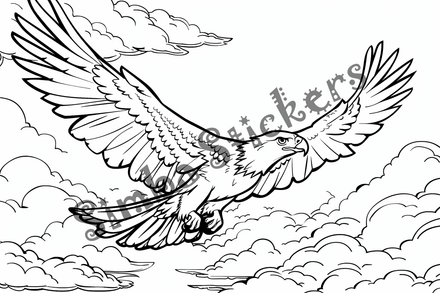
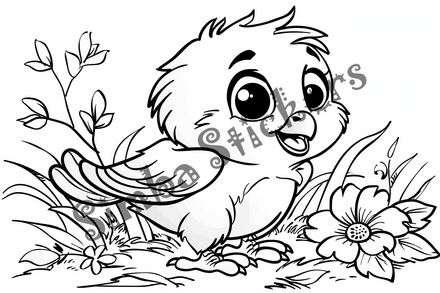
We keep adding images as will as print-on-demand products of wild birds as time goes on. The easiest way to keep up-to-date is to subscribe to our newsletter.
If you would like them applied to a particular kind of clothing item which is missing, then please contact us!
Simba Stickers Wild Bird Facts Videos in English
For facts about wild birds presented in a fun and informative way, kindly have a look at our videos below!
Video Shorts
Regular Videos
We also have wild bird videos available in French (regular/shorts), German (regular/shorts), Italian (regular/shorts) and Latin (regular/shorts).
Go to the Simba Stickers English channel for all our videos!




























































Subscribe to our newsletter
Get the latest news and updates straight to your inbox