
Bird/Birds
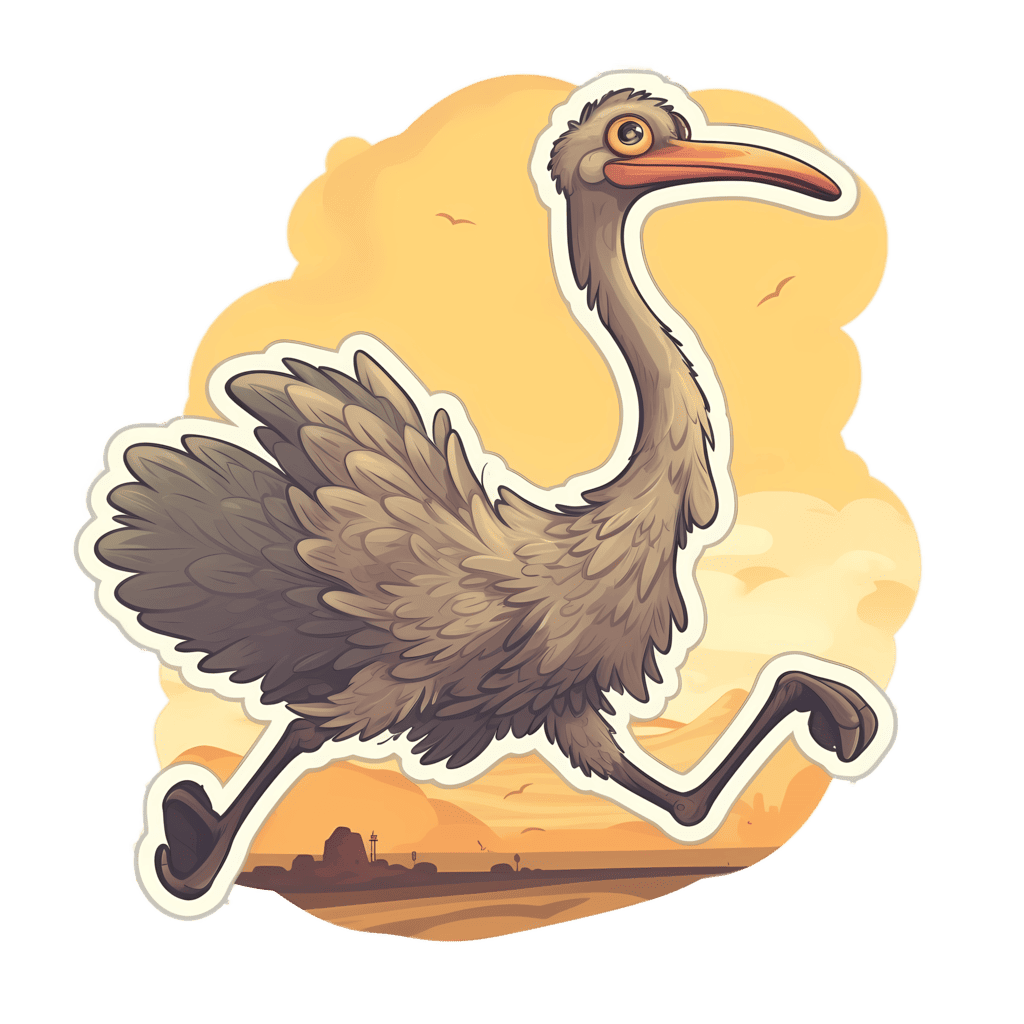
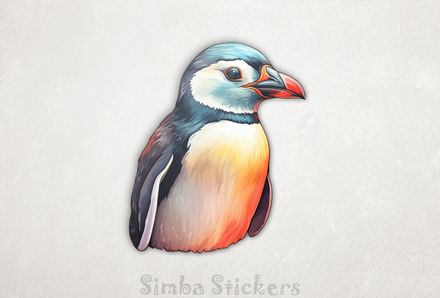
Birds belong to the class *Aves*, a diverse group of warm-blooded vertebrates known for their ability to fly—though not all species can. A single individual is called a **bird**, while a group is commonly referred to as a **flock**, though more poetic collective nouns exist, such as a **murder of crows**, a **parliament of owls**, or a **colony of puffins**. Males and females often have distinct names depending on the species: for example, a male is typically called a **cock** or **rooster** (in chickens), a female a **hen**, and the young are called **chicks**. In raptors, a male is often called a **tiercel**, while the female is simply a **falcon** or **hawk**. Newly hatched birds still in the nest are **nestlings**, and those that have left the nest but cannot yet fly are **fledglings**. Birds are uniquely defined by feathers—structures made of keratin that enable flight, insulation, and display. Other distinctive features include lightweight, hollow bones; a beak or bill without teeth; high metabolic rates; and the laying of hard-shelled eggs. Most birds are excellent fliers, with powerful pectoral muscles and wings adapted to their environment—whether soaring over mountains, diving into oceans, or flitting through forests.
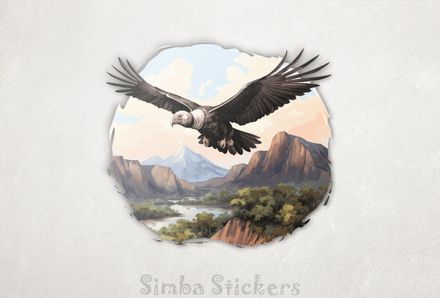
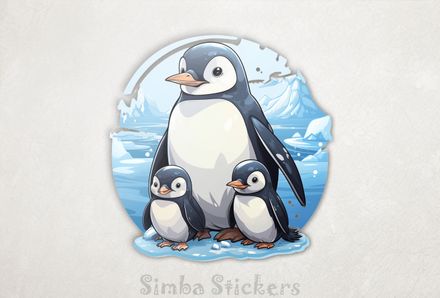
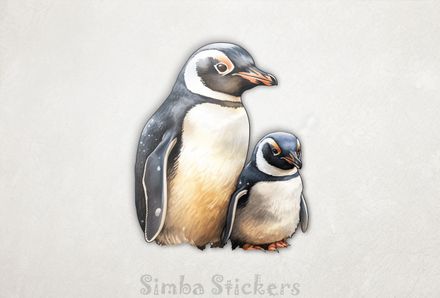
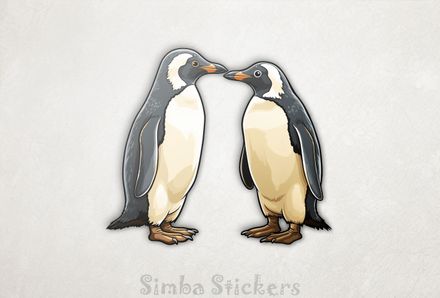
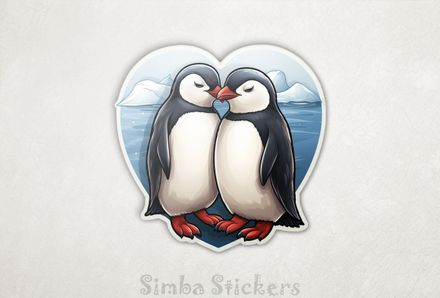
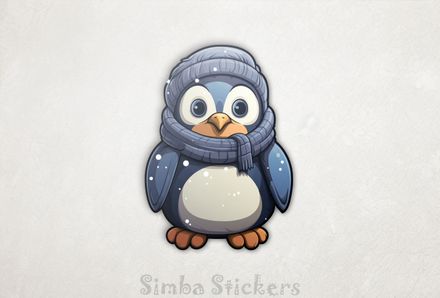
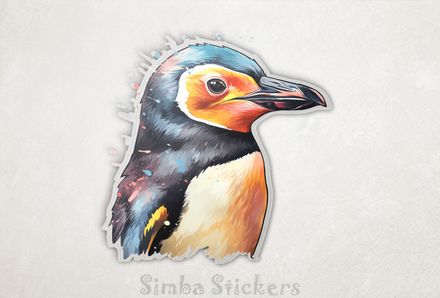
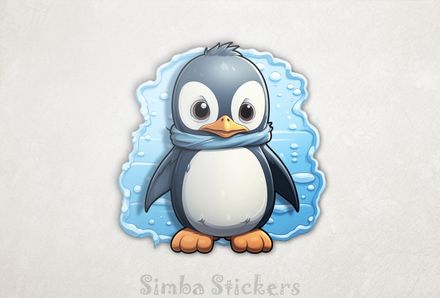
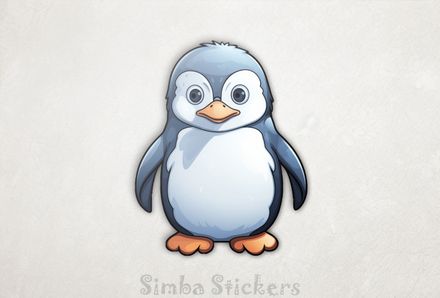
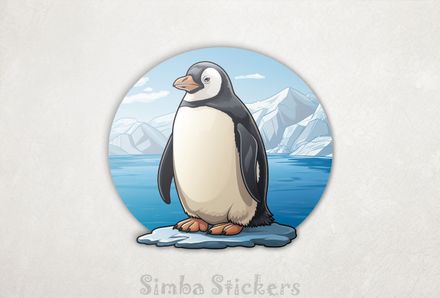
Birds inhabit nearly every ecosystem on Earth, from the Arctic tundra and high mountain peaks to tropical rainforests, deserts, wetlands, and urban centers. Penguins thrive in the icy waters of the Southern Hemisphere, using flippers to "fly" through water, while hummingbirds hover with incredible precision in American gardens. Eagles and vultures ride thermal currents over open plains, and seabirds like albatrosses can spend years at sea without touching land. Many birds are migratory, traveling thousands of miles between breeding and wintering grounds—a feat made possible by internal navigation systems that use the sun, stars, and Earth’s magnetic field. While birds are not "bred" in the wild, domesticated species such as chickens, ducks, and pigeons have numerous **breeds** developed by humans for meat, eggs, feathers, or appearance. The Silkie chicken, Pekin duck, and homing pigeon are just a few examples of how selective breeding has produced wide variation in size, color, and behavior. In the wild, subspecies often arise due to geographic isolation—such as the many subspecies of the house sparrow (*Passer domesticus*) or the American crow (*Corvus brachyrhynchos*)—each adapted to local climates and food sources.
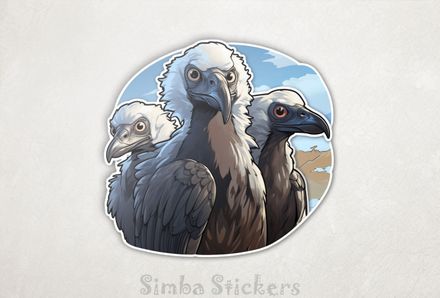
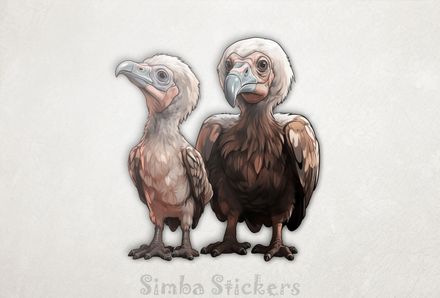
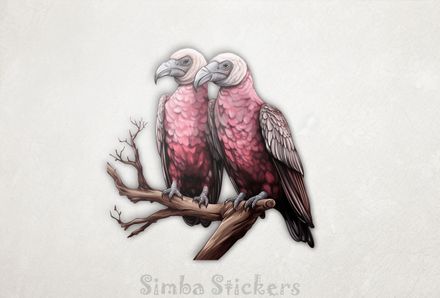
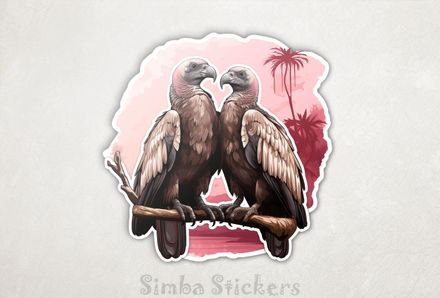
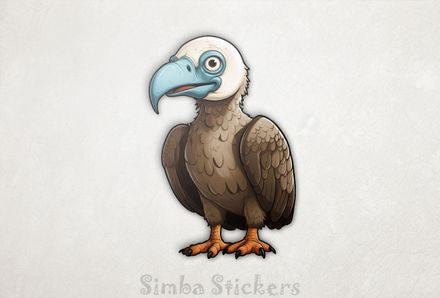
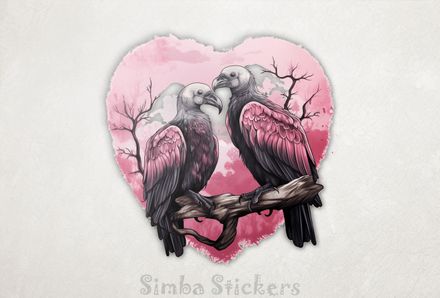
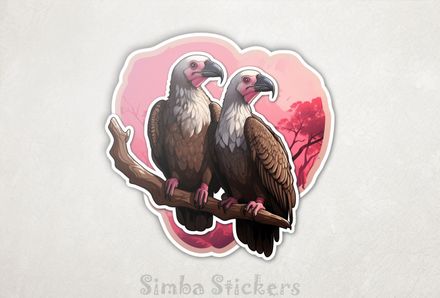
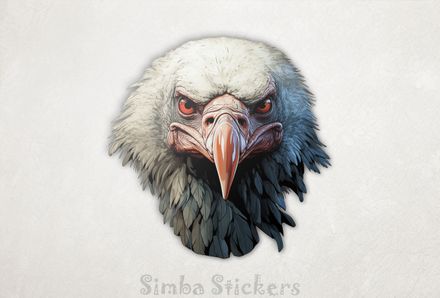
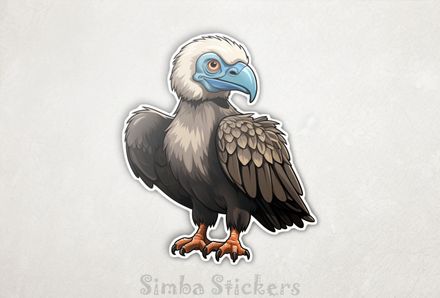
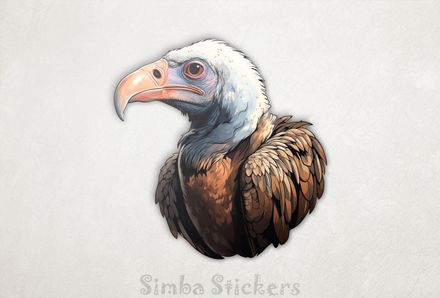
Ecologically, birds play vital roles in maintaining the health and balance of ecosystems. As predators, raptors like hawks, owls, and shrikes help control populations of rodents, insects, and other small animals. Seed-eating birds such as finches, sparrows, and hornbills disperse plant seeds over wide areas, aiding forest regeneration. Nectar-feeding birds like hummingbirds, sunbirds, and honeyeaters are important pollinators, transferring pollen between flowers as they feed. Scavengers such as vultures and crows clean up carrion, reducing the spread of disease. Even seabirds contribute by depositing nutrient-rich guano on islands, which fertilizes soil and supports plant life. Birds are also key indicators of environmental health—declines in populations of swallows, swifts, or songbirds often signal habitat loss, pesticide use, or climate change. Their presence enriches biodiversity and supports complex food webs across land and water.
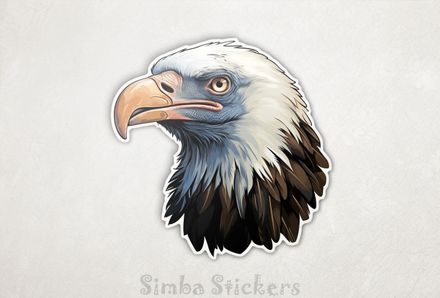
Culturally, birds have held deep symbolic meaning across civilizations. The eagle represents power and freedom, appearing on national emblems from the United States to Germany and ancient Rome. In ancient Egypt, the ibis was sacred to Thoth, god of wisdom, while the phoenix symbolized rebirth in Greek and Egyptian myth. Doves are universal symbols of peace and the Holy Spirit in Christianity, and owls represent wisdom in Greek tradition. In Indigenous cultures, birds like the thunderbird or raven play central roles in creation stories and spiritual practices. Birds also inspire art, music, and literature—from the poetry of John Keats’ “Ode to a Nightingale” to the intricate bird motifs in Persian and Mughal art. Today, birdwatching is a popular global hobby, and conservation efforts protect endangered species like the California condor and the kakapo. Whether as messengers, muses, or ecological stewards, birds continue to captivate the human spirit and remind us of the beauty and fragility of the natural world.
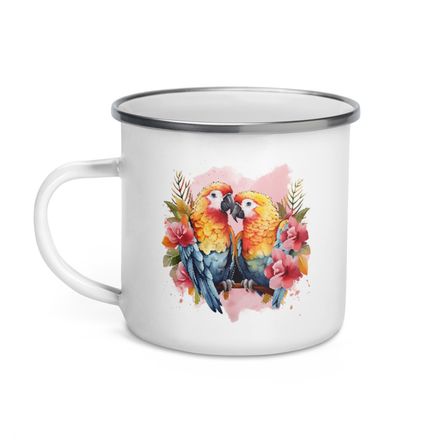
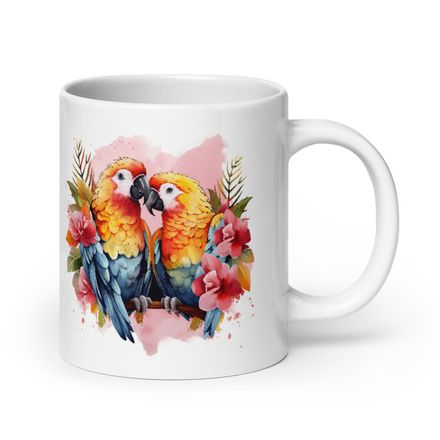
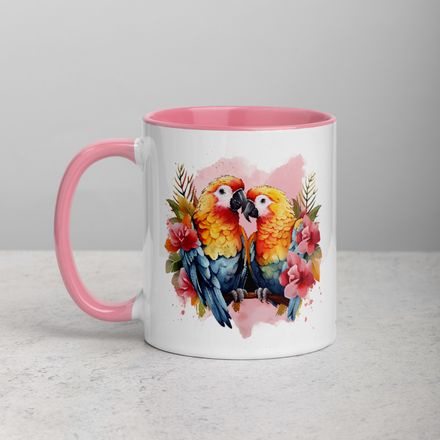
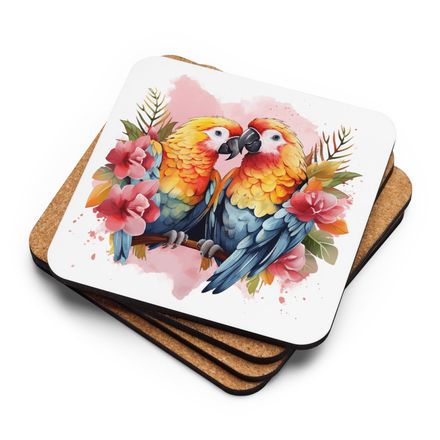
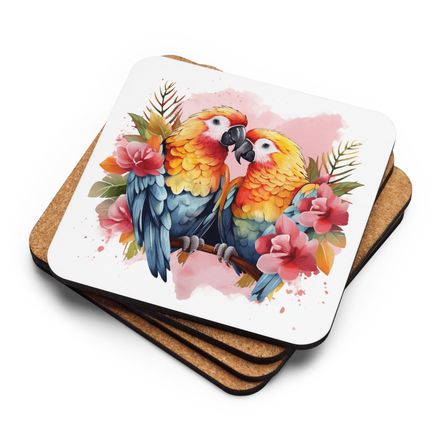
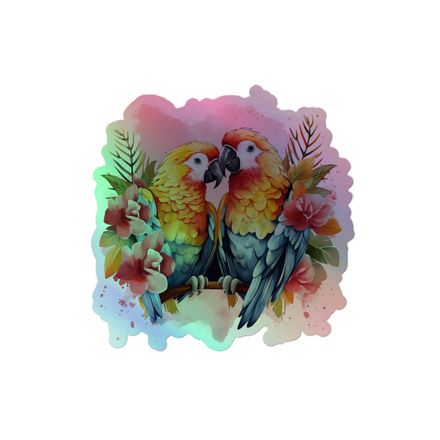
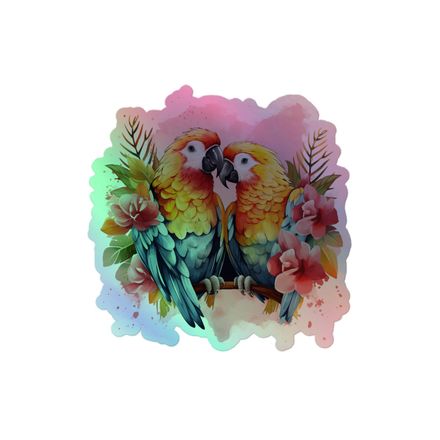
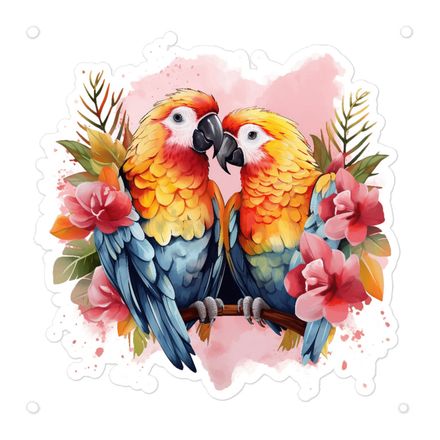
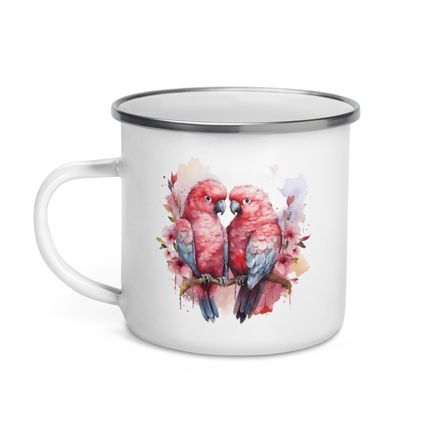
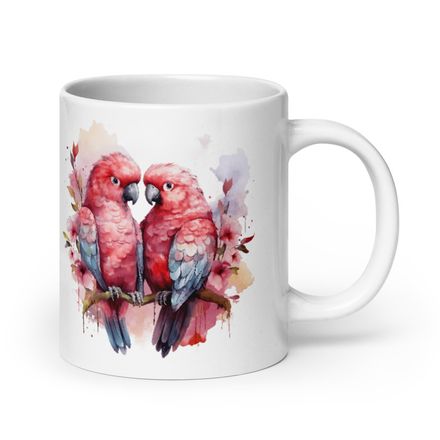
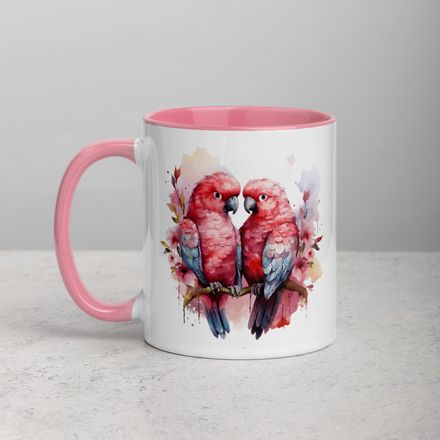
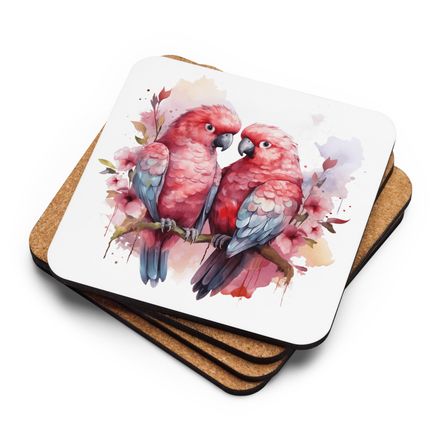
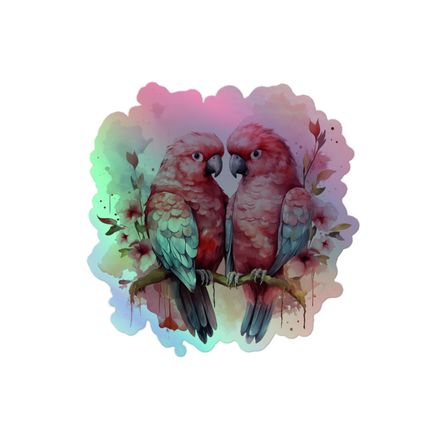
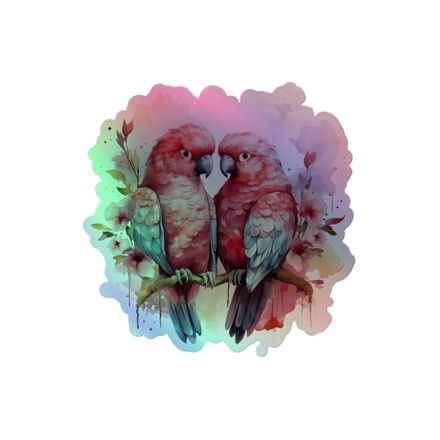
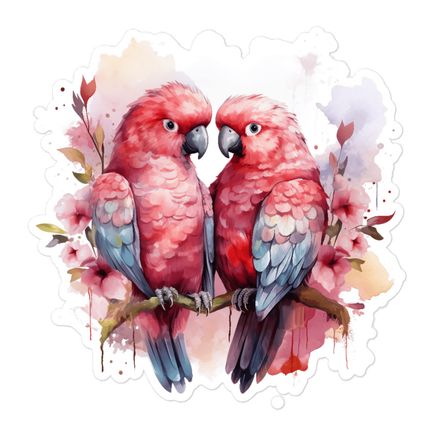
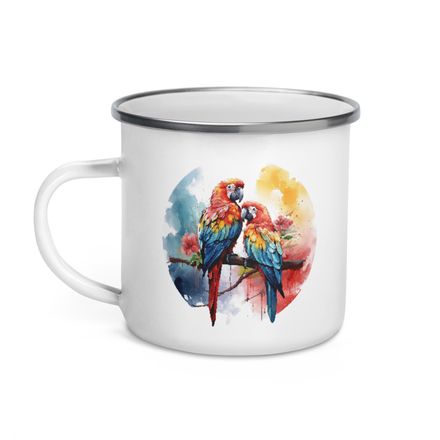
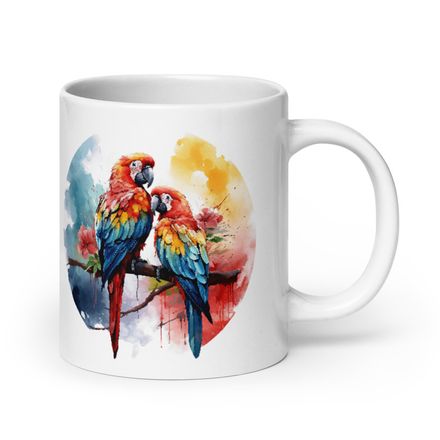
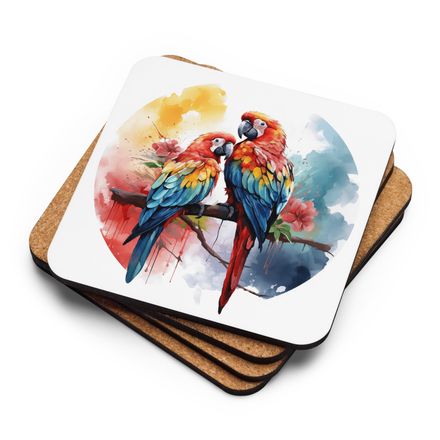
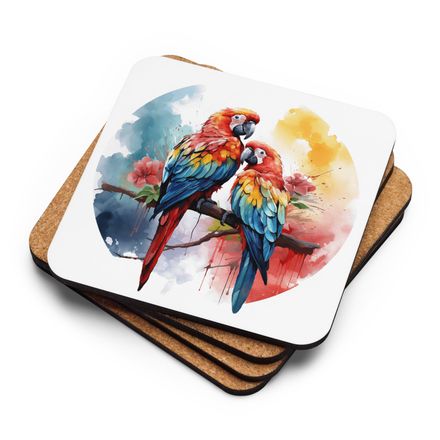
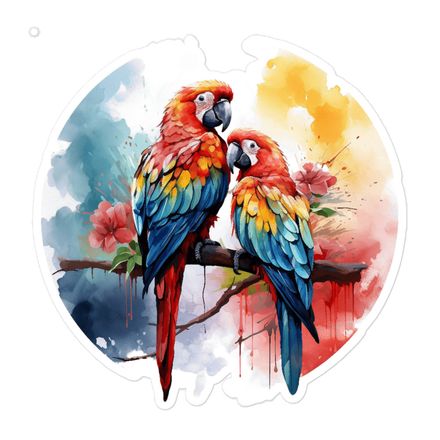
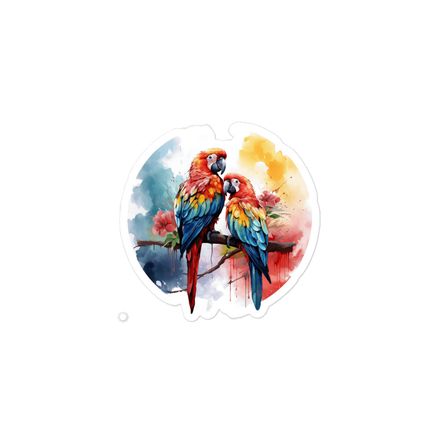
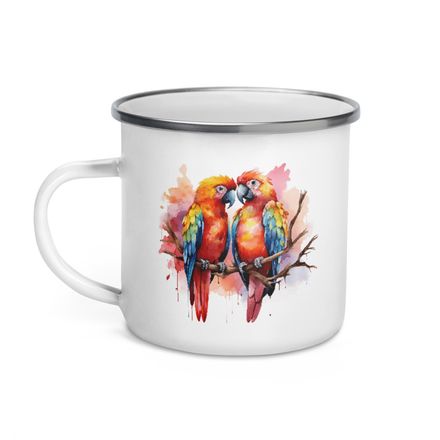
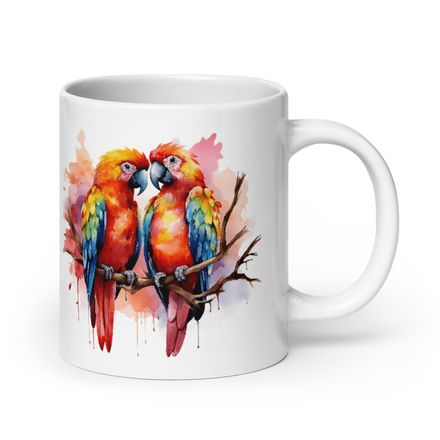
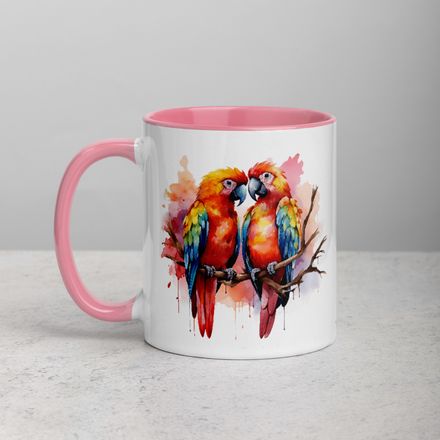
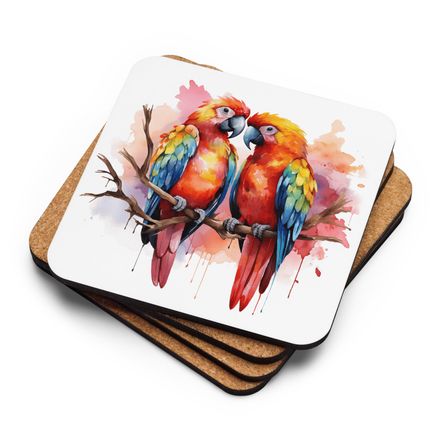
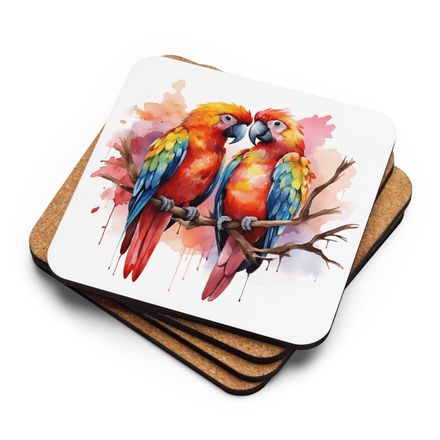
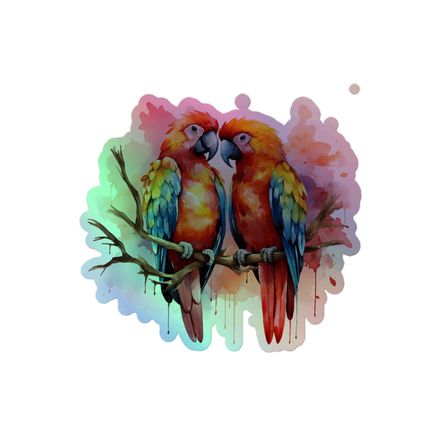
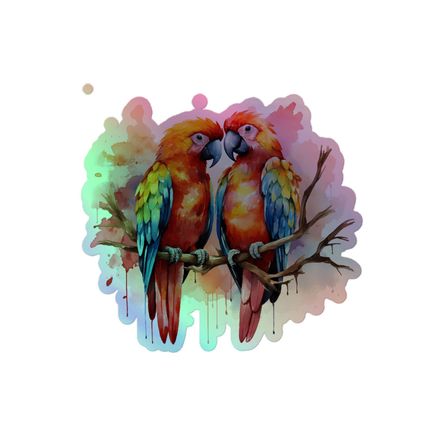
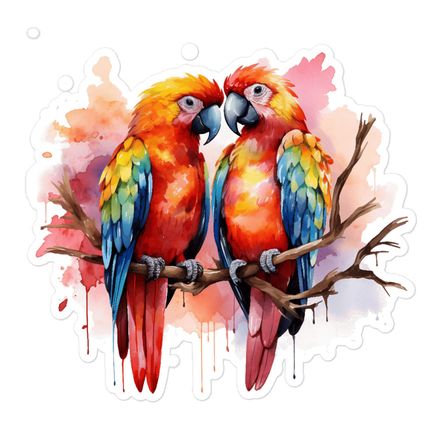
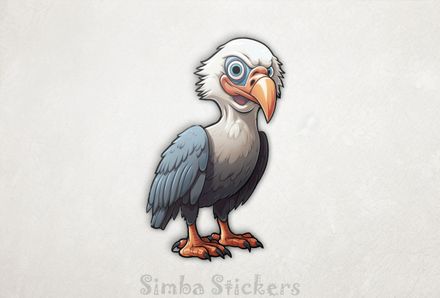
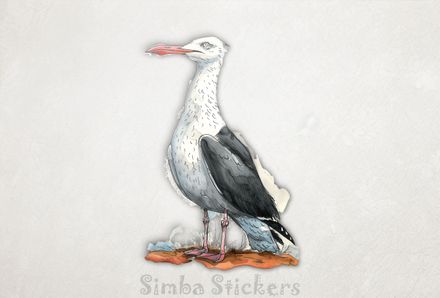
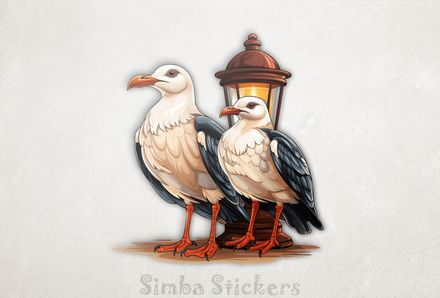
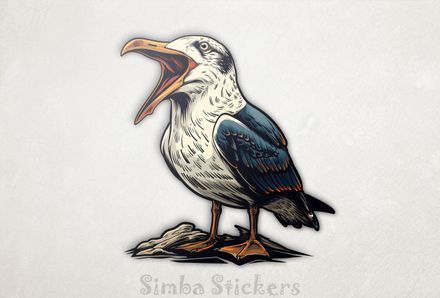
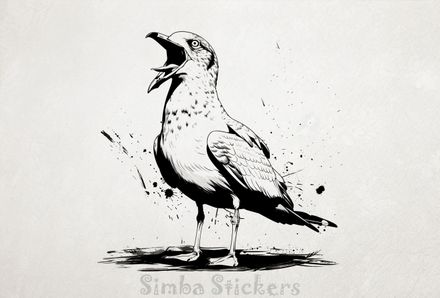
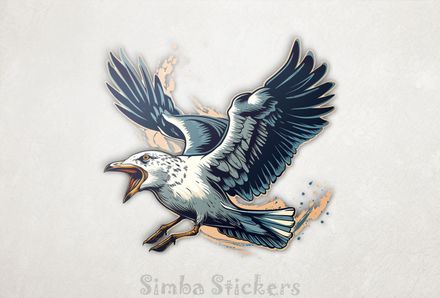
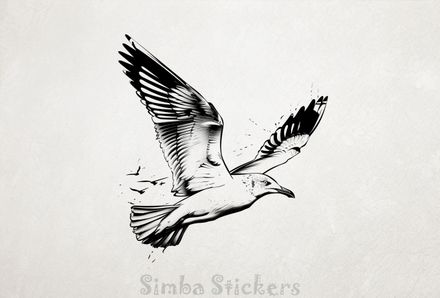
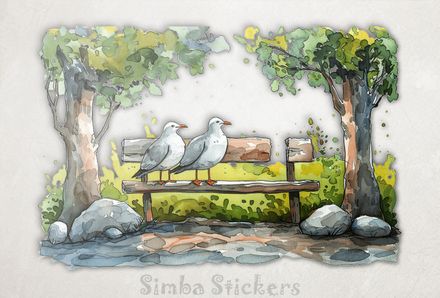
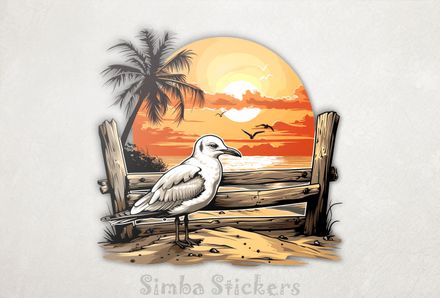
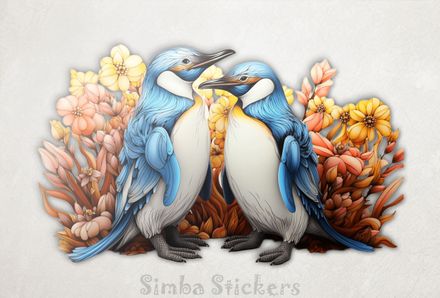
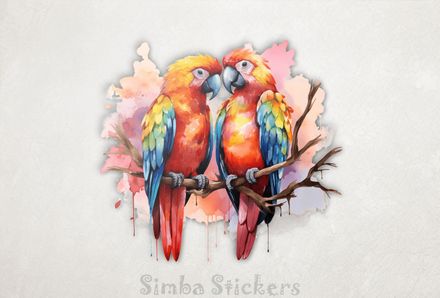
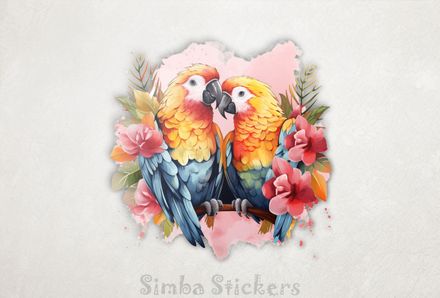
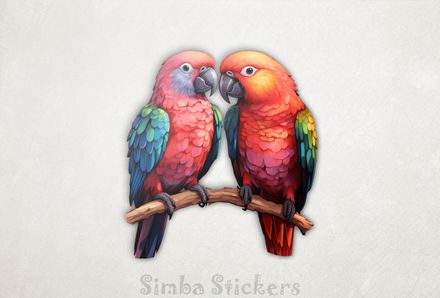
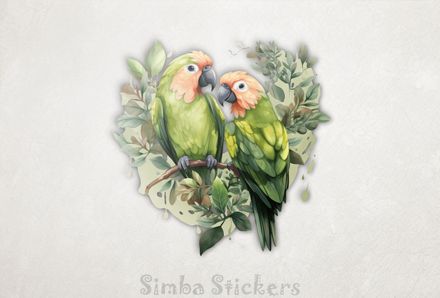
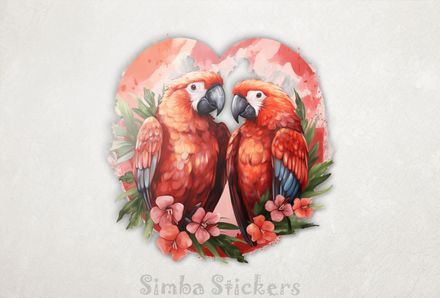
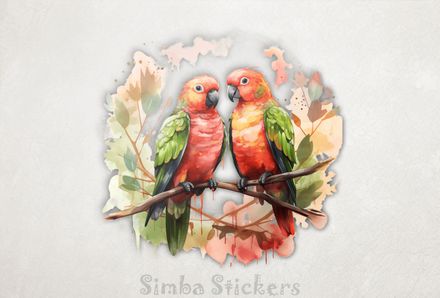
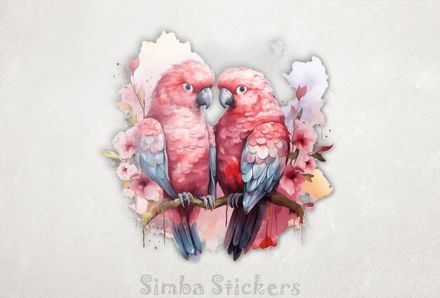
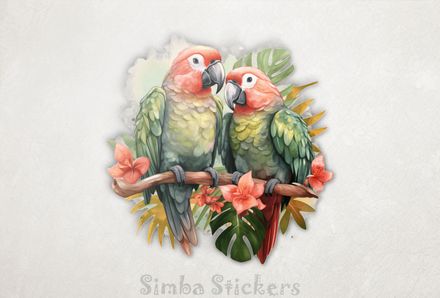
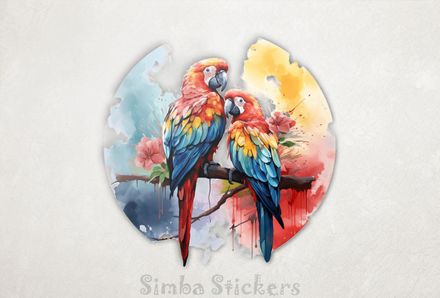
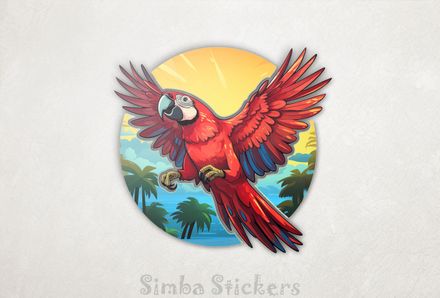
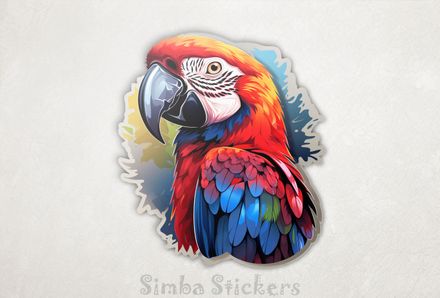
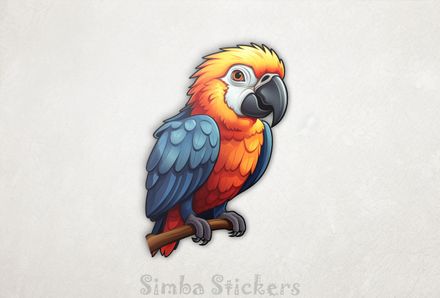
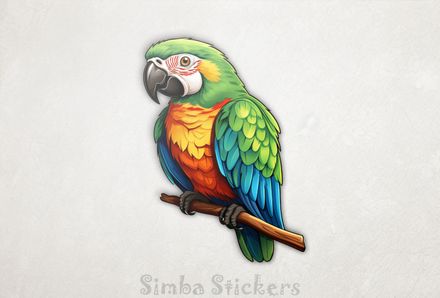
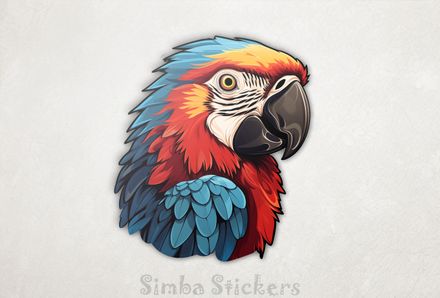
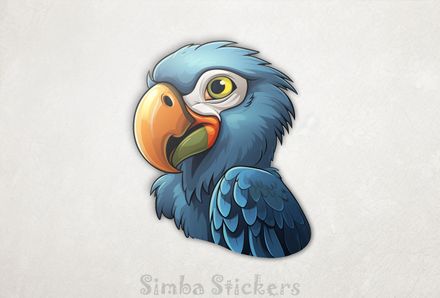
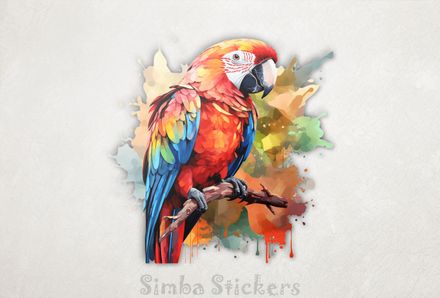
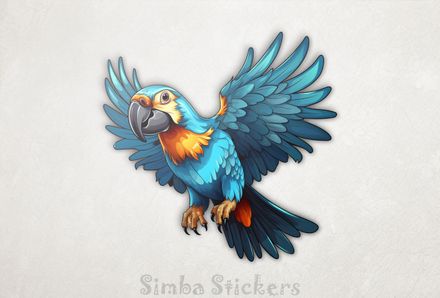
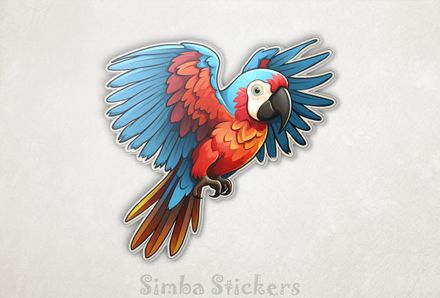
We keep adding images as will as print-on-demand products of birds as time goes on. The easiest way to keep up-to-date is to subscribe to our newsletter.
If you would like them applied to a particular kind of clothing item which is missing, then please contact us!
Simba Stickers Bird Facts Videos in English
For facts about birds presented in a fun and informative way, kindly have a look at our videos below!
Video Shorts
Regular Videos
We also have bird videos available in French (regular/shorts), German (regular/shorts), Italian (regular/shorts) and Latin (regular/shorts).
Go to the Simba Stickers English channel for all our videos!

















Subscribe to our newsletter
Get the latest news and updates straight to your inbox