
Gorilla/Gorillas

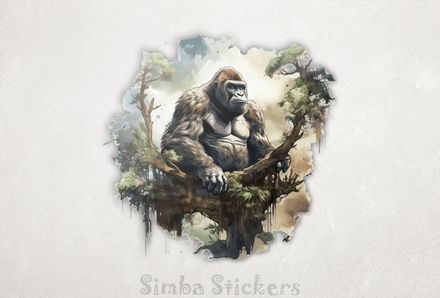
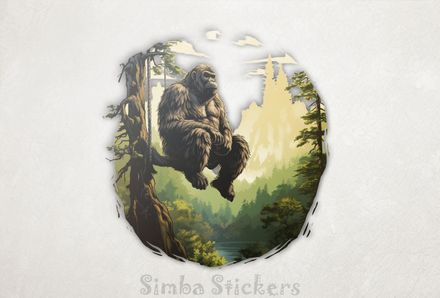
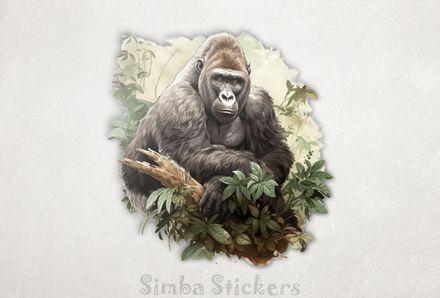
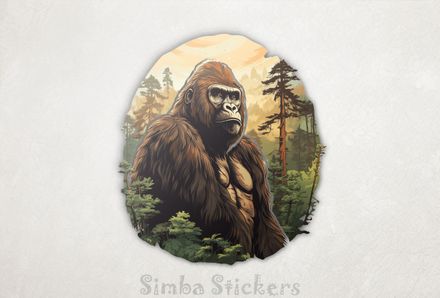
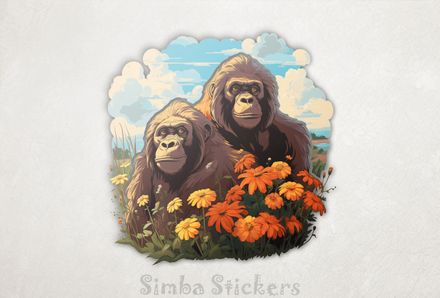
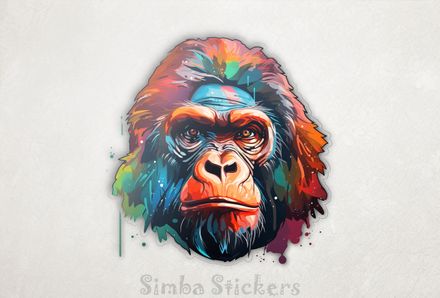
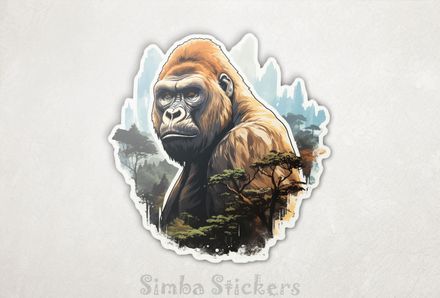
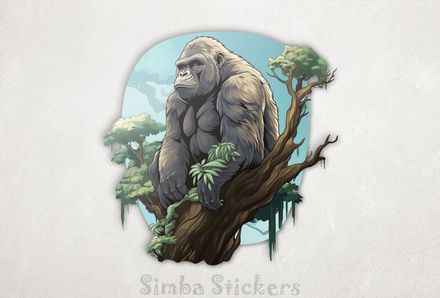
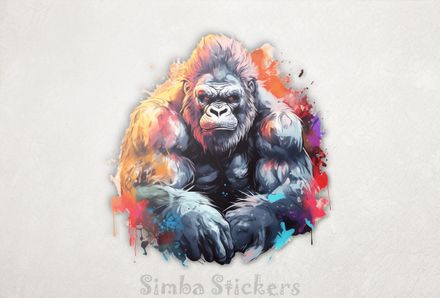
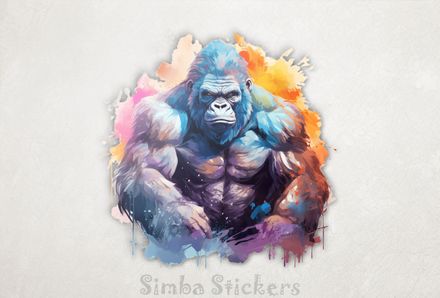
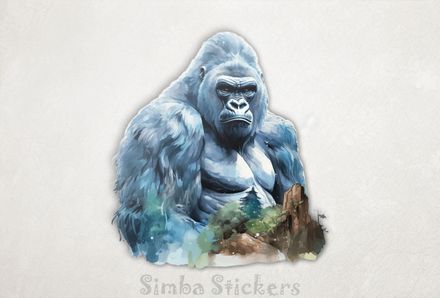
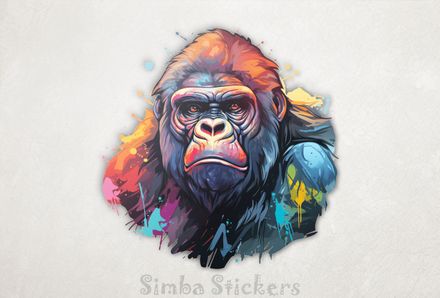
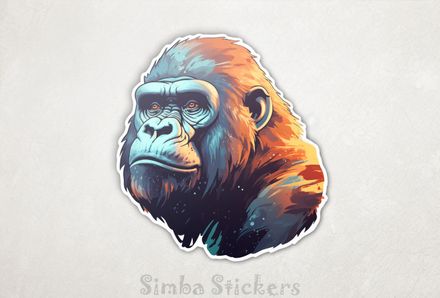
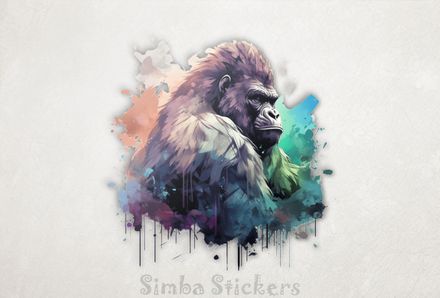
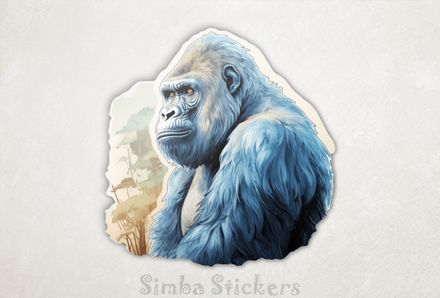
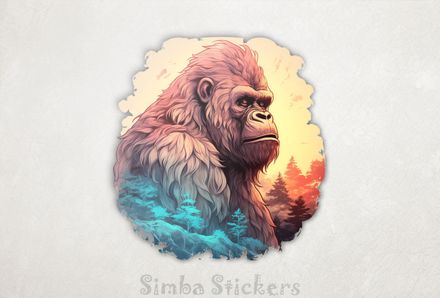
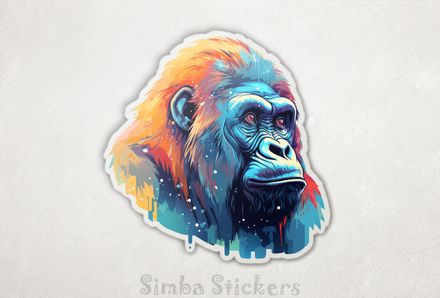
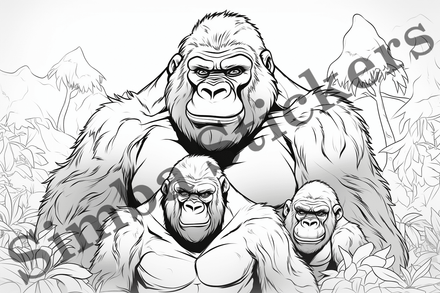
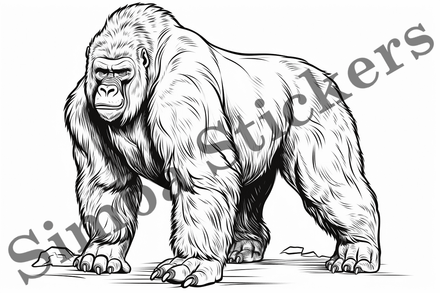
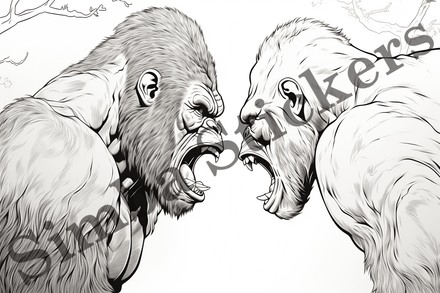
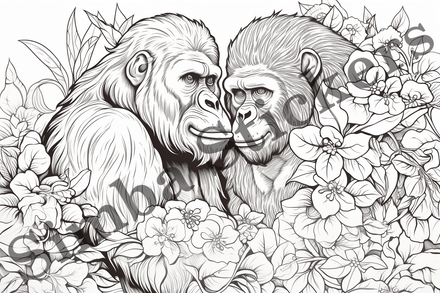
Gorillas belong to the genus *Gorilla* and are divided into two species: the **eastern gorilla** (*Gorilla beringei*) and the **western gorilla** (*Gorilla gorilla*). A single animal is called a **gorilla**, while a group is known as a **troop** or **band**, typically led by a dominant male. The male is often referred to as a **silverback** due to the distinctive patch of silver hair that develops on his back and hips with maturity, signaling dominance and age. Females are simply called **female gorillas**, and the young are known as **infants**—a term used from birth until adolescence, which can last several years. Gorillas are the largest living primates, with adult males weighing up to 485 pounds (220 kg) and standing over 5.5 feet (1.7 meters) tall when upright. They have powerful builds, broad chests, long arms adapted for knuckle-walking, dark hair, and expressive faces with prominent brow ridges. Despite their imposing appearance, gorillas are gentle, highly intelligent, and primarily peaceful, communicating through vocalizations, body language, and chest-beating displays used to assert dominance without violence.
Gorillas inhabit the dense forests and mountainous regions of central and eastern Africa. The **eastern gorilla** includes two subspecies: the **mountain gorilla** (*Gorilla beringei beringei*), found in the volcanic highlands of Rwanda, Uganda, and the Democratic Republic of the Congo, and the **eastern lowland gorilla** (*Gorilla beringei graueri*), which lives in the lowland rainforests of eastern DRC. The **western gorilla** also has two subspecies: the **western lowland gorilla** (*Gorilla gorilla gorilla*), widespread but critically endangered, and the rare **Cross River gorilla** (*Gorilla gorilla diehli*), confined to a small forested region between Nigeria and Cameroon. Each subspecies is adapted to its environment—the mountain gorilla thrives in cool, misty altitudes and feeds on tough vegetation, while lowland gorillas consume more fruit and live in larger, more dispersed groups. These distinctions in diet, social structure, and habitat tolerance highlight their evolutionary specialization. Though not "breeds" in the domestic sense, these subspecies are genetically distinct and face unique conservation challenges.
Culturally, gorillas have captured global attention as symbols of strength, family, and vulnerability. Once misunderstood as aggressive beasts, they are now recognized for their deep emotional bonds, complex social structures, and remarkable intelligence. Conservationists like Dian Fossey brought international awareness to their plight, especially the endangered mountain gorilla. Ecologically, gorillas play a vital role as “gardeners of the forest.” By consuming large quantities of fruit and traveling great distances, they disperse seeds through their droppings, promoting forest regeneration and plant diversity. Their feeding habits shape vegetation structure, and their presence supports broader biodiversity. However, all gorilla subspecies are classified as either **Critically Endangered** or **Endangered** due to habitat loss from logging and agriculture, poaching, disease (including Ebola), and human conflict. The Cross River and Grauer’s gorillas are among the most threatened, with fewer than 300 and 3,000 individuals remaining, respectively. Conservation efforts—such as ecotourism, anti-poaching units, and protected reserves—have helped stabilize some populations, particularly mountain gorillas, whose numbers are slowly increasing. As both ecological stewards and iconic ambassadors for African wildlife, gorillas remind us of nature’s fragility and the power of compassion and commitment in protecting our closest relatives in the animal kingdom.
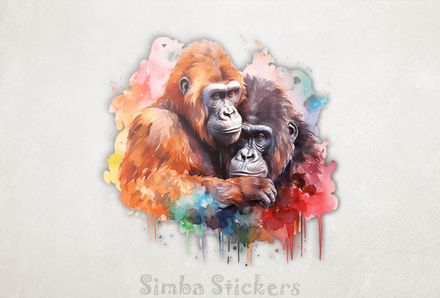
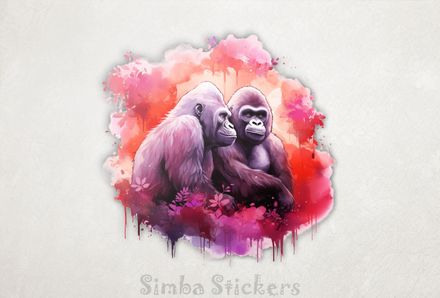
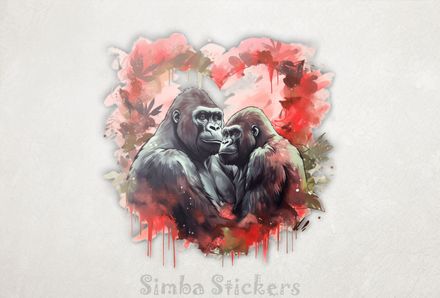
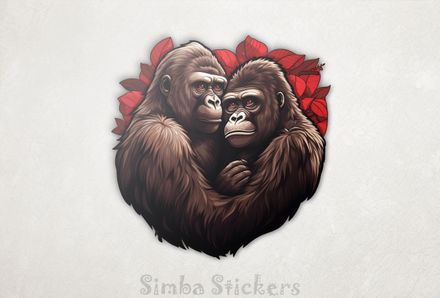
We keep adding images as will as print-on-demand products of gorillas as time goes on. The easiest way to keep up-to-date is to subscribe to our newsletter.
If you would like them applied to a particular kind of clothing item which is missing, then please contact us!
Simba Stickers Ape Facts Videos in English
For facts about apes presented in a fun and informative way, kindly have a look at our videos below!
Video Shorts
Regular Videos
We also have ape videos available in French (regular/shorts), German (regular/shorts), Italian (regular/shorts) and Latin (regular/shorts).
Go to the Simba Stickers English channel for all our videos!
Gorilla Products - digital/print-on-demand



Subscribe to our newsletter
Get the latest news and updates straight to your inbox