
Africa

Africa is the world’s second-largest continent, spanning over 30 million square kilometers and stretching from the Mediterranean Sea in the north to the Cape of Good Hope in the south. It is uniquely positioned across both the equator and all four hemispheres, contributing to its extraordinary geographic and climatic diversity. The continent features vast deserts like the Sahara—the largest hot desert on Earth—lush rainforests in the Congo Basin, sweeping savannas such as the Serengeti and Kalahari, towering mountain ranges like the Atlas Mountains and Mount Kilimanjaro, and extensive river systems including the Nile, Congo, and Niger. Africa’s Great Rift Valley, a tectonic marvel, runs from Syria to Mozambique and hosts deep lakes such as Tanganyika and Malawi, which are rich in endemic species. This varied geography creates a mosaic of habitats that support an unparalleled array of wildlife, making Africa one of the most biodiverse continents on the planet.
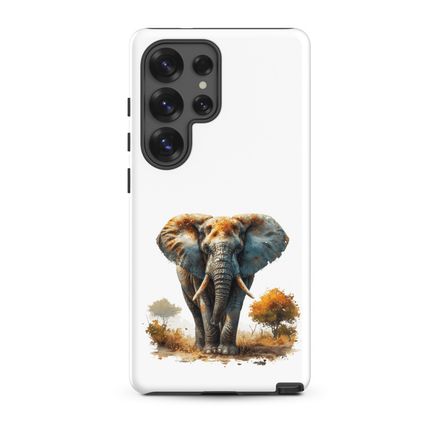
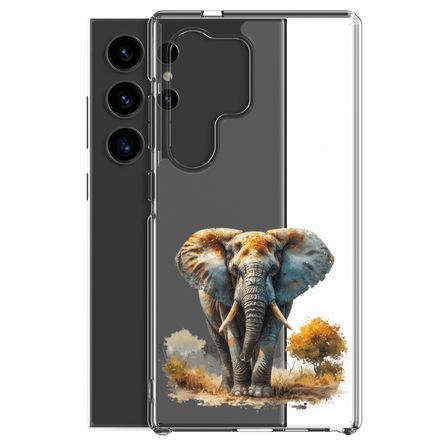
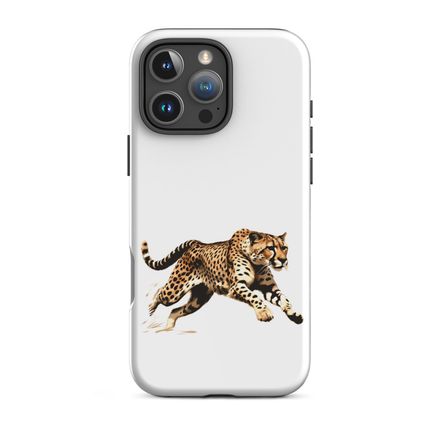
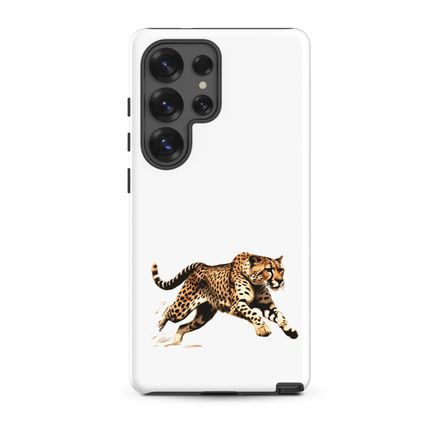
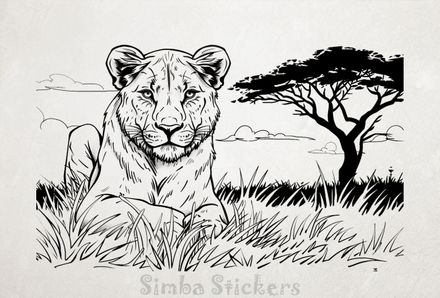
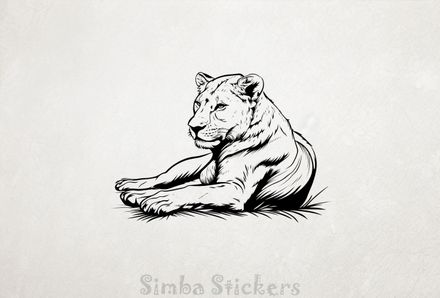
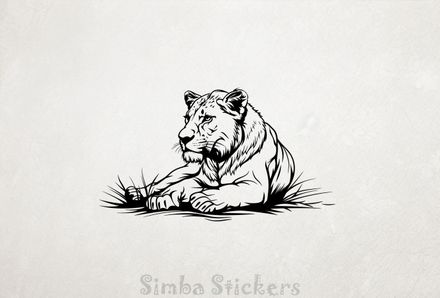
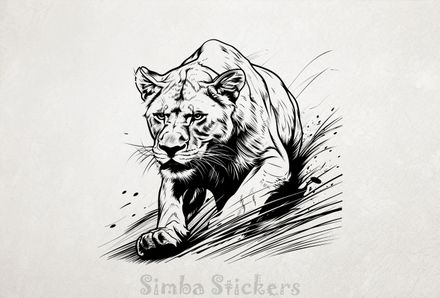
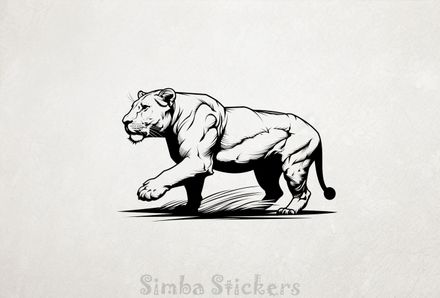
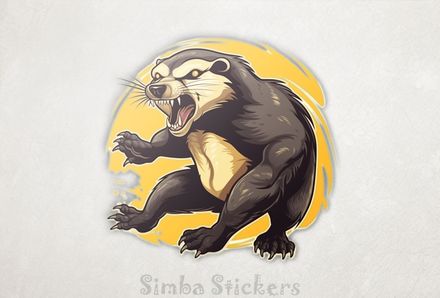
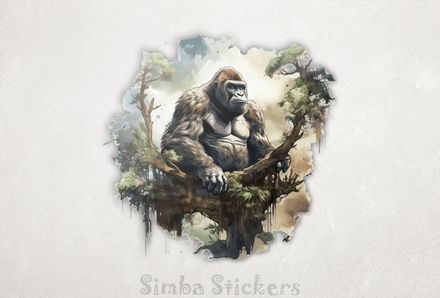
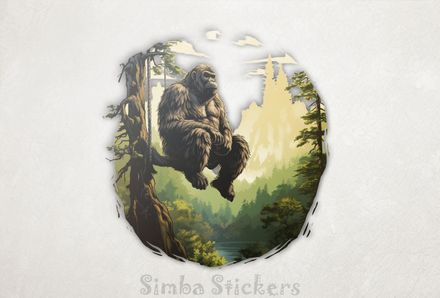
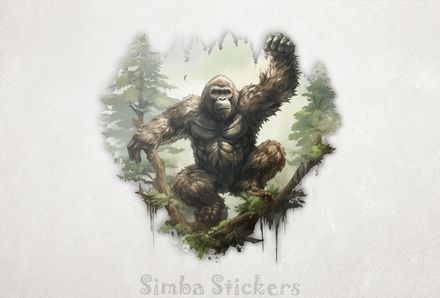
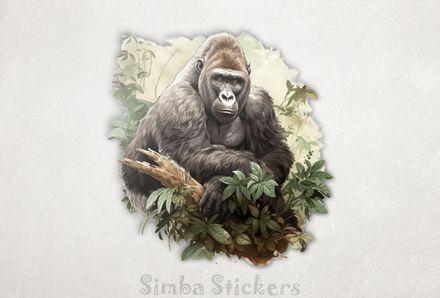
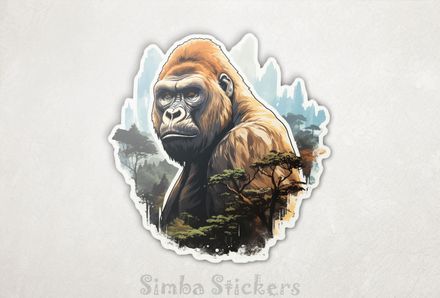
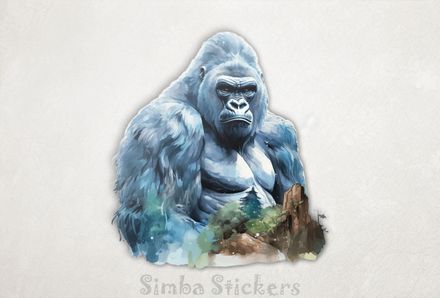
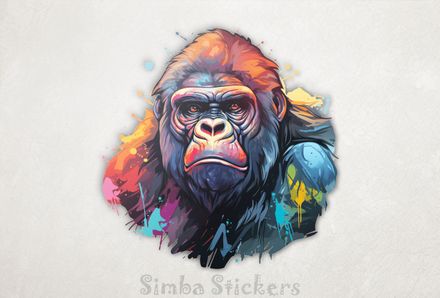
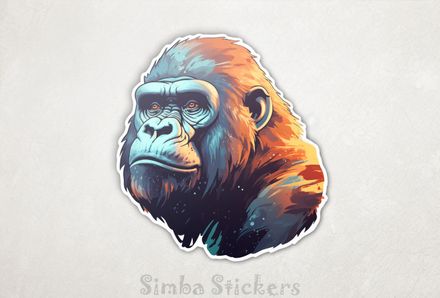
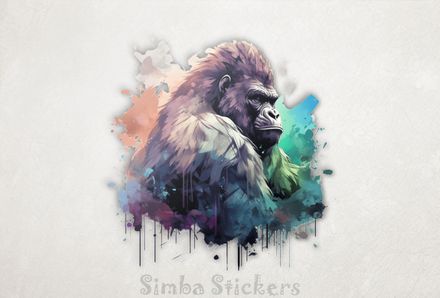
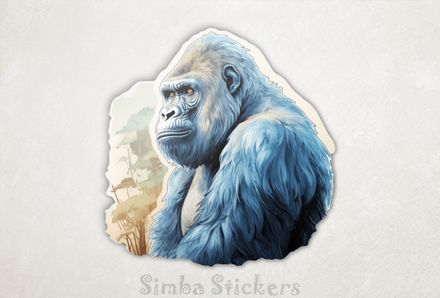
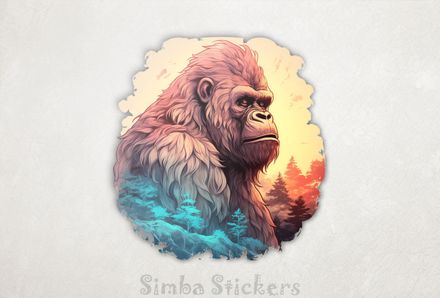
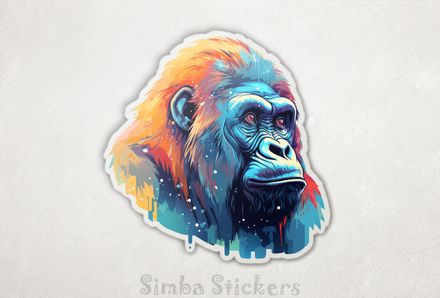
The African continent is home to some of the most iconic and diverse animal species in the world. In the savannas of East Africa, large herds of wildebeest, zebra, and Thomson’s gazelle migrate annually across the Serengeti and Maasai Mara in search of fresh grazing, a natural spectacle known as the Great Migration. These herbivores are followed by predators such as lions, leopards, cheetahs, and spotted hyenas, which rely on them for food. Elephants, giraffes, and Cape buffalo roam widely, while rhinoceroses—both black and white—are critically endangered due to poaching. In the dense rainforests of Central Africa, gorillas, chimpanzees, forest elephants, and okapis live among the canopy, many of them found nowhere else on Earth. The Sahara and Sahel regions host more resilient species like the dromedary camel, fennec fox, and addax antelope, adapted to extreme heat and aridity. In wetlands and rivers, hippos and Nile crocodiles dominate, while coastal and marine ecosystems support dolphins, manatees, and sea turtles. Africa’s birdlife is equally impressive, with ostriches, African fish eagles, and vibrant bee-eaters enriching its skies.
Africa’s distinctive ecological features include its vast open landscapes, seasonal climate patterns, and interconnected ecosystems that sustain complex food webs. The continent’s dramatic seasonal rains and prolonged dry periods shape animal behavior, driving migrations, breeding cycles, and predator-prey dynamics. Fire, both natural and human-managed, plays a role in maintaining grassland ecosystems by preventing forest encroachment and recycling nutrients. Iconic plant species like the baobab tree, with its massive water-storing trunk, provide food, shelter, and shade for numerous animals. These natural processes, combined with Africa’s diverse terrain, create dynamic environments where every species—from the mighty elephant to the tiny dung beetle—contributes to ecological balance. The continent’s rich biodiversity is not only a natural treasure but also a functional necessity for the health of its ecosystems.
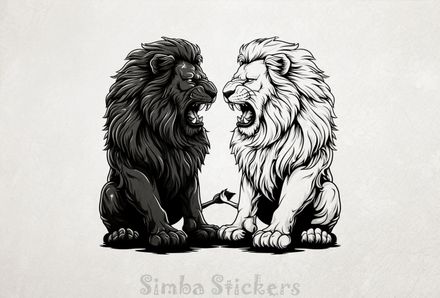
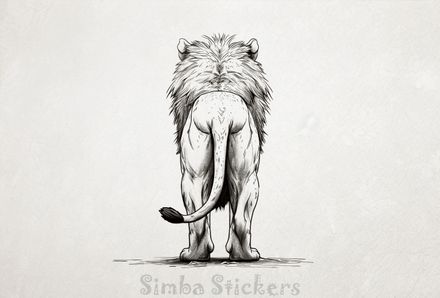
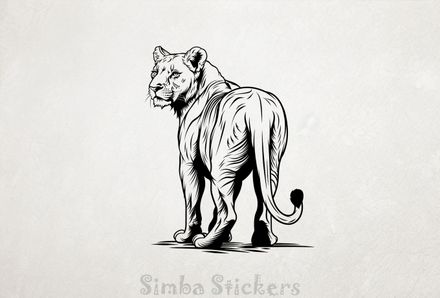
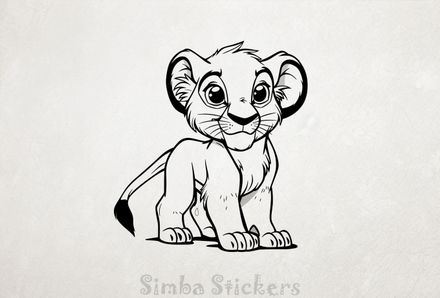
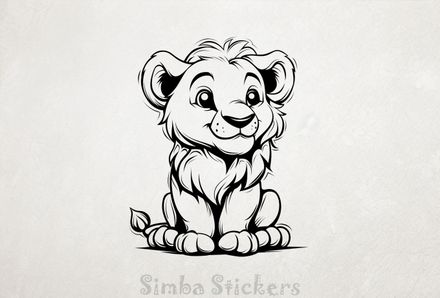
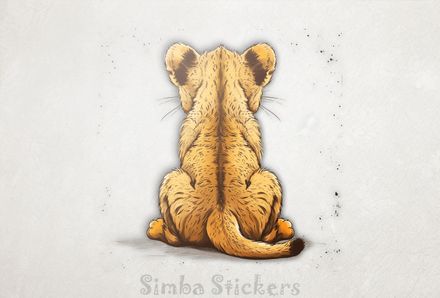
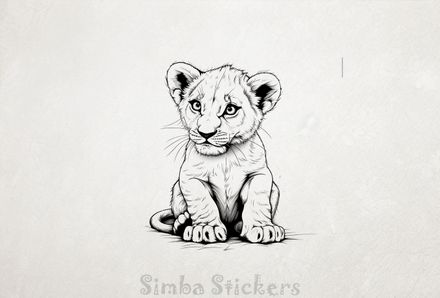
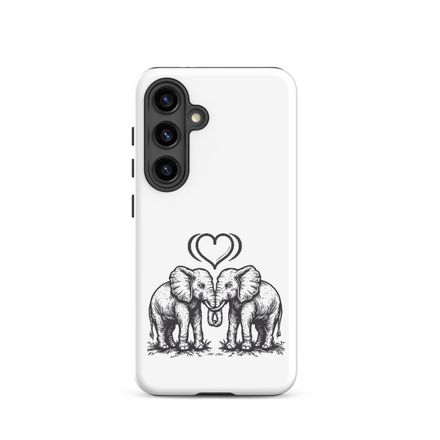
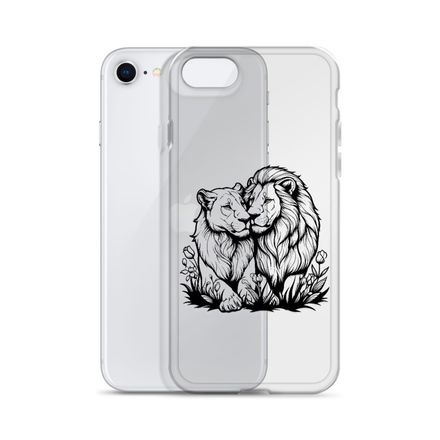
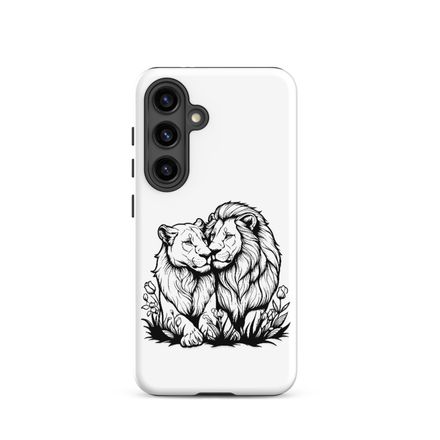
Culturally, Africa’s wildlife is deeply interwoven with the traditions, livelihoods, and identities of its people. Many Indigenous communities, such as the Maasai, San, and Himba, have lived sustainably alongside wildlife for generations, viewing animals as spiritual symbols or ancestral kin. The lion symbolizes courage and leadership, the elephant represents wisdom and unity, and the leopard is often associated with stealth and royalty. Wildlife features prominently in African art, music, storytelling, and ceremonies. In modern times, ecotourism centered on safaris has become a vital economic engine in countries like Kenya, Tanzania, South Africa, and Botswana, providing jobs and funding for conservation. National parks and protected areas, such as Kruger, Serengeti, and Virunga, safeguard critical habitats and endangered species. However, human-wildlife conflict, habitat loss, and illegal poaching remain serious challenges, threatening both biodiversity and cultural heritage.
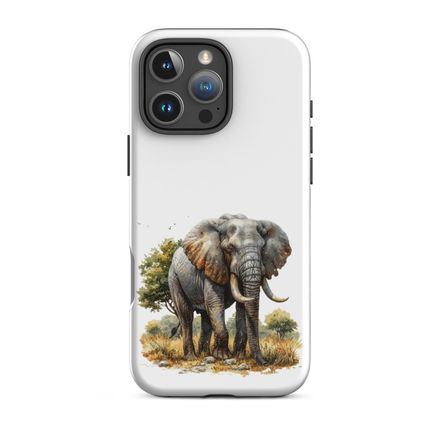
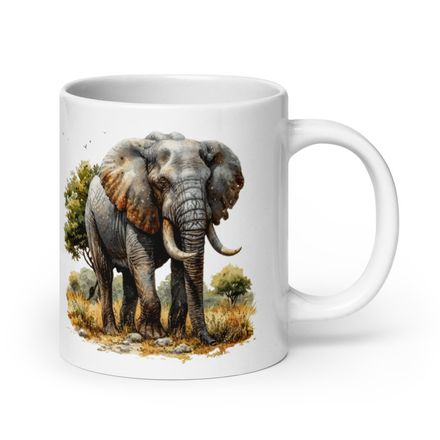
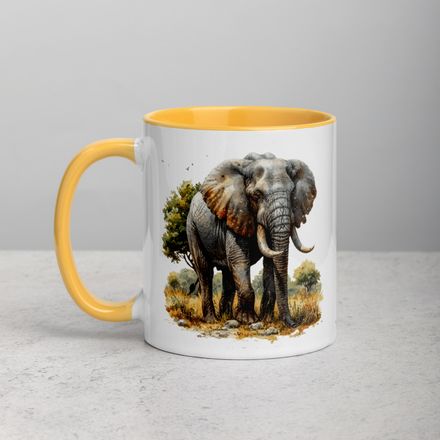
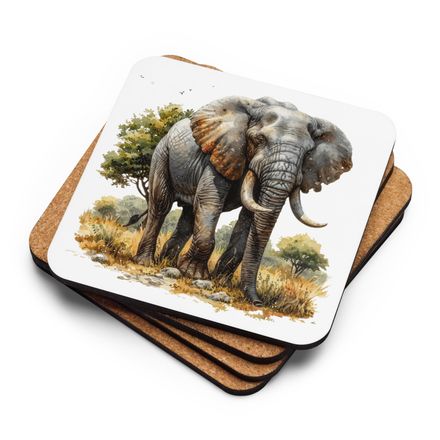
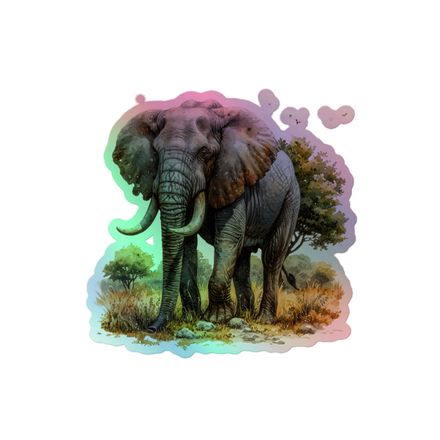
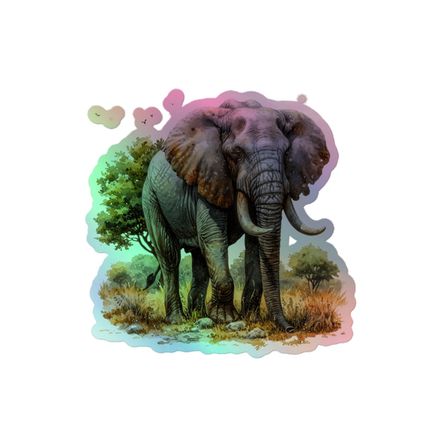
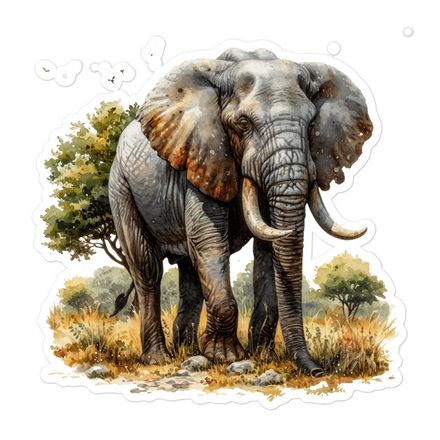
Ecologically, African wildlife plays a crucial role in maintaining healthy ecosystems. Elephants, as ecosystem engineers, uproot trees and create water holes, benefiting smaller animals and promoting plant diversity. Predators like lions and wild dogs regulate herbivore populations, preventing overgrazing. Seed dispersal by animals such as fruit bats, monkeys, and hornbills helps forests regenerate. Even scavengers like vultures and hyenas play a vital role in cleaning up carcasses and preventing disease outbreaks. The health of Africa’s ecosystems directly impacts global climate stability, water cycles, and biodiversity. Protecting Africa’s wildlife means preserving not only its natural wonders but also the livelihoods of millions who depend on these ecosystems. Conservation efforts—ranging from anti-poaching patrols to community-based wildlife management—are essential to ensure that Africa’s rich natural heritage endures for future generations. From its sweeping plains to its dense jungles, Africa remains a living testament to the power and beauty of the natural world.
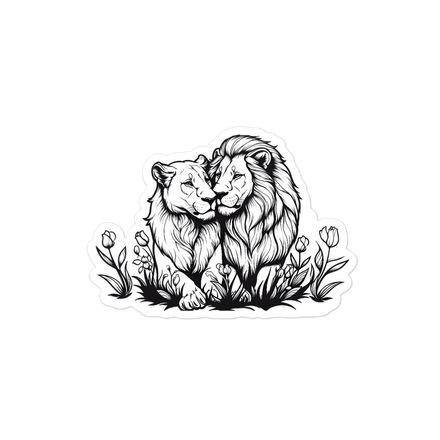
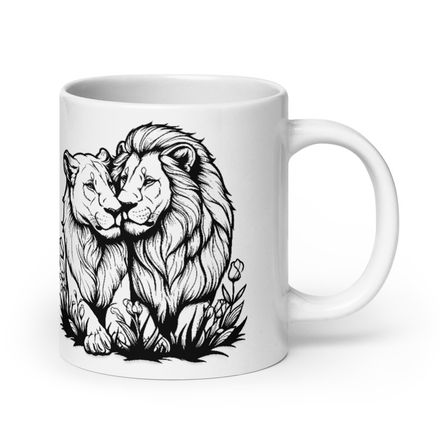
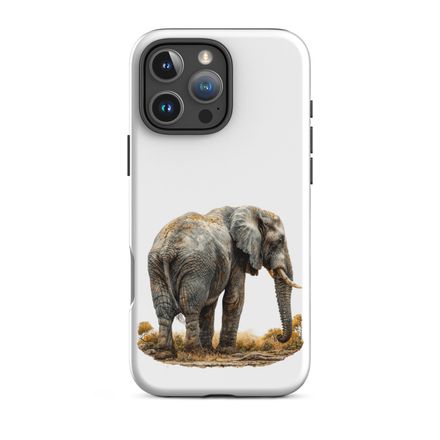
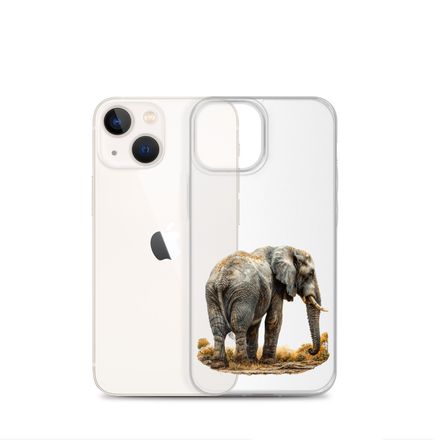
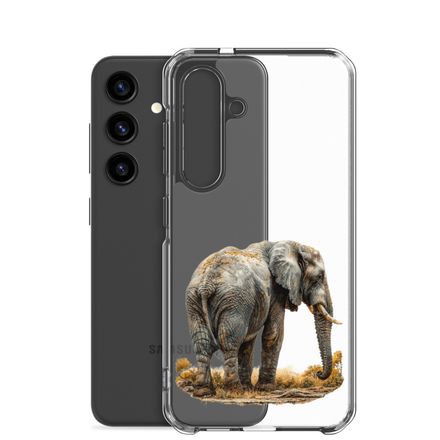
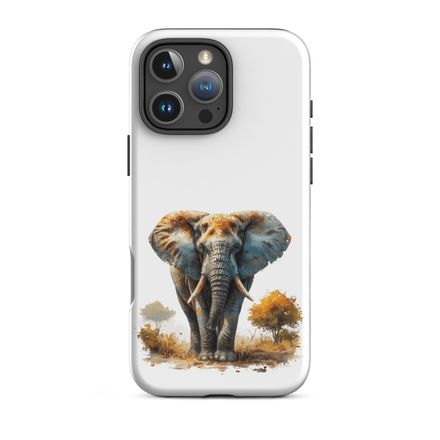
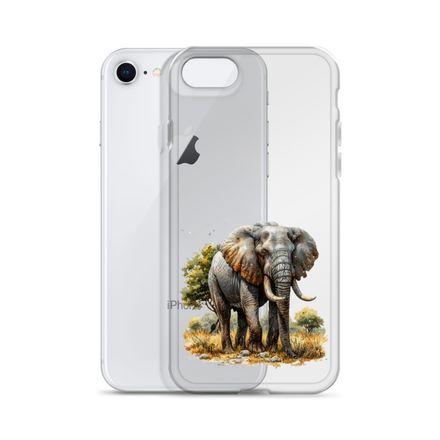
We keep adding images as will as print-on-demand products of Africa, its animals and nature as time goes on. The easiest way to keep up-to-date is to subscribe to our newsletter.
If you would like them applied to a particular kind of clothing item which is missing, then please contact us!
Simba Stickers African Animal Facts Videos in English
For facts about animals of Africa presented in a fun and informative way, kindly have a look at our videos below!
Video Shorts
Regular Videos
We also have African animal videos available in French (regular/shorts), German (regular/shorts), Italian (regular/shorts) and Latin (regular/shorts).
Go to the Simba Stickers English channel for all our videos!




























































Subscribe to our newsletter
Get the latest news and updates straight to your inbox