
Cheetah/Cheetahs
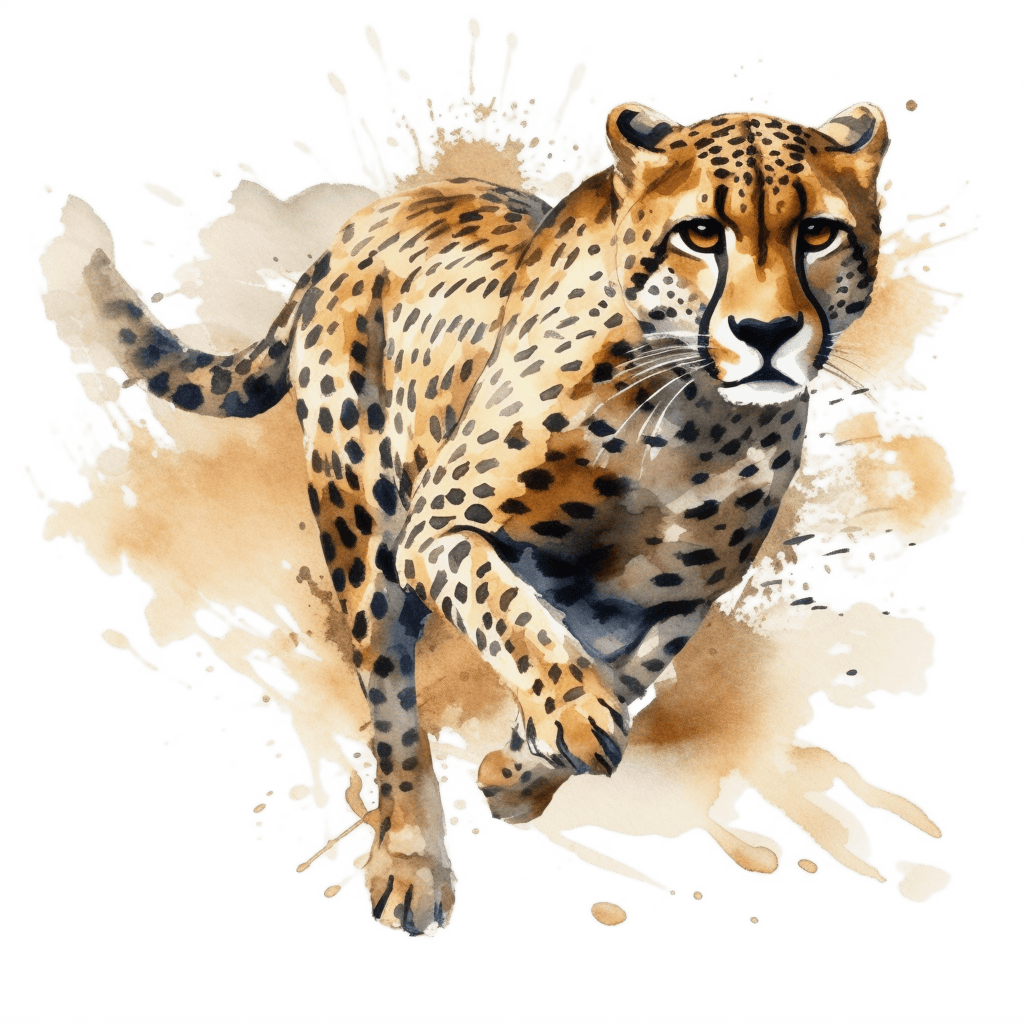
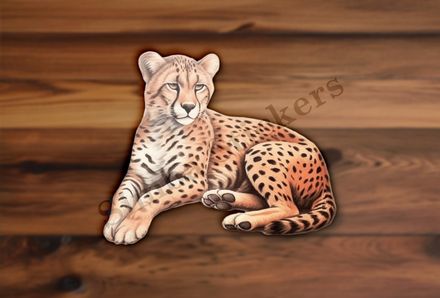
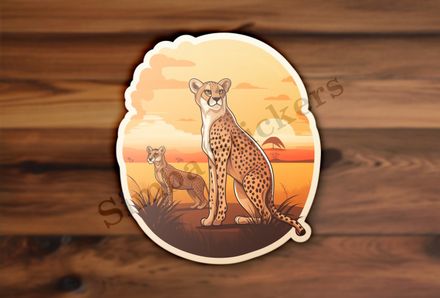
The cheetah (*Acinonyx jubatus*) is the world’s fastest land animal, capable of reaching speeds up to 60–70 miles per hour (97–113 km/h) in short bursts of around 20 to 30 seconds. This remarkable speed is made possible by its slender, aerodynamic body, long limbs, flexible spine, and specialized non-retractable claws that provide traction like cleats. Distinctive features include a small, rounded head, black "tear marks" running from the inner corners of the eyes down to the mouth—believed to reduce sun glare and enhance focus—and a short, tawny coat covered in solid black spots for camouflage. Unlike other big cats, cheetahs lack the ability to roar; instead, they communicate through chirps, purrs, and yelps. They are typically smaller than lions or leopards, weighing between 75 to 140 pounds (34–64 kg), and are built more for agility and acceleration than brute strength.
Cheetahs primarily inhabit open grasslands, savannas, and semi-arid regions of sub-Saharan Africa, with a small, isolated population surviving in central Iran (the critically endangered Asiatic cheetah, *Acinonyx jubatus venaticus*). They rely on visibility to spot prey and use their speed to chase down swift animals such as gazelles, impalas, and hares. Cheetahs are diurnal hunters, often active during the early morning or late afternoon to avoid competition with larger predators like lions and hyenas. As mid-tier predators, they help regulate populations of small to medium-sized herbivores, contributing to balanced ecosystems. However, their hunting success is often compromised by larger carnivores that steal their kills. Their presence also influences prey behavior, promoting vigilance and fitness within prey species. Despite their ecological importance, cheetahs are listed as vulnerable by the IUCN, with fewer than 7,000 individuals remaining in the wild due to habitat fragmentation, human-wildlife conflict, and illegal wildlife trade.
Culturally, the cheetah has long been admired for its grace, speed, and elegance. Ancient Egyptians kept cheetahs as companions and symbols of royalty, and the animal was frequently depicted in art and hieroglyphs. In medieval India and Persia, trained cheetahs were used in royal hunts, a practice that persisted for centuries. Today, the cheetah is a global symbol of swiftness and conservation, often featured in environmental campaigns and as a mascot for sports teams and brands emphasizing speed and agility. Its image evokes admiration and urgency, highlighting the plight of endangered wildlife. Conservation initiatives focus on protecting corridors for safe movement, reducing human conflict, and raising awareness about the cheetah’s ecological role. Preserving the cheetah not only safeguards a unique evolutionary marvel but also maintains the health of the ecosystems it inhabits, ensuring that the swiftest creature on land continues to run free.
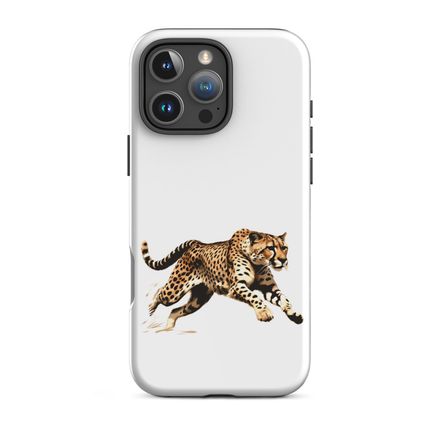
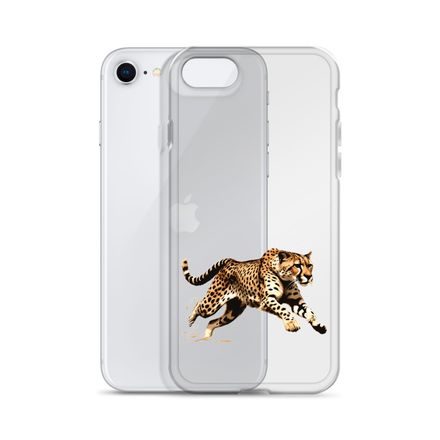
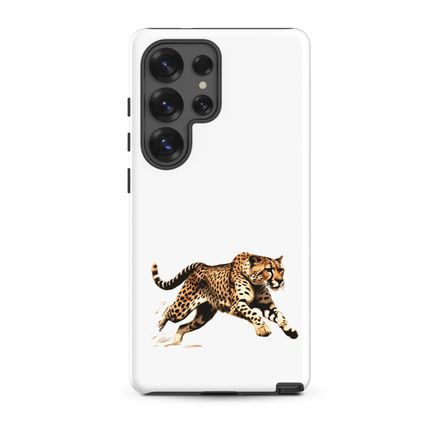
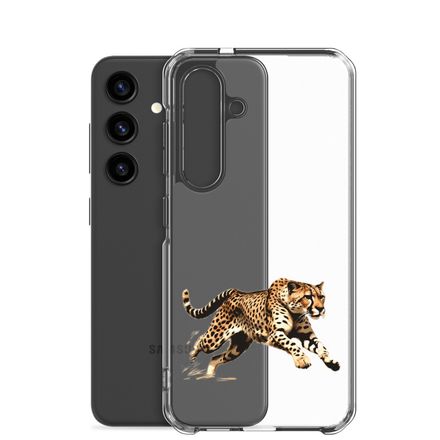
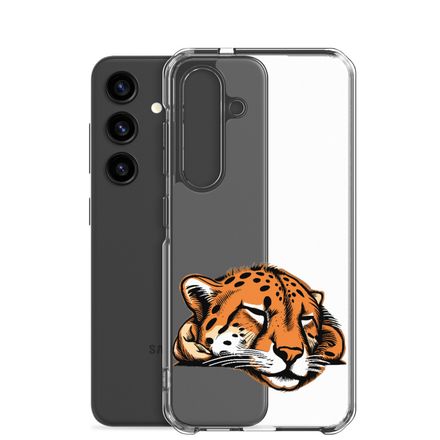
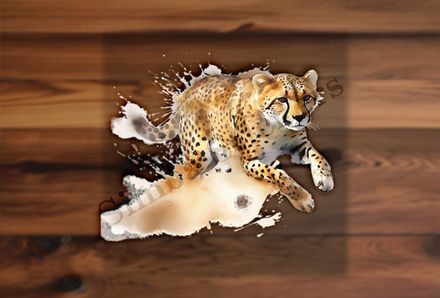
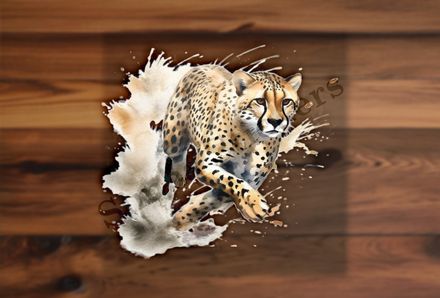
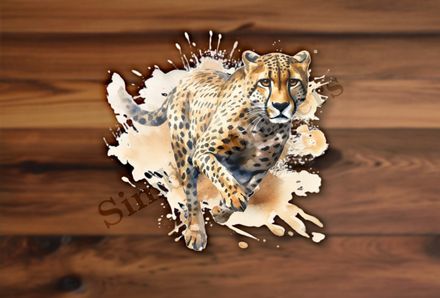
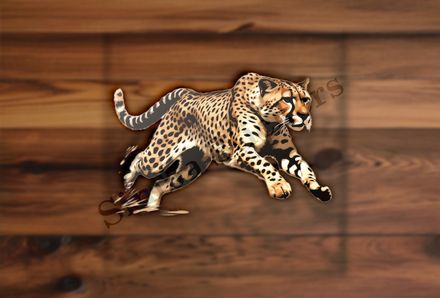
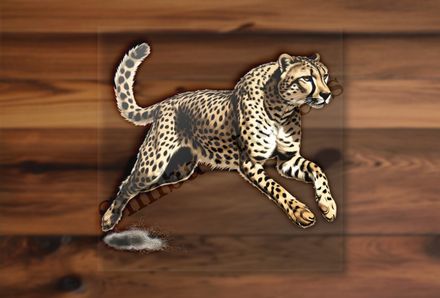
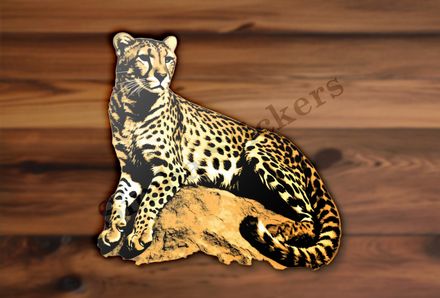
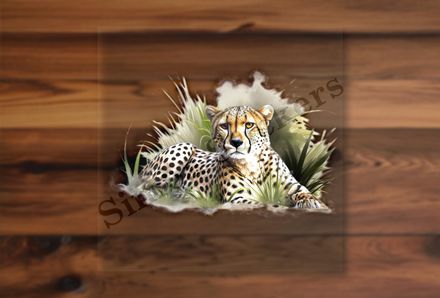
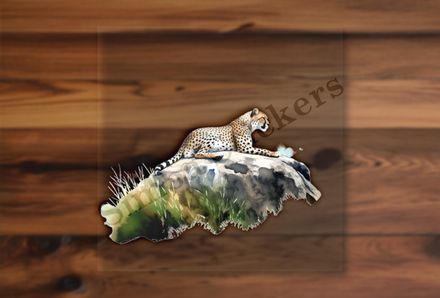
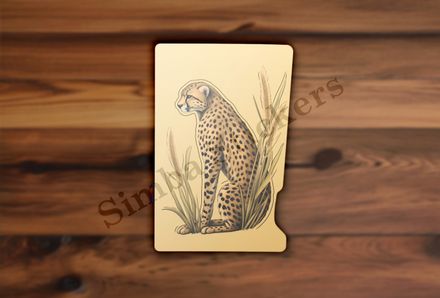
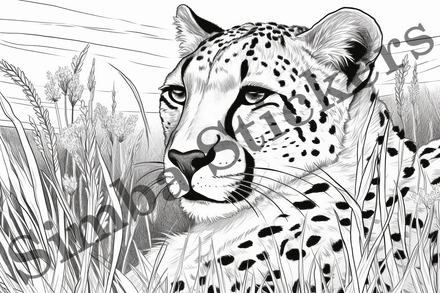
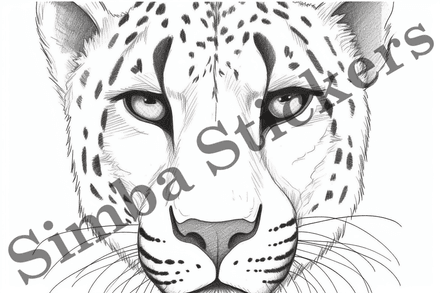
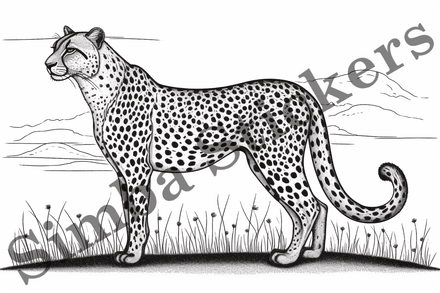
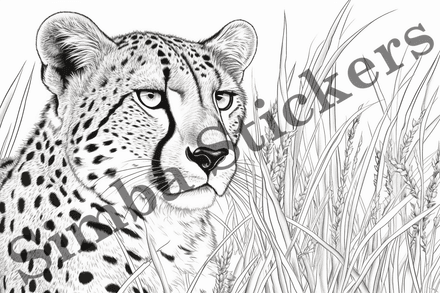
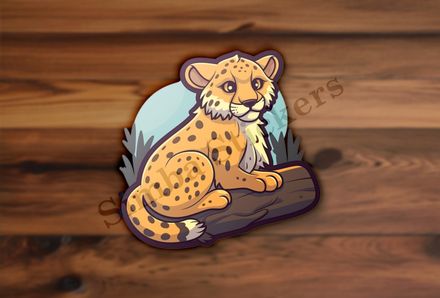
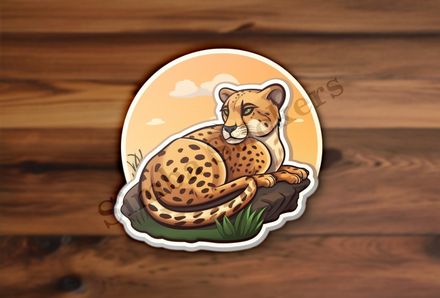
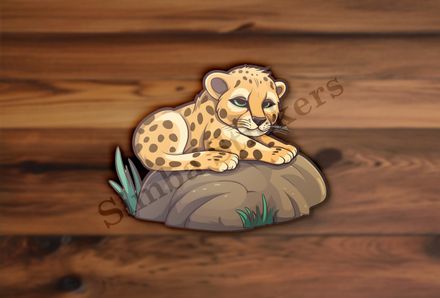
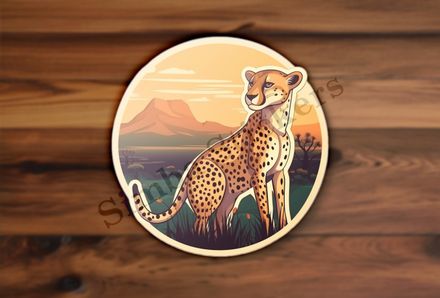
We keep adding images as will as print-on-demand products of cheetahs as time goes on. The easiest way to keep up-to-date is to subscribe to our newsletter.
If you would like them applied to a particular kind of clothing item which is missing, then please contact us!
Simba Stickers Cheetah Facts Videos in English
For facts about cheetahs presented in a fun and informative way, kindly have a look at our videos below!
Video Shorts
Regular Videos
We also have cheetah videos available in French (regular/shorts), German (regular/shorts), Italian (regular/shorts) and Latin (regular/shorts).
Go to the Simba Stickers English channel for all our videos!
Cheetah Products - digital/print-on-demand



Subscribe to our newsletter
Get the latest news and updates straight to your inbox