
African Savanna

The African Savanna, scientifically referred to as *tropical and subtropical grasslands, savannas, and shrublands*, is one of the most iconic biomes on Earth, primarily located across sub-Saharan Africa. Characterized by a continuous layer of grasses interspersed with scattered trees and shrubs, this ecosystem thrives in a climate of seasonal rainfall—typically 20 to 50 inches (500–1,250 mm) per year—followed by prolonged dry seasons. The dominant grasses include species like red oat grass and Rhodes grass, while trees such as the acacia and baobab are well-adapted to the environment with deep roots, thick bark, and water-storing trunks. One of the savanna’s most distinctive features is its open landscape, which allows for unobstructed sunlight and supports a high density of grazing and browsing animals. Frequent natural fires, often ignited by lightning, play a crucial role in maintaining the balance between grasslands and woodlands by preventing forest encroachment and recycling nutrients into the soil.
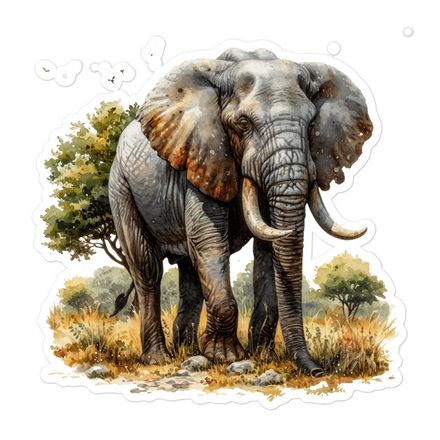
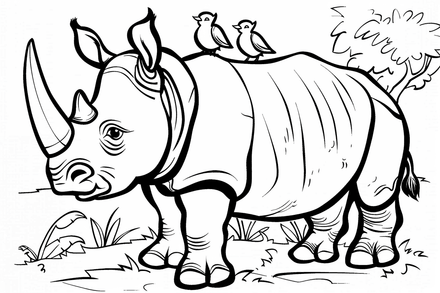
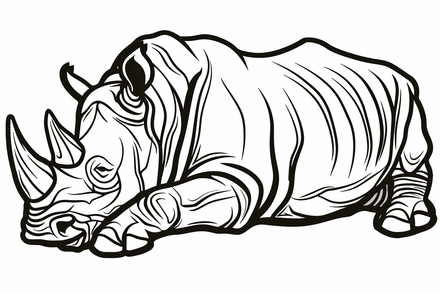
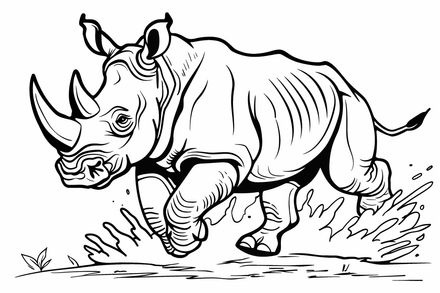
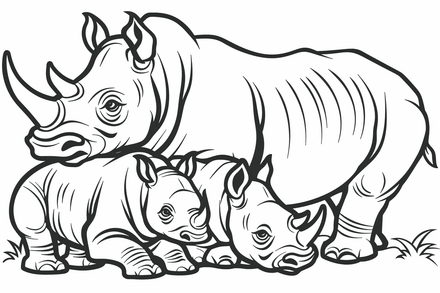
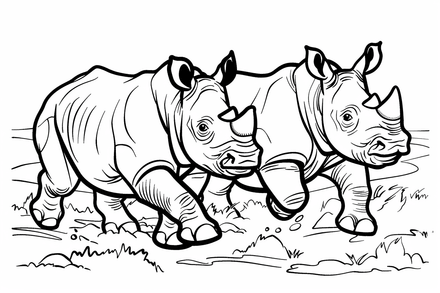
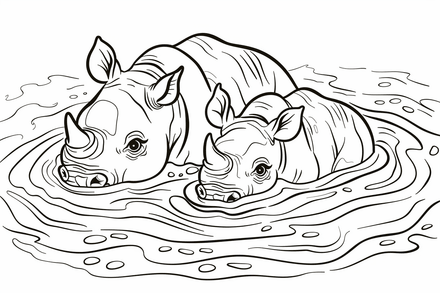
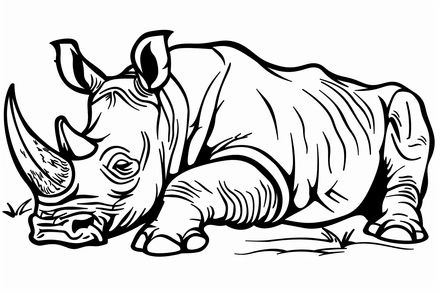
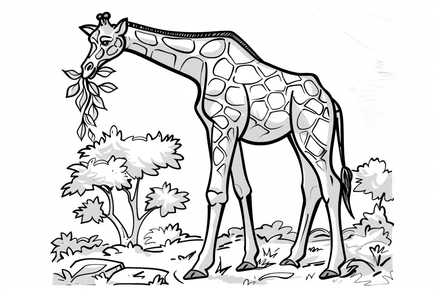
The African Savanna spans vast regions, including the Serengeti in Tanzania, the Maasai Mara in Kenya, the Kalahari in Botswana, and parts of Uganda, Zambia, and South Africa. These areas support some of the most diverse and abundant wildlife populations on the planet. The savanna is home to a wide array of animals across different trophic levels. Iconic herbivores include the African elephant, giraffe, zebra, hippo, rhino, wildebeest, impala, and Cape buffalo, all of which rely on the grasses and tree foliage for sustenance. These grazers and browsers, in turn, support a rich community of predators such as lions, leopards, cheetahs, and spotted hyenas. Scavengers like vultures and jackals play a vital clean-up role, while smaller mammals such as meerkats, warthogs, and bat-eared foxes contribute to soil aeration and insect control. Even the skies are alive with raptors, storks, and migratory birds. One of the most spectacular natural events in the savanna is the annual Great Migration, where over a million wildebeest, accompanied by hundreds of thousands of zebras and gazelles, travel in a cyclical route across the Serengeti and Maasai Mara in search of fresh grazing—a phenomenon that underscores the dynamic nature of this ecosystem.
Ecologically, the African Savanna functions as a complex and finely balanced system where every species, from the largest elephant to the tiniest termite, plays a critical role. Large herbivores shape the landscape through grazing and browsing, influencing plant composition and growth patterns. Predators regulate herbivore populations, preventing overgrazing and maintaining species diversity. Keystone species like elephants uproot trees and create water holes, while termites build massive mounds that enrich the soil and provide microhabitats for other creatures. The savanna also acts as a major carbon sink, with its deep-rooted grasses storing carbon below ground, helping mitigate climate change. Furthermore, the seasonal rhythms of rain and drought drive natural cycles of growth, migration, and reproduction, making the savanna a resilient yet sensitive environment that depends on the integrity of its interconnected web of life.
Culturally, the African Savanna holds deep significance for numerous Indigenous communities, such as the Maasai, Samburu, and San peoples, who have lived in harmony with this environment for centuries. These groups rely on the savanna for grazing livestock, gathering medicinal plants, and spiritual practices, viewing the land and its animals as integral to their identity and survival. The savanna also occupies a central place in global imagination, symbolizing the essence of wild Africa through documentaries, literature, and conservation campaigns. It draws millions of tourists annually, supporting local economies through ecotourism. However, the savanna faces growing threats from human activities, including agricultural expansion, urbanization, poaching, and climate change, which disrupt wildlife corridors and degrade habitats. Conservation efforts—ranging from protected national parks to community-based land management—are essential to preserving this irreplaceable biome. The African Savanna is not just a backdrop for wildlife spectacles; it is a living, breathing ecosystem that sustains biodiversity, supports human cultures, and reminds the world of nature’s grandeur and fragility.
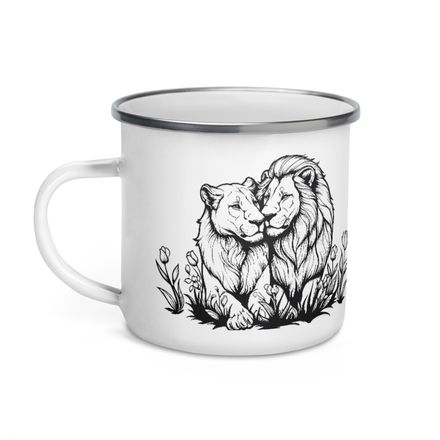
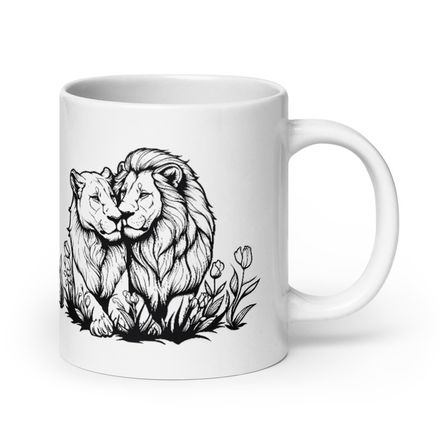
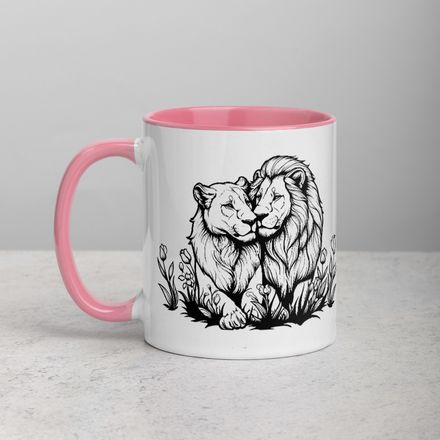
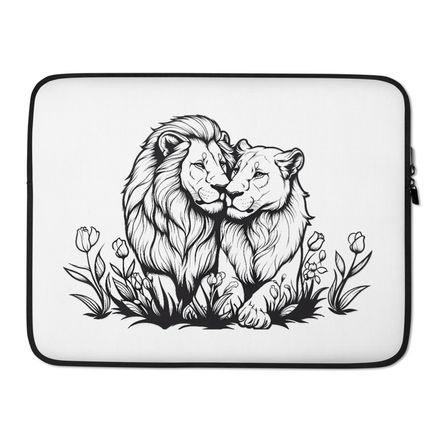
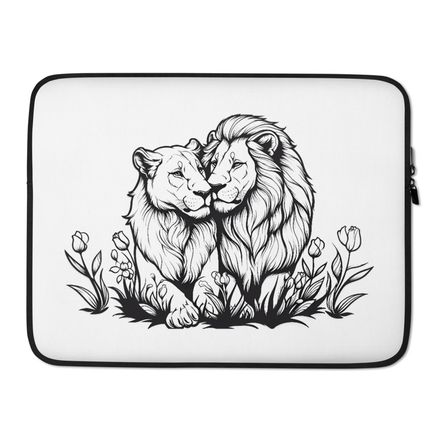
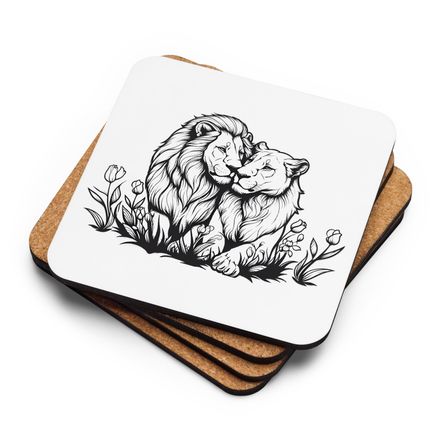
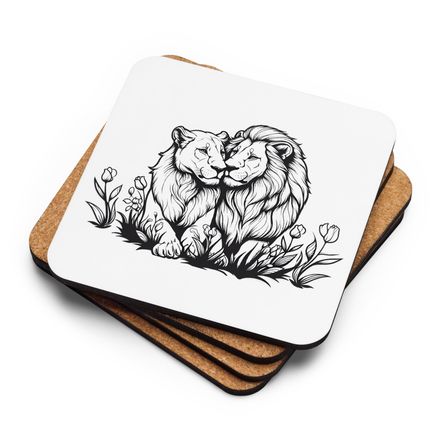
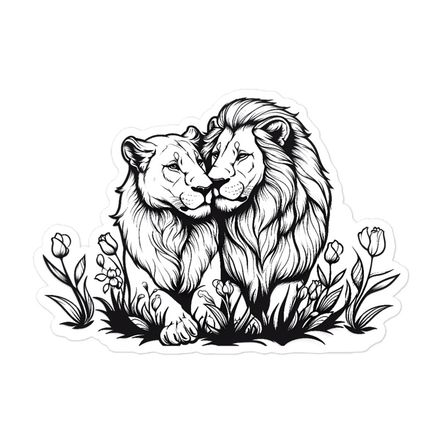
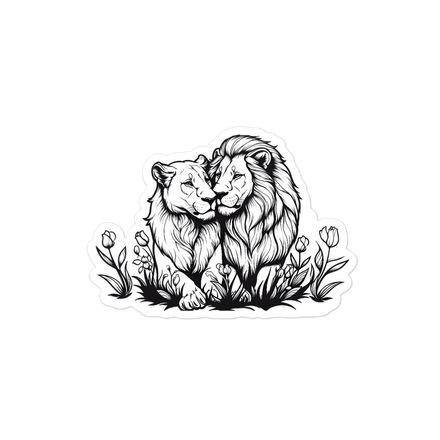
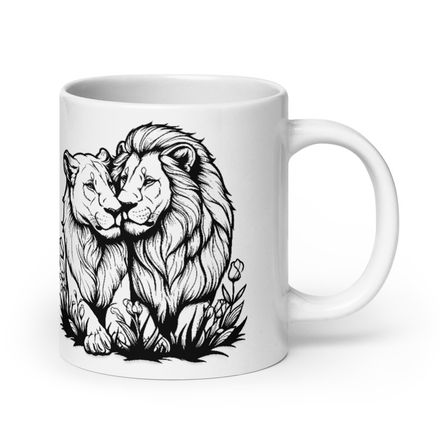
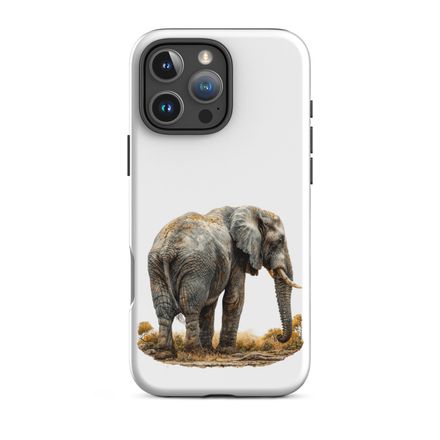
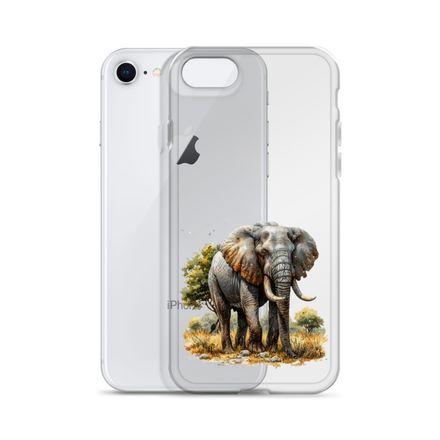
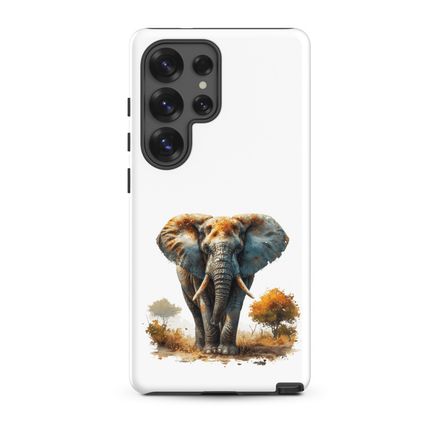
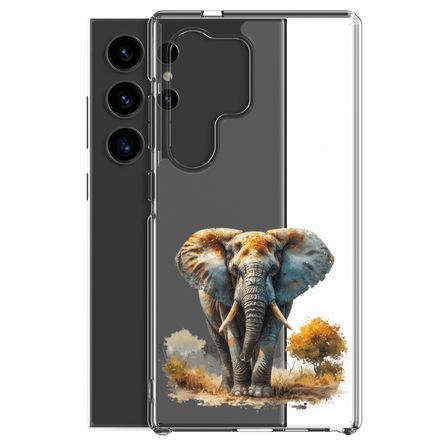
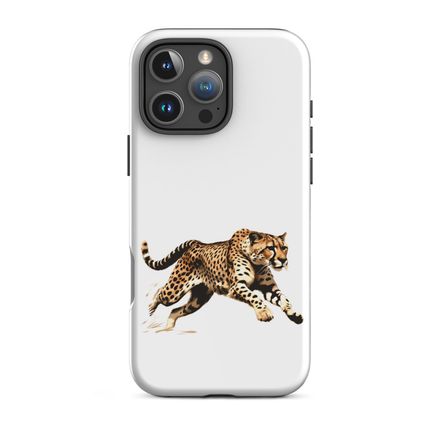
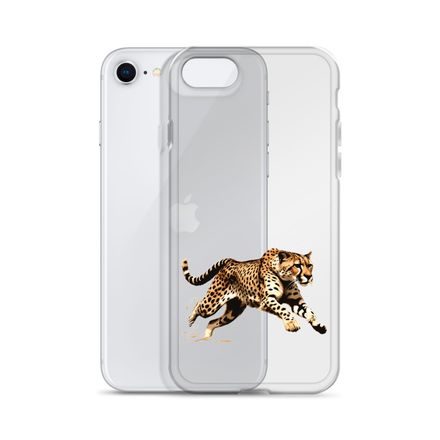
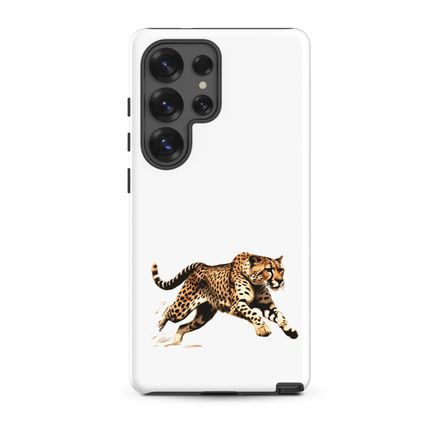
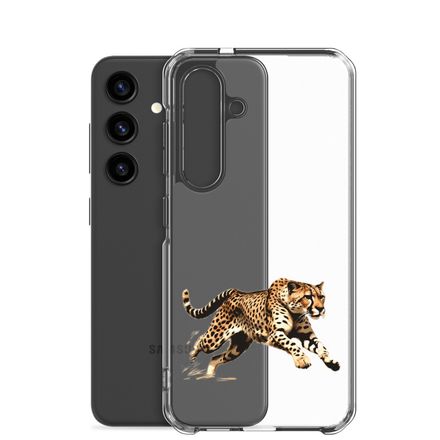
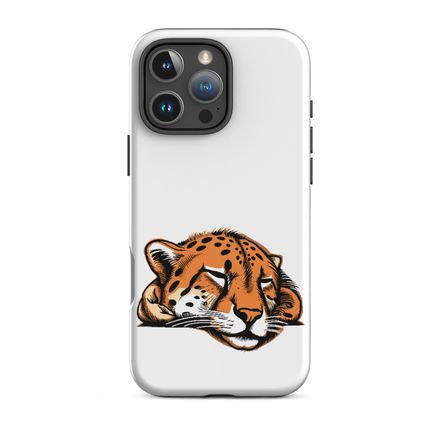
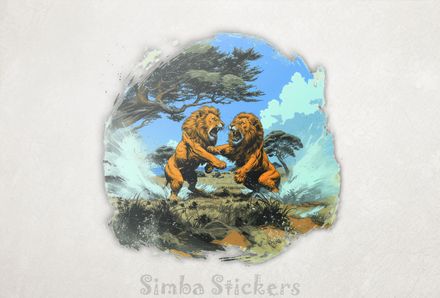
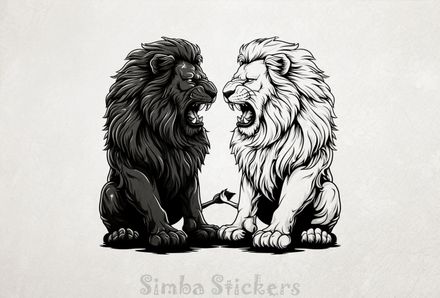
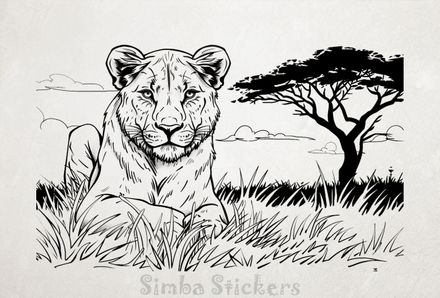
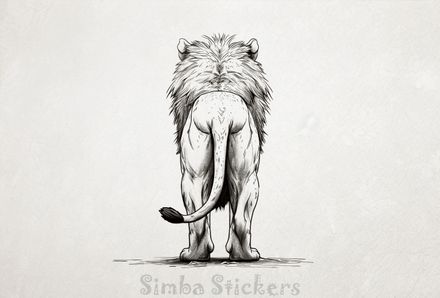
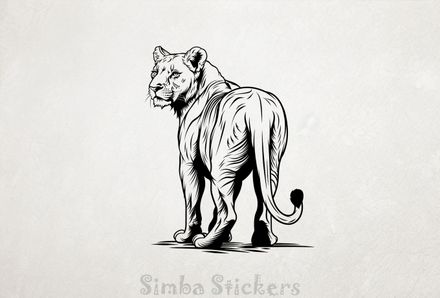
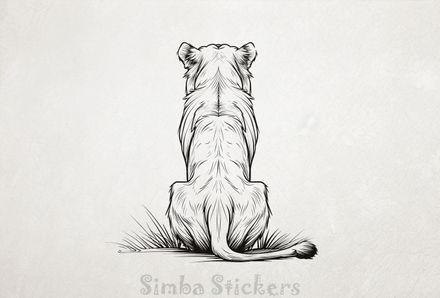
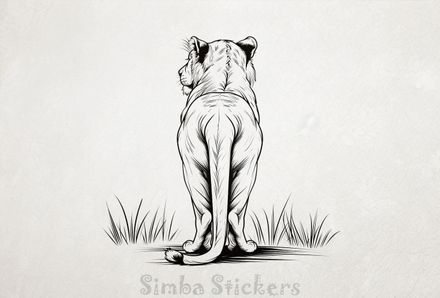
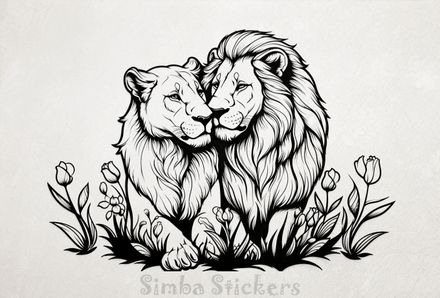
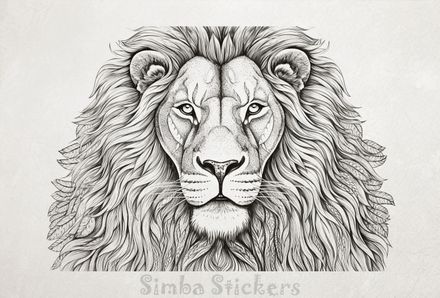
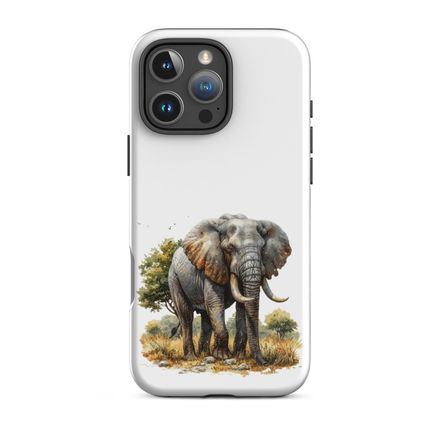
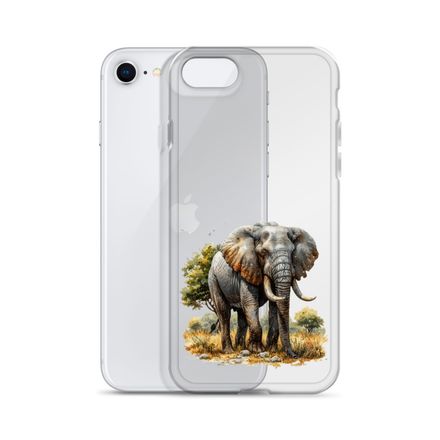
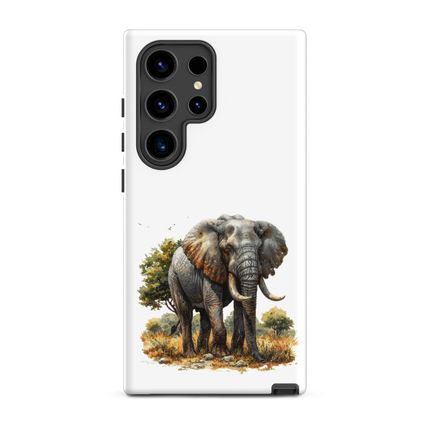
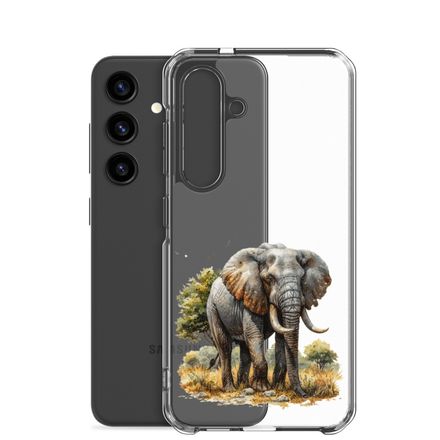
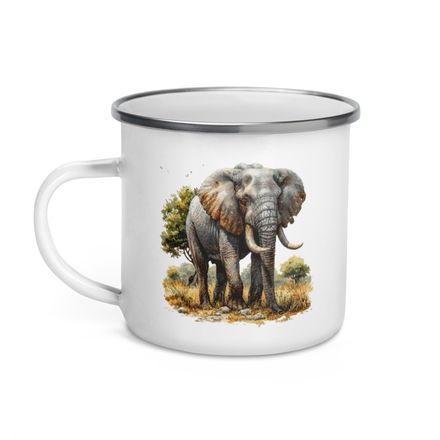
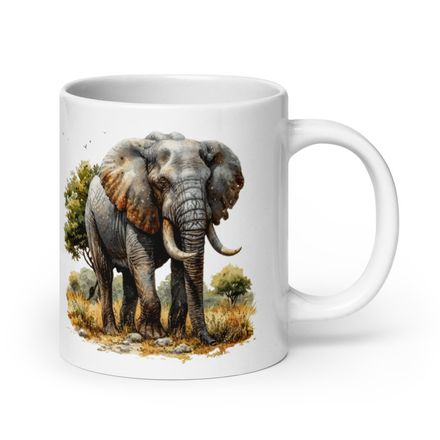
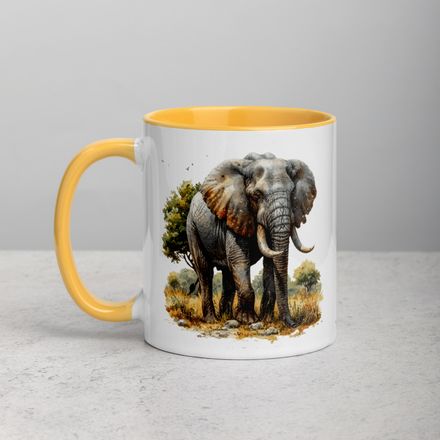
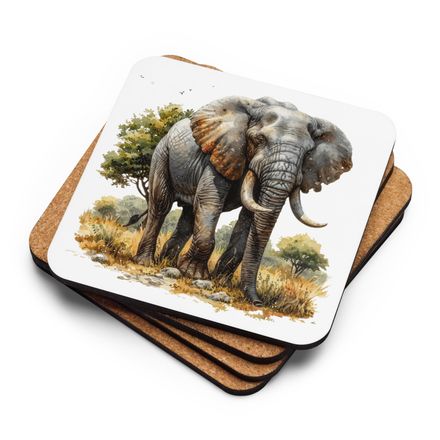
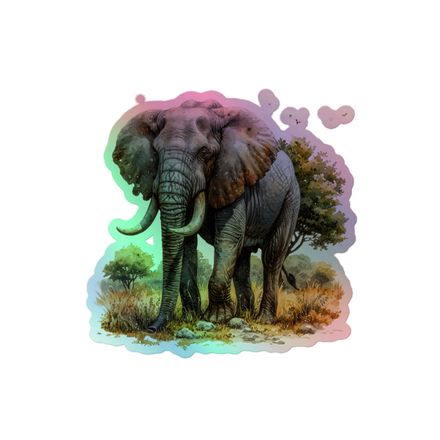
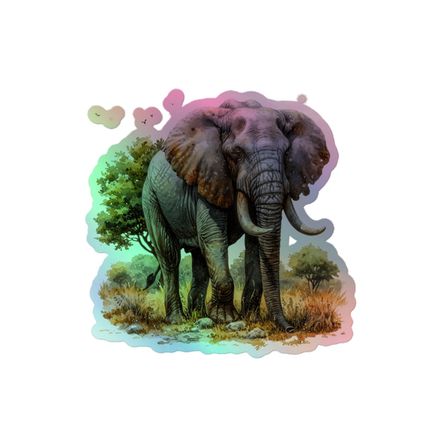
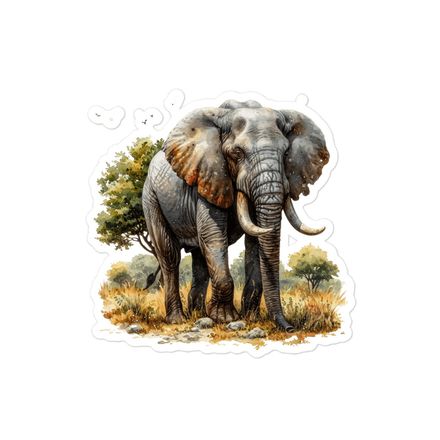
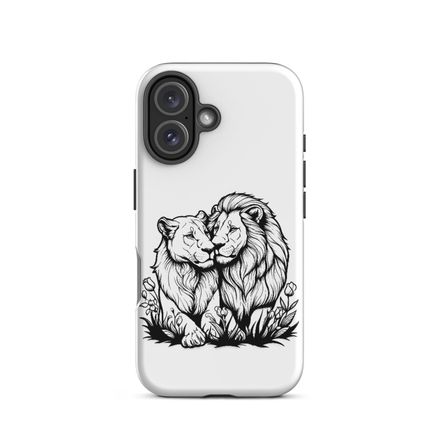
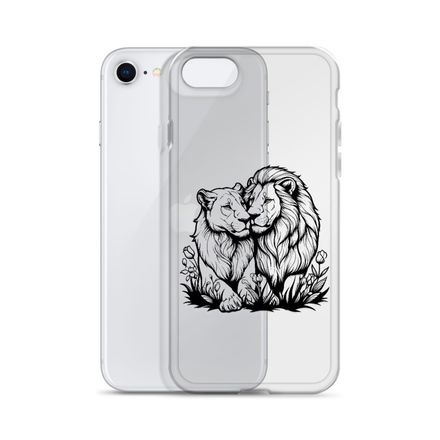
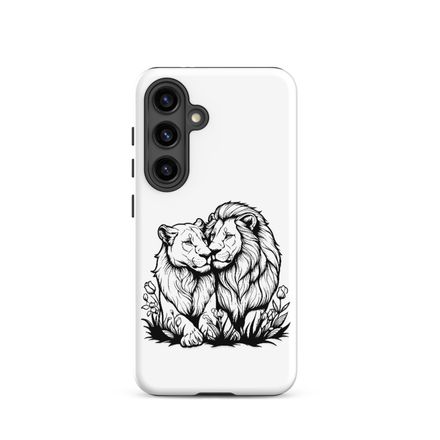
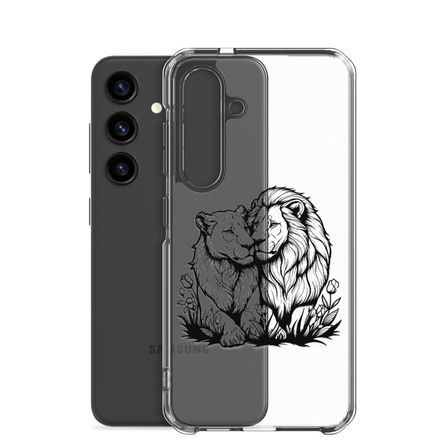
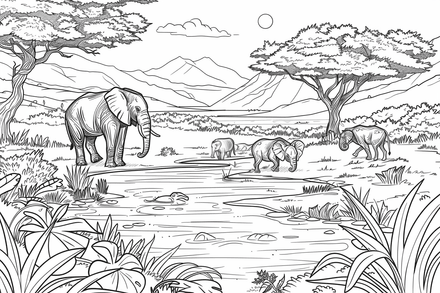
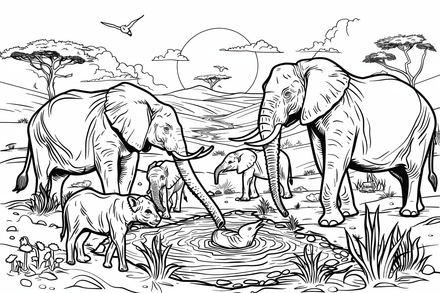
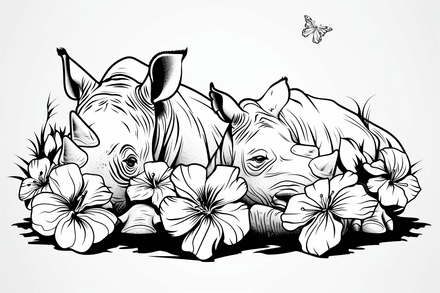
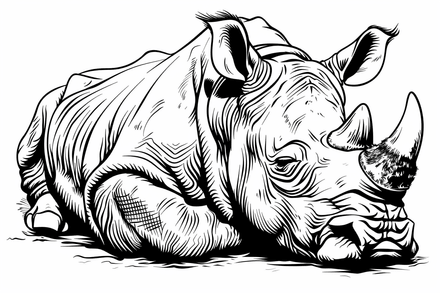
We keep adding images as will as print-on-demand products of the African Savanna and its animals as time goes on. The easiest way to keep up-to-date is to subscribe to our newsletter.
If you would like them applied to a particular kind of clothing item which is missing, then please contact us!
Simba Stickers African Savanna Facts Videos in English
For facts about animals of the African Savanna presented in a fun and informative way, kindly have a look at our videos below!
Video Shorts
Regular Videos
We also have African Savanna animal videos available in French (regular/shorts), German (regular/shorts), Italian (regular/shorts) and Latin (regular/shorts).
Go to the Simba Stickers English channel for all our videos!







































Subscribe to our newsletter
Get the latest news and updates straight to your inbox