
Crododile/Crododiles
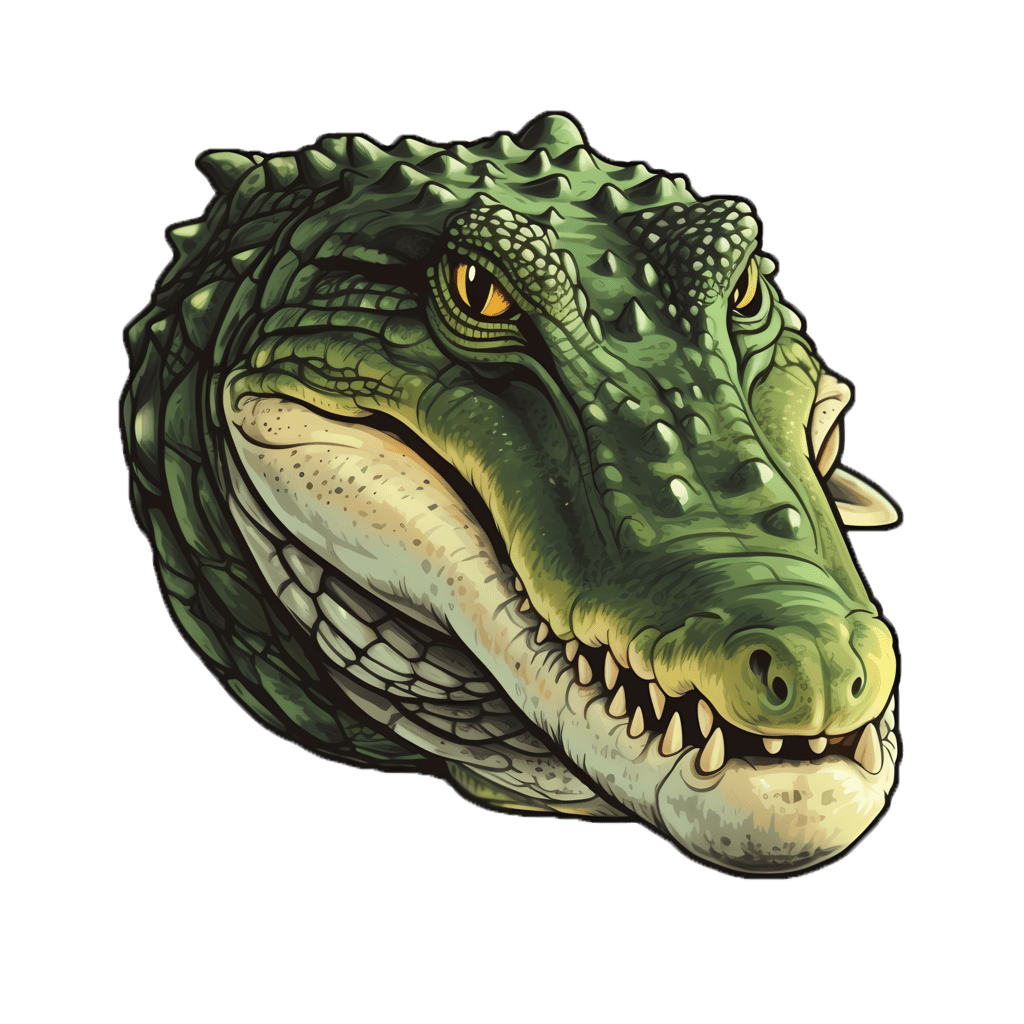
Crocodiles belong to the family *Crocodylidae* and are among the most ancient and formidable reptiles on Earth. A single individual is called a **crocodile**, while a group can be referred to as a **bask** (on land) or a **float** (in water). The male is known as a **bull**, the female as a **cow**, and the young are called **hatchlings**—a name that reflects their emergence from eggs. Crocodiles are easily recognized by their armored, elongated bodies, powerful tails, and long, narrow snouts lined with sharp, conical teeth. Their eyes, ears, and nostrils are positioned on top of the head, allowing them to remain nearly fully submerged while still seeing, hearing, and breathing. They are ectothermic (cold-blooded), relying on external heat to regulate body temperature, and are exceptional swimmers, capable of explosive bursts of speed in water. Their skin is covered in bony plates called osteoderms, providing natural armor, and they possess one of the strongest bite forces in the animal kingdom—exceeding 3,700 pounds per square inch in the saltwater crocodile.
Crocodiles inhabit freshwater and brackish environments such as rivers, lakes, swamps, and estuaries across tropical and subtropical regions of Africa, Asia, the Americas, and Australia. Several species are recognized, each adapted to specific habitats. The **Nile crocodile** (*Crocodylus niloticus*), found throughout sub-Saharan Africa, is one of the largest and most widespread, known for its aggressive nature and ability to take large prey, including wildebeest and even lions. The **saltwater crocodile** (*Crocodylus porosus*), native to Southeast Asia, northern Australia, and the eastern Indian coast, is the largest living reptile, reaching lengths over 20 feet (6 meters) and weighing more than 2,000 pounds (900 kg). It is uniquely adapted to both freshwater and marine environments, capable of swimming long distances across open sea. The **American crocodile** (*Crocodylus acutus*) inhabits coastal regions from southern Florida through Central America to northern South America, preferring brackish mangrove swamps and lagoons. Other species include the **mugger crocodile** (*Crocodylus palustris*) of South Asia and the critically endangered **Philippine crocodile** (*Crocodylus mindorensis*), which is smaller and more vulnerable due to habitat loss and hunting.
Culturally, crocodiles have held powerful symbolic roles across civilizations. In ancient Egypt, the crocodile god Sobek was worshipped as a deity of fertility, protection, and military power, often depicted with a crocodile head. In Aboriginal Australian Dreamtime stories, crocodiles feature as ancestral beings that shaped the land. In many African and Southeast Asian communities, crocodiles are both feared and respected, seen as guardians of waterways or spiritual entities. Their strength and stealth have made them symbols of survival and primal power in folklore and modern media. Ecologically, crocodiles play a vital role as apex predators, regulating fish and mammal populations and maintaining ecosystem balance. By creating burrows and wallows, they provide water sources for other animals during dry seasons. Their feeding habits help remove weak or sick animals, improving prey population health, and their nesting behavior influences soil structure and nutrient distribution. Despite their resilience, many crocodile species face threats from habitat destruction, illegal hunting for skin and meat, and human conflict. While the saltwater and Nile crocodiles are listed as **Least Concern**, others like the Philippine and Siamese crocodiles are **Critically Endangered**. Conservation efforts, including breeding programs and habitat protection, are essential to ensure these ancient predators continue to thrive in the wild.
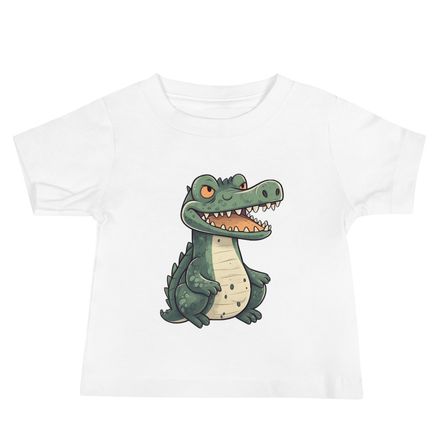
We keep adding images as will as print-on-demand products of crocodiles as time goes on. The easiest way to keep up-to-date is to subscribe to our newsletter.
If you would like them applied to a particular kind of clothing item which is missing, then please contact us!
Simba Stickers Reptile Facts Videos in English
For facts about reptiles presented in a fun and informative way, kindly have a look at our videos below!
Video Shorts
Regular Videos
We also have reptile videos available in French (regular/shorts), German (regular/shorts), Italian (regular/shorts) and Latin (regular/shorts).
Go to the Simba Stickers Animal Facts English language channel for all our videos!






Subscribe to our newsletter
Get the latest news and updates straight to your inbox