
Reptile/Reptiles

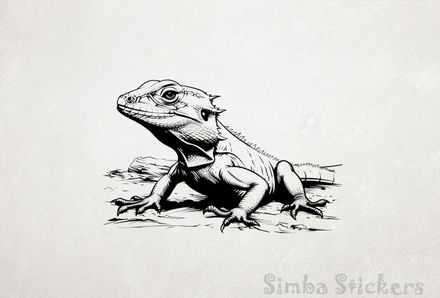
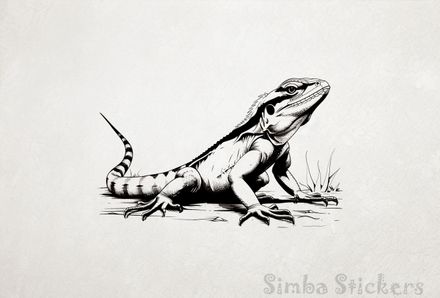
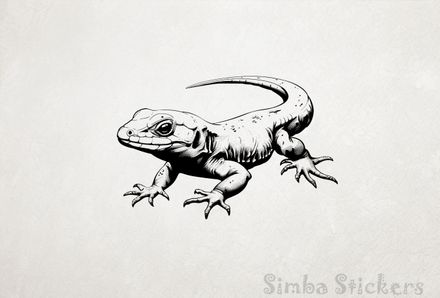
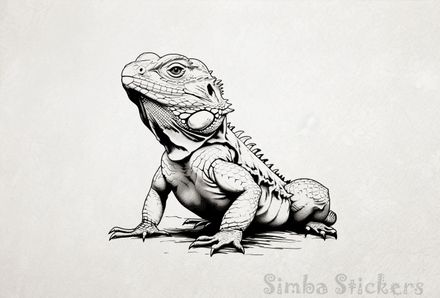
Reptiles belong to the class *Reptilia*, a diverse group of cold-blooded (ectothermic) vertebrates that have seemingly thrived on Earth for over 300 million years. They are distinguished by several key features: dry, scaly skin made of keratin that prevents water loss, internal fertilization, and reproduction typically through amniotic eggs with leathery or hard shells, allowing them to lay eggs on land. Most reptiles are oviparous (egg-laying), though some, like certain snakes and lizards, are viviparous (giving birth to live young). Reptiles rely on external heat sources to regulate their body temperature, often basking in the sun to become active. This group includes four main orders: *Squamata* (lizards and snakes), *Testudines* (turtles and tortoises), *Crocodylia* (crocodiles, alligators, caimans, and gharials), and *Rhynchocephalia* (represented today only by the tuatara of New Zealand). Their physical adaptations vary widely—from the venomous fangs of cobras and the gliding membranes of flying dragons to the armored shells of turtles and the powerful jaws of crocodilians.
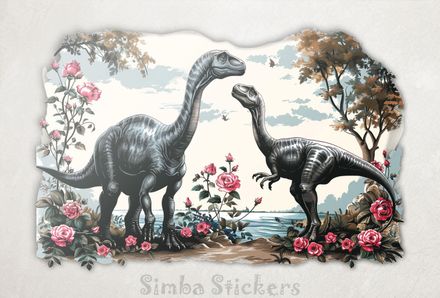
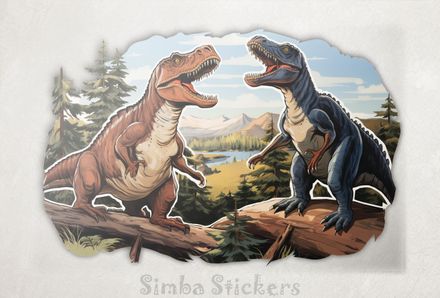
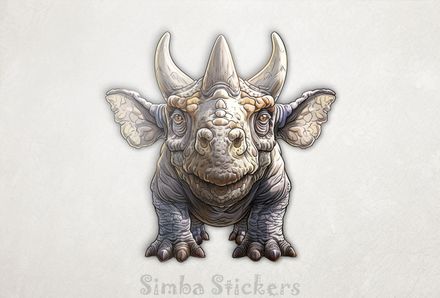
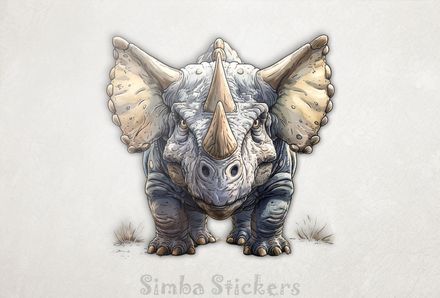
Reptiles inhabit a vast range of ecosystems across every continent except Antarctica. Snakes like the king cobra and green anaconda thrive in tropical rainforests, while lizards such as the Komodo dragon and the Gila monster dominate arid deserts and rocky landscapes. Turtles and tortoises occupy both aquatic and terrestrial environments—the leatherback sea turtle migrates across oceans, while the Galápagos tortoise lives on volcanic islands. Crocodilians, including the saltwater crocodile and the American alligator, are found in swamps, rivers, and estuaries, where they act as apex predators. Some reptiles, like the green iguana and common gecko, have adapted to urban environments, while others, such as the critically endangered gharial, are restricted to specific river systems. Throughout history, reptiles have included some of the most famous and awe-inspiring creatures ever known—most notably the dinosaurs. Though not all dinosaurs are classified under modern reptile groups, they are widely considered part of the broader reptilian lineage and include iconic species like *Tyrannosaurus rex*, *Triceratops*, and *Brachiosaurus*. These extinct animals, known from extensive fossil evidence, once dominated terrestrial ecosystems and continue to capture public imagination through museums, films, and scientific study, helping to illustrate the diversity and historical reach of reptile life.
Ecologically, reptiles play essential roles in maintaining ecosystem balance. As predators, snakes and lizards help control populations of rodents, insects, and other small animals—species like the corn snake and king snake are vital in managing pest species in agricultural areas. Crocodilians regulate fish and mammal populations and create water holes during dry seasons that benefit other wildlife. As prey, reptiles such as young turtles, lizards, and snakes provide food for birds, mammals, and larger reptiles. Turtles and tortoises contribute to seed dispersal; for example, tortoises in the Galápagos and Aldabra Atoll help regenerate native vegetation by consuming and excreting plant seeds. Sea turtles maintain healthy seagrass beds by grazing, which in turn supports fish and marine invertebrates. Even venomous snakes play a role in medical research, as their toxins are studied for potential use in treating diseases like hypertension and chronic pain. The presence of reptiles often indicates a healthy, functioning ecosystem.
Culturally, reptiles hold powerful and often contradictory symbolism across human societies. In ancient Egypt, the cobra was a symbol of divine protection and royalty, worn on the pharaoh’s crown as the *uraeus*. In Hindu and Buddhist traditions, the serpent deity *Naga* represents wisdom, protection, and the cycle of life. The feathered serpent god Quetzalcoatl was central to Aztec and Maya mythology, embodying creation and knowledge. In contrast, in many Western traditions, snakes have been associated with temptation and evil, largely due to biblical narratives. Crocodiles and alligators often symbolize stealth and primal power in Indigenous cultures of Africa and the Americas. Today, reptiles inspire both fascination and fear—Komodo dragons draw tourists to Indonesia, sea turtles are global icons of marine conservation, and dinosaurs remain central to education and popular culture. However, many reptile species face severe threats from habitat destruction, climate change, illegal wildlife trade, and persecution. Iconic species like the leatherback sea turtle, gharial, and radiated tortoise are critically endangered. Protecting reptiles requires conservation efforts, education, and cultural respect for their ecological and symbolic importance. As ancient survivors and vital components of ecosystems, reptiles continue to shape both the natural world and the human imagination.
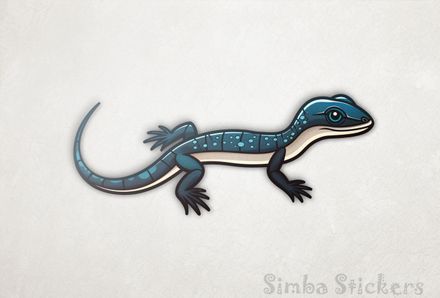
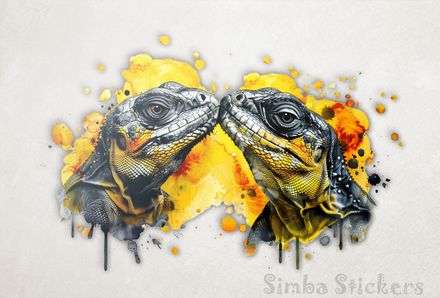
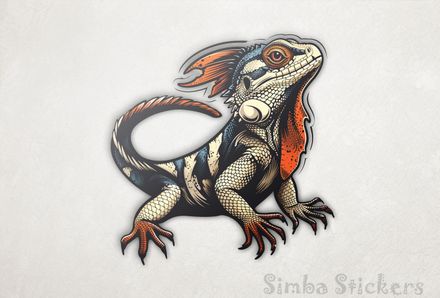
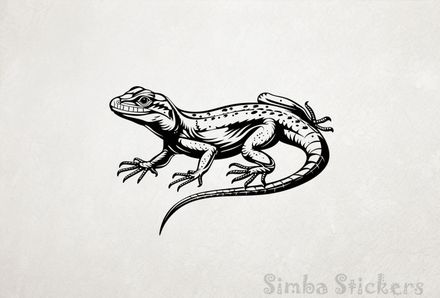
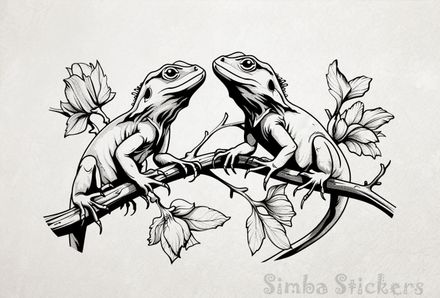
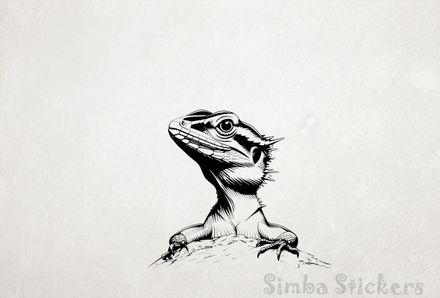
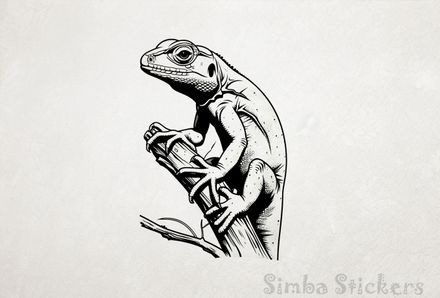
We keep adding images as will as print-on-demand products of reptiles as time goes on. The easiest way to keep up-to-date is to subscribe to our newsletter.
If you would like them applied to a particular kind of clothing item which is missing, then please contact us!
Simba Stickers Reptile Facts Videos in English
For facts about reptiles presented in a fun and informative way, kindly have a look at our videos below!
Video Shorts
Regular Videos
We also have reptile videos available in French (regular/shorts), German (regular/shorts), Italian (regular/shorts) and Latin (regular/shorts).
Go to the Simba Stickers Animal Facts English language channel for all our videos!

























Subscribe to our newsletter
Get the latest news and updates straight to your inbox