
Vulture/Vultures
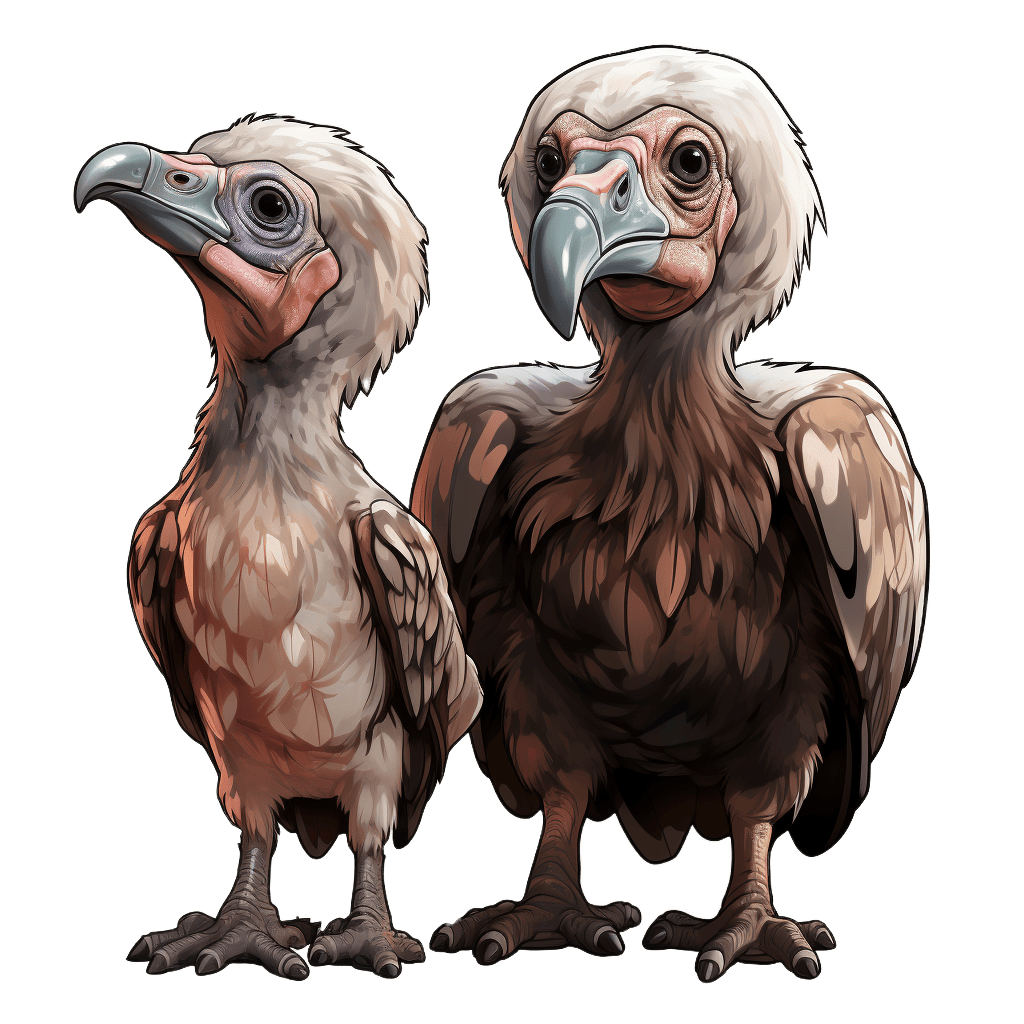
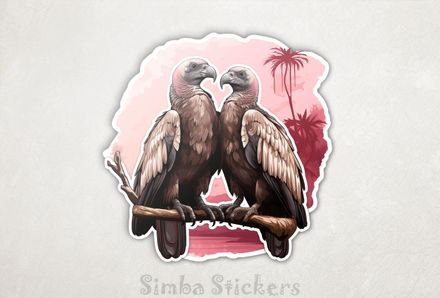
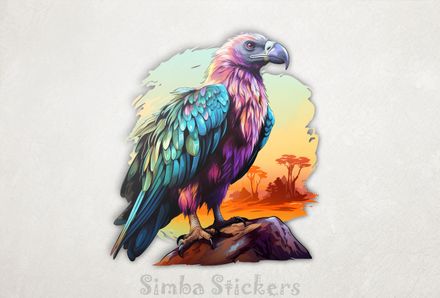
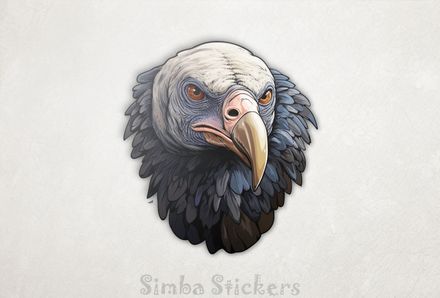
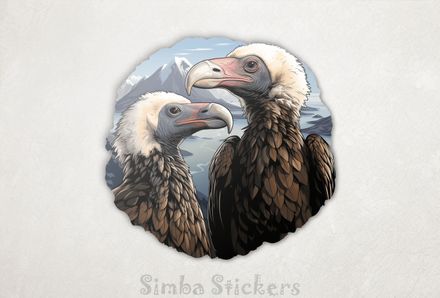
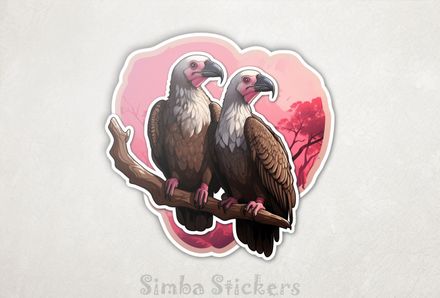
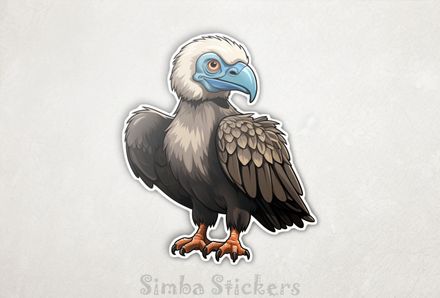
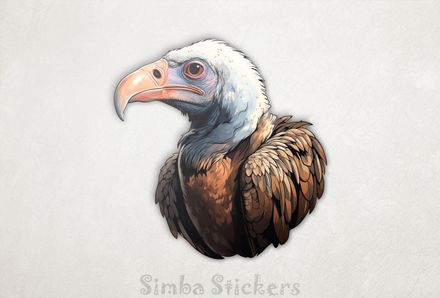
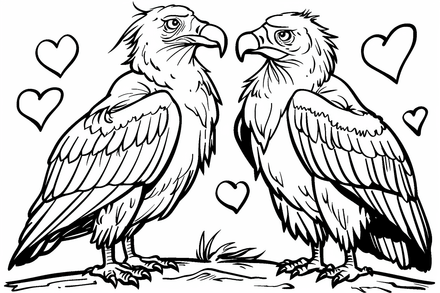
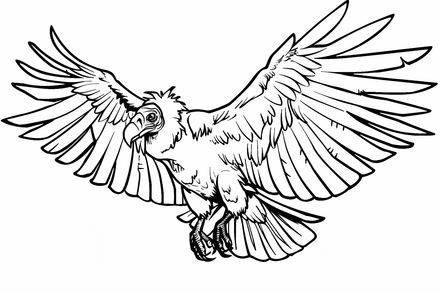
Vultures are scavenging birds of prey belonging to two main groups: the **Old World vultures** (family *Accipitridae*, related to eagles and hawks) and the **New World vultures** (family *Cathartidae*, including condors). Notable species include the griffon vulture (*Gyps fulvus*), the Egyptian vulture (*Neophron percnopterus*), and the turkey vulture (*Cathartes aura*). A single bird is called a **vulture**, while a group has several collective names depending on context: a **committee**, **venue**, or **volt** when perched, and a **kettle** when soaring in flight. Male and female vultures look nearly identical and do not have distinct common names; they are typically referred to simply as male or female. The young are called **chicks**, and they hatch in nests built on cliffs, in trees, or on the ground, depending on the species. Vultures are easily recognized by their bald or partially feathered heads and necks—a hygienic adaptation that prevents feathers from becoming soiled while feeding inside carcasses. They possess strong, hooked beaks for tearing flesh, broad wingspans for soaring effortlessly on thermal updrafts, and an exceptional sense of smell (especially New World vultures) or keen eyesight (in Old World species) to locate carrion from great distances.
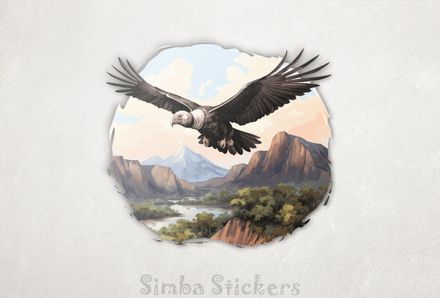
Vultures inhabit a wide range of environments across every continent except Australia and Antarctica. They thrive in open landscapes such as savannas, grasslands, deserts, mountains, and scrublands—habitats where dead animals are more visible and accessible. The Himalayan vulture (*Gyps himalayensis*) soars over high mountain passes, while the lappet-faced vulture (*Torgos tracheliotos*) dominates African arid zones. The California condor (*Gymnogyps californianus*), one of the largest flying birds, inhabits rugged canyons of the southwestern United States, and the Andean condor (*Vultur gryphus*) patrols the heights of the South American Andes. While not "breeds" in the domestic sense, many vulture species have recognized **subspecies** adapted to regional climates and food sources. For example, the white-backed vulture (*Gyps africanus*) has variations across sub-Saharan Africa, and the cinereous vulture (*Aegypius monachus*) ranges from Spain to East Asia with slight differences in size and plumage. These adaptations reflect their role in local ecosystems and their evolutionary response to environmental pressures.
Culturally, vultures have long been misunderstood, often associated with death and decay due to their scavenging habits. However, in many traditions, they are revered as sacred cleansers and spiritual messengers. In ancient Egypt, the vulture goddess Nekhbet symbolized protection and maternal care. In Zoroastrianism, vultures play a key role in sky burials, where human remains are exposed to be consumed by these birds, returning the body to nature in a pure and respectful way. Conversely, in Western cultures, they are sometimes unfairly vilified as ominous or unclean. Ecologically, vultures are indispensable as nature’s clean-up crew. By consuming animal carcasses quickly, they prevent the spread of dangerous diseases like anthrax, rabies, and botulism. Their highly acidic digestive systems destroy harmful bacteria, making them safer than mammalian scavengers like feral dogs. This vital service reduces health risks for wildlife, livestock, and humans alike. Yet, vulture populations worldwide are in steep decline due to poisoning (from veterinary drugs like diclofenac), habitat loss, electrocution on power lines, and persecution. Many species, including the Indian vulture (*Gyps indicus*) and the Egyptian vulture, are now critically endangered. Protecting vultures is not just about conserving a species—it's about safeguarding public health, ecological balance, and the quiet but heroic role these birds play in keeping ecosystems clean and functioning.
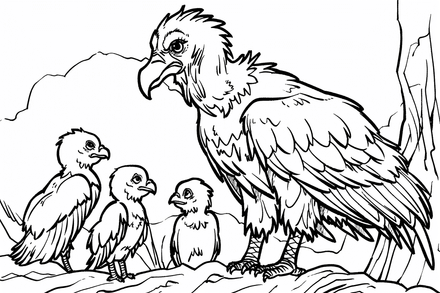
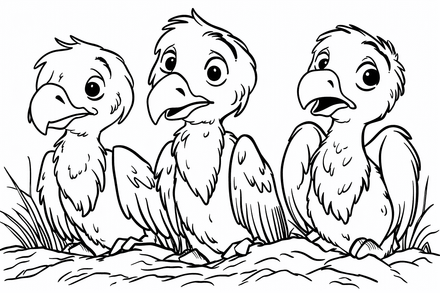
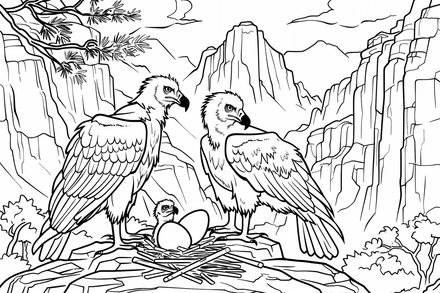
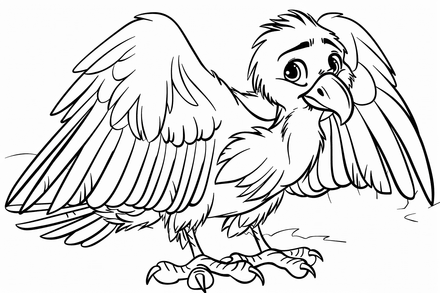
We keep adding images as will as print-on-demand products of vultures as time goes on. The easiest way to keep up-to-date is to subscribe to our newsletter.
If you would like them applied to a particular kind of clothing item which is missing, then please contact us!
Simba Stickers Wild Bird Facts Videos in English
For facts about wild birds presented in a fun and informative way, kindly have a look at our videos below!
Video Shorts
Regular Videos
We also have wild bird videos available in French (regular/shorts), German (regular/shorts), Italian (regular/shorts) and Latin (regular/shorts).
Go to the Simba Stickers English channel for all our videos!
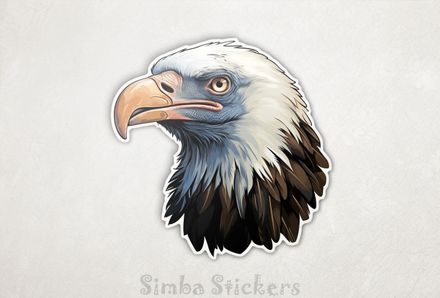
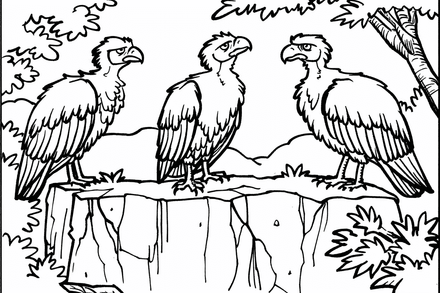
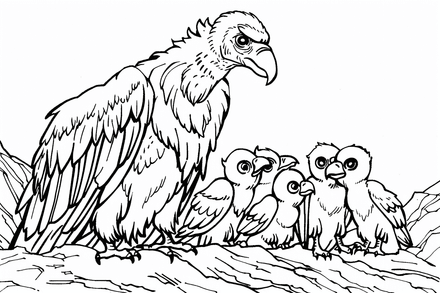
Vulture Products - digital/print-on-demand





Subscribe to our newsletter
Get the latest news and updates straight to your inbox