
Butterfly/Butterflies
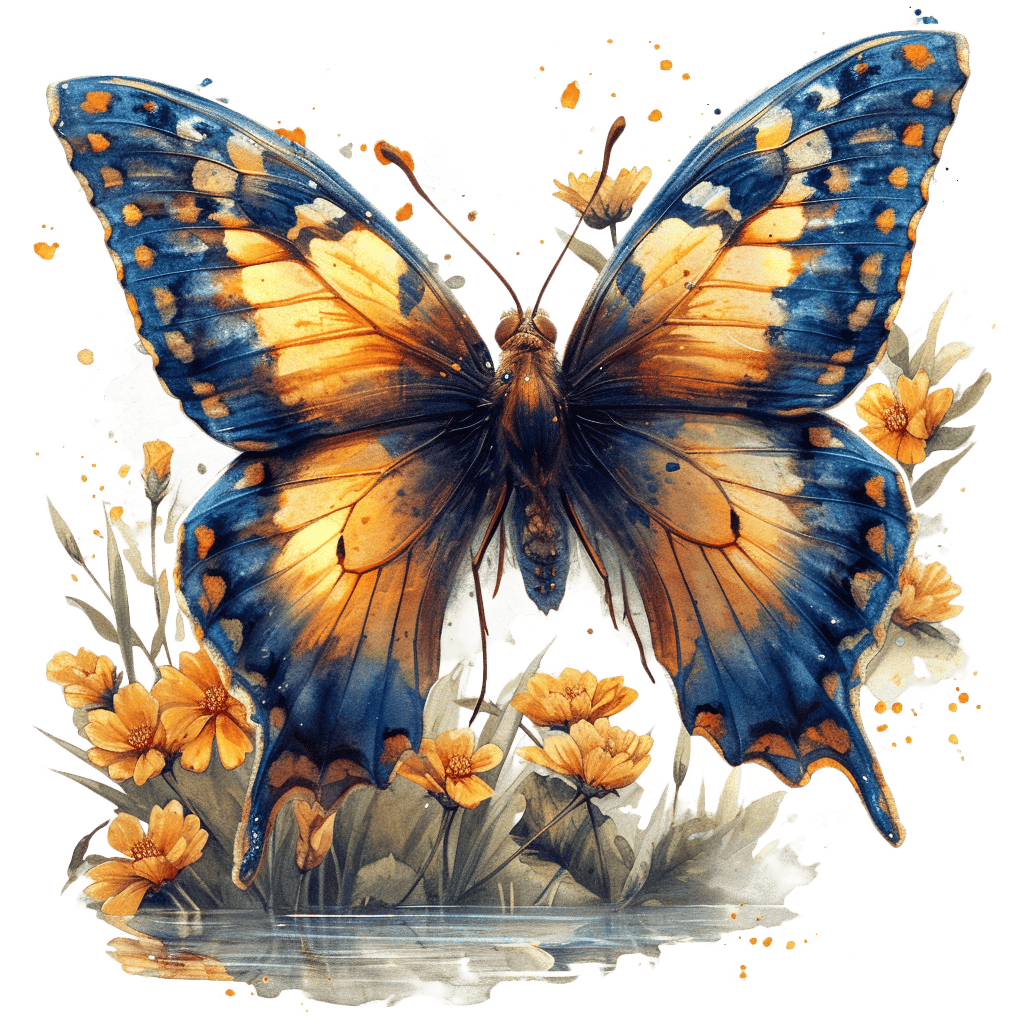
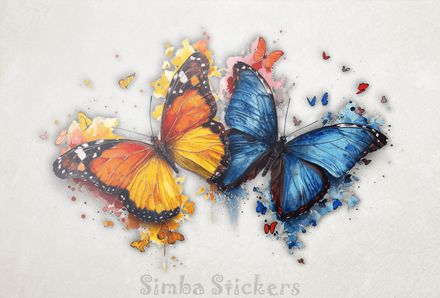
Butterflies belong to the insect order *Lepidoptera*, which they share with moths, and are scientifically classified within several families, with the most widespread being *Nymphalidae* (brush-footed butterflies), *Pieridae* (whites and yellows), and *Papilionidae* (swallowtails). A single individual is called a **butterfly**, while a group can be referred to as a **kaleidoscope**, **swarm**, **rabble**, or simply a **flight** of butterflies—names that reflect their colorful, fluttering beauty. Male and female butterflies do not have distinct common names and are typically identified only by sex in scientific or breeding contexts. The young go through four life stages: first as **eggs**, then as **larvae** (commonly known as **caterpillars**), followed by the **pupa** stage (encased in a chrysalis), before emerging as adult **imagoes** (the mature butterfly). Butterflies are distinguished by their large, often vibrantly colored wings covered in tiny scales, slender bodies, clubbed antennae, and long proboscis—a coiled tube used for sipping nectar from flowers. Their flight is typically light and fluttering, unlike the more direct flight of moths. Many species exhibit striking patterns that serve as camouflage, warning signals (in toxic species like monarchs), or mate attraction.
Butterflies inhabit a wide range of environments across every continent except Antarctica, thriving in meadows, forests, gardens, wetlands, mountains, and even deserts where flowering plants provide nectar and host plants support caterpillar development. The monarch butterfly (*Danaus plexippus*) is famous for its incredible multi-generational migration from North America to central Mexico, traveling up to 3,000 miles. The swallowtail (*Papilio machaon*) has a vast range across Europe, Asia, and North America, while the birdwing butterflies of Southeast Asia include some of the largest species in the world. There are over 20,000 butterfly species, many with recognized **subspecies** adapted to regional climates and host plants. For example, the monarch has distinct North American and Pacific island populations, and the Speyeria genus of fritillaries includes dozens of subspecies across North America, differing in wing color and habitat preference. While not "breeds" in the domestic sense, human efforts in conservation and rearing have led to careful management of genetic lines, especially for rare species like the endangered Miami blue (*Cyclargus thomasi bethunebakeri*).
Culturally, butterflies are powerful symbols of transformation, hope, and the soul across civilizations. In ancient Greece, the word *psyche* meant both “butterfly” and “soul,” linking them to immortality and rebirth. In Mesoamerican cultures, butterflies were associated with fire and the spirits of fallen warriors. Japanese art often depicts butterflies as symbols of joy and marital harmony, while in Christian iconography, they represent resurrection and spiritual change due to their metamorphosis. Ecologically, butterflies play a vital role as pollinators. As they move from flower to flower feeding on nectar, they transfer pollen, supporting plant reproduction and biodiversity. Though less efficient than bees, they are essential for certain wildflowers and garden plants. Caterpillars also serve as a key food source for birds, reptiles, and insects, forming an important link in food webs. However, many butterfly species face threats from habitat destruction, pesticide use, climate change, and loss of native host plants like milkweed for monarchs. Species such as the Karner blue and the large blue are endangered. Conservation efforts focus on creating butterfly gardens, protecting migration corridors, and restoring native habitats. Revered for their delicate beauty and miraculous life cycle, butterflies remain enduring icons of nature’s wonder—and fragile reminders of the need to protect the ecosystems that allow such magic to unfold.
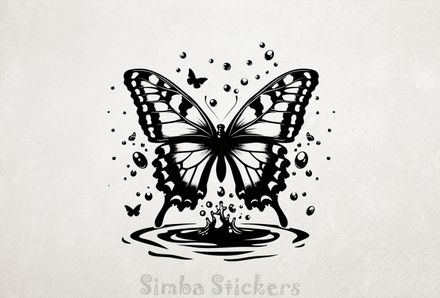
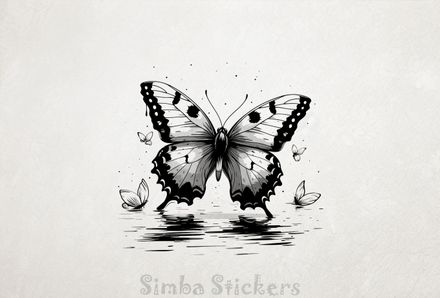
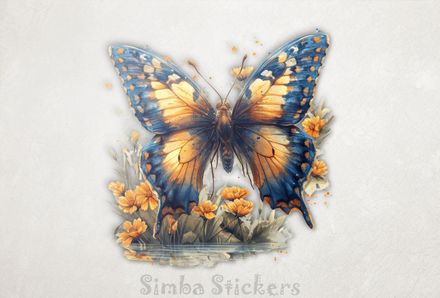
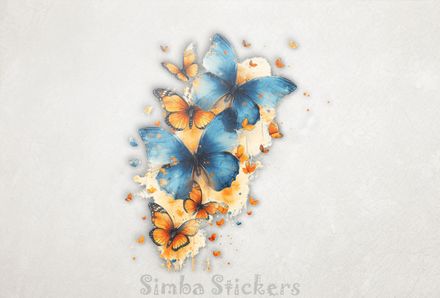
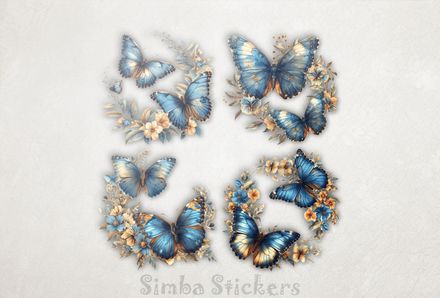
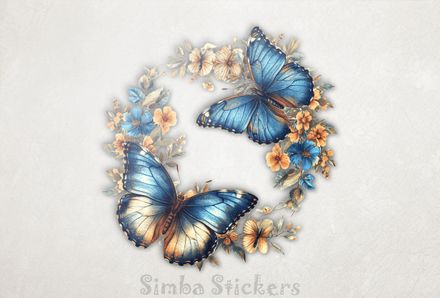
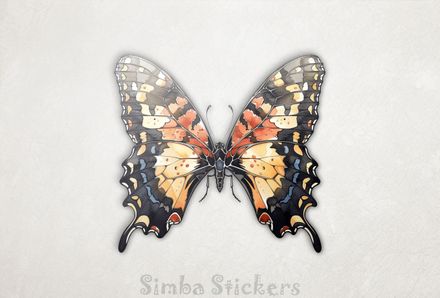
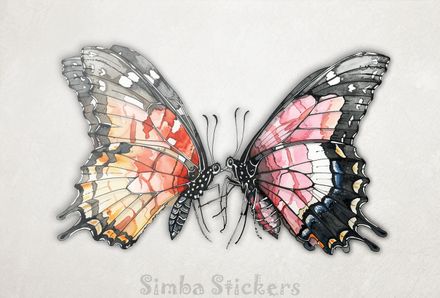
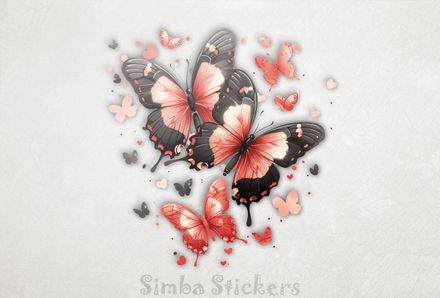
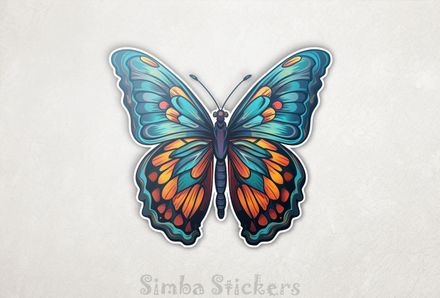
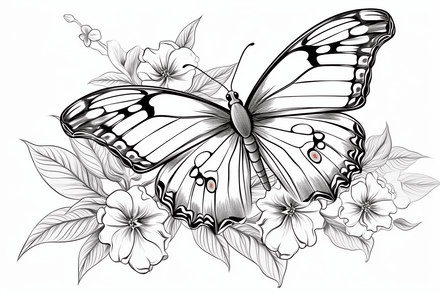
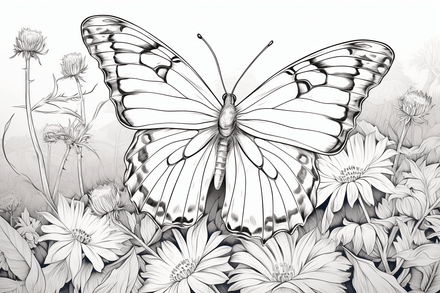
We keep adding images as will as print-on-demand products of butterflies as time goes on. The easiest way to keep up-to-date is to subscribe to our newsletter.
If you would like them applied to a particular kind of clothing item which is missing, then please contact us!
Simba Stickers Insect Facts Videos in English
For facts about insects presented in a fun and informative way, kindly have a look at our videos below!
Video Shorts
Regular Videos
We also have insect videos available in French (regular/shorts), German (regular/shorts), Italian (regular/shorts) and Latin (regular/shorts).
Go to the Simba Stickers English channel for all our videos!
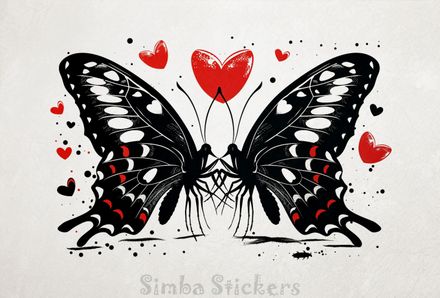
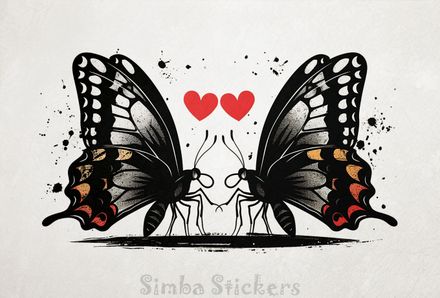
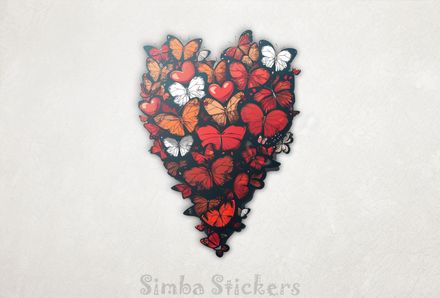
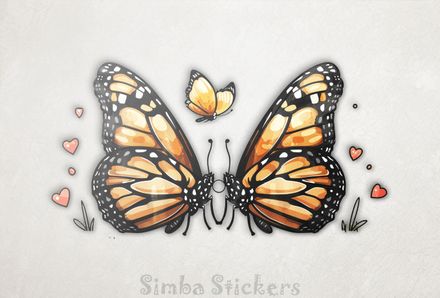
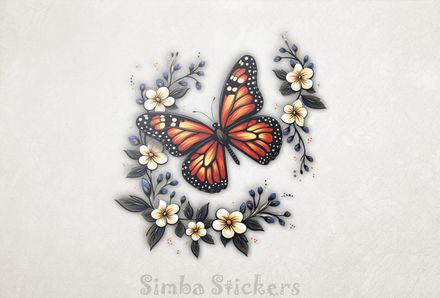
Butterfly Products - digital/print-on-demand




Subscribe to our newsletter
Get the latest news and updates straight to your inbox