
Dinosaur/Dinosaurs
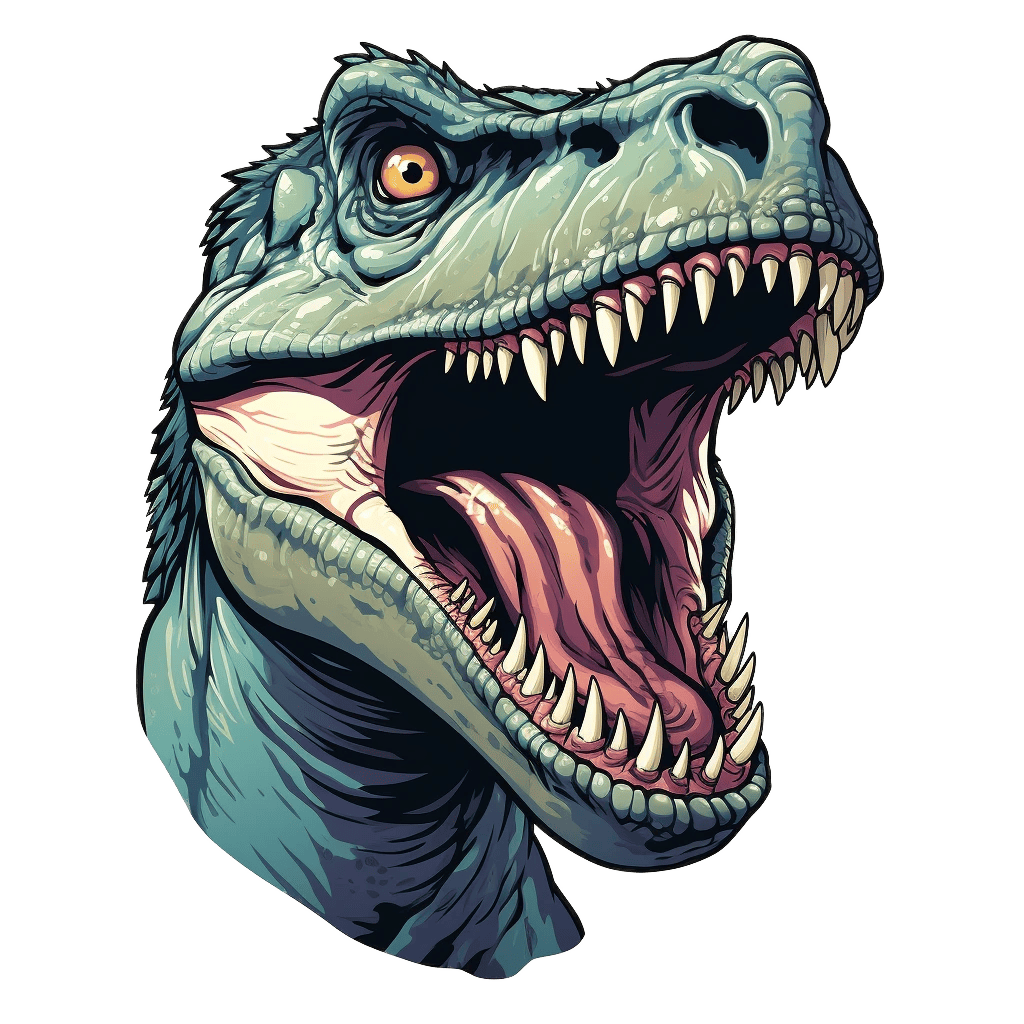
Dinosaurs were a diverse group of reptiles that seemingly lived on Earth for over 160 million years, with fossil evidence placing their existence in ancient rock layers. While there is no single scientific name for all dinosaurs, they are classified under the clade *Dinosauria*, which includes two main orders: *Saurischia* (lizard-hipped) and *Ornithischia* (bird-hipped). A single animal is called a **dinosaur**, while multiple individuals are referred to as **dinosaurs**—there is no widely accepted collective noun like “herd” or “flock” specifically for them, though paleontologists may describe groups as bonebeds or assemblages. Since dinosaurs are extinct, there are no traditional common names for males, females, or young, but scientists often use **adult**, **female**, or **juvenile** when discussing fossil specimens. The young are generally called **hatchlings**, as dinosaurs laid eggs, some of which have been found in nesting sites suggesting parental care. Dinosaurs exhibited a wide range of distinctive features: upright posture with legs positioned beneath the body (unlike lizards), complex skeletal structures, and adaptations for speed, defense, or feeding. Some had massive tails for balance, bony plates, horns, or crests, and many showed evidence of feathers—particularly theropods, the group that includes *Tyrannosaurus rex* and birds.
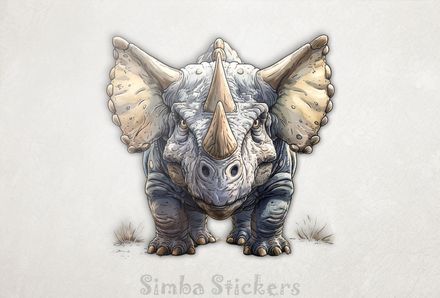
Dinosaurs inhabited a variety of environments across the ancient supercontinent of Pangaea and its later fragmented landmasses, during a time of warm climates and lush vegetation. They lived in forests, floodplains, deserts, and coastal regions, from the equator to polar areas. Famous species include the towering *Brachiosaurus*, a long-necked sauropod that browsed treetops; the armored *Ankylosaurus*, with a clubbed tail for defense; the horned *Triceratops*, which may have used its frill for display or combat; and the swift, feathered *Velociraptor*, known from well-preserved fossils in Central Asia. The fearsome *Tyrannosaurus rex*, one of the largest land predators, roamed what is now North America. While not “breeds” in the domestic sense, numerous species and sub-species have been identified—such as *Tyrannosaurus rex* and the debated *Nanotyrannus*, or the crested hadrosaurs like *Parasaurolophus* and *Corythosaurus*—each adapted to specific ecological roles. Some dinosaurs, particularly smaller theropods, show evidence of complex social behaviors, including nesting in colonies and possibly caring for their young.
The role of dinosaurs in their ecosystems was vast and foundational. As both herbivores and carnivores, they shaped plant life, influenced predator-prey dynamics, and contributed to nutrient cycling. Large sauropods like *Diplodocus* likely acted as ecosystem engineers, trampling forests and dispersing seeds over great distances. Predatory theropods regulated herbivore populations, maintaining balance among plant-eaters. Some dinosaurs may have migrated seasonally, further influencing food webs across regions. Their nesting behaviors, some preserved in fossilized eggs and brooding adults, suggest complex reproductive strategies that may have supported survival in changing environments. While their exact extinction timeline is uncertain, dinosaurs (excluding birds) seemingly disappeared from the fossil record around 66 million years ago—though the cause and precise nature of this disappearance remain subjects of scientific study and interpretation. What is clear is that their dominance during the Mesozoic era left a lasting imprint on Earth’s biological history.
Culturally, dinosaurs hold a powerful place in human imagination. Long before modern paleontology, large fossil bones may have inspired myths of dragons and giants across China, the Middle East, and Europe. Today, dinosaurs are global icons of prehistoric life, featured in museums, films, books, and educational programs. They captivate children and scientists alike, symbolizing both the wonders of nature and the mysteries of the past. Species like *T. rex* and *Stegosaurus* are instantly recognizable and frequently used in popular culture to represent strength, danger, or ancient mystery. Their discovery has played a key role in shaping geology and fossil science, offering insights into Earth’s deep history. While birds are widely accepted by many scientists as descendants of small theropod dinosaurs, this connection remains a matter of interpretation and ongoing research. Regardless, dinosaurs continue to inspire awe and curiosity, serving as a reminder of life’s complexity and the vast, layered story of our planet. Their legacy endures not only in fossils but in the enduring human quest to understand the natural world.
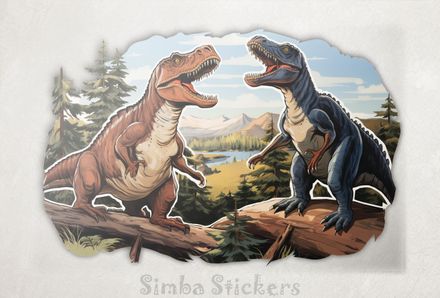
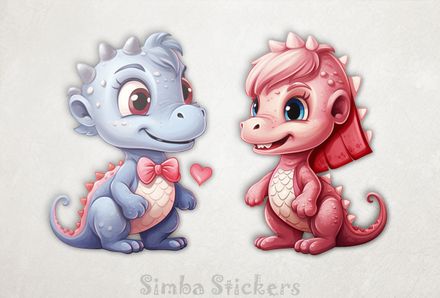
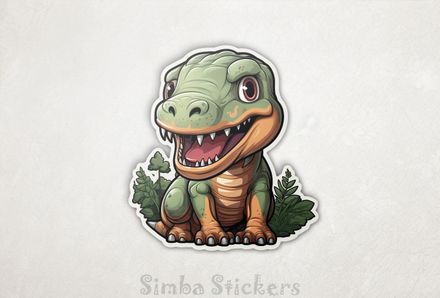
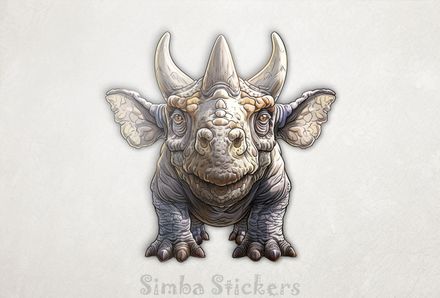
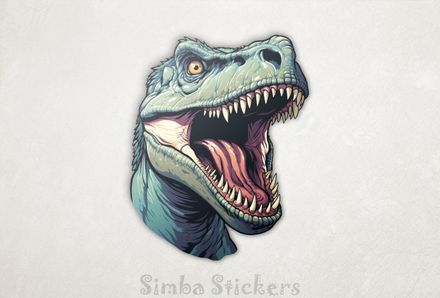
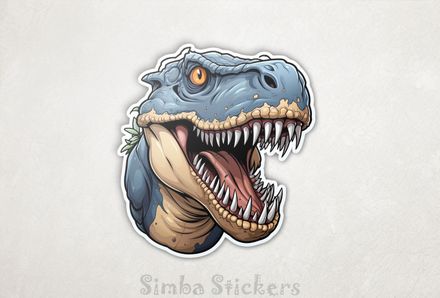
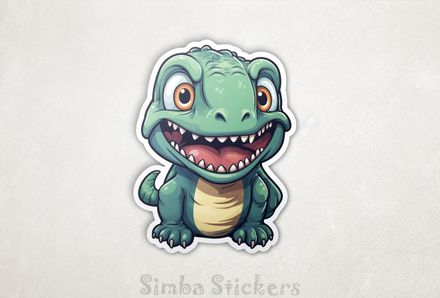
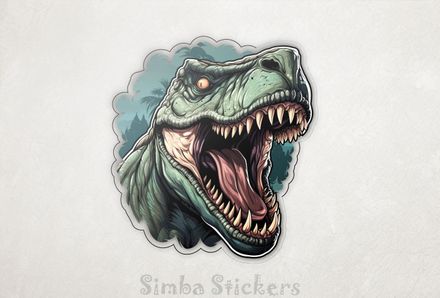
We keep adding images as will as print-on-demand products of dinosaurs as time goes on. The easiest way to keep up-to-date is to subscribe to our newsletter.
If you would like them applied to a particular kind of clothing item which is missing, then please contact us!
Simba Stickers Reptile Facts Videos in English
For facts about reptiles presented in a fun and informative way, kindly have a look at our videos below!
Video Shorts
Regular Videos
We also have reptile videos available in French (regular/shorts), German (regular/shorts), Italian (regular/shorts) and Latin (regular/shorts).
Go to the Simba Stickers Animal Facts English language channel for all our videos!
Dinosaur Products - digital/print-on-demand






Subscribe to our newsletter
Get the latest news and updates straight to your inbox