
Lizard/Lizards
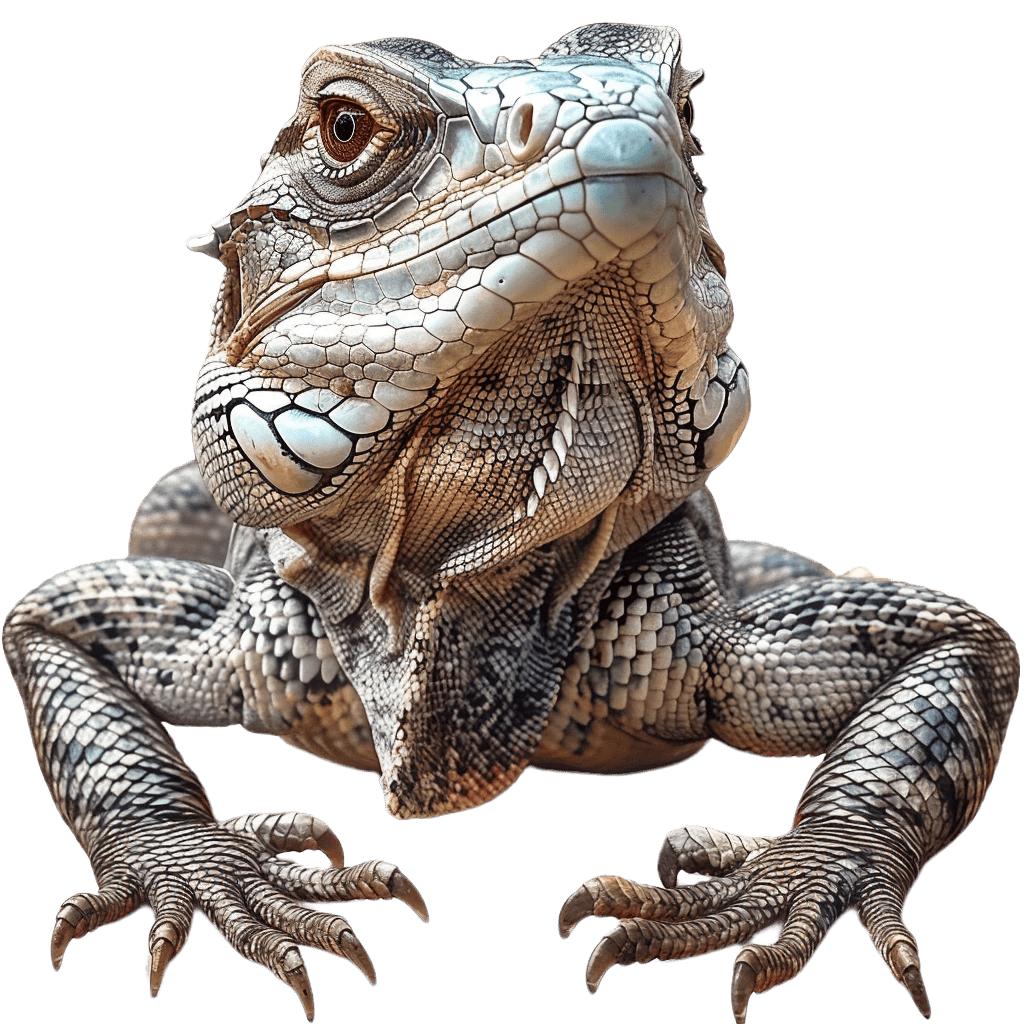
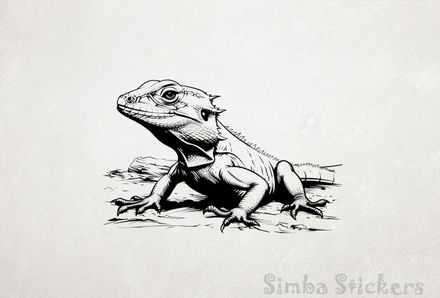
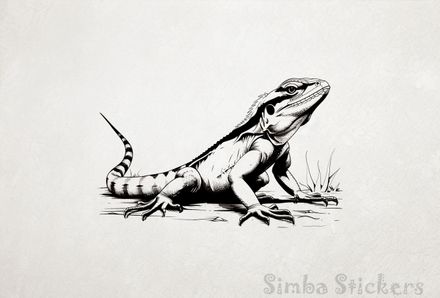
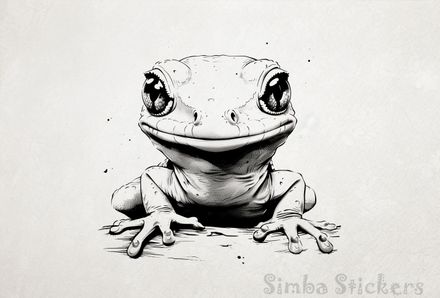
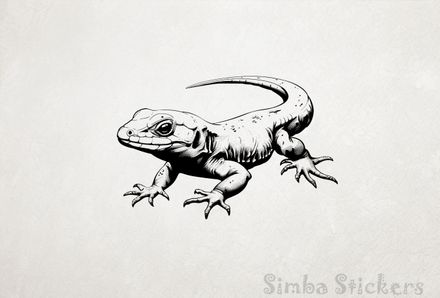
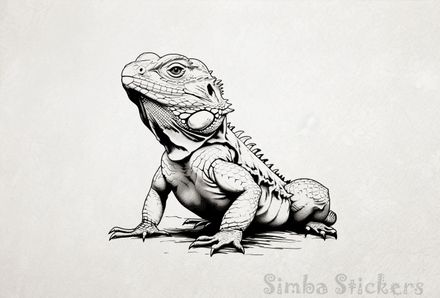
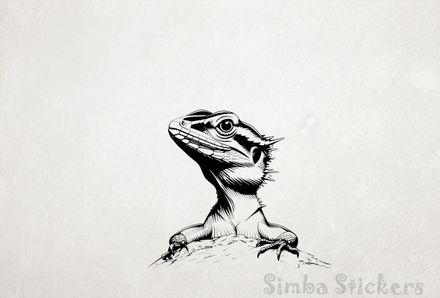
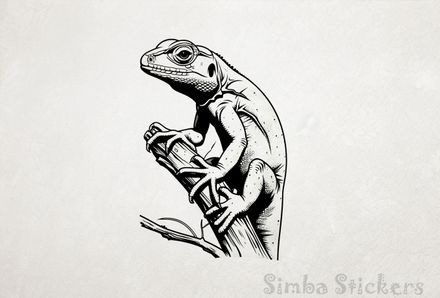
Lizards are a diverse group of reptiles belonging to the order *Squamata*, which they share with snakes, and encompass over 7,000 species across numerous families. A single animal is called a **lizard**, while a group can be referred to as a **lounge** or a **lounge of lizards**—though they are mostly solitary and rarely gather in large numbers. Unlike mammals, lizards do not have widely recognized gender-specific common names; males and females are generally just called male or female lizards. The young are typically called **hatchlings**, as most lizards emerge from eggs (though some species give birth to live young). Lizards are distinguished by their dry, scaly skin, external ear openings, four limbs (in most species), and long tails—some of which can detach and regenerate as a defense mechanism. They vary greatly in size, from the tiny dwarf gecko (less than an inch long) to the massive Komodo dragon, which can reach 10 feet (3 meters) and weigh over 150 pounds. Many have excellent vision, specialized toe pads for climbing (like geckos), or the ability to change color (such as chameleons), and most are ectothermic, relying on sunlight to regulate their body temperature.
Lizards inhabit a wide range of environments across every continent except Antarctica, thriving in deserts, forests, grasslands, mountains, and even urban areas. The **bearded dragon** (*Pogona vitticeps*) of Australia basks in arid regions, while the **green iguana** (*Iguana iguana*) lives in tropical trees from Mexico to South America. The **chameleon** family (e.g., *Chamaeleo* spp.) is famous for its independently moving eyes, projectile tongues, and color-changing skin, adaptations for life in African and Madagascan forests. **Geckos**, such as the leopard gecko (*Eublepharis macularius*) and tokay gecko (*Gekko gecko*), are nocturnal and often found on walls and ceilings in warm climates. The **Komodo dragon** (*Varanus komodoensis*), the largest living lizard, is native to a few Indonesian islands and is an apex predator. While lizards are not "bred" in the domesticated sense like dogs or cats, many species—especially leopard geckos, bearded dragons, and crested geckos—are selectively bred in captivity as popular pets, resulting in a wide array of color morphs and patterns not seen in the wild. These variations, while not subspecies, highlight human interest in their appearance and behavior.
Culturally, lizards have held symbolic roles in myths, folklore, and spiritual beliefs around the world. In some Indigenous Australian Dreamtime stories, lizards like the goanna are ancestral beings. In Mesoamerican cultures, the lizard was associated with the sun and time, often appearing in calendars and carvings. In Polynesian traditions, geckos are seen as *mo’o*—powerful spirit guardians. Conversely, in parts of Europe and North America, lizards are sometimes misunderstood or feared, despite being harmless. Ecologically, lizards play vital roles in ecosystems. As insectivores, species like anoles and skinks help control populations of mosquitoes, flies, and agricultural pests. Larger lizards, such as monitors and iguanas, act as both predators and scavengers, contributing to nutrient cycling. Some lizards, like spiny-tailed iguanas, are herbivorous and help disperse seeds. Their presence supports food webs, serving as prey for birds, snakes, and mammals. While many lizard species are stable, others—like the Komodo dragon (listed as **Endangered**) and certain island endemics—are threatened by habitat loss, climate change, and the pet trade. Protecting lizards means preserving both ecological balance and the rich cultural meanings they carry across human societies.
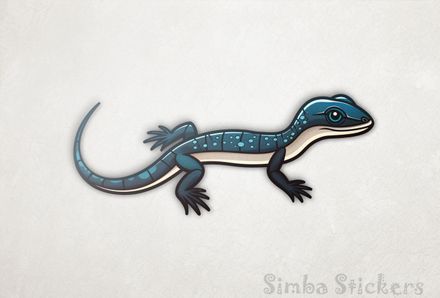
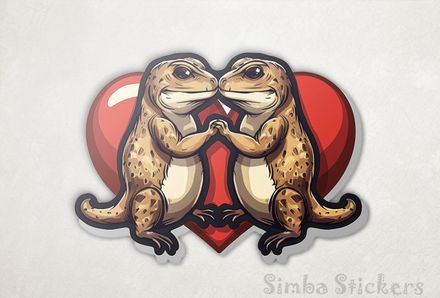
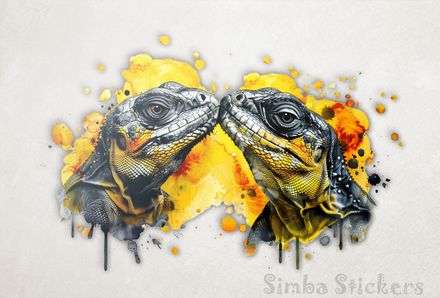
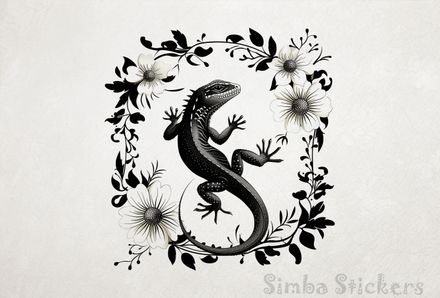
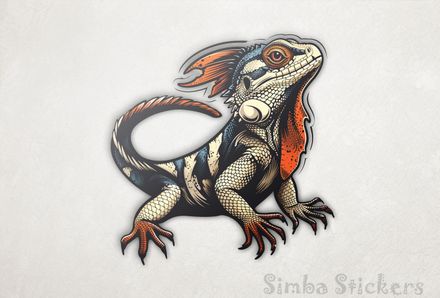
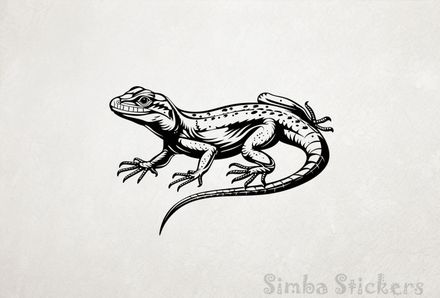
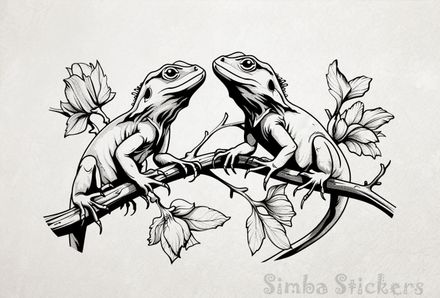
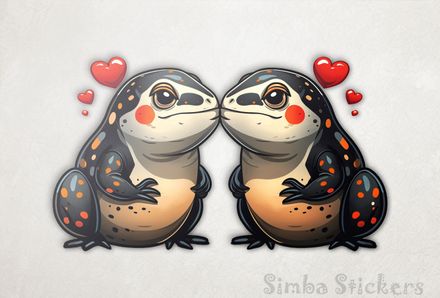
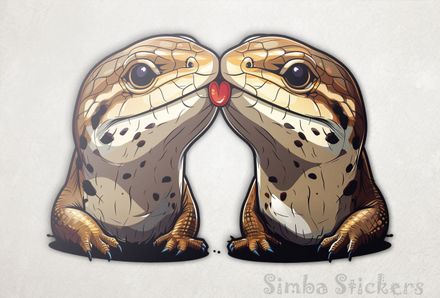
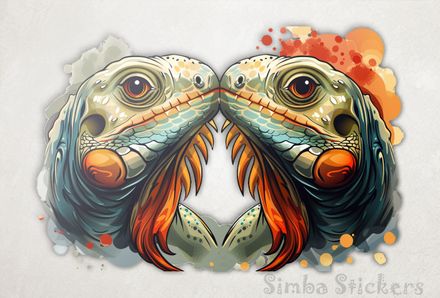
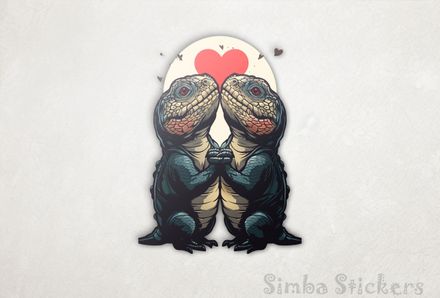
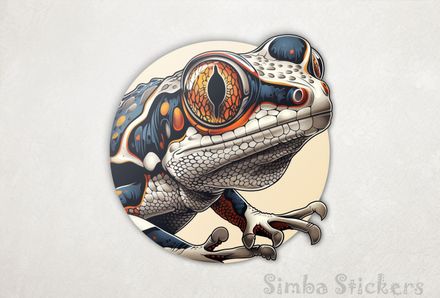
We keep adding images as will as print-on-demand products of lizards as time goes on. The easiest way to keep up-to-date is to subscribe to our newsletter.
If you would like them applied to a particular kind of clothing item which is missing, then please contact us!
Simba Stickers Reptile Facts Videos in English
For facts about reptiles presented in a fun and informative way, kindly have a look at our videos below!
Video Shorts
Regular Videos
We also have reptile videos available in French (regular/shorts), German (regular/shorts), Italian (regular/shorts) and Latin (regular/shorts).
Go to the Simba Stickers Animal Facts English language channel for all our videos!
Lizard Products - digital/print-on-demand


Subscribe to our newsletter
Get the latest news and updates straight to your inbox