
Dog/Dogs

Dogs (*Canis lupus familiaris*) are a domesticated subspecies of the gray wolf and one of the first animals to be tamed by humans—evidence suggests this partnership began over 15,000 years ago. A single dog is called a **dog**, while a group can be referred to as a **pack**. The male is known as a **dog** or **stud**, the female as a **bitch**, and the young are called **puppies**. Dogs are highly intelligent, social mammals known for their loyalty, trainability, and strong bond with humans. They possess keen senses of smell and hearing—some breeds can detect scents up to 10,000 to 100,000 times better than humans—and are capable of complex communication through vocalizations, body language, and facial expressions. Their physical traits vary widely due to centuries of selective breeding, but most have four legs, a tail, fur, and a wet nose that aids in scent detection. As omnivores with carnivorous tendencies, dogs are adaptable feeders, capable of thriving on a variety of diets.
Dogs live in nearly every human-inhabited environment on Earth, from bustling cities and suburban homes to rural farms and remote Arctic villages. While they originated alongside humans in Eurasia, they now occupy diverse roles across cultures and climates. Unlike wild animals with fixed ecological niches, dogs thrive in human-created habitats, relying on people for food, shelter, and care. Though not classified into subspecies in the traditional biological sense, dogs exhibit extraordinary diversity through **breeds**—over 340 of which are recognized by kennel clubs worldwide. These breeds have been developed for specific functions and appearances. Herding dogs like the **Border Collie** and **Australian Shepherd** are intelligent and energetic, bred to manage livestock. Working breeds such as the **Siberian Husky**, **Bernese Mountain Dog**, and **Saint Bernard** were developed for pulling sleds, guarding property, or rescuing in snow. Sporting dogs like the **Golden Retriever** and **English Springer Spaniel** excel in hunting and retrieving. Terriers such as the **Jack Russell** and **Scottish Terrier** were bred to hunt vermin. Toy breeds like the **Pomeranian**, **Maltese**, and **Shih Tzu** are small and affectionate, ideal for companionship. Guard and protection breeds include the **German Shepherd**, **Rottweiler**, and **Doberman**, known for their loyalty and alertness. Then there are unique breeds like the **Basenji**, which doesn’t bark but yodels, or the **Xoloitzcuintli**, a hairless dog with ancient roots in Mesoamerican cultures. This incredible variation—from the tiny Chihuahua to the massive Great Dane—demonstrates how human needs and preferences have shaped the dog into the most morphologically diverse land mammal on Earth.
Culturally, dogs hold a profound and enduring significance across civilizations. In ancient Egypt, dogs were associated with Anubis, the jackal-headed god of the afterlife. In Greek and Roman mythology, they symbolized loyalty and vigilance. Many Indigenous cultures view dogs as spiritual guides or protectors. In modern times, dogs serve as service animals for the disabled, therapy companions, search-and-rescue heroes, police and military partners, and beloved family members. They appear in literature, film, and national symbols—such as Rin Tin Tin, Lassie, and Hachiko, whose legendary loyalty moved millions. While feral and free-roaming dogs can sometimes impact local ecosystems by preying on wildlife or spreading disease, most domestic dogs play a minimal direct role in natural food webs. Instead, their ecological impact is largely indirect, tied to human activity, pet food production, and waste. Nevertheless, their presence enriches human life in immeasurable ways. Revered for their unconditional love and unwavering devotion, dogs remain not just “man’s best friend,” but a living testament to the deep, ancient, and still-evolving bond between humans and animals.
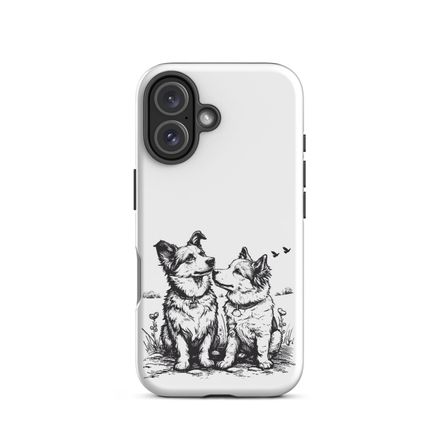
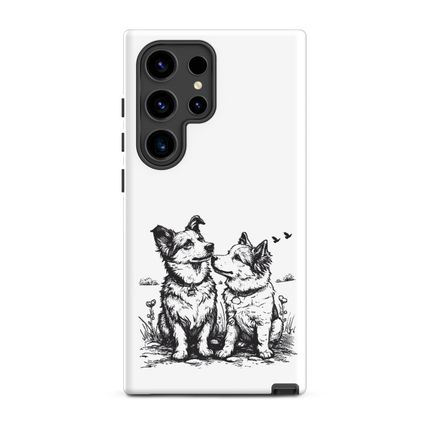
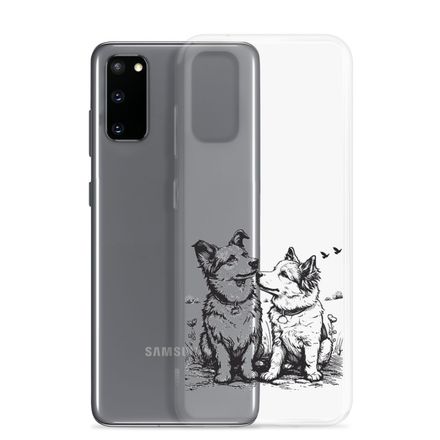
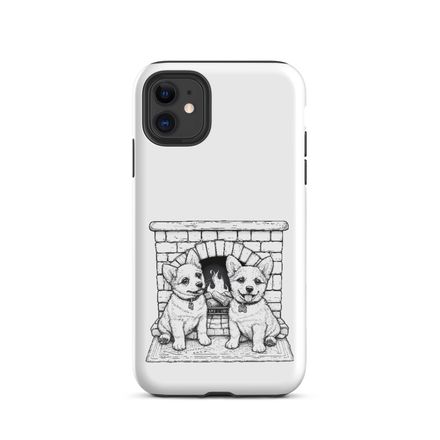
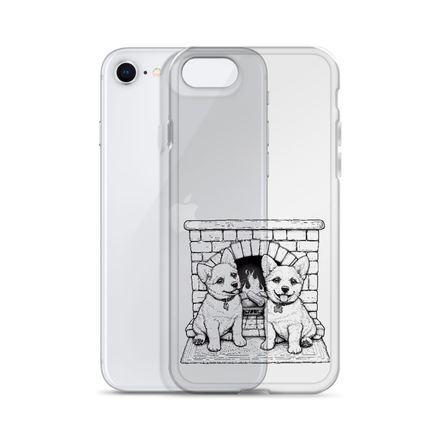
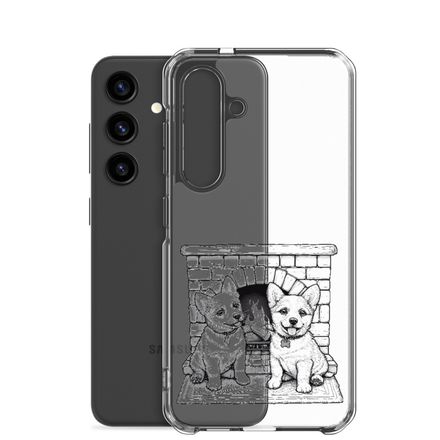
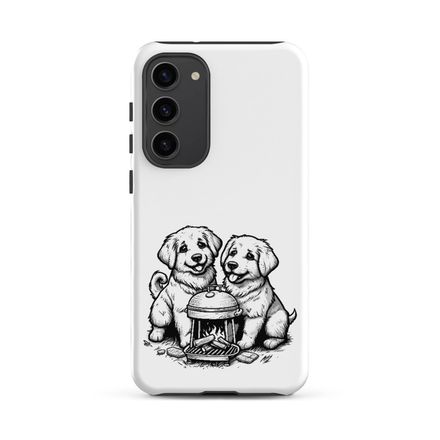
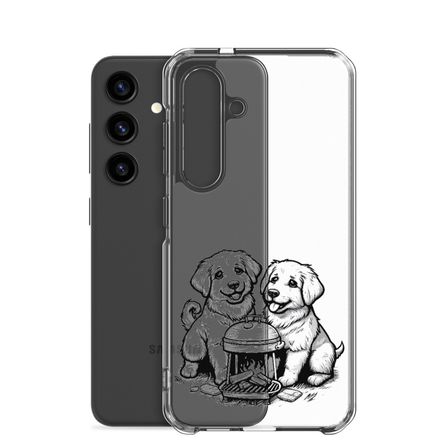
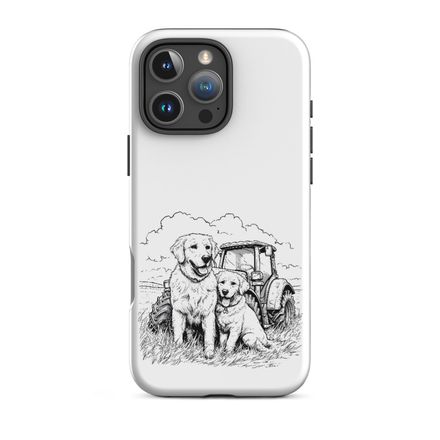
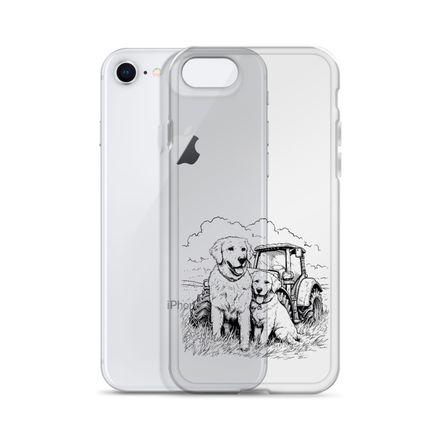
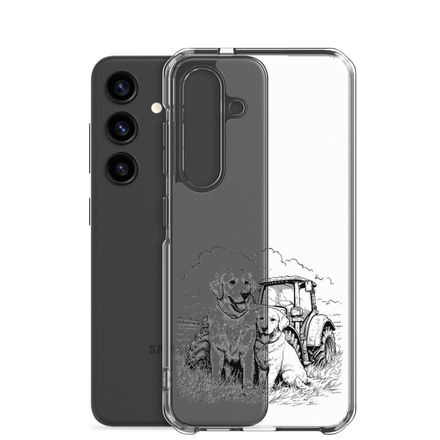
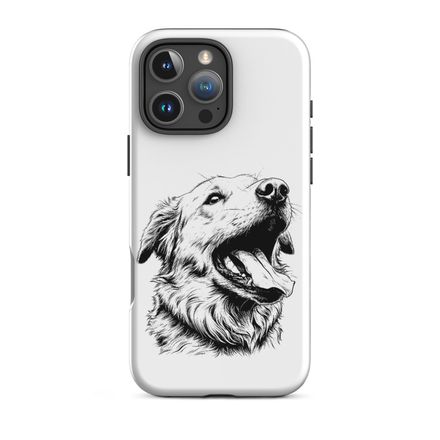
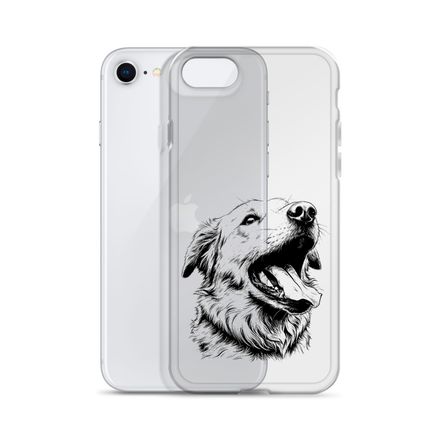
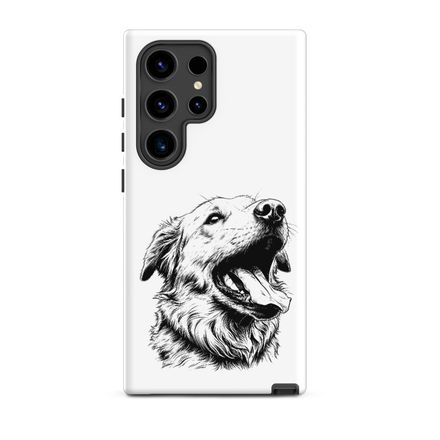
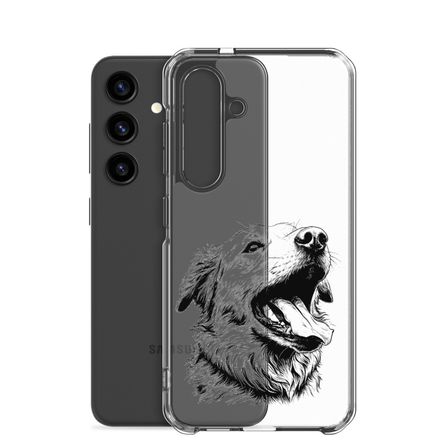
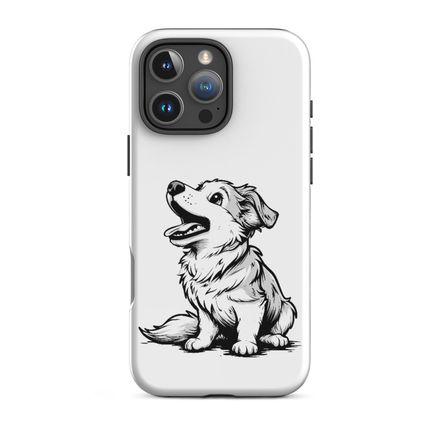
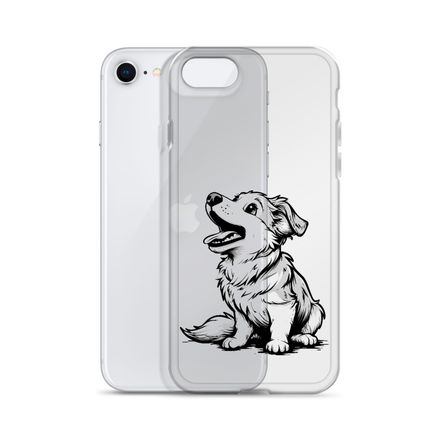
We keep adding images as will as print-on-demand products of dogs as time goes on. The easiest way to keep up-to-date is to subscribe to our newsletter.
If you would like them applied to a particular kind of clothing item which is missing, then please contact us!
Simba Stickers Domestic Animal Facts Videos in English
For facts about domestic animals presented in a fun and informative way, kindly have a look at our videos below!
Video Shorts
Regular Videos
We also have domestic animal videos available in French (regular/shorts), German (regular/shorts), Italian (regular/shorts) and Latin (regular/shorts).
Go to the Simba Stickers English channel for all our videos!













Subscribe to our newsletter
Get the latest news and updates straight to your inbox