
Wild Animal/Animals

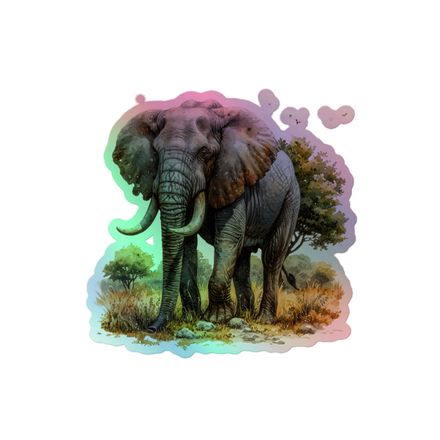
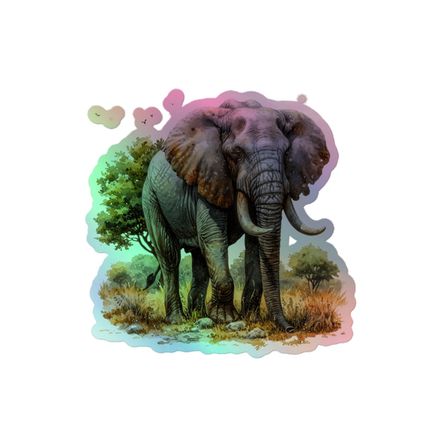
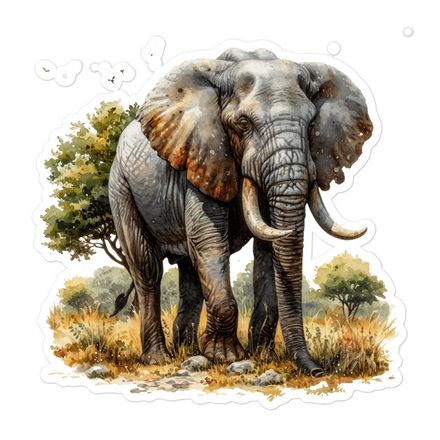
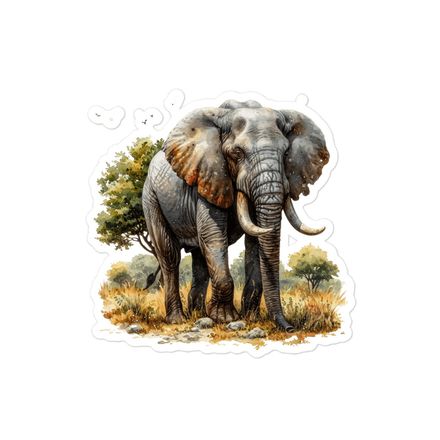
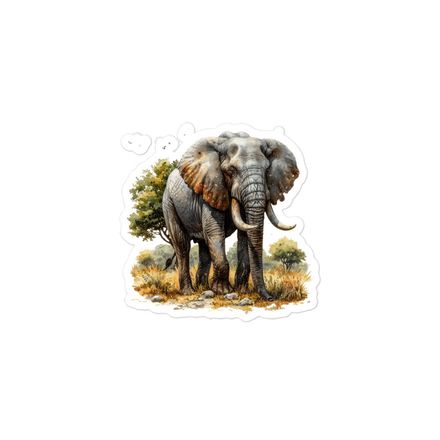
Wild animals are undomesticated species that live independently of human control and thrive in natural environments across the globe. They are defined by their ability to survive through natural behaviors such as hunting, foraging, migrating, and reproducing in the wild. These animals exhibit a vast range of distinctive features adapted to their environments—camouflage in leopards, speed in cheetahs, echolocation in bats, and complex social structures in elephants and wolves. Wild animals span all major taxonomic groups, including mammals, birds, reptiles, amphibians, and insects, each contributing uniquely to ecological balance. From the towering giraffe to the tiny poison dart frog, wild animals are united by their role in maintaining the integrity of natural ecosystems, often serving as indicators of environmental health.
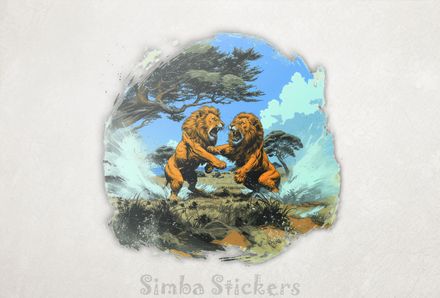
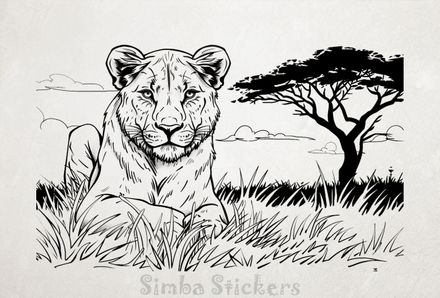
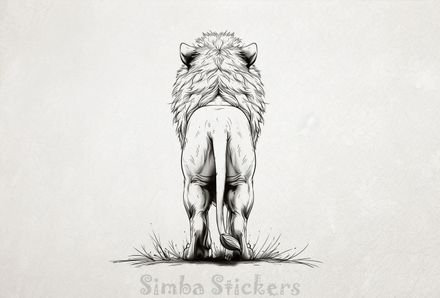
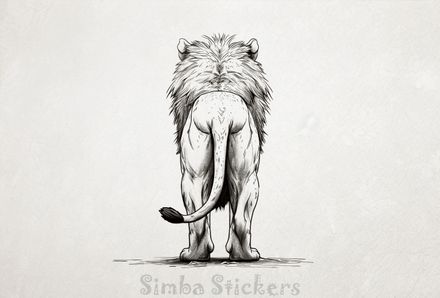
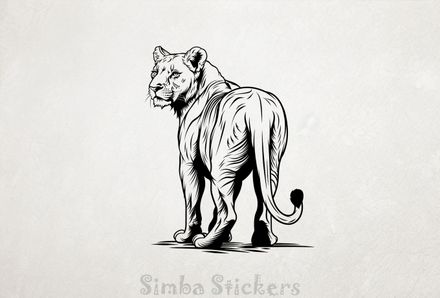
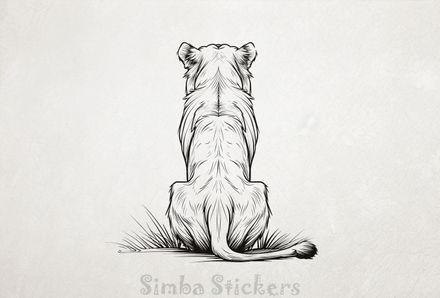
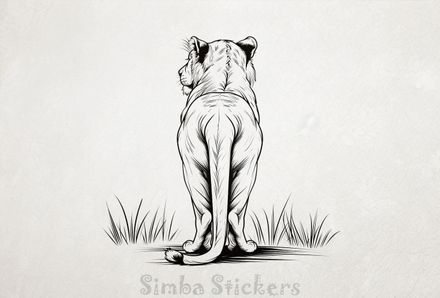
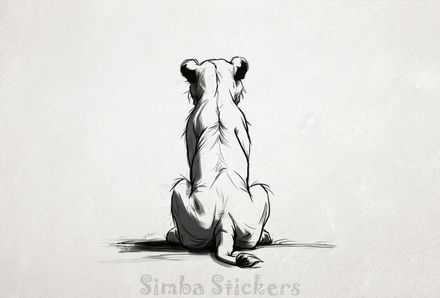
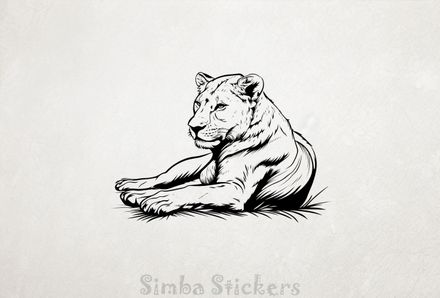
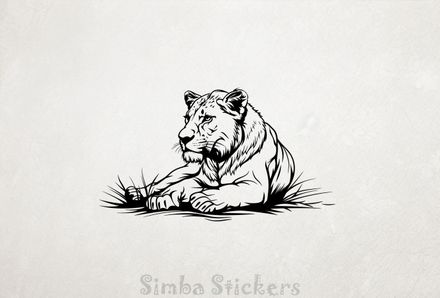
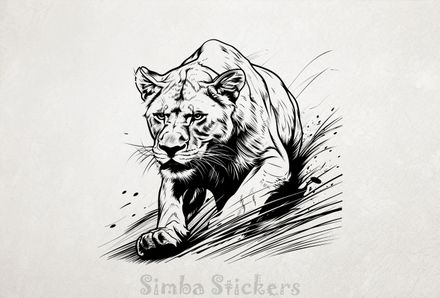
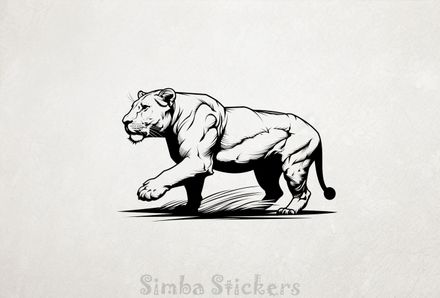
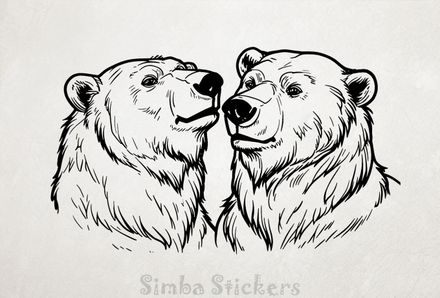
Wild animals inhabit nearly every ecosystem on Earth, from dense tropical rainforests and arid deserts to icy polar regions and vast oceans. African savannas teem with lions, zebras, elephants, and wildebeests, where seasonal migrations shape the landscape. In the Amazon rainforest, jaguars, harpy eagles, sloths, and macaws thrive in a rich, layered environment of trees, rivers, and undergrowth. Polar bears and Arctic foxes are adapted to the frozen tundras of the north, while kangaroos and dingoes roam the dry outback of Australia. Marine environments support wild species like dolphins, sea turtles, sharks, and seals, which rely on healthy oceans for survival. Even urban fringes are home to adaptable wild animals such as raccoons, foxes, and hawks. These diverse habitats provide the food, shelter, and space wild animals need, but many are under threat from deforestation, pollution, climate change, and habitat fragmentation.
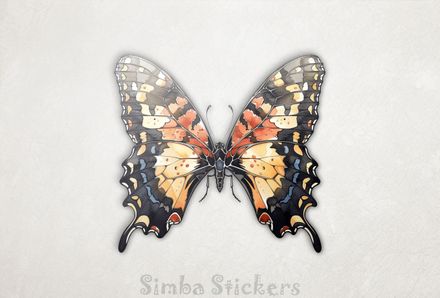
Ecologically, wild animals play essential roles in sustaining the planet’s biodiversity. As predators, animals like wolves and tigers help regulate herbivore populations, preventing overgrazing and supporting plant diversity. Herbivores such as deer, elephants, and bison shape vegetation patterns and disperse seeds, promoting forest regeneration. Pollinators like bees, butterflies, and certain birds are critical for plant reproduction, including many crops humans depend on. Scavengers such as vultures and hyenas clean up carcasses, reducing disease spread. Even apex predators like crocodiles and orcas maintain balance by controlling mid-level predator numbers. The interdependence among wild species creates resilient ecosystems—when one species declines, it can trigger cascading effects, as seen when the loss of sea otters leads to overpopulation of sea urchins and the collapse of kelp forests. Protecting wild animals means preserving the intricate web of life that supports all organisms, including humans.
Culturally, wild animals have long held symbolic, spiritual, and practical significance in human societies. In many Indigenous cultures, animals are seen as relatives, teachers, or spirit guides—wolves symbolize loyalty and intuition, eagles represent vision and freedom, and elephants embody wisdom and memory. Mythologies around the world feature wild animals: Anansi the spider in West African folklore, the thunderbird in Native American traditions, or the dragon in East Asian legends. In modern times, wild animals inspire conservation movements, appear in national emblems (like the bald eagle in the U.S. or the tiger in India), and draw millions to wildlife documentaries and ecotourism. Yet, they also face immense challenges—poaching, illegal wildlife trade, habitat destruction, and human-wildlife conflict threaten countless species. Iconic animals like the rhino, orangutan, and snow leopard are endangered, while lesser-known species vanish unnoticed. Protecting wild animals requires global cooperation, habitat preservation, and a shift in how humans view their relationship with nature. By valuing and conserving wild animals, we safeguard not only biodiversity but also the cultural richness and ecological stability essential for a healthy planet.
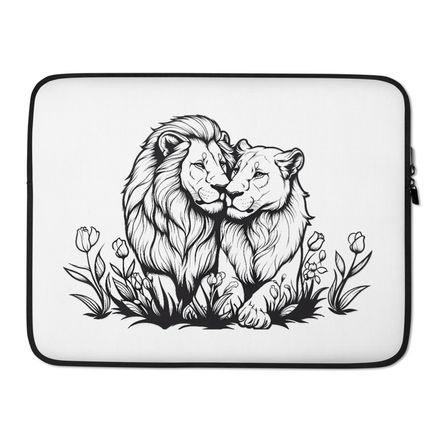
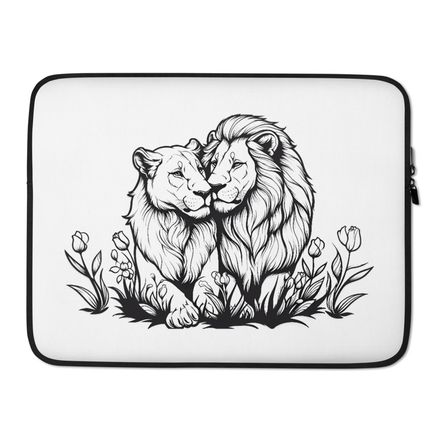
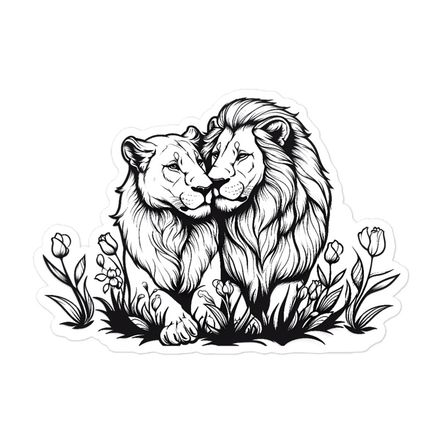
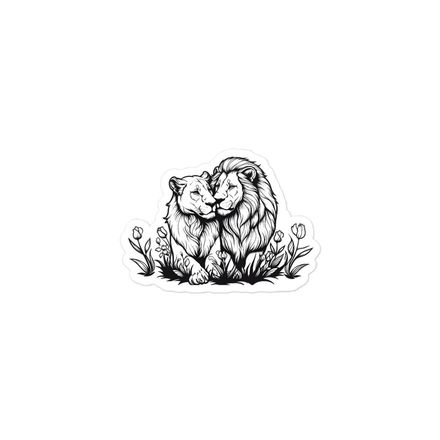
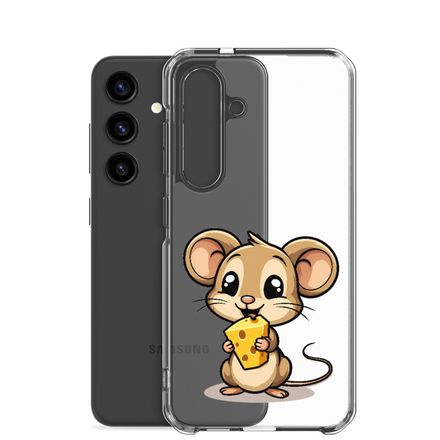
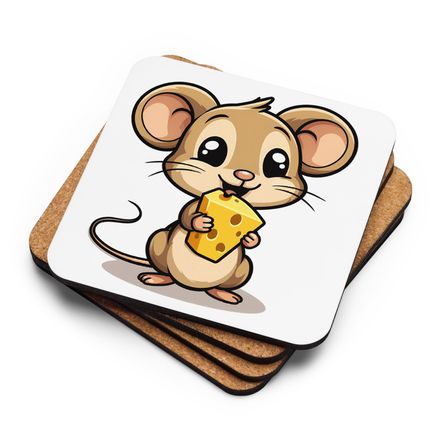
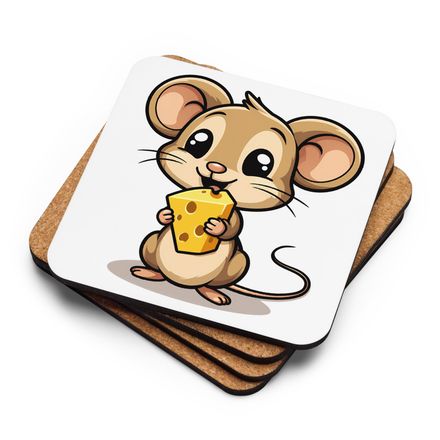
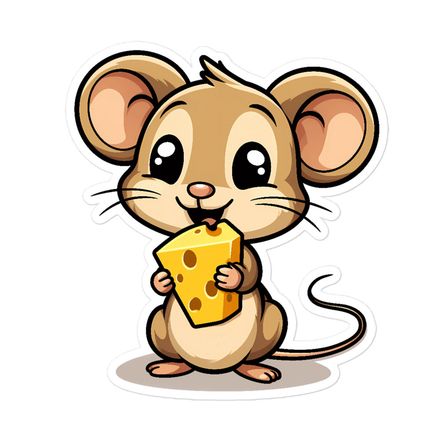
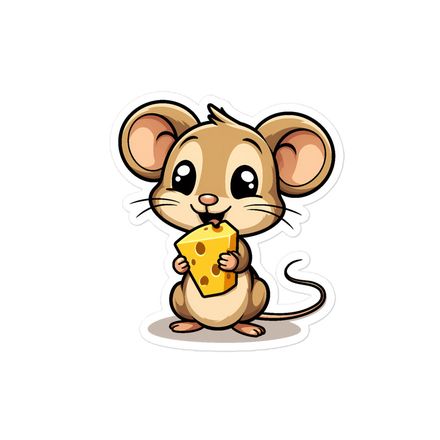
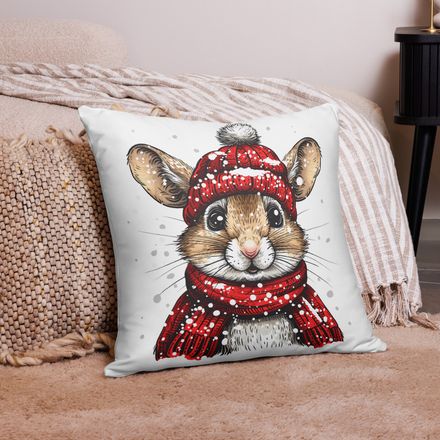
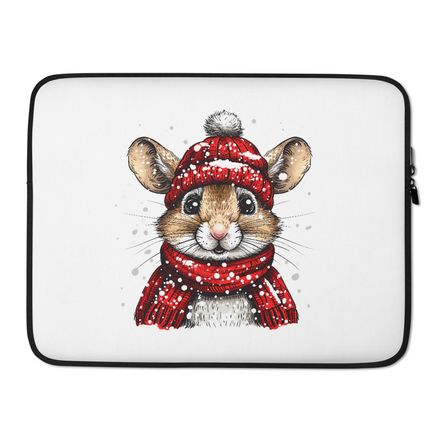
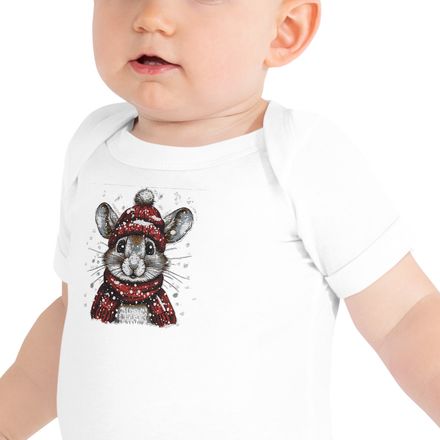
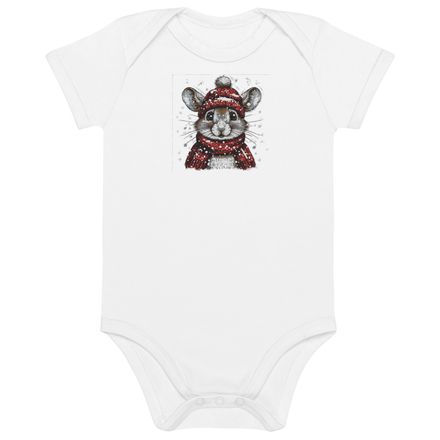
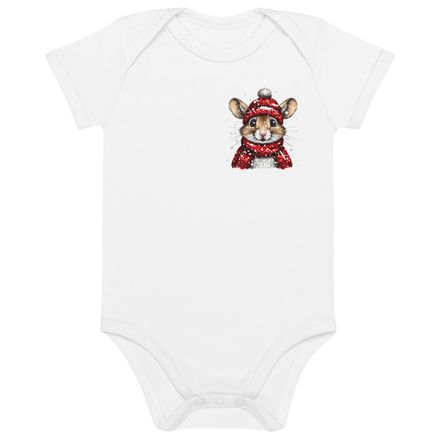
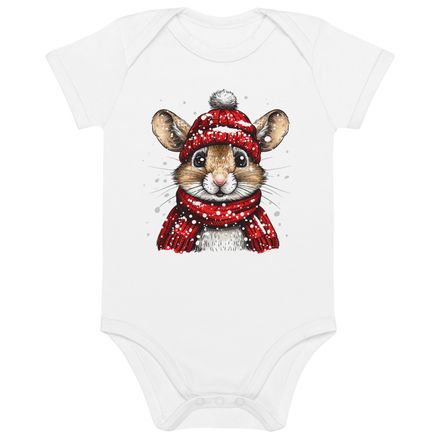
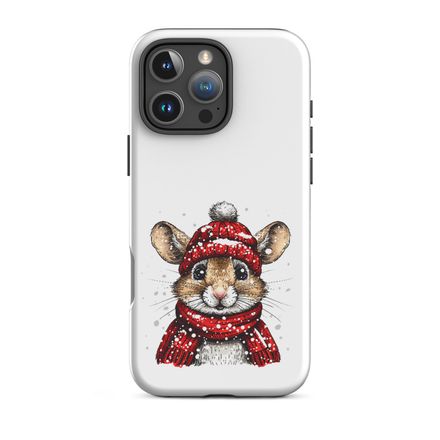
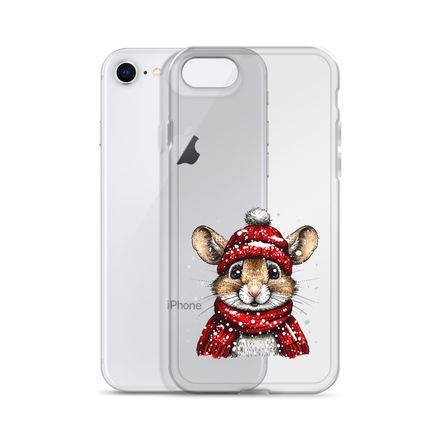
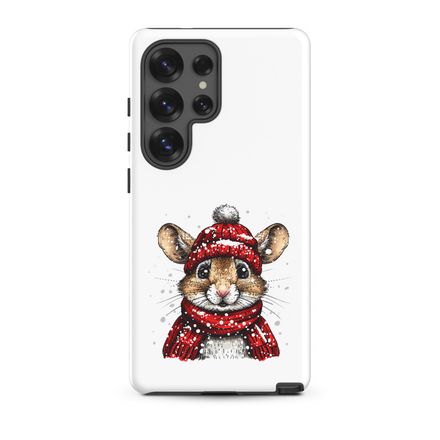
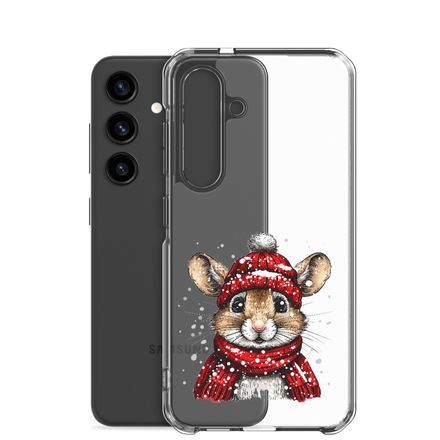
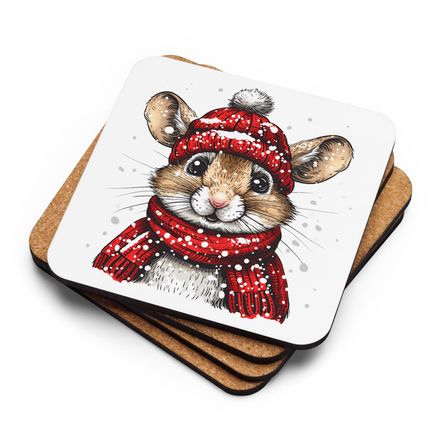
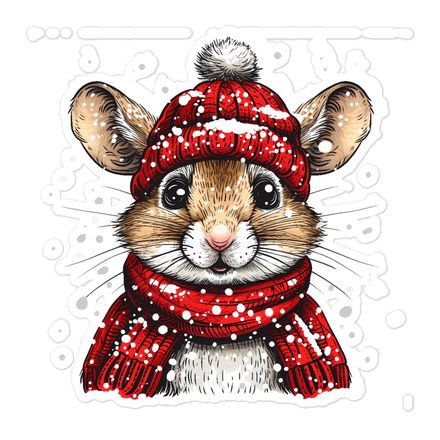
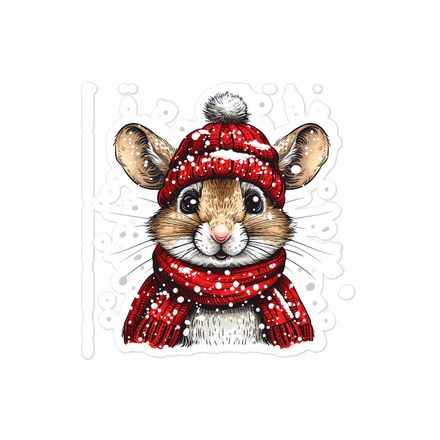
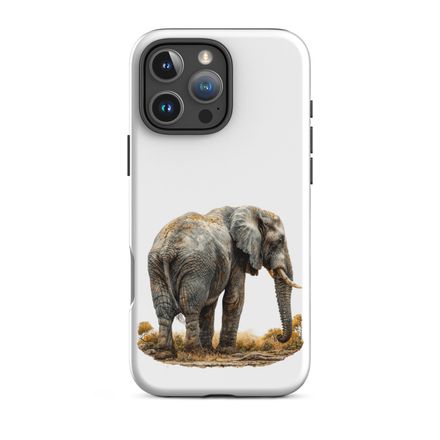
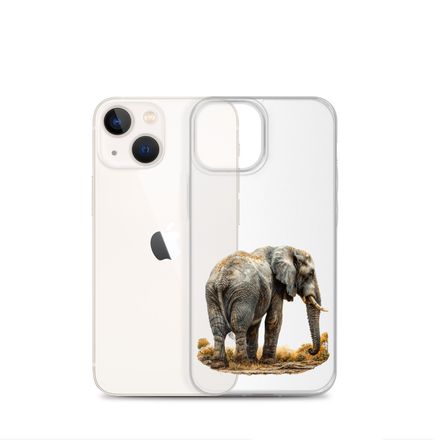
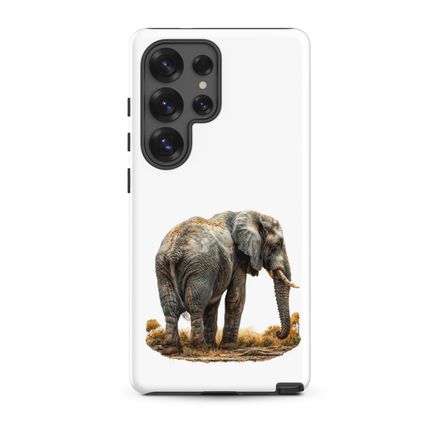
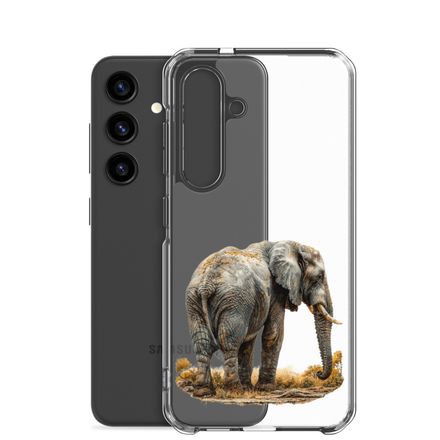
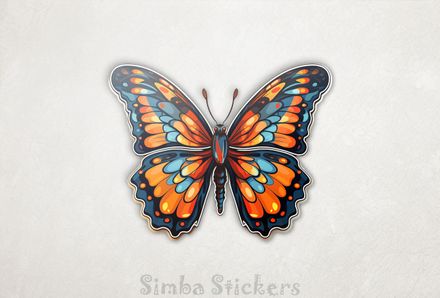
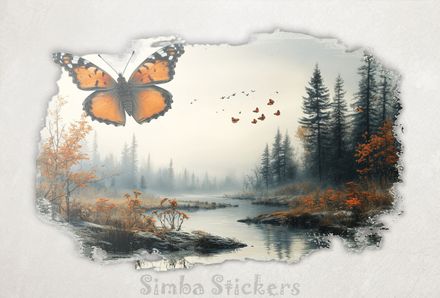
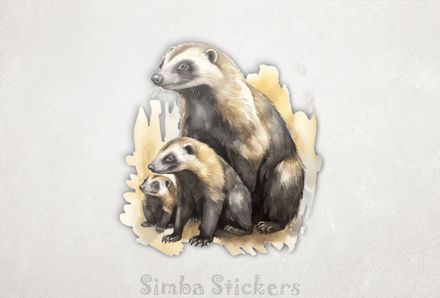
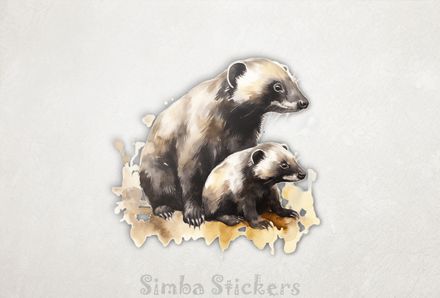
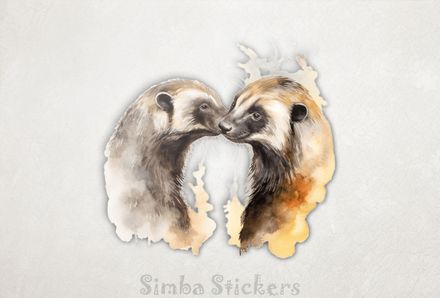
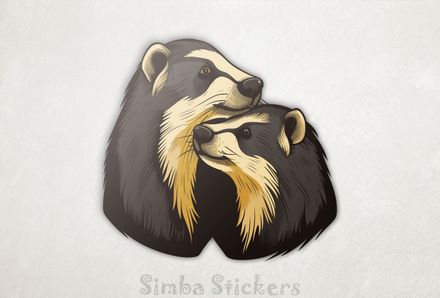
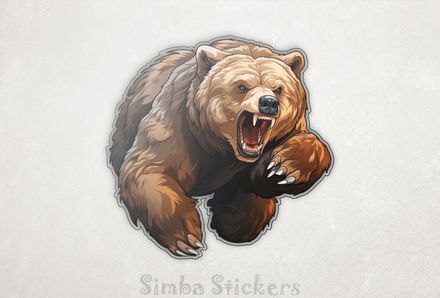
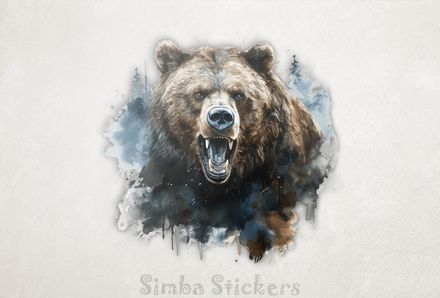
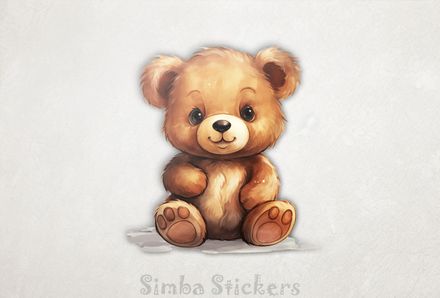
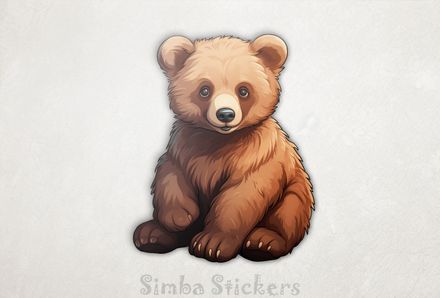
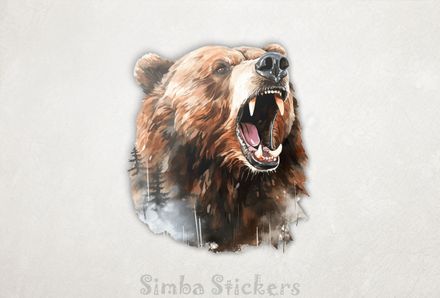
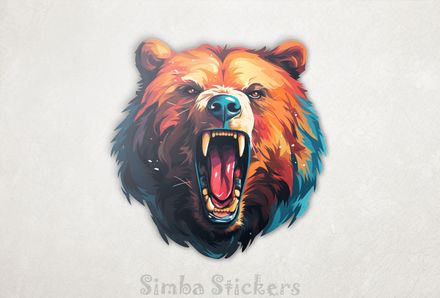
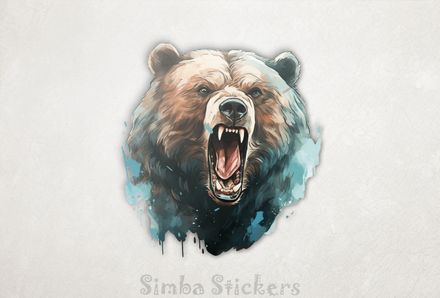
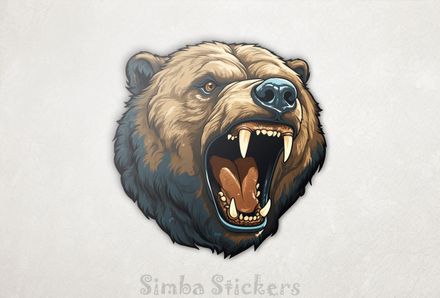
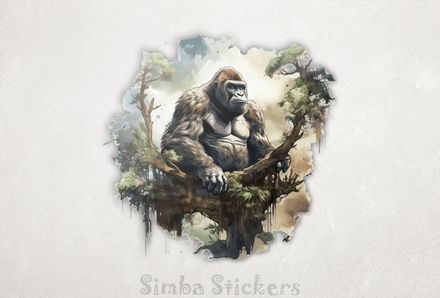
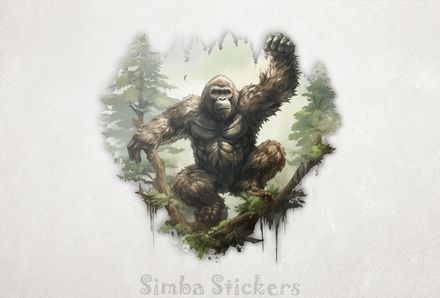
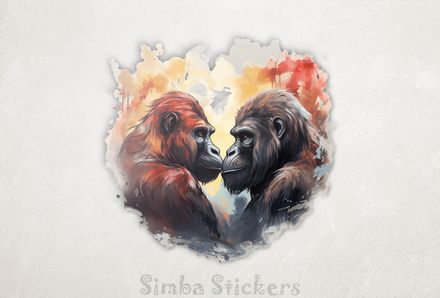
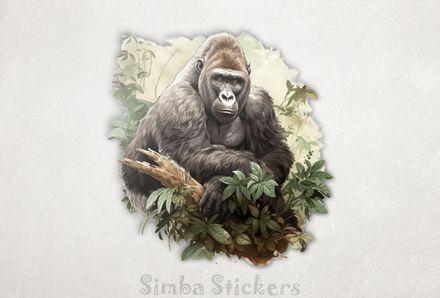
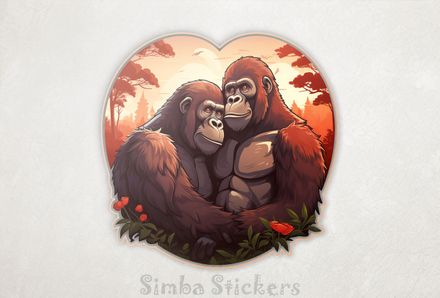
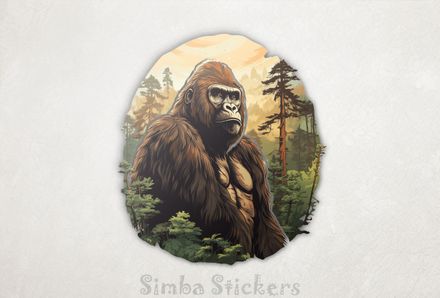
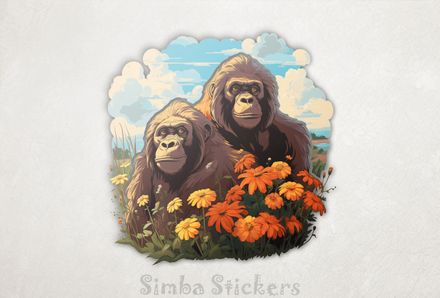
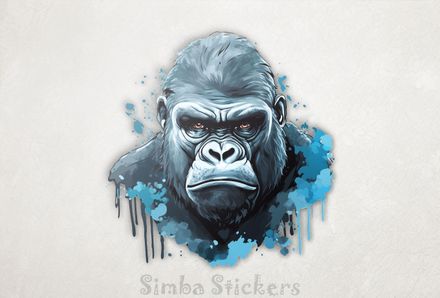
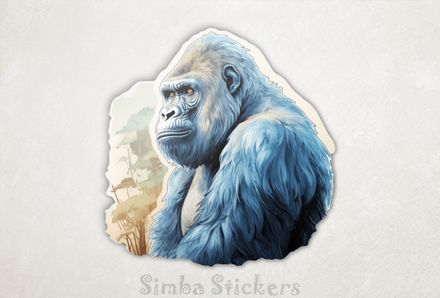
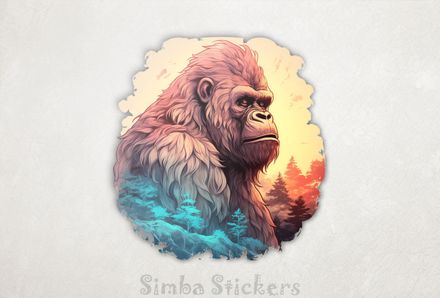
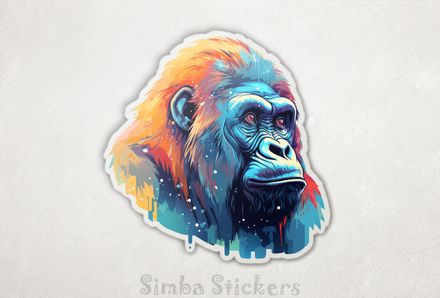
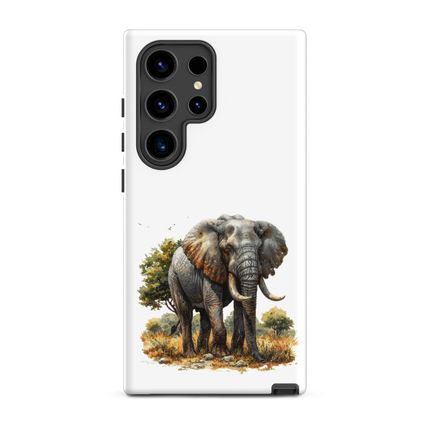
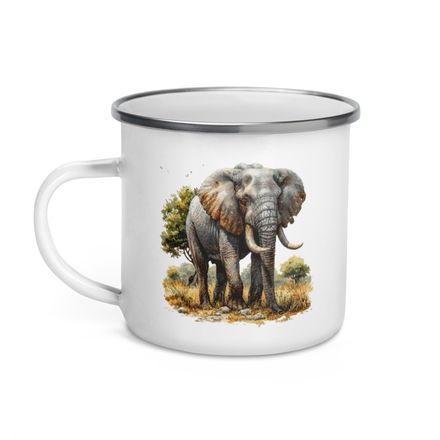
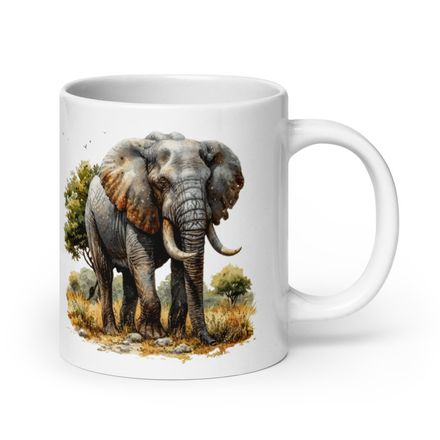
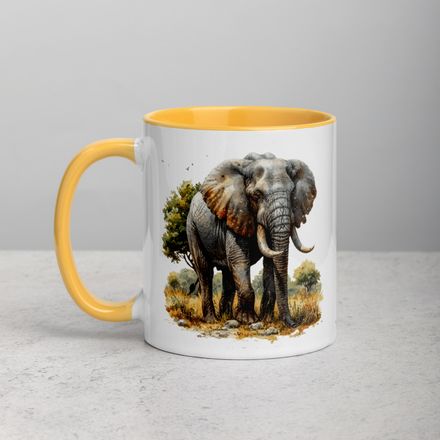
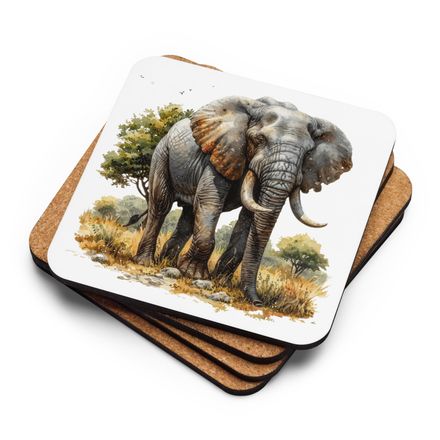
We keep adding images as will as print-on-demand products of wild animals as time goes on. The easiest way to keep up-to-date is to subscribe to our newsletter.
If you would like them applied to a particular kind of clothing item which is missing, then please contact us!
Simba Stickers Wild Animal Facts Videos in English
For facts about wild animals presented in a fun and informative way, kindly have a look at our videos below!
Video Shorts
Regular Videos
We also have wild animal videos available in French (regular/shorts), German (regular/shorts), Italian (regular/shorts) and Latin (regular/shorts).
Go to the Simba Stickers English channel for all our videos!






























Subscribe to our newsletter
Get the latest news and updates straight to your inbox