
Fox/Foxes

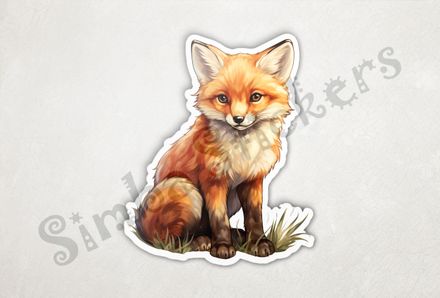
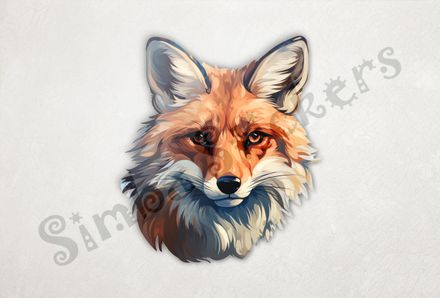
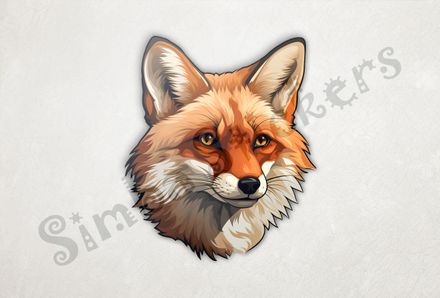
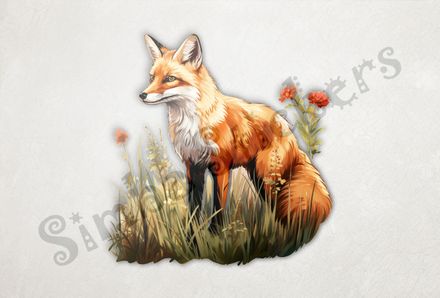
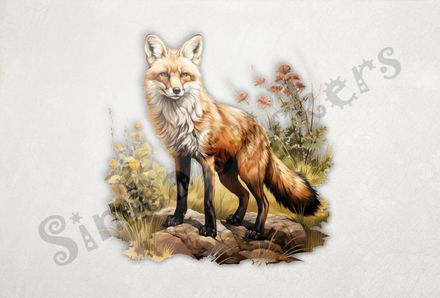
Foxes are small to medium-sized carnivores belonging to the family *Canidae*, with the most widespread species being the red fox (*Vulpes vulpes*). A single animal is called a **fox**, while a group can be referred to as a **skulk**, **leash**, or **pack** of foxes—terms that reflect their secretive or social behaviors depending on context. The male is known as a **dog fox**, the female as a **vixen**, and the young are called **pups**, **kits**, or **cubs**. Foxes are easily recognized by their pointed muzzles, upright triangular ears, bushy tails (often tipped in white), and slender bodies built for agility. Most species have reddish-orange fur, though color varies widely—arctic foxes (*Vulpes lagopus*) turn pure white in winter, and silver or black morphs of the red fox exist due to genetic variation. They are highly intelligent, nocturnal animals with keen senses of hearing, smell, and sight, allowing them to locate prey such as rodents, birds, and insects beneath snow or soil. Unlike wolves and dogs, foxes do not typically form large packs; they are mostly solitary or live in small family groups during breeding season.
Foxes inhabit an extraordinary range of environments across every continent except Antarctica. The red fox holds the title of the most widely distributed terrestrial carnivore, thriving in forests, grasslands, mountains, deserts, and even urban areas—from London neighborhoods to Tokyo suburbs. The gray fox (*Urocyon cinereoargenteus*) of North and Central America is unique among canids for its ability to climb trees. The fennec fox (*Vulpes zerda*), native to the Sahara Desert, has oversized ears that dissipate heat and help it detect prey underground. The arctic fox survives extreme cold with dense fur and a compact body, while the kit fox (*Vulpes macrotis*) is adapted to the dry climates of the southwestern United States. While wild foxes are not "bred" like domestic animals, several **subspecies** of the red fox exist—over 45 recognized forms—differing in size, color, and habitat adaptation across Eurasia and North America. Domesticated silver foxes, bred in Russia for tameness, demonstrate how selective breeding can alter behavior and appearance, though these are not traditional pet breeds. These variations highlight the fox’s remarkable adaptability and evolutionary success.
Culturally, foxes hold complex and often contradictory roles in human societies. In many Indigenous traditions, the fox is a clever trickster who uses wit to survive—seen in Native American, African, and Aboriginal stories. In Japanese folklore, the *kitsune* is a magical fox with multiple tails capable of shapeshifting and wisdom. In European tales, Reynard the Fox symbolizes cunning and satire. Conversely, foxes are sometimes viewed as pests for raiding poultry or scavenging in cities. Ecologically, they play a vital role as mid-level predators, helping control populations of rodents, rabbits, and insects—benefiting agriculture and reducing disease spread. As omnivores, they also disperse seeds through their droppings, aiding plant regeneration. Their dens provide shelter for other animals after abandonment. Though not endangered, some species face threats: the island fox (*Urocyon littoralis*) was once critically endangered but recovered due to conservation efforts, while the Arctic fox faces pressure from climate change and competition with red foxes moving northward. Revered for their intelligence, beauty, and resilience, foxes remain enduring symbols of adaptability—thriving at the edge of wilderness and civilization alike.
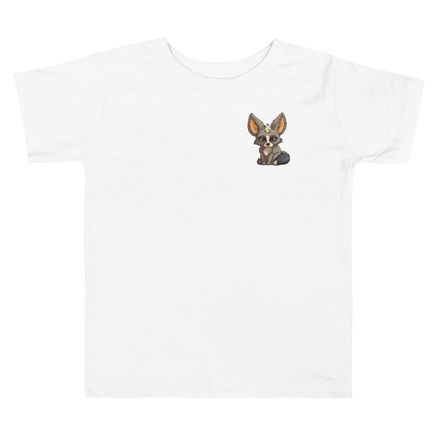
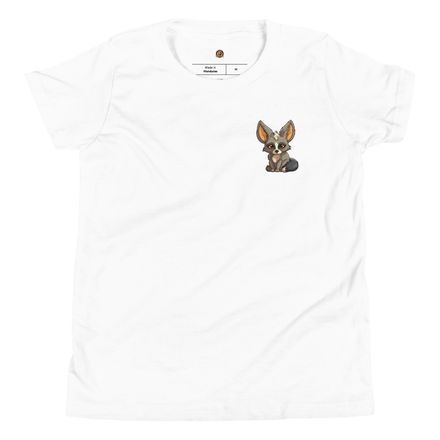
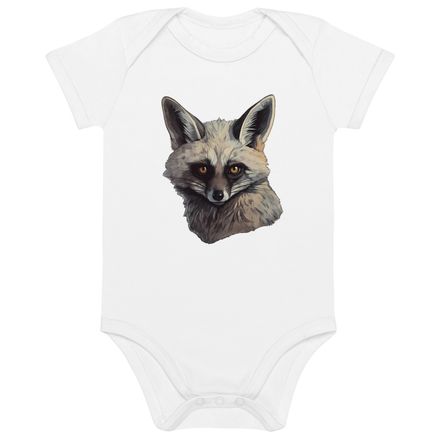
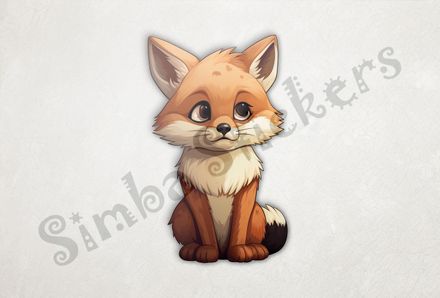
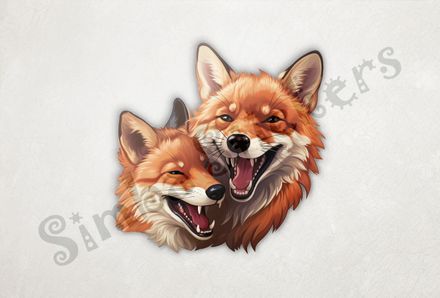
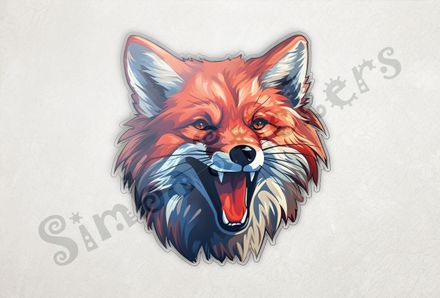
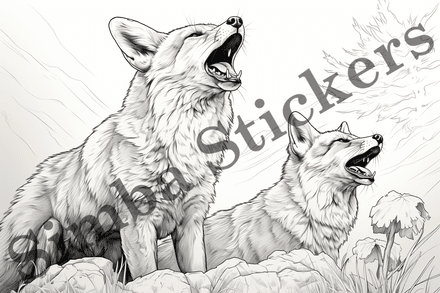
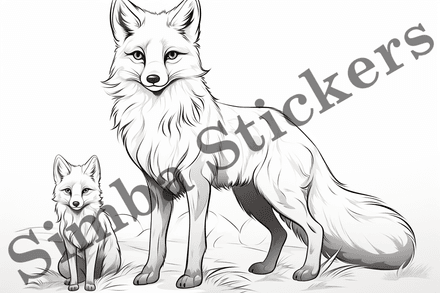
We keep adding images as will as print-on-demand products of foxes as time goes on. The easiest way to keep up-to-date is to subscribe to our newsletter.
If you would like them applied to a particular kind of clothing item which is missing, then please contact us!
Simba Stickers Canine Facts Videos in English
For facts about canines presented in a fun and informative way, kindly have a look at our videos below!
Video Shorts
Regular Videos
We also have canine videos available in French (regular/shorts), German (regular/shorts), Italian (regular/shorts) and Latin (regular/shorts).
Go to the Simba Stickers English channel for all our videos!
Fox Products - digital/print-on-demand






















Subscribe to our newsletter
Get the latest news and updates straight to your inbox