
Canine/Canines
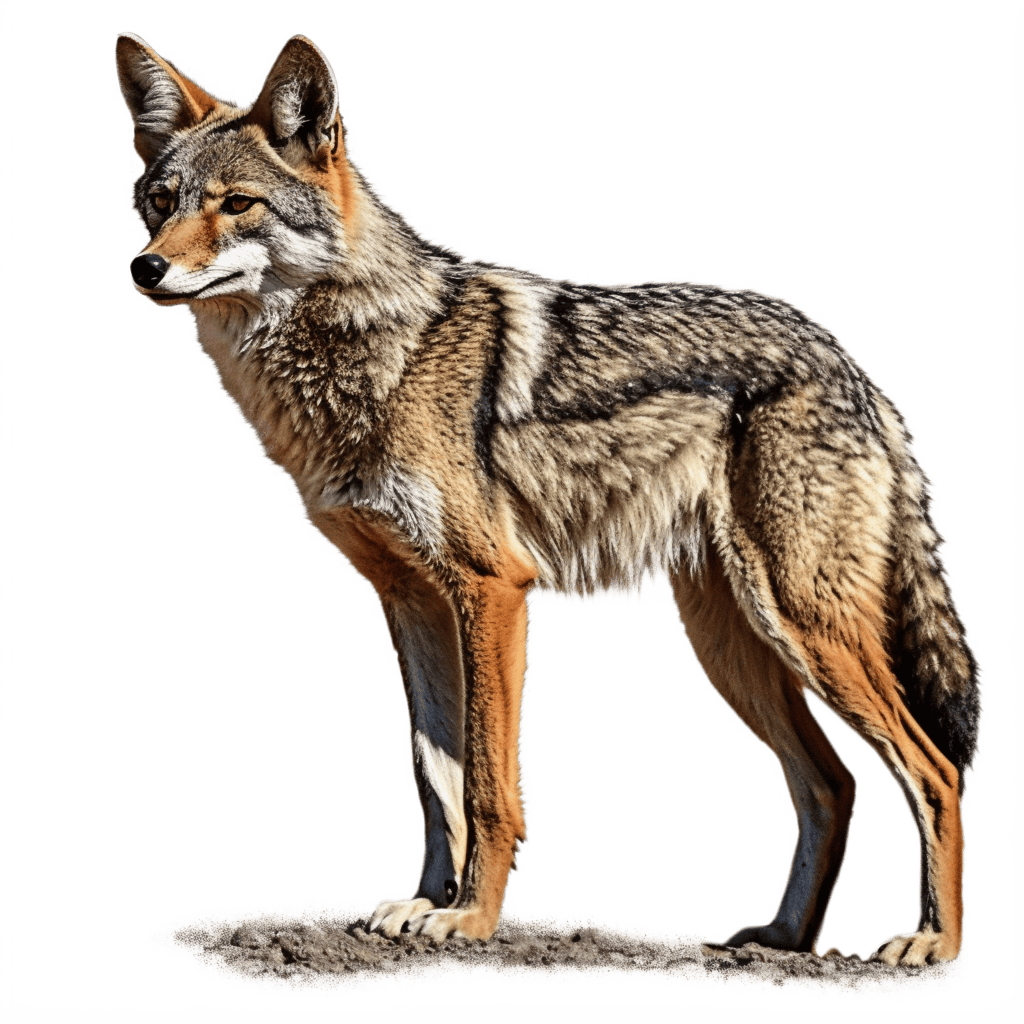
Canines belong to the biological family *Canidae*, a diverse group of carnivorous mammals that includes wolves, foxes, jackals, coyotes, and domestic dogs. A single animal is called a **canine**, though individual species are more commonly referred to by their specific names (e.g., wolf, fox). A group can be called a **pack**—especially for social species like wolves—or a **leash** (in domestic contexts), **skulk** (of foxes), or simply a **group** of canines. Males and females do not have unique common names across the entire family but are typically identified by species-specific terms: male and female **wolves** are often called **dogs** and **bitches**, **coyotes** follow similar naming, while **foxes** use **dog** and **vixen**, respectively. The young are universally called **pups**, regardless of species, and are born blind and dependent on their mothers in dens or burrows. Canines share several distinctive features: long muzzles, upright pointed ears, bushy tails, and non-retractable claws adapted for running and digging. They are digitigrade walkers (walking on their toes), which allows for speed and agility. Most have keen senses of smell and hearing, sharp teeth designed for shearing meat, and are highly intelligent, with complex social structures—especially in pack-forming species.
Canines inhabit nearly every continent and thrive in a wide range of environments, from Arctic tundras and deserts to forests, grasslands, mountains, and urban areas. The gray wolf (*Canis lupus*) roams North America, Europe, and Asia in forested and mountainous regions, while the red fox (*Vulpes vulpes*) has the widest distribution of any land mammal, found across the Northern Hemisphere and introduced to Australia. The African wild dog (*Lycaon pictus*) lives in savannas and open woodlands, relying on teamwork to hunt, while the Arctic fox (*Vulpes lagopus*) survives extreme cold with thick fur and compact body form. Coyotes (*Canis latrans*) have expanded across North America, even into cities, due to their adaptability. While wild canines are not “bred” like domestic animals, they include numerous **species and subspecies** shaped by geography and climate. For example, the gray wolf has subspecies such as the Mackenzie Valley wolf (largest) and the Ethiopian wolf (*Canis simensis*), the rarest canid. Domestic dogs (*Canis lupus familiaris*), descended from wolves, represent the most dramatic example of selective breeding, with over 300 recognized **breeds** varying in size, coat, temperament, and function—from herding Border Collies to toy Chihuahuas. These breeds reflect human influence, while wild subspecies show natural evolutionary adaptation.
Ecologically, canines play vital roles as predators, scavengers, and ecosystem regulators. As apex or mid-level predators, they help control populations of herbivores and small mammals—wolves regulate deer and elk numbers, coyotes manage rodent populations, and foxes reduce rabbit and insect abundance. Scavenging species like jackals and foxes clean up carrion, reducing disease spread. Their feeding habits influence prey behavior and contribute to trophic cascades—where predator presence reshapes plant and animal communities. Some canines, like the maned wolf (*Chrysocyon brachyurus*), also act as seed dispersers through their omnivorous diets. However, when canine populations grow unchecked—such as feral dogs or invasive red foxes in Australia—they can threaten native wildlife, especially ground-nesting birds and small marsupials. In balanced ecosystems, however, canines support biodiversity and ecological stability. Their presence often indicates a functioning food web and healthy environment.
Culturally, canines hold profound significance across human societies. The domestic dog, first tamed over 15,000 years ago, is revered as “man’s best friend,” serving as companion, protector, and helper in hunting, herding, and service roles. In mythology, canines appear as divine guardians—the Egyptian god Anubis had a jackal head; the Norse Fenrir was a fearsome wolf; and the Greek Cerberus guarded the underworld. In many Indigenous traditions, wolves symbolize loyalty, intuition, and family, while foxes represent cleverness and transformation. Conversely, some cultures associate canines with danger or trickery—such as werewolf legends or fox spirits in East Asian folklore. Today, conservation efforts protect endangered species like the Ethiopian wolf and African wild dog, both threatened by habitat loss and disease. Meanwhile, responsible management of domestic and feral populations remains crucial. From the loyal pet to the elusive desert fox, canines embody resilience, intelligence, and adaptability—linking wild nature and human life in an enduring bond that spans continents and centuries.
We keep adding images as will as print-on-demand products of jackals as time goes on. The easiest way to keep up-to-date is to subscribe to our newsletter.
If you would like them applied to a particular kind of clothing item which is missing, then please contact us!
Simba Stickers Canine Facts Videos in English
For facts about canines presented in a fun and informative way, kindly have a look at our videos below!
Video Shorts
Regular Videos
We also have canine videos available in French (regular/shorts), German (regular/shorts), Italian (regular/shorts) and Latin (regular/shorts).
Go to the Simba Stickers English channel for all our videos!






























Subscribe to our newsletter
Get the latest news and updates straight to your inbox