
Wolf/Wolves
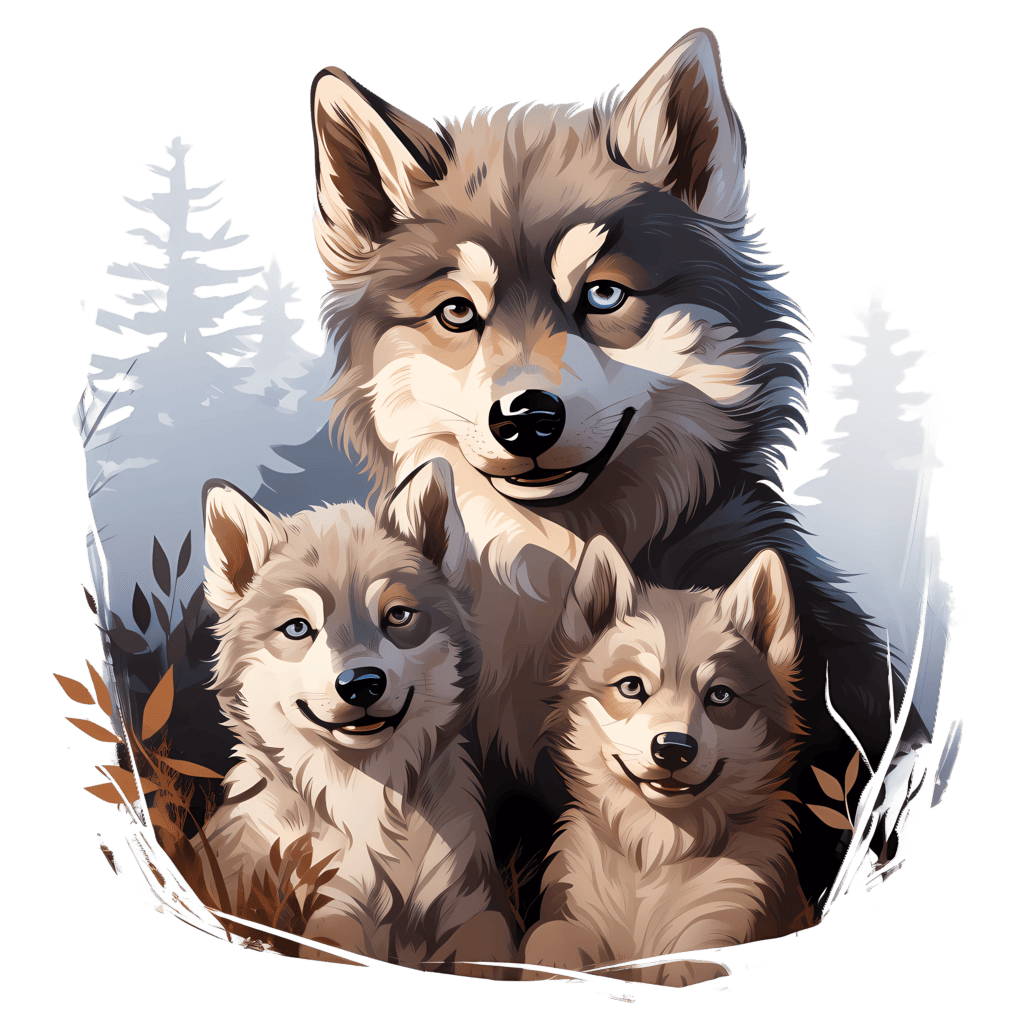
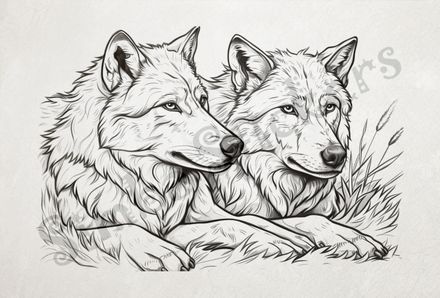
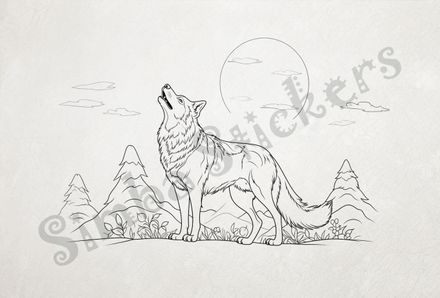
The gray wolf (*Canis lupus*) is the largest and most widespread of the wolf species, serving as the foundational ancestor of all domestic dogs. It typically measures 4.5 to 6.5 feet (1.4 to 2 meters) from nose to tail and weighs between 40 to 175 pounds (18 to 79 kg), with northern subspecies like the Mackenzie Valley wolf often reaching the upper end of that range. Distinguished by its robust build, thick fur, bushy tail, and keen senses, the gray wolf is built for endurance and teamwork. Other notable wolf species and subspecies include the smaller red wolf (*Canis rufus*), native to the southeastern United States and critically endangered, and the Ethiopian wolf (*Canis simensis*), the rarest of all canids, which inhabits high-altitude grasslands in the Ethiopian Highlands. Additionally, the Eastern wolf (*Canis lycaon*) of eastern North America and the Arctic wolf (*Canis lupus arctos*), a white-coated subspecies adapted to polar regions, showcase the remarkable diversity within the wolf lineage.
Gray wolves historically roamed a vast range across North America, Europe, and Asia, thriving in diverse habitats including boreal forests, tundras, grasslands, and mountainous regions. Their adaptability allows them to survive in extreme cold and variable climates, though human expansion has drastically reduced their numbers and range. As apex predators, wolves play a pivotal role in maintaining ecological balance. By preying on large herbivores such as deer, elk, and moose, they help prevent overgrazing, which in turn supports forest regeneration and biodiversity. Their hunting behavior also targets weak or sick individuals, promoting healthier prey populations. The reintroduction of gray wolves to Yellowstone National Park in the 1990s famously triggered a trophic cascade, revitalizing plant life, stabilizing riverbanks, and benefiting species from beavers to songbirds. Even their scavenged remains provide food for eagles, foxes, and insects, underscoring their importance across food webs.
Culturally, wolves evoke powerful and often contradictory symbolism. The gray wolf, in particular, is celebrated in many Indigenous traditions as a teacher, pathfinder, and symbol of family loyalty and perseverance. In contrast, European folklore has often vilified wolves as dangerous and cunning, as seen in stories like “The Three Little Pigs” and legends of werewolves. The red wolf and Ethiopian wolf, though less known globally, hold unique cultural and ecological significance in their native regions and are focal points for conservation awareness. Today, wolves represent both the resilience of the wild and the challenges of coexistence. While the gray wolf is classified as least concern globally, other species like the red and Ethiopian wolves face critical endangerment due to habitat loss, disease, and hybridization. Protecting all wolf species requires not only scientific conservation but also a shift in human attitudes—recognizing these intelligent, social animals not as threats, but as vital stewards of healthy, balanced ecosystems.
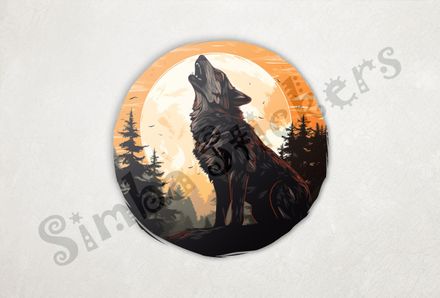
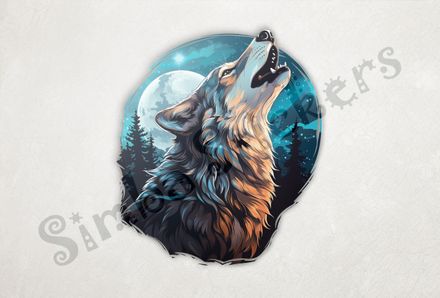
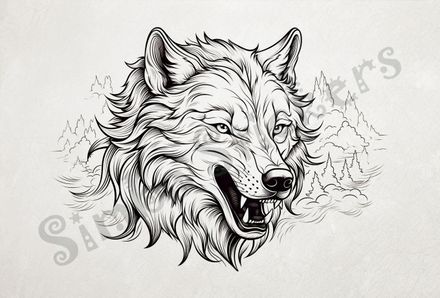
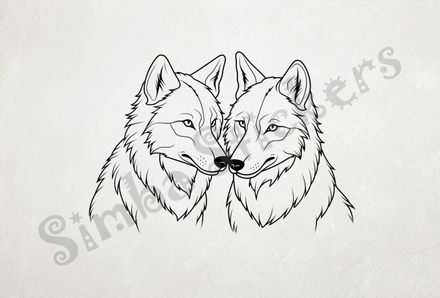
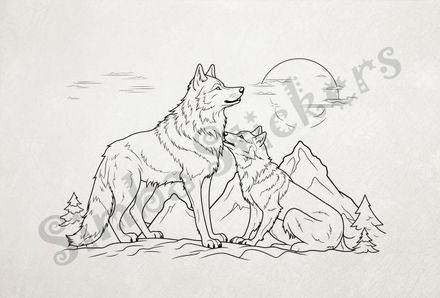
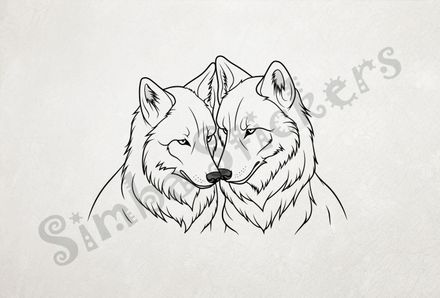
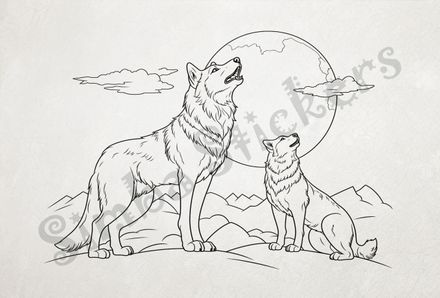
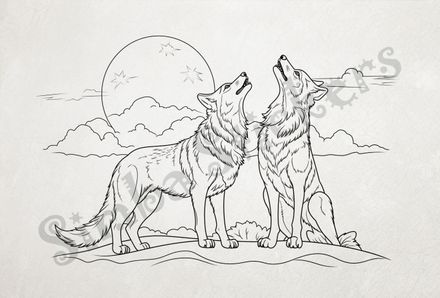
We keep adding images as will as print-on-demand products of wolves as time goes on. The easiest way to keep up-to-date is to subscribe to our newsletter.
If you would like them applied to a particular kind of clothing item which is missing, then please contact us!
Simba Stickers Wolf Facts Videos in English
For facts about cheetahs presented in a fun and informative way, kindly have a look at our videos below!
Video Shorts
Regular Videos
We also have wolf videos available in French (regular/shorts), German (regular/shorts), Italian (regular/shorts) and Latin (regular/shorts).
Go to the Simba Stickers English channel for all our videos!
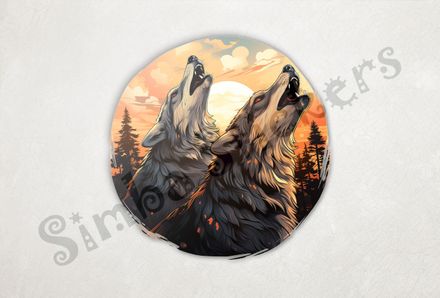
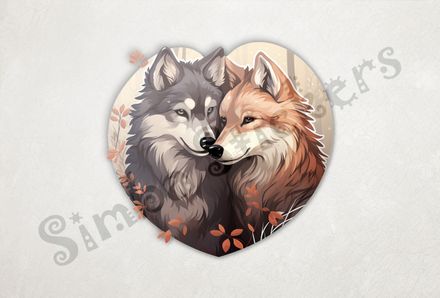
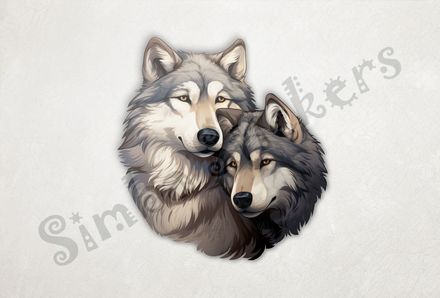
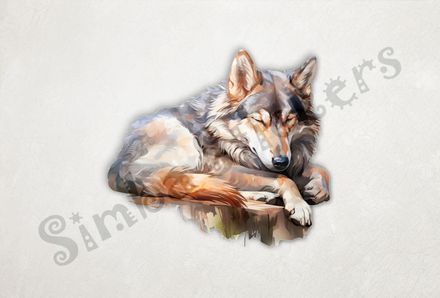
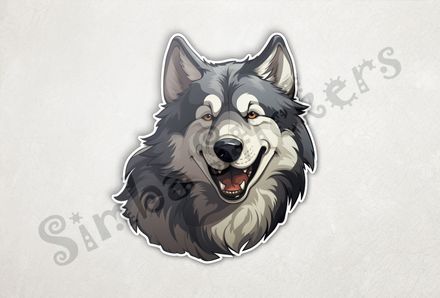
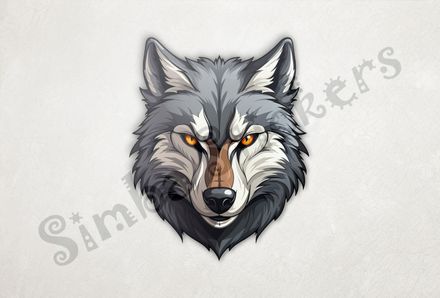
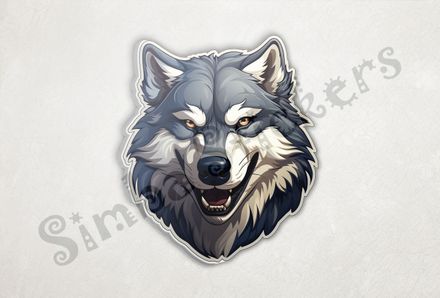
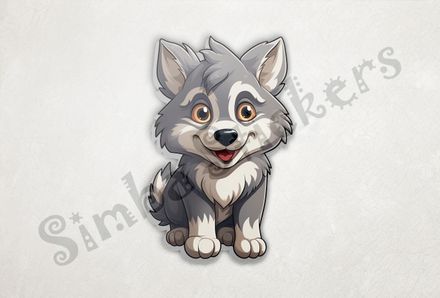
Wolf Products - digital/print-on-demand


Subscribe to our newsletter
Get the latest news and updates straight to your inbox