
Pangolin/Pangolins
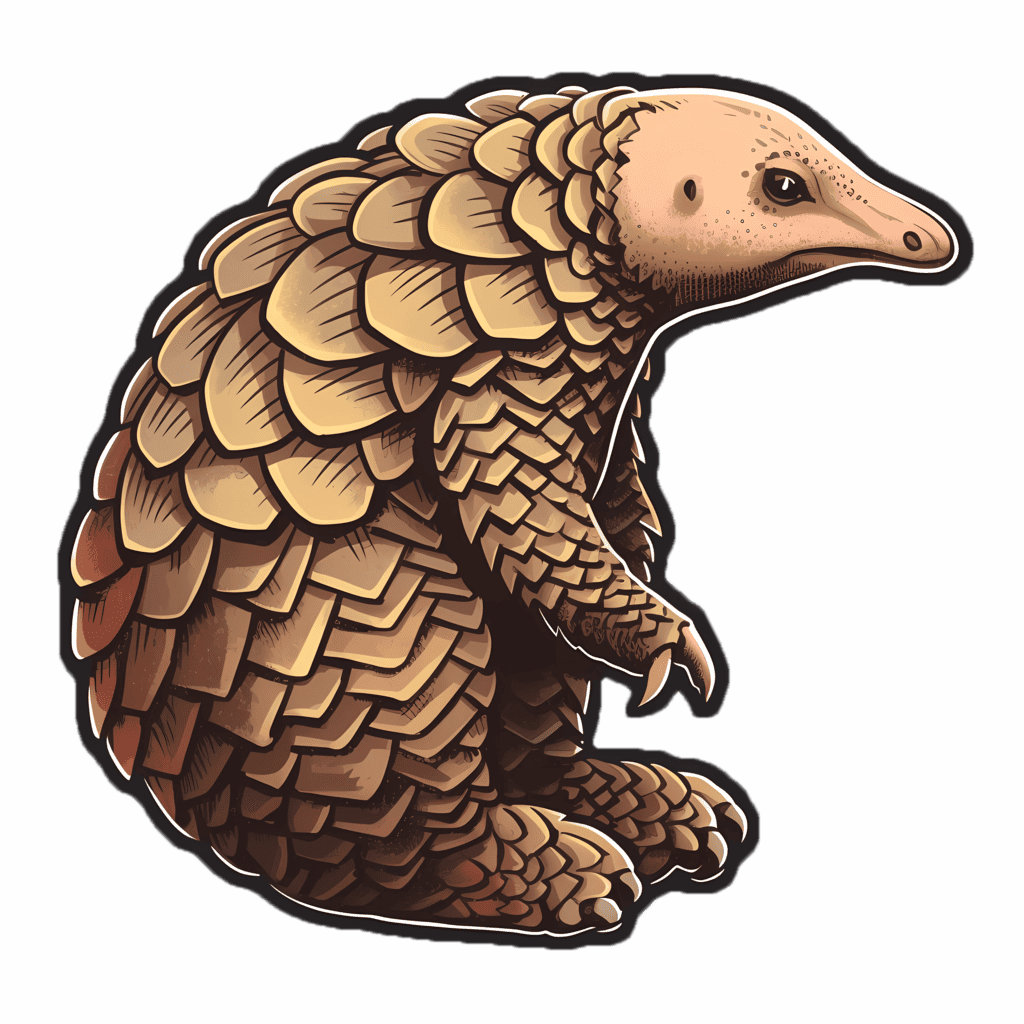
Pangolins are unique mammals belonging to the order *Pholidota* and the genus *Manis*, with eight recognized species divided between Africa and Asia. A single animal is called a **pangolin**, while multiple individuals are simply referred to as **pangolins**—there is no traditional collective noun, though "a parade of pangolins" is sometimes used poetically. Males and females do not have distinct common names and are generally called male or female pangolins. The young are called **pangopups** or **infants**, and they often ride on their mother’s back, clinging to her tail, during their early weeks of life. The most distinctive feature of pangolins is their full coat of overlapping, keratin-based scales—similar in composition to human fingernails—that cover their head, body, and tail, providing armor-like protection. When threatened, a pangolin can curl into a tight, impenetrable ball. They are toothless and use their extraordinarily long, sticky tongues—anchored near their pelvis—to feed on ants and termites, which they locate using a keen sense of smell. Their strong, curved claws are adapted for digging into insect nests and burrowing. Despite their reptile-like appearance, pangolins are mammals and are the only mammals wholly covered in scales.
Pangolins inhabit a range of environments across tropical and subtropical regions. The four African species—the **giant pangolin** (*Smutsia gigantea*), **ground pangolin** (*Smutsia temminckii*), **white-bellied pangolin** (*Phataginus tricuspis*), and **black-bellied pangolin** (*Phataginus tetradactyla*)—live in savannas, woodlands, and forests from East to West and Southern Africa. The four Asian species include the **Indian pangolin** (*Manis crassicaudata*), **Chinese pangolin** (*Manis pentadactyla*), **Sunda pangolin** (*Manis javanica*), and **Philippine pangolin** (*Manis culionensis*), found in grasslands, forests, and agricultural areas across South and Southeast Asia. African pangolins are mostly terrestrial or semi-fossorial, while some Asian species, like the Sunda pangolin, are excellent climbers and spend time in trees. Each species varies in size, scale color, and habitat preference—the giant pangolin is the largest, reaching up to 70 pounds (32 kg), while the black-bellied pangolin is smaller and more arboreal. Despite these differences, all pangolins share similar ecological roles and face nearly identical threats.
Culturally, pangolins have long been misunderstood and underappreciated, though they are increasingly recognized as symbols of wildlife conservation. In some African and Asian traditional practices, pangolin scales are falsely believed to have medicinal properties, leading to widespread illegal hunting. Their meat is also considered a delicacy in certain regions. These beliefs, though unfounded scientifically, have driven pangolins to become the most trafficked mammals in the world. Ecologically, pangolins play a vital role as natural pest controllers—each pangolin can consume millions of ants and termites annually, helping regulate insect populations and maintain healthy soil structure through their digging. Their abandoned burrows also provide shelter for other species. All eight pangolin species are now listed as **threatened** by the IUCN, with the Chinese and Sunda pangolins classified as **Critically Endangered**. International trade is banned under CITES, but enforcement remains a challenge. Conservation efforts focus on anti-poaching initiatives, habitat protection, and public education. As quiet guardians of the ecosystem and icons of the fight against illegal wildlife trade, pangolins remind us of the importance of protecting even the most obscure and vulnerable creatures.
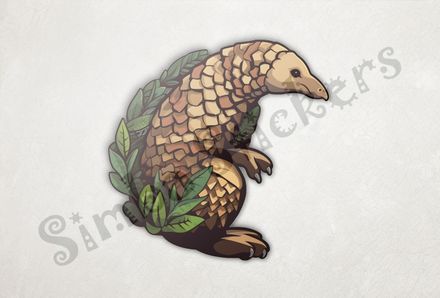
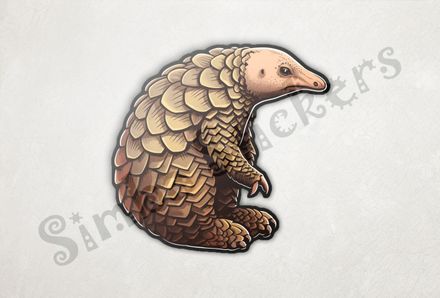
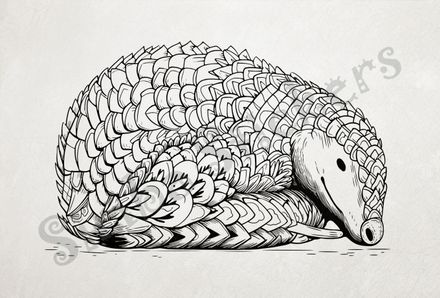
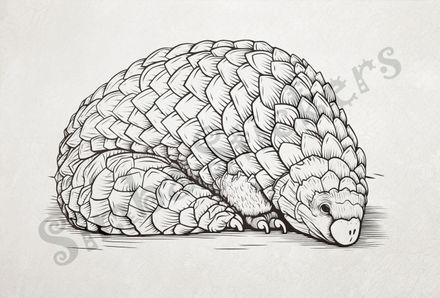
We keep adding images as will as print-on-demand products of pangolins as time goes on. The easiest way to keep up-to-date is to subscribe to our newsletter.
If you would like them applied to a particular kind of clothing item which is missing, then please contact us!
Simba Stickers Pangolin Facts Videos in English
For facts pangonlins presented in a fun and informative way, kindly have a look at our videos below!
Video Shorts
Regular Videos
We also have pangolin videos available in French (regular/shorts), German (regular/shorts), Italian (regular/shorts) and Latin (regular/shorts).
Go to the Simba Stickers English channel for all our videos!
Pangolin Products - digital/print-on-demand
Subscribe to our newsletter
Get the latest news and updates straight to your inbox