
Pig/Pigs
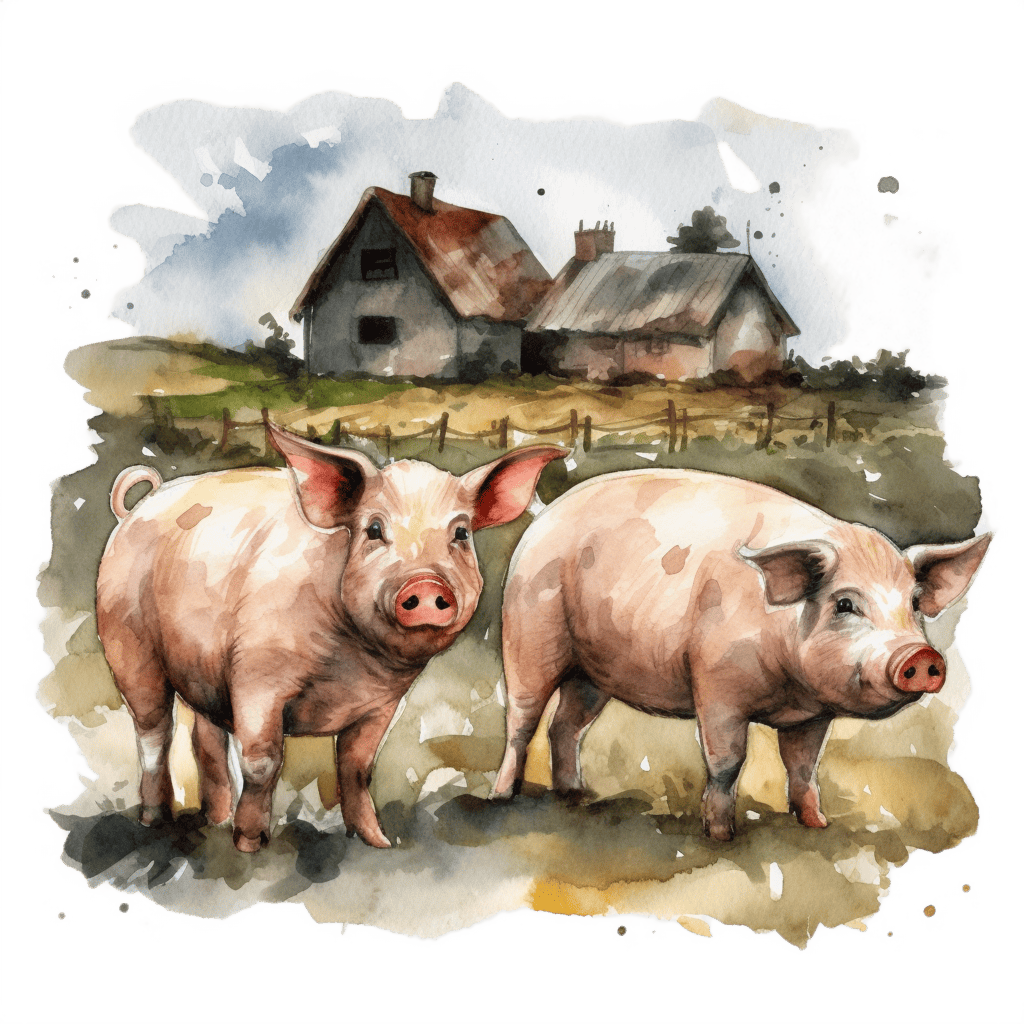
Pigs are domesticated mammals known scientifically as *Sus scrofa domesticus*, a subspecies of the wild boar (*Sus scrofa*). A single animal is called a **pig**, while a group is commonly referred to as a **sounder** (in the wild) or a **herd** (in farming contexts). The male is known as a **boar**, the female as a **sow**, and the young are called **piglets**. Pigs are highly intelligent animals—ranked among the smartest of all domesticated species, even surpassing dogs in some cognitive tests. They have a stocky body, short legs, a large head with a flexible, disk-shaped snout used for rooting in soil, and sparse bristly hair. Their skin is thick and sensitive to sunburn, which is why they often wallow in mud—to cool down and protect their skin from parasites and UV rays. Pigs are omnivores with a keen sense of smell, allowing them to find food buried deep underground. They are social, vocal animals that communicate through grunts, squeals, and a wide range of body language.
Domestic pigs are raised in a variety of environments worldwide, from intensive indoor farms to free-range pastures, backyard homesteads, and even urban settings in some cultures. While they originated from the Eurasian wild boar, domestic pigs now exist in numerous **breeds**, each developed for specific traits such as meat quality, size, hardiness, or mothering ability. Notable breeds include the **Yorkshire**, one of the most common in commercial farming, prized for its lean meat and large litters; the **Duroc**, known for its reddish coat and excellent marbling; the **Hampshire**, with its distinctive black body and white belt, valued for muscle development; and the **Berkshire**, a heritage breed with rich, flavorful meat. The **Pot-bellied pig** and **Juliana pig** are smaller breeds often kept as pets due to their manageable size and intelligence. In contrast, feral pigs—descendants of escaped or released domestic pigs—have become invasive in regions like the southern United States, Australia, and parts of South America, where they cause extensive environmental damage through rooting, trampling, and predation.
Culturally, pigs hold complex and often contradictory significance. In many Western and industrialized societies, pork is one of the most widely consumed meats, and pigs are vital to agriculture and food production. However, in religions such as Islam and Judaism, pigs are considered unclean, and their consumption is strictly forbidden. In Chinese culture, the pig is one of the 12 zodiac animals, symbolizing wealth, honesty, and diligence. In some Indigenous traditions, pigs like the New Guinea singing dog’s relative, the New Guinea pig (though not a true pig), or domestic pigs in Pacific island cultures, play ceremonial and economic roles. Ecologically, domestic pigs, when managed responsibly, can contribute to sustainable farming by converting food waste into protein and fertilizing soil with their manure. However, feral pigs are among the most destructive invasive species, uprooting vegetation, spreading disease, competing with native wildlife, and damaging waterways. With an estimated global population of over one billion, pigs play a major role in human food systems. Whether as livestock, pets, or pests, pigs are a powerful example of how human-animal relationships shape culture, economy, and the environment.
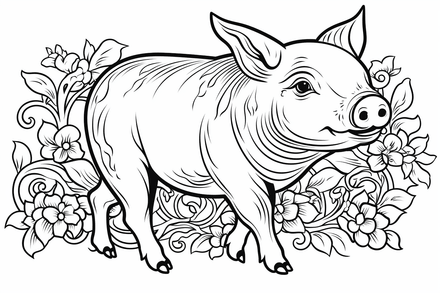
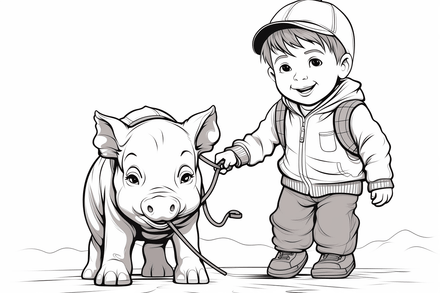
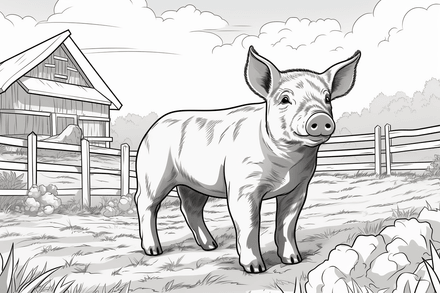
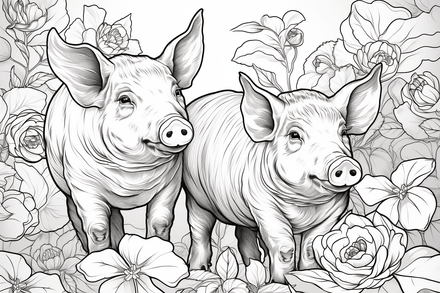
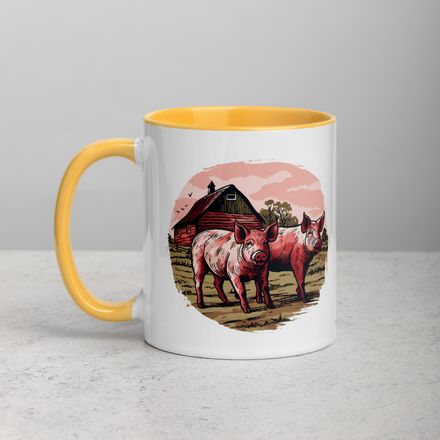
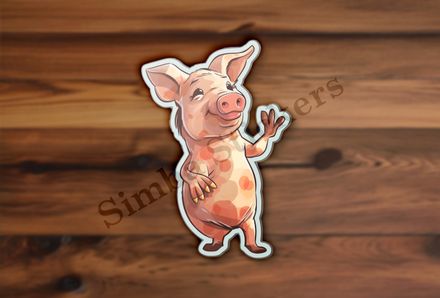
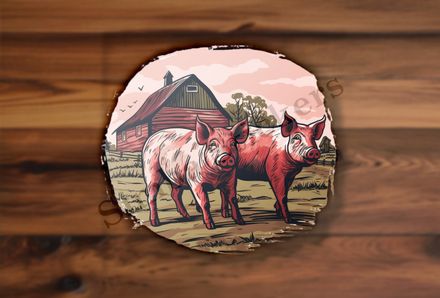
We keep adding images as will as print-on-demand products of pigs as time goes on. The easiest way to keep up-to-date is to subscribe to our newsletter.
If you would like them applied to a particular kind of clothing item which is missing, then please contact us!
Simba Stickers Domestic Animal Facts Videos in English
For facts about wild animals presented in a fun and informative way, kindly have a look at our videos below!
Video Shorts
Regular Videos
We also have domestic animal videos available in French (regular/shorts), German (regular/shorts), Italian (regular/shorts) and Latin (regular/shorts).
Go to the Simba Stickers English channel for all our videos!
Pig Products - digital/print-on-demand








Subscribe to our newsletter
Get the latest news and updates straight to your inbox