
Cat/Cats
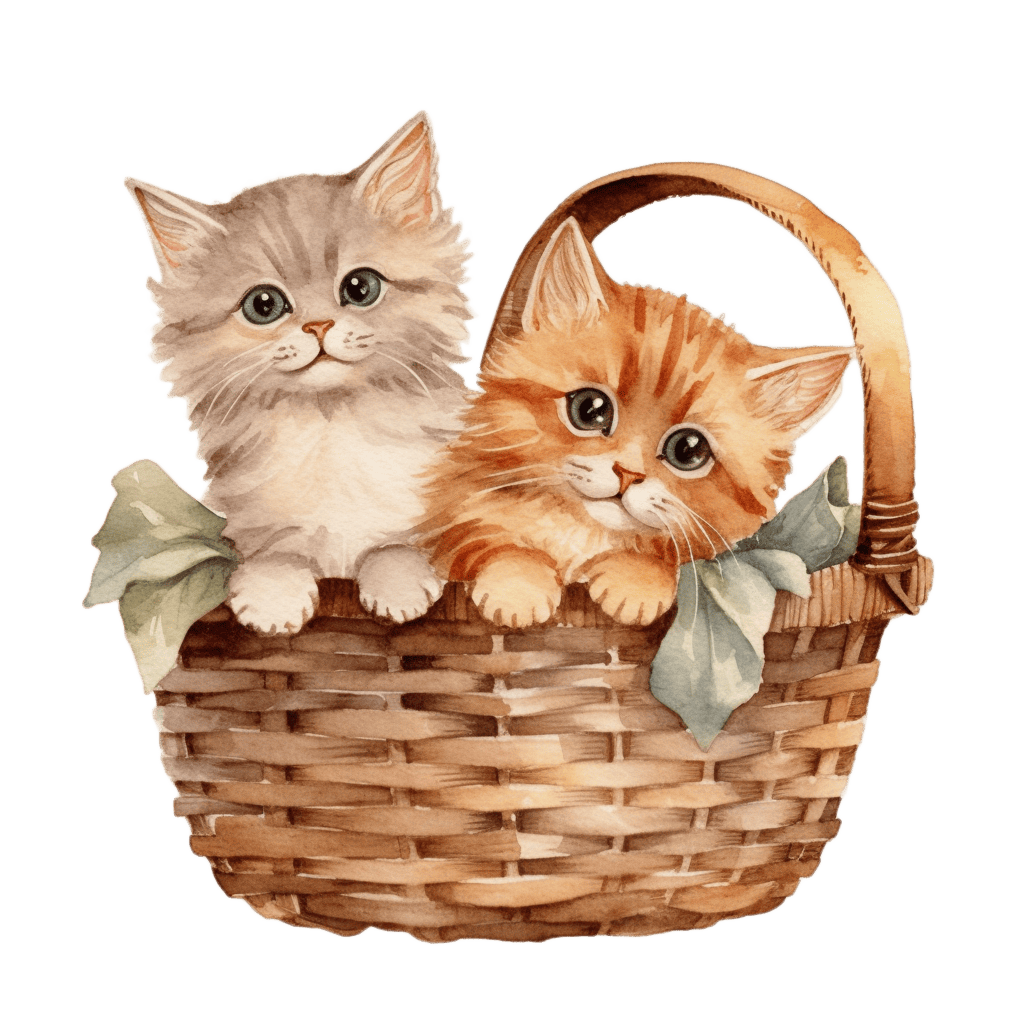
Cats belong to the family *Felidae* and the species *Felis catus*, the scientific name for the domestic cat—one of the most widespread and beloved companion animals in the world. A single cat is simply called a **cat**, while a group can be referred to as a **clowder** or, more playfully, a **glaring** when the cats are feral or unfriendly. The male is known as a **tom**, the female as a **queen**, and the young are called **kittens**. Cats are small, agile mammals with distinctive features including retractable claws (in most species), sharp teeth, keen night vision, highly sensitive hearing, and an acute sense of smell. They possess a flexible spine and powerful hind legs, allowing for quick bursts of speed, high jumps, and precise landings—aided by a well-developed inner ear that maintains balance. Their soft fur, whiskers (vibrissae) that detect subtle changes in surroundings, and expressive tails further enhance their sensory awareness and communication. Cats are obligate carnivores, meaning their bodies require nutrients found primarily in animal tissue, and they are naturally solitary hunters with strong territorial instincts.
While domestic cats now live in homes across every continent except Antarctica, their wild ancestors originated in the arid regions of the Middle East, particularly the Fertile Crescent. Over time, cats have adapted to a wide range of habitats—from urban apartments and rural barns to forests, deserts, and grasslands—thanks to human companionship and their remarkable survival skills. The domestic cat (*Felis catus*) is descended from the African wildcat (*Felis lybica*), a subspecies still found in North and East Africa and the Middle East. Though considered a single domesticated species, cats exhibit vast variation in coat color, pattern, length, and body type. This diversity has led to the development of over 70 recognized cat breeds, each selectively bred for specific traits. Breeds like the sleek, vocal **Siamese** and the large, gentle **Maine Coon** showcase the range of size, temperament, and appearance among domestic cats. The fluffy **Persian** is prized for its long coat and calm demeanor, while the hairless **Sphynx** is known for its unique look and affectionate nature. Other notable breeds include the intelligent **Abyssinian**, the athletic **Bengal** (with its wild-looking spotted coat), and the curly-coated **Devon Rex**. These breeds reflect centuries of human influence and selective breeding, often aimed at enhancing companionship qualities, appearance, or hypoallergenic traits.
Culturally, cats hold a unique and often revered place in human history. In ancient Egypt, the cat was sacred and associated with the goddess Bastet, symbolizing protection, fertility, and grace. Harming a cat was a serious crime, and many were mummified upon death. In Islamic tradition, cats are admired for their cleanliness and are considered ritually pure; the founder Muhammad is said to have shown great affection for them. In Japan, the “maneki-neko” or beckoning cat is a popular talisman for good luck. Today, cats are one of the most popular pets worldwide, valued for their companionship, independence, and ability to control pests. However, their role in the ecosystem is complex: while domestic cats help manage rodent populations in homes and farms, free-roaming and feral cats are significant predators of birds, reptiles, and small mammals, contributing to declines in vulnerable species. For this reason, responsible pet ownership—such as keeping cats indoors or supervised outdoors—is encouraged. With an estimated global population of over 600 million, cats remain not only cherished companions but also influential participants in both human culture and environmental dynamics. Their enduring presence across civilizations is a testament to their adaptability, mystery, and special bond with humanity.
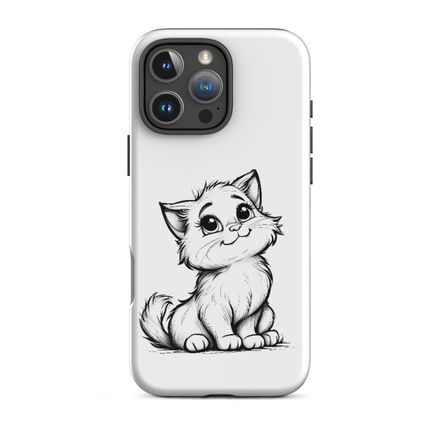
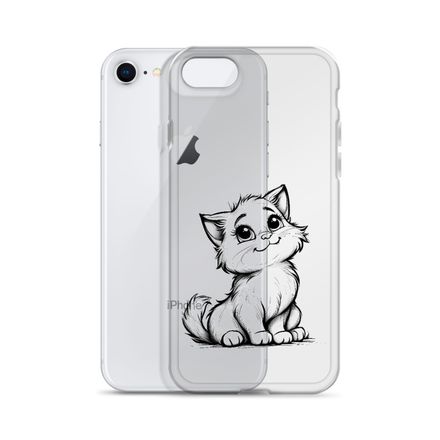
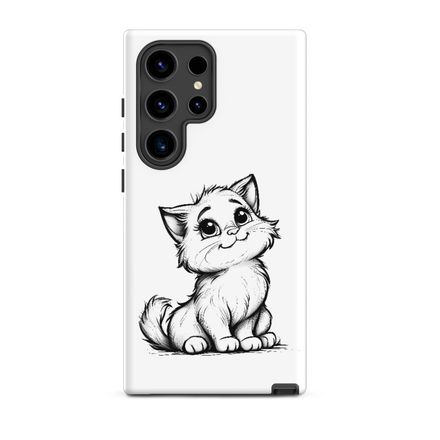
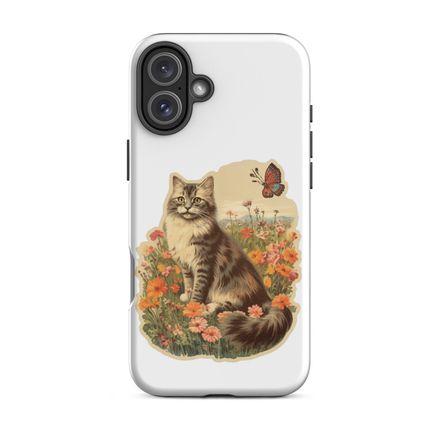
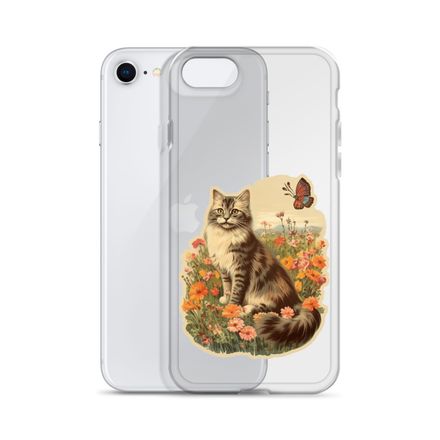
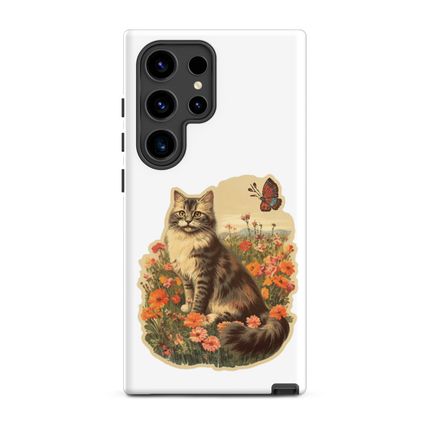
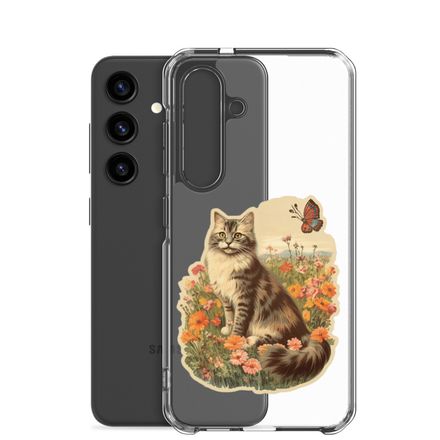
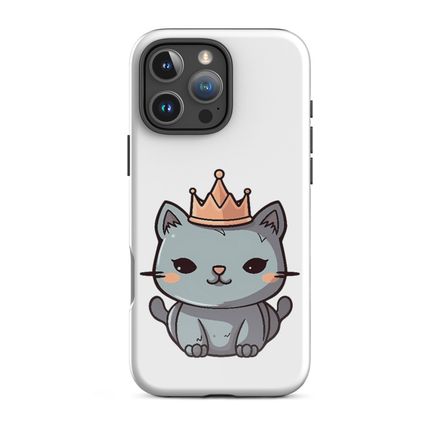
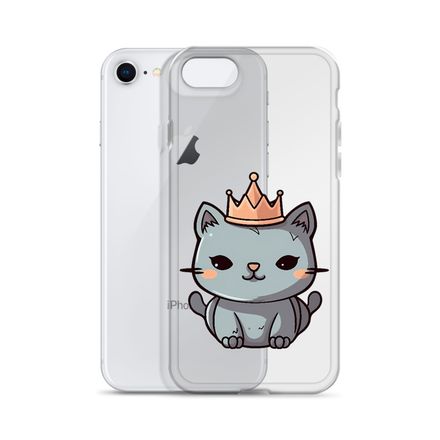
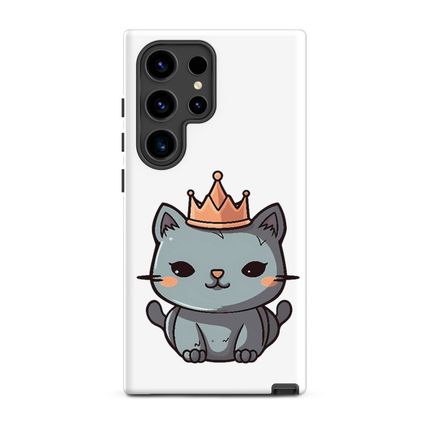
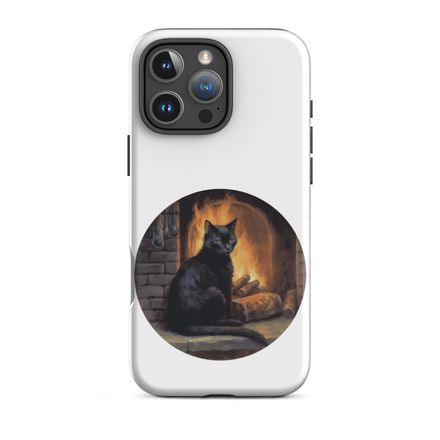
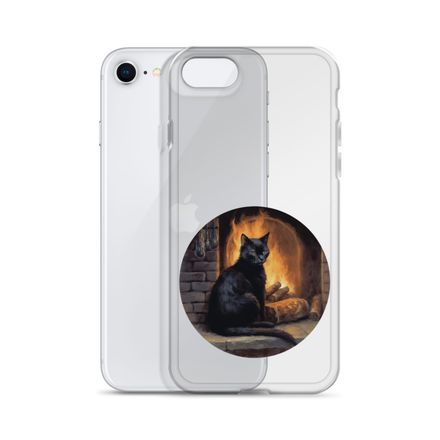
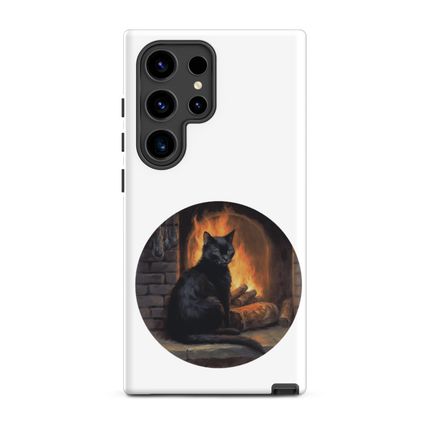
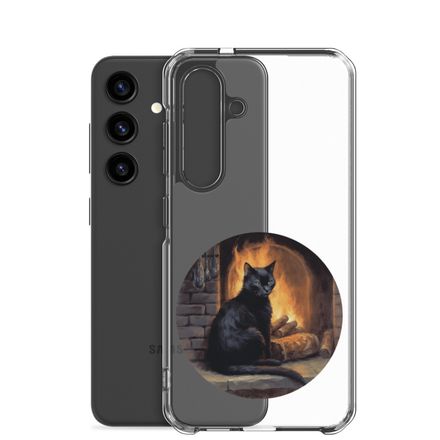
We keep adding images as will as print-on-demand products of cats as time goes on. The easiest way to keep up-to-date is to subscribe to our newsletter.
If you would like them applied to a particular kind of clothing item which is missing, then please contact us!
Simba Stickers Domestic Animal Facts Videos in English
For facts about domestic animals presented in a fun and informative way, kindly have a look at our videos below!
Video Shorts
Regular Videos
We also have domestic animal videos available in French (regular/shorts), German (regular/shorts), Italian (regular/shorts) and Latin (regular/shorts).
Go to the Simba Stickers English channel for all our videos!








Subscribe to our newsletter
Get the latest news and updates straight to your inbox