
Baboon/Baboons

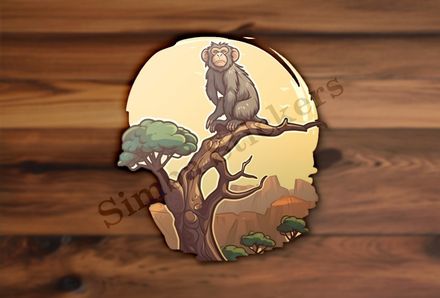
Baboons are large, ground-dwelling primates belonging to the genus *Papio*, with five recognized species: the olive baboon (*Papio anubis*), chacma baboon (*Papio ursinus*), yellow baboon (*Papio cynocephalus*), Guinea baboon (*Papio papio*), and hamadryas baboon (*Papio hamadryas*). A single animal is called a **baboon**, while a group is commonly referred to as a **troop** or **congress**—a name that hints at their complex, hierarchical social structure. Males and females do not have widely used distinct common names but are typically identified by sex; dominant males are often noted for their size and prominent manes (especially in hamadryas baboons). The young are called **infants**, remaining closely attached to their mothers for protection and nourishment during early development. Baboons are easily recognized by their long muzzles, powerful jaws with sharp canine teeth, stocky bodies, and short tails. They walk quadrupedally on the ground using their palms, and their thick fur varies in color depending on the species—from olive and yellow to grayish-brown. Their hairless faces and rumps allow for visual signaling and comfort during long periods of sitting.
Baboons inhabit a wide range of environments across sub-Saharan Africa and parts of the Arabian Peninsula, thriving in savannas, woodlands, rocky hillsides, and semi-arid regions where food and water are accessible. The olive baboon has the widest distribution, found from Mali to Ethiopia and down to South Africa, while the chacma baboon dominates southern Africa. The hamadryas baboon lives in arid regions of the Horn of Africa and Saudi Arabia, adapting well to harsh climates. Each species has unique behavioral traits: olive and yellow baboons live in multi-male, multi-female troops with fluid hierarchies, while hamadryas baboons form strict one-male units led by a dominant male who guards several females. Though not domesticated or bred into "breeds," these species and their regional populations show subtle variations in size, coat color, and social organization—reflecting adaptations to local predators, climate, and food sources. As omnivores, baboons eat fruits, seeds, grasses, insects, small mammals, and even bird eggs, making them highly adaptable foragers capable of surviving near human settlements, though this often leads to conflict.
Culturally, baboons hold significant roles in ancient and modern societies. In ancient Egypt, the hamadryas baboon was revered as a sacred animal associated with Thoth, the god of wisdom and writing, often depicted with a baboon’s head. It was believed to greet the sun with loud calls, symbolizing knowledge and vigilance. In African folklore, baboons are sometimes portrayed as clever but arrogant figures, teaching moral lessons through their behavior. Ecologically, baboons play an important role in their ecosystems. As seed dispersers, they help regenerate plant life through their droppings. By preying on insects and small animals, they contribute to population control, and their digging for roots and tubers aerates soil. However, their adaptability can lead to overpopulation in areas near farms, where they raid crops and compete with humans for resources. All baboon species face threats from habitat loss, hunting, and persecution due to their perceived nuisance behavior. While none are currently classified as endangered, some populations—particularly of the Guinea and hamadryas baboons—are declining. As intelligent, social survivors at the intersection of wilderness and human expansion, baboons exemplify both the resilience of nature and the challenges of coexistence.
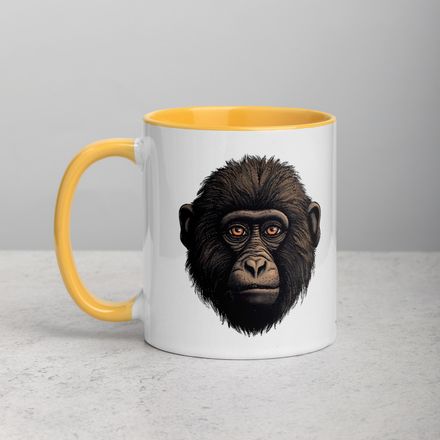
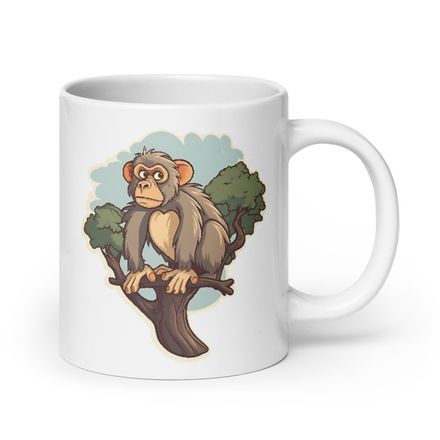
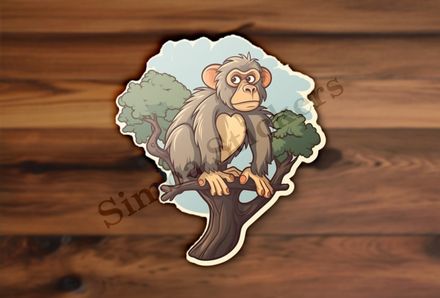
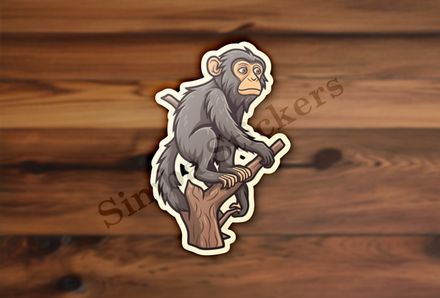
We keep adding images as will as print-on-demand products of baboons as time goes on. The easiest way to keep up-to-date is to subscribe to our newsletter.
If you would like them applied to a particular kind of clothing item which is missing, then please contact us!
Simba Stickers Ape Facts Videos in English
For facts about apes presented in a fun and informative way, kindly have a look at our videos below!
Video Shorts
Regular Videos
We also have ape videos available in French (regular/shorts), German (regular/shorts), Italian (regular/shorts) and Latin (regular/shorts).
Go to the Simba Stickers English channel for all our videos!
Baboon Products - digital/print-on-demand







Subscribe to our newsletter
Get the latest news and updates straight to your inbox