
Ostrich/Ostriches
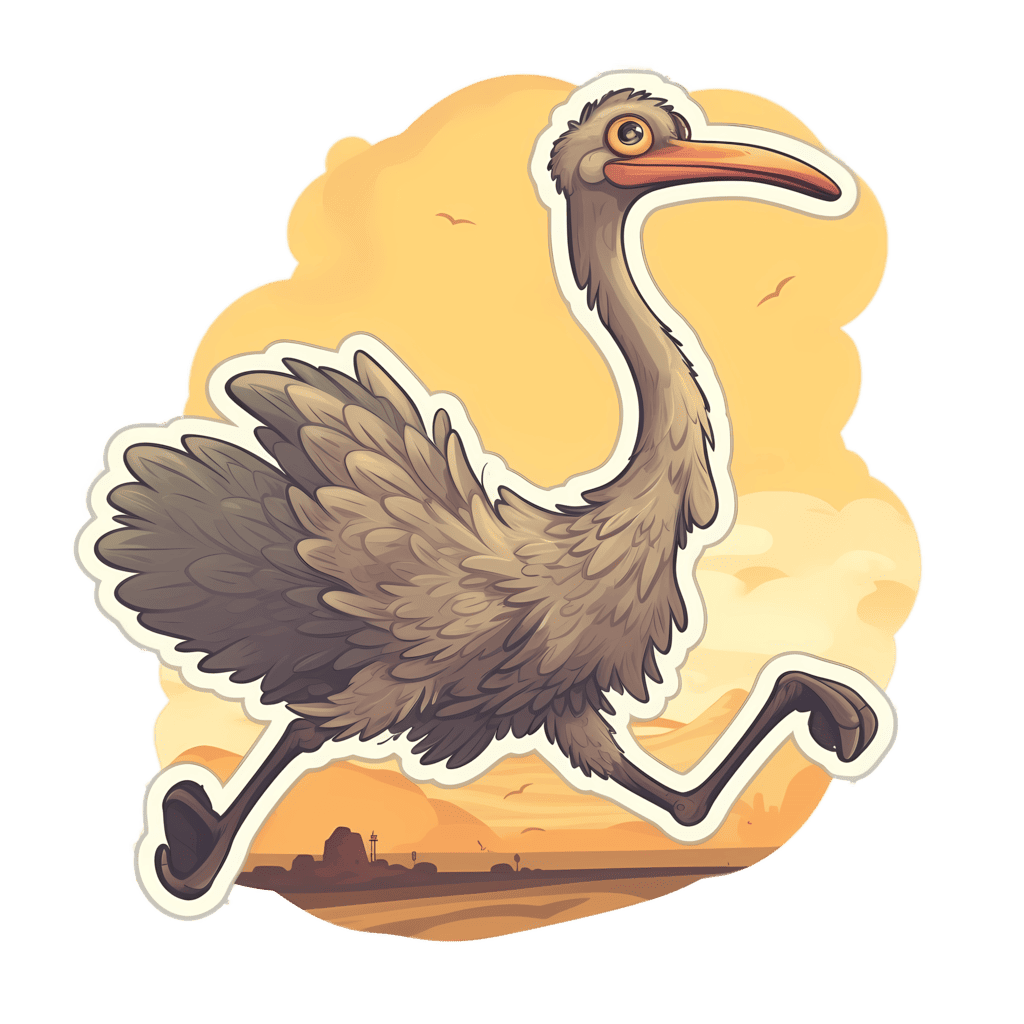
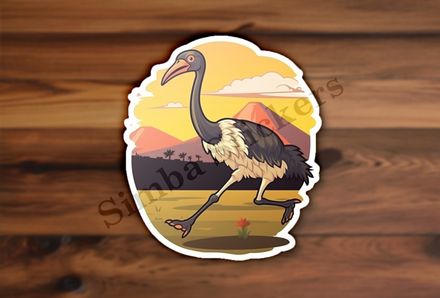
The ostrich (*Struthio camelus*) is the largest and heaviest bird in the world, incapable of flight but unmatched in running ability among birds. Males can reach up to 9 feet (2.7 meters) in height and weigh over 300 pounds (135 kg), while females are slightly smaller. A group of ostriches is called a **herd** or a **flock**. The male is known as a **cock**, the female as a **hen**, and the young are called **chicks**. Ostriches are easily recognized by their long, bare necks, powerful legs, and large, fluffy feathers—males have striking black-and-white plumage, while females and juveniles are more muted in grayish-brown tones. Their eyes are the largest of any land animal—about 2 inches in diameter—giving them excellent vision to detect predators from afar. Despite their size, ostriches are incredibly fast runners, capable of sprinting up to 45 miles per hour (70 km/h) and maintaining high speeds over long distances, thanks to their powerful two-toed feet and strong leg muscles. These toes end in sharp claws, which can deliver a powerful defensive kick when threatened.
Ostriches are native to the open savannas, grasslands, and semi-arid regions of sub-Saharan Africa, with populations found in countries such as Kenya, Tanzania, Namibia, Botswana, and South Africa. They thrive in dry, open habitats where they can use their keen eyesight and speed to avoid predators like lions, cheetahs, and hyenas. As omnivores, ostriches feed on a variety of plant matter—including seeds, leaves, and flowers—as well as insects and small reptiles. They play an important ecological role by dispersing seeds through their droppings, helping to regenerate vegetation across the landscape. Their nesting behavior also impacts the environment: females lay their eggs in a communal nest—a shallow depression in the ground—often shared by a dominant hen and several subordinates. A single nest may contain up to 60 eggs, though typically only the dominant pair’s eggs are incubated. This communal breeding strategy increases the survival chances of offspring in a harsh environment.
Culturally, the ostrich holds symbolic significance across African and global societies. In ancient Egypt, the feather of Ma’at, the goddess of truth and balance, was depicted as an ostrich feather, symbolizing justice and moral order—souls were even weighed against it in the afterlife. In some African traditions, ostrich eggs are used in rituals, art, and as water containers, and their shells are intricately engraved as symbols of life and fertility. The bird’s feathers have historically been prized for fashion and ceremonial use, leading to widespread farming of ostriches for plumes, leather, and meat. Today, ostrich farming remains economically important in parts of southern Africa. While wild ostrich populations are currently listed as **Least Concern** by the IUCN, habitat loss and hunting pressure threaten some regional populations. Their resilience and adaptability have allowed them to persist across much of their range, and they continue to symbolize endurance, vigilance, and the unique wonders of the African wilderness. As both ecological contributors and cultural icons, ostriches remain a remarkable testament to the diversity of life on Earth.
We keep adding images as will as print-on-demand products of ostriches as time goes on. The easiest way to keep up-to-date is to subscribe to our newsletter.
If you would like them applied to a particular kind of clothing item which is missing, then please contact us!
Simba Stickers African Savanna Facts Videos in English
For facts about animals of the African Savanna presented in a fun and informative way, kindly have a look at our videos below!
Video Shorts
Regular Videos
We also have African Savanna animal videos available in French (regular/shorts), German (regular/shorts), Italian (regular/shorts) and Latin (regular/shorts).
Go to the Simba Stickers English channel for all our videos!
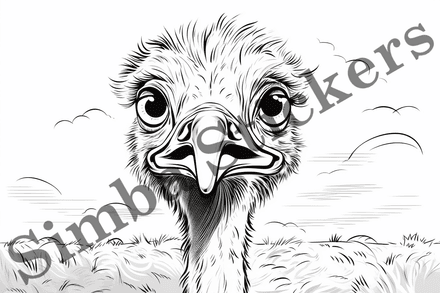
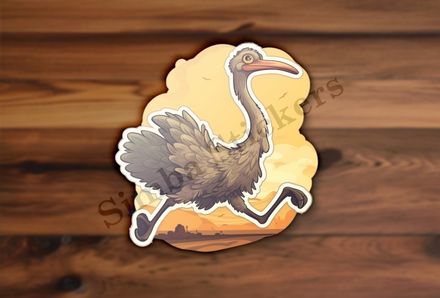
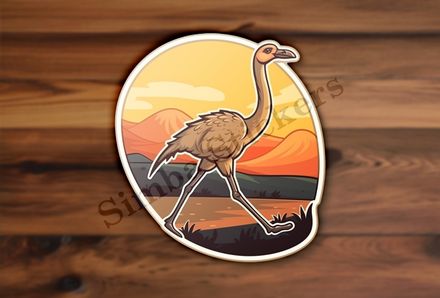
Ostrich Products - digital/print-on-demand


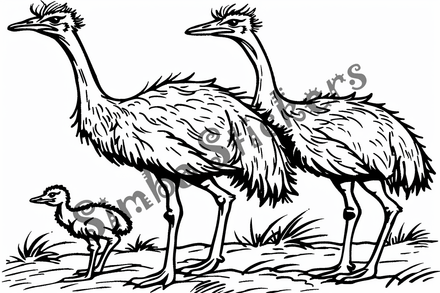
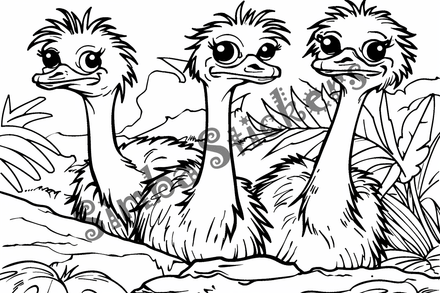


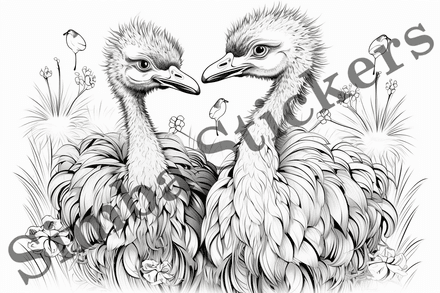



Subscribe to our newsletter
Get the latest news and updates straight to your inbox