
Hare/Hares
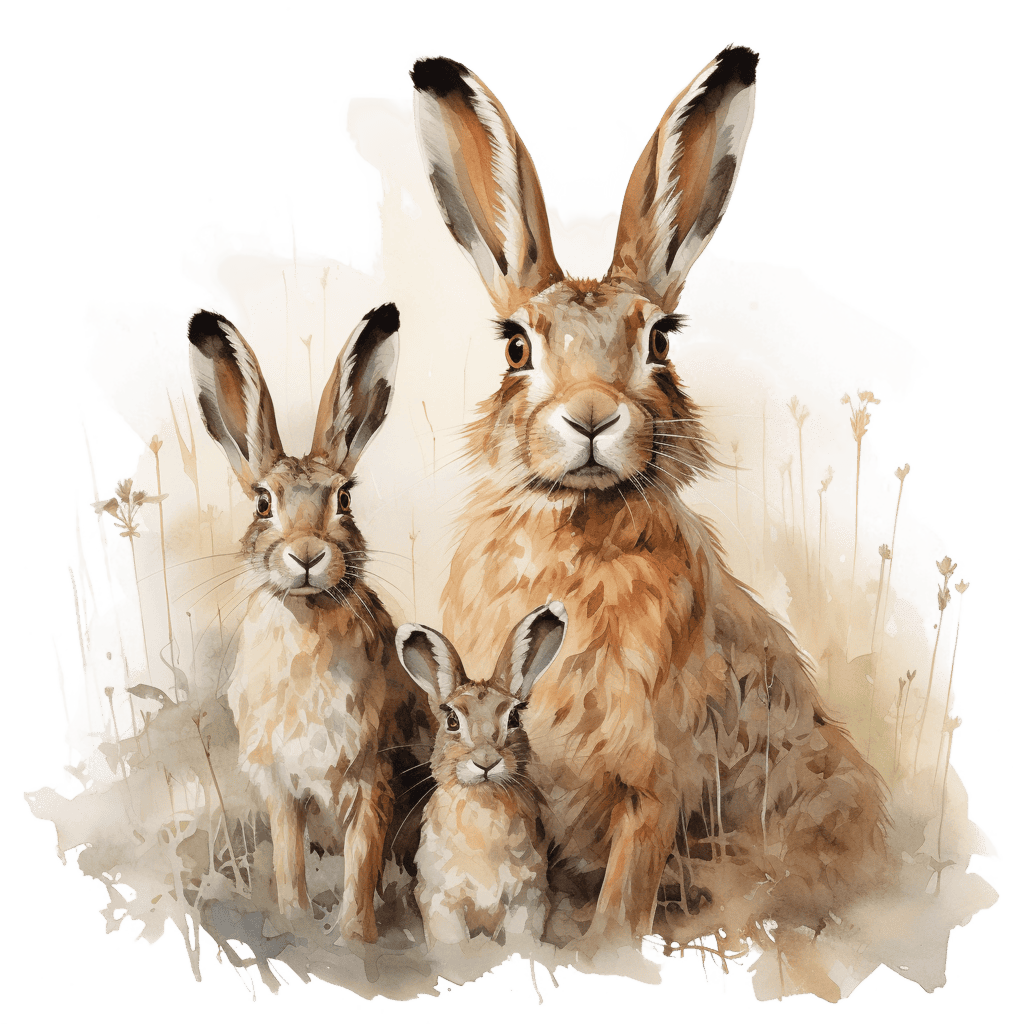
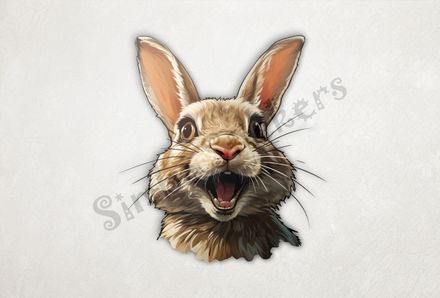
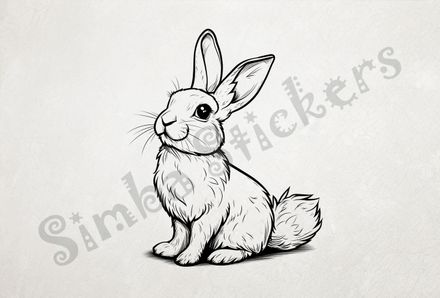
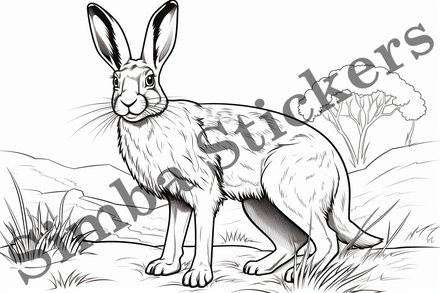
Hares belong to the genus *Lepus* and are close relatives of rabbits, though they are distinct in both biology and behavior. A single animal is called a **hare**, while a group is known as a **down**, **drove**, or **husk of hares**. The male is traditionally called a **jack**, the female a **jill**, and the young are called **leverets**—a term that distinguishes them from rabbit kits. Unlike rabbits, hares are born fully furred, with eyes open and capable of movement shortly after birth, reflecting their more independent lifestyle. Hares are known for their long, powerful hind legs, large ears lined with blood vessels for thermoregulation, and swift, bounding locomotion—some species can reach speeds up to 45 miles per hour (72 km/h). They have slender bodies, camouflaging fur that often changes with the seasons (such as the Arctic hare turning white in winter), and are generally larger and more solitary than rabbits. Common synonyms for hare include **jackrabbit** (used for several North American species, like *Lepus californicus*), though jackrabbits are true hares, not rabbits.
Hares inhabit a wide range of environments across North America, Europe, Asia, and parts of Africa. The **European hare** (*Lepus europaeus*) thrives in farmlands and open fields, while the **snowshoe hare** (*Lepus americanus*) lives in boreal forests of North America, its large feet acting like natural snowshoes. The **Arctic hare** (*Lepus arcticus*) is adapted to extreme cold, with thick fur and a compact body to minimize heat loss. The **African savanna hare** (*Lepus victoriae*) and **Cape hare** (*Lepus capensis*) are found in grasslands and semi-arid regions of Africa. Hares do not burrow like rabbits but instead rest in shallow depressions in the ground called **forms**, relying on speed and camouflage to evade predators. There are over 30 species of hares, each adapted to its habitat. While not domesticated or bred into "breeds" like livestock, some species have subspecies—such as the Alaska jackrabbit or various regional forms of the Cape hare—that differ slightly in size, color, and climate tolerance. Their diet consists mainly of grasses, herbs, bark, and twigs, and they are primarily crepuscular or nocturnal, avoiding the heat and danger of daylight.
Culturally, hares have long captured human imagination, appearing in folklore, mythology, and seasonal traditions. In European legends, the **"March hare"** is associated with madness and wild behavior during mating season, inspiring the phrase "mad as a hatter" and Lewis Carroll’s character in *Alice’s Adventures in Wonderland*. In Celtic mythology, the hare was linked to the moon and seen as a sacred animal, often associated with fertility and intuition. The **Easter Bunny**, rooted in Germanic traditions, evolved from the hare as a symbol of spring and renewal. In some African and Native American stories, the hare is a clever trickster who uses wit to outsmart stronger animals. Ecologically, hares play a crucial role as prey species, supporting predators such as foxes, eagles, owls, and wildcats. Their grazing helps shape plant communities, and their movements contribute to seed dispersal. However, they can also impact agriculture when populations grow. While some species like the European hare are relatively stable, others face threats from habitat loss, climate change (especially Arctic species), and hunting. Protecting hares means preserving open landscapes and recognizing their quiet but vital role in maintaining healthy, balanced ecosystems.
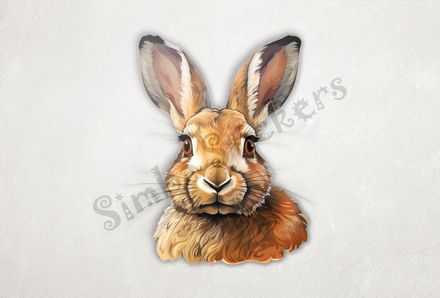
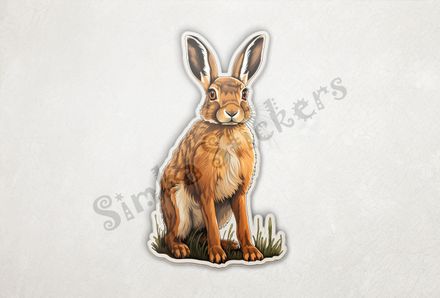
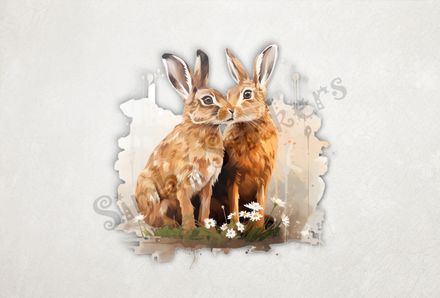
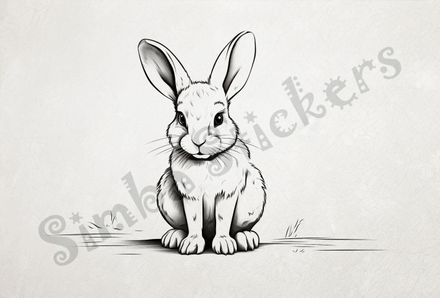
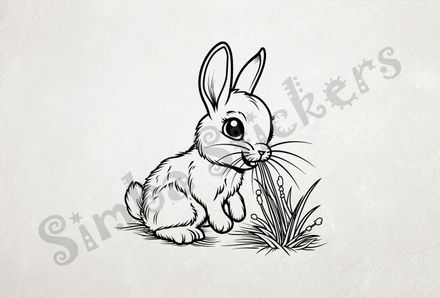
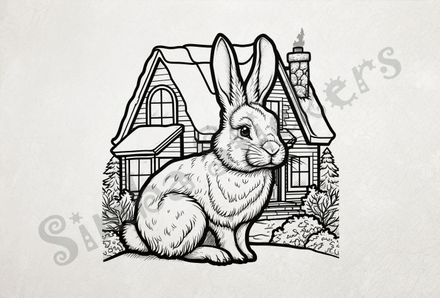
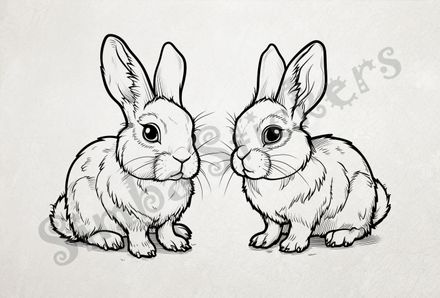
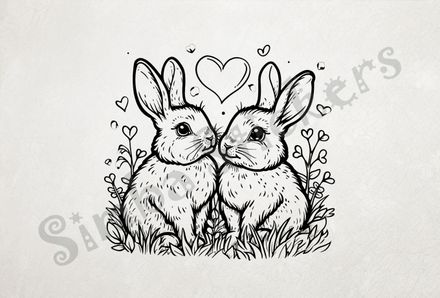
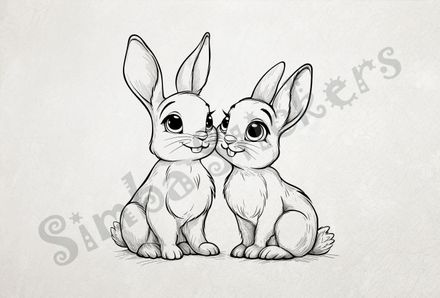
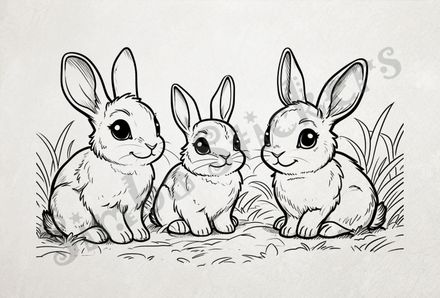
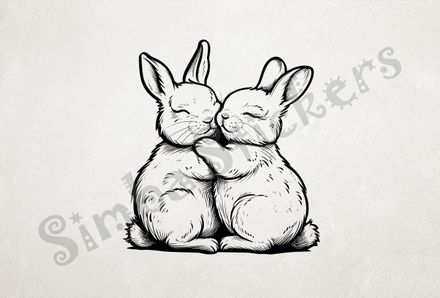
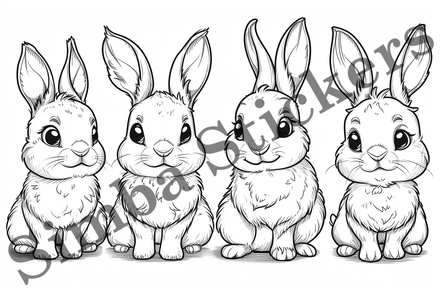
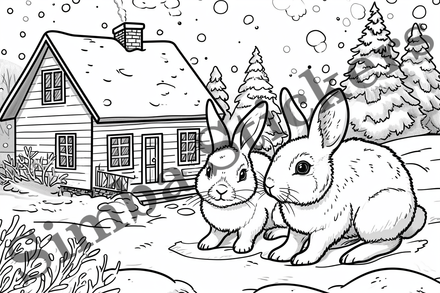
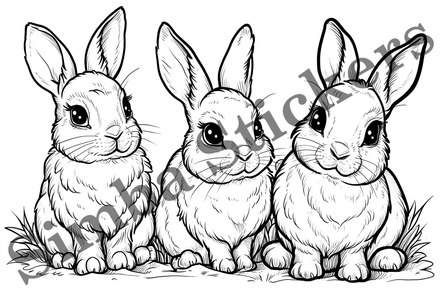
We keep adding images as will as print-on-demand products of hares as time goes on. The easiest way to keep up-to-date is to subscribe to our newsletter.
If you would like them applied to a particular kind of clothing item which is missing, then please contact us!
Simba Stickers Rodent Facts Videos in English
For facts about rodents presented in a fun and informative way, kindly have a look at our videos below!
Video Shorts
Regular Videos
We also have rodent videos available in French (regular/shorts), German (regular/shorts), Italian (regular/shorts) and Latin (regular/shorts).
Go to the Simba Stickers English channel for all our videos!
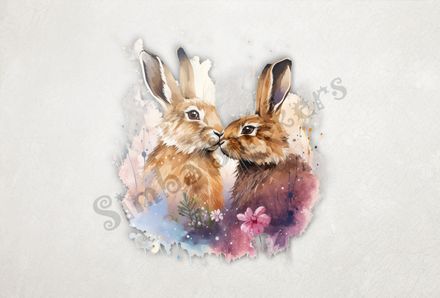
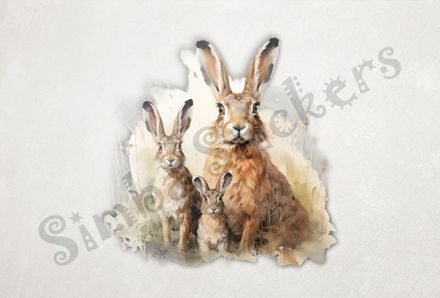
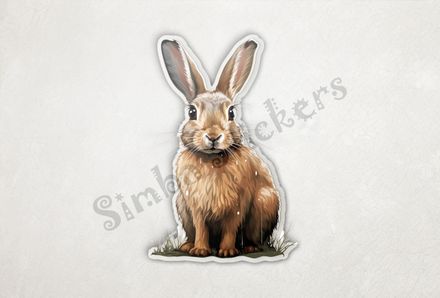
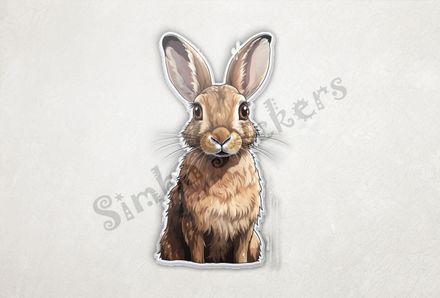
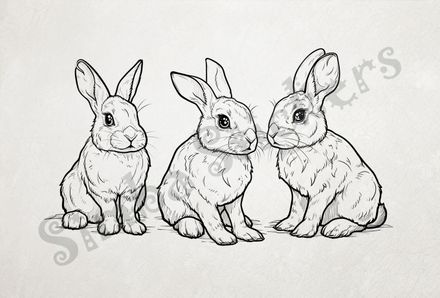
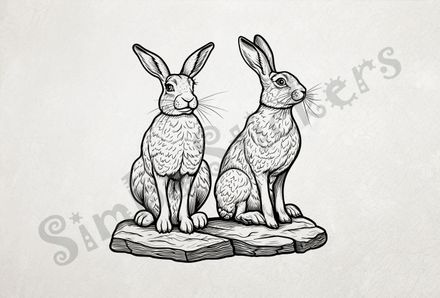
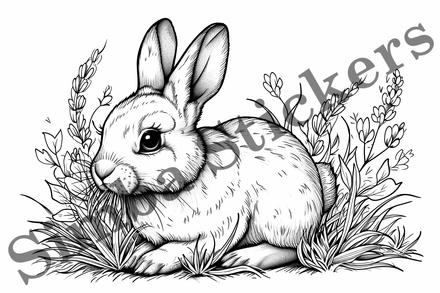
Hare Products - digital/print-on-demand
Subscribe to our newsletter
Get the latest news and updates straight to your inbox